

You’re not just adding square footage to your backyard. You’re creating space that holds up when the snow melts, when the ground shifts, and when summer storms roll through.
Most concrete patios around Lake Hopatcong crack within a few years. Freeze-thaw cycles do the damage. Water gets in, freezes, expands, and you’re left with uneven slabs and trip hazards. Then comes the sealing, the patching, the ongoing maintenance you didn’t sign up for.
Paver stones work differently. They flex with ground movement instead of fighting it. No cracks. No heaving. And when you choose Cambridge pavers, you’re working with materials that are twice as strong as poured concrete and far less absorbent. That means less water penetration, less winter damage, and a patio that looks the same in year ten as it did on day one.
Your outdoor space should make your life easier, not add another item to your maintenance list. That’s what happens when the installation is done right from the start.
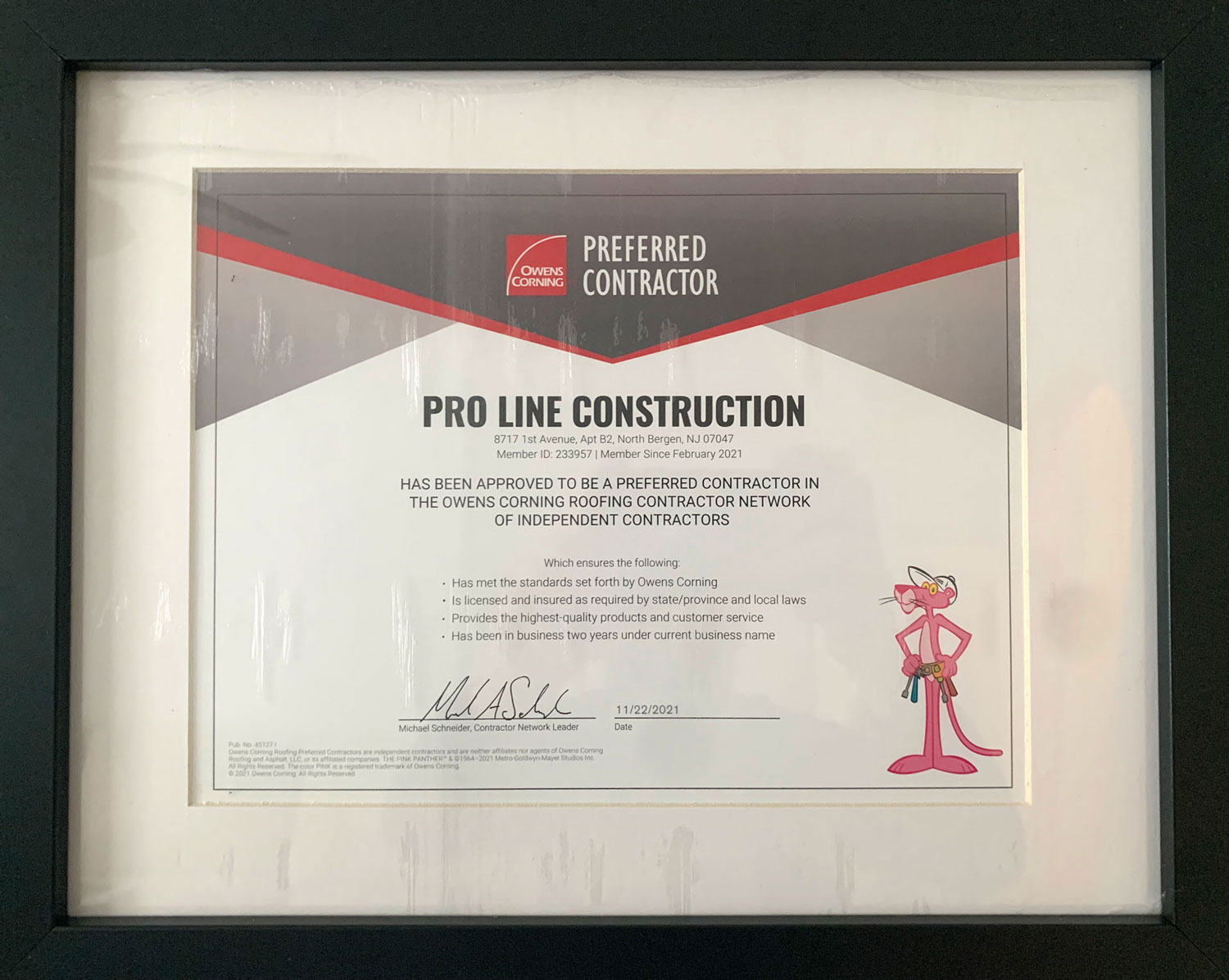
We’ve been handling residential projects across New Jersey townships for close to twenty years. We’re certified, registered with the state, and we know what works in Lake Hopatcong specifically—the soil composition, the drainage challenges, the permit requirements.
This isn’t a side hustle. It’s what we do full-time, and we’ve built enough patios in this area to know what holds up and what doesn’t. You won’t get surprise fees halfway through the job, and you won’t get a crew that disappears for weeks at a time.
Lake Hopatcong homeowners expect quality because their properties deserve it. We show up with that same standard.

First, we assess your property and talk through what you’re trying to accomplish. Not every yard is the same, and not every homeowner wants the same thing. We measure, evaluate drainage, check for underground utilities, and discuss paver patio designs that fit your space and budget.
Next comes excavation. In Lake Hopatcong, the clay-heavy soil means we’re typically removing 6 to 10 inches of earth to make room for a properly compacted crushed stone base. This step matters more than most people realize—it’s what prevents settling and keeps your patio level for decades.
Then we install the pavers. Whether you’re going with Cambridge pavers in neutral tones or something with more contrast, each stone gets set into place with precision. The interlocking system is what gives you that flexibility and strength. No mortar. No rigid joints that crack under pressure.
Finally, we handle the finishing work—edging, polymeric sand between the joints, and a final cleanup. Before we leave, you’ll know exactly how to maintain your new patio (spoiler: it’s minimal), and we’ll walk through any questions about drainage, furniture placement, or future additions like fire pits or outdoor kitchens.

Ready to get started?
Every project starts with a free estimate. We come to your property, take measurements, and give you transparent pricing with no hidden charges. You’ll know what you’re paying before any work begins.
We handle permits through the Lake Hopatcong Land Use Office. Paver patios and concrete patios both require permits here, and we manage that process so you don’t have to chase down paperwork or worry about compliance.
Material selection happens with actual samples, not just photos from a brochure. You’ll see the colors and textures in real light, on your property, so there are no surprises when the installation is complete. Cambridge pavers come in dozens of shapes and colors, and we’ll help you narrow down options based on your home’s architecture and your personal style.
We also handle overlays. If you already have a concrete patio that’s seen better days, paver stones can go right over the top in many cases. That eliminates the cost and mess of demolition and gives you a completely refreshed outdoor space without starting from scratch.
Lake Hopatcong sits on New Jersey’s largest freshwater lake, and many homes here have unique drainage considerations. We account for slope, runoff, and water flow so your new patio doesn’t create problems elsewhere in your yard. Proper grading and permeable paver options are part of the conversation when needed.

Basic installations typically start around $10,000, but that number moves depending on size, material choice, site conditions, and design complexity. A straightforward 12×16 patio with standard Cambridge pavers and minimal grading will cost less than a multi-level design with built-in seating walls and custom borders.
Labor is a significant part of the cost because proper installation requires excavation, base preparation, compaction, and precise paver placement. Shortcuts in any of those steps lead to settling, uneven surfaces, and early failure. You’re paying for work that lasts.
Material costs vary too. Cambridge pavers are premium products, but they’re also maintenance-free and backed by strong warranties. Cheaper alternatives might save money upfront, but they often fade, crack, or require replacement sooner. We’ll walk through options during your estimate so you can make an informed decision based on your budget and long-term goals.
Yes. Both paver patios and concrete patios require permits in Lake Hopatcong. You’ll need to submit an application to the Land Use Office along with a survey that shows where the patio will be located on your property.
This isn’t just bureaucracy—it’s about making sure your patio meets setback requirements, doesn’t interfere with drainage easements, and complies with local building codes. Skipping the permit process can lead to fines and complications if you ever sell your home.
We handle permit applications as part of our service. We prepare the necessary documentation, submit it on your behalf, and coordinate inspections if required. You don’t need to take time off work or navigate municipal offices. It’s built into the process, and it protects you down the road.
Pavers handle freeze-thaw cycles better than poured concrete, and that’s the deciding factor in this climate. New Jersey winters are hard on outdoor surfaces. Water seeps into concrete, freezes, expands, and creates cracks. Once cracking starts, it accelerates.
Paver stones are individual units with sand-filled joints, so they move independently. When the ground shifts or frost heaves occur, pavers adjust without cracking. If a single paver ever does get damaged—say, from a heavy impact or a settling issue—you can replace that one stone without tearing up the entire patio.
Concrete also requires regular sealing to prevent staining and water absorption. Pavers don’t. Cambridge pavers are made from high-density concrete that resists fading and moisture penetration without any ongoing treatment. Less maintenance, fewer repairs, and a longer lifespan make pavers the smarter choice for Lake Hopatcong properties.
Most residential patio projects take between three and seven days, depending on size and complexity. A simple rectangular patio with straightforward access and minimal grading can be done in a long weekend. Larger projects with retaining walls, multiple levels, or challenging site conditions take longer.
Weather plays a role too. We can’t compact base material in heavy rain, and we won’t install pavers on frozen ground. If your project is scheduled during spring or fall, there’s a chance we’ll need to adjust the timeline based on conditions. We’ll keep you updated if delays happen.
The process breaks down into excavation (usually one day), base installation and compaction (one to two days), paver installation (one to three days), and finishing work like edging and joint sand (half a day). We clean up daily and make sure your property is accessible even while work is ongoing.
In many cases, yes. If your existing concrete patio is structurally sound—meaning it’s not severely cracked, heaving, or sinking—we can use it as a base for pavers. This approach saves money because you avoid demolition and disposal costs.
We’ll assess the condition of your current patio during the estimate. Minor cracks aren’t a dealbreaker, but significant settling or large broken sections mean the concrete isn’t stable enough to support pavers. In those situations, removal and proper base installation are necessary.
Overlaying pavers does raise the finished height of your patio, which can affect door thresholds or transitions to other parts of your yard. We’ll measure and discuss those details upfront so there are no surprises. When done correctly, a paver overlay gives you a completely refreshed outdoor space without the mess and expense of starting from scratch.
Very little. Sweep off leaves and debris occasionally. Rinse with a hose if dirt builds up. That’s about it for routine care.
Unlike concrete, pavers don’t need sealing. Cambridge pavers are colored throughout the entire stone, so there’s no surface coating to wear off or fade. If you spill something, soap and water usually handle it. For tougher stains like oil or rust, there are specific paver cleaners available, but most homeowners never need them.
Weeds can occasionally sprout between pavers if organic material settles into the joints. Polymeric sand—which we install during the finishing process—hardens when wet and prevents most weed growth. If a weed does appear, pull it out. It won’t damage the patio.
Every few years, you might want to add a fresh layer of polymeric sand to the joints if it’s eroded in high-traffic areas. That’s a simple process, and it’s not urgent. Your patio will function fine even if you skip it. The main point: paver patios don’t demand ongoing attention the way other outdoor surfaces do.
Other Services we provide in Lake Hopatcong