

You’re not just getting a patio. You’re getting space that works year-round.
A properly installed paver patio becomes the place your family actually uses. Morning coffee before work. Dinner outside when the weather’s right. A fire pit setup that doesn’t feel like you’re sitting on a cracked concrete slab from 1985.
The right patio pavers do more than look good on installation day. They handle freeze-thaw cycles without heaving. They drain properly so you’re not dealing with puddles every time it rains. And when you eventually sell, buyers notice the difference between a weekend DIY job and professional masonry work.
In Roseland, where the median home value sits around $667,900, your outdoor space isn’t just an add-on. It’s an extension of a significant investment. Cambridge pavers with ArmorTec hold up to whatever weather hits without fading under summer sun or cracking when temperatures drop. That’s not marketing speak—it’s how the material performs.
We handle patio installation the way it should be done. We’re local to the area, we know the soil conditions, and we understand what holds up in this climate.
You won’t get a runaround on pricing. We discuss every cost upfront, prepare a detailed estimate based on your specific project, and stick to it. No hidden charges that show up halfway through the job.
Our team works across Essex County, and we’ve built enough patios in Roseland to know what works and what doesn’t. When you’re looking at a 40-year-old home that needs an outdoor upgrade, we can tell you exactly what’s involved and how long it’ll take. We manage the timeline, handle the details, and clean up when we’re done.

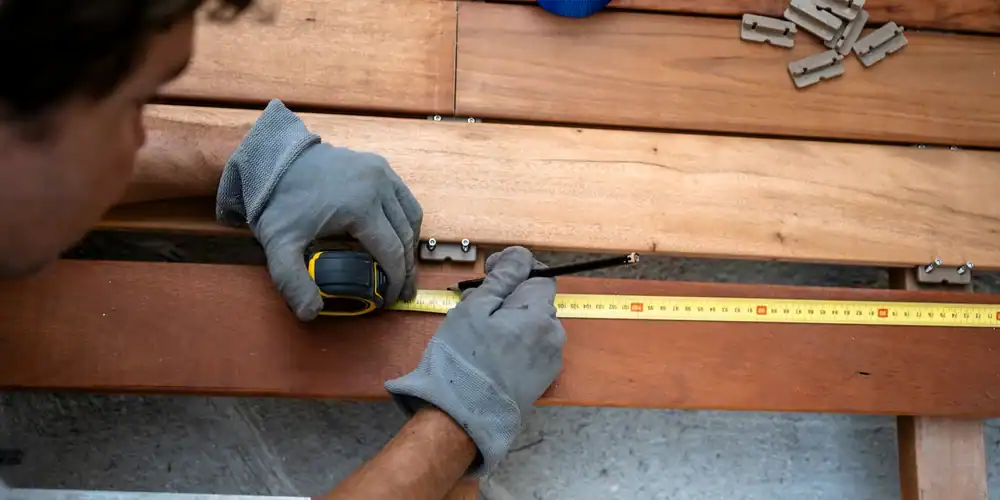
First, we come out to look at your space. We measure, check drainage, look at how your yard slopes, and talk through what you’re trying to accomplish. You tell us what you want, we tell you what’s realistic.
Then we put together a quote. It’s itemized, it’s clear, and it includes everything—base prep, materials, labor, cleanup. You’ll know what you’re paying before we touch a shovel.
Once you approve, we schedule the work. We excavate to the right depth, build a proper base with compacted stone, and install your paver stones with the correct edge restraints and joint sand. This isn’t a quick pour-and-smooth job like concrete. It takes longer because it’s built in layers, and each layer matters.
When we’re done, your patio is level, it drains correctly, and the pavers are locked in. We haul away the debris, restore your lawn where we worked, and walk you through any maintenance you should know about. Most of the time, that’s close to nothing.

Ready to get started?
You’ve got options when it comes to patio pavers, and not all of them perform the same way.
Cambridge Pavingstones are what we install most often in Roseland because they’re twice as strong as poured concrete and far less absorbent. That matters here. When water seeps into concrete and freezes, it cracks. Pavers handle that cycle without breaking down.
You can choose from different shapes, colors, and patterns. Some homeowners go with a classic brick look. Others want something more modern with clean lines and larger format stones. If you’re tying the patio into existing driveway pavers or walkways, we can match or complement what’s already there.
The base prep is the same regardless of which paver you pick. We excavate, lay compacted gravel, add a sand leveling layer, and then set the pavers with polymeric sand in the joints. It’s a system, and skipping steps is how you end up with a patio that shifts or sinks after two years.
For homeowners in Roseland who want their outdoor space to feel like an extension of the inside, we can integrate the patio with outdoor kitchens, fire pits, or seating walls. The masonry work ties together, and it all gets built to the same standard.

A properly installed paver patio outlasts concrete by a significant margin. Concrete typically cracks within 10 to 15 years in New Jersey’s freeze-thaw climate. Once it cracks, your options are limited—you can patch it, but it never looks right, or you can replace the whole slab.
Paver stones don’t crack the same way because they’re individual units with joints that allow for movement. When the ground shifts or freezes, the pavers adjust without breaking. Cambridge pavers are made from high-density concrete that’s engineered to handle moisture and temperature swings better than a standard concrete pour.
If a paver does get damaged—say a tree root pushes one up or you drop something heavy—you replace that one paver. You don’t rip out the whole patio. That’s a huge advantage over a monolithic concrete slab where one crack can compromise the entire surface.
Most paver patios in this area last 25 to 30 years or more with minimal maintenance. You might need to re-sand the joints every few years and rinse off dirt, but that’s about it.
Pavers cost more upfront. A concrete patio might run $8 to $12 per square foot installed, while paver stones typically range from $15 to $25 per square foot depending on the material and pattern you choose.
But here’s what that doesn’t account for: concrete requires maintenance and eventual replacement. When it cracks—and it will—you’re looking at either living with an eyesore or paying for a full demo and reinstall. That’s not a small expense, and it usually happens right when you’re planning to sell or just want to enjoy your backyard without dealing with another project.
Pavers cost more now because the installation takes longer and the materials are more durable. You’re paying for a proper base, quality stones, and skilled labor. What you get in return is a surface that holds up, looks better over time, and adds more to your property value.
In Roseland, where home values are high and buyers expect quality, a well-done paver patio is an asset. A cracked concrete slab is a liability. When you factor in longevity and resale value, pavers are the better investment even though the initial number is higher.
Drainage is the most important part of patio installation that most homeowners never think about until it’s a problem. If water doesn’t move away from your patio—and away from your house—you end up with standing water, ice patches in winter, and potential foundation issues.
We grade the base so there’s a slight slope away from your home, usually about a quarter inch per foot. That’s enough to move water off the surface without being noticeable when you’re walking on it. If your yard has drainage challenges—like heavy clay soil or a low spot—we’ll add a drainage system underneath the patio base to channel water where it needs to go.
The paver system itself helps with drainage because water can permeate through the joints between stones instead of sitting on top like it does with solid concrete. We use polymeric sand in those joints, which stabilizes the pavers but still allows water to pass through.
Before we start any job, we look at how your property drains naturally. If there’s an issue, we address it during installation. Fixing drainage after the patio is in is expensive and disruptive. Doing it right the first time is just part of the job.
Yes, if your existing pavers are still available in the same product line. Cambridge makes dozens of styles and colors, and they’ve kept many of their classic designs in production for years. If your driveway pavers are a common style, we can usually source the same ones for your patio.
If the exact match isn’t available anymore—or if your existing pavers have weathered and changed color—we can create a complementary design instead. Sometimes that means using the same paver in a different pattern, or choosing a coordinating color that ties everything together without trying to force a perfect match that won’t actually look perfect.
The other consideration is whether your existing pavers were installed correctly. If your driveway is settling or the stones are shifting, matching them might not be the best move. We’d rather build your new patio the right way and then address the driveway later if needed.
We’ll bring samples to your property and lay them next to your existing work so you can see how they look together in your actual light conditions. That’s the only way to make a real decision about color and style matching.
Very little, and that’s one of the main reasons people choose pavers over other materials. You’re not staining it every year like a deck or patching cracks like concrete.
The most common maintenance is sweeping off debris and occasionally rinsing the surface with a hose or pressure washer. If you get weeds growing between pavers, pull them or spray them—they’re coming up through the joints, not the pavers themselves. Using polymeric sand during installation reduces weed growth significantly because it hardens and fills the gaps more completely than regular sand.
Every few years, you might need to add more joint sand if it’s washed out from heavy rain or pressure washing. That’s a simple fix—you sweep sand across the patio and let it fill the joints, then mist it down.
If a paver gets stained—oil, rust, organic material—you can usually clean it with an appropriate cleaner and a stiff brush. Because the pavers are individual units, you’re treating one stone, not worrying about the whole surface.
The ArmorTec finish on Cambridge pavers resists fading and wear, so your patio looks newer longer without any special treatment. Most homeowners spend less than an hour a year on paver patio maintenance, and that’s usually just cleaning.
Most patio projects take between three and seven days depending on size, complexity, and weather. A straightforward 300-square-foot patio with simple grading and no drainage issues might be done in three days. A larger patio with multiple levels, a sitting wall, or challenging site conditions could take a full week or more.
Day one is usually excavation and base prep. We remove sod, dig down to the proper depth, and start building the gravel base. Day two is finishing the base, compacting it, and adding the sand layer. Days three and four are paver installation, cutting edge pieces, and finishing details. The final day is cleanup, joint sanding, and a walkthrough with you.
Weather affects the timeline more than most people expect. We can’t compact base material in heavy rain, and we won’t install pavers if there’s standing water on the site. If we get a storm mid-project, we’ll pause and come back when conditions are right. Rushing through wet conditions leads to problems later.
We’ll give you a realistic timeline upfront and keep you updated if anything changes. The goal is to finish on schedule, but not at the expense of doing it right. You’re living with this patio for decades—a few extra days during installation doesn’t matter if it means the job is done correctly.
Other Services we provide in Roseland