
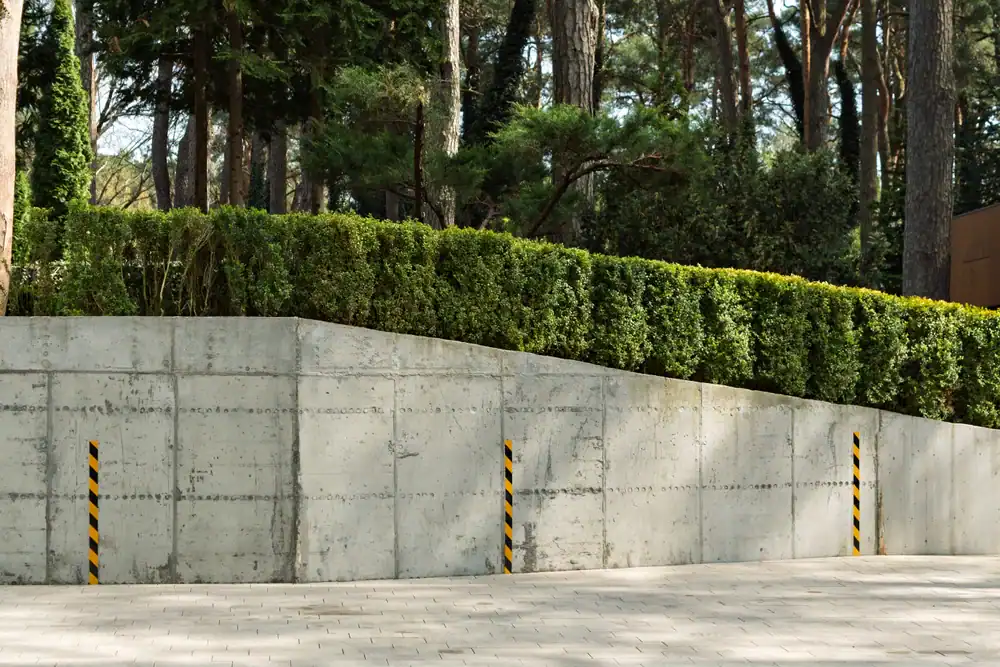

You stop watching your property erode. The bare spots where grass won’t grow disappear. Water that used to pool for days after rain finally drains where it should.
Your yard becomes usable again. No more avoiding that slope or dealing with mulch drifting into the driveway every spring. If you’ve been putting off landscaping because the ground won’t cooperate, a properly built retaining wall changes that.
And if you’re thinking about selling, buyers notice. A well-constructed wall signals that someone took care of the property. It’s not just cosmetic—it’s structural protection that adds real value to what you’re asking.
We work with certified experts who know construction codes and how to build walls that last. We’re not landscapers who dabble in hardscaping—we’re contractors who understand drainage, soil pressure, and what happens when walls are built wrong.
Madison properties come with their own challenges. The soil here shifts. The slopes are steep. The homes are valuable, and the stakes are high when you’re protecting a foundation or preventing erosion near a structure.
We’ve handled everything from small garden walls to full terraced renovations. Every project gets the same approach: proper drainage, solid base prep, and materials that match what you’re trying to accomplish.

First, we come out and look at what’s happening with your slope. We’re checking drainage patterns, soil conditions, and how much pressure the wall will need to handle. If it’s over six feet, we bring in engineering consultation—that’s not optional.
Next, we talk through material options. Concrete retaining wall blocks, natural stone, Allan Block, Techo-Bloc, EP Henry—each has pros and cons depending on your budget, the look you want, and how the wall needs to perform. We’re upfront about pricing and what you’re actually paying for.
Then we build it. That means excavating to stable soil, laying a compacted gravel base, installing proper drainage behind the wall, and setting each course level. The drainage step is critical—it’s the number one reason walls fail, and it’s the part most contractors skip or rush.
You’ll know the timeline before we start, and we manage the project so it’s done right the first time. No surprises, no hidden charges.

Ready to get started?
You’re getting a custom design based on your property’s specific needs. That includes site evaluation, material recommendations, and a clear estimate with no hidden fees.
The installation covers full excavation, base preparation, drainage system setup, and wall construction using your choice of materials. We work with concrete retaining wall blocks, stone veneer, and segmental retaining wall systems that don’t require complex engineering plans for most residential heights.
If your property is in one of Madison’s older neighborhoods near Millionaires Row or along the hillier sections near Giralda Farms, we account for those soil and grade challenges. This isn’t cookie-cutter work—it’s built for the conditions we’re actually dealing with.
And if you already have a failing wall that’s bulging, cracking, or leaning, we handle repairing retaining wall issues too. Sometimes that means rebuilding sections. Sometimes it means adding drainage that was never installed in the first place.

It depends on height, length, materials, and site conditions. A basic concrete block wall might start around $3,000 for a small garden application. Larger projects with natural stone, multiple tiers, or significant drainage work can run $15,000 to $40,000 or more.
The biggest cost drivers are excavation complexity, the drainage system, and material choice. If your slope is steep or the soil is unstable, that adds labor and base prep. If you want natural stone instead of concrete blocks, the material cost jumps.
We give you a free estimate that breaks down what you’re paying for. No vague line items, no surprises later. You’ll know what the wall costs, what the drainage costs, and what site prep involves before we start.
Concrete retaining wall blocks are the most common choice because they’re durable, cost-effective, and available in styles that don’t look industrial. Brands like Allan Block, Techo-Bloc, and EP Henry offer modular systems that interlock and handle soil pressure well.
Natural stone looks great and fits Madison’s traditional architecture, but it costs more and takes longer to install. Stone veneer gives you the appearance of natural stone with the structural benefits of concrete block—it’s a middle ground that works for a lot of projects.
Wood retaining walls are cheaper upfront but don’t last as long, especially in wet conditions. If you’re investing in a permanent solution, concrete or stone makes more sense. We’ll walk you through the options based on what you’re trying to accomplish and what your budget allows.
Most towns require permits for walls over four feet tall, and Madison follows similar guidelines. If your wall is supporting a slope near a structure or holding back significant soil pressure, you’ll likely need engineered plans and a permit regardless of height.
We handle that process. Our team knows the local codes and works with engineers when needed. For walls under four feet that aren’t near foundations or property lines, you can often skip the permit, but it’s worth confirming before you start.
Skipping permits when you need them creates problems if you ever sell. Inspectors and buyers notice unpermitted work, and it can delay closings or hurt your sale price. Better to do it right from the start.
Poor drainage is the number one cause. When water builds up behind the wall, it creates hydrostatic pressure that pushes the wall forward. Over time, that pressure causes bulging, cracking, or complete failure.
Inadequate base preparation is the second biggest issue. If the gravel base isn’t thick enough or properly compacted, the wall settles unevenly. That leads to leaning, gaps between blocks, and structural instability.
Cheap materials and shortcuts during installation also cause problems. Walls built without proper backfill, drainage pipes, or geogrid reinforcement don’t last. If you’re seeing cracks, leaning, or separation in an existing wall, those are signs the original installation was done wrong.
A straightforward residential wall usually takes one to two weeks from start to finish, depending on length, height, and site access. Smaller garden walls might be done in a few days. Larger projects with terracing, complex drainage, or difficult access take longer.
Weather affects the timeline. We need dry conditions for excavation and compaction. If it rains mid-project, we pause until the site is workable again—building on wet soil compromises the base and leads to settling issues later.
We give you a realistic timeline upfront and keep you updated if anything changes. The goal is to finish on schedule without rushing steps that matter, like drainage installation and base compaction.
Yes, depending on the damage. If the wall is leaning slightly or has minor cracks, we can sometimes stabilize it by improving drainage, adding reinforcement, or rebuilding specific sections.
If the wall is severely bulging, collapsing, or built without drainage, a full rebuild is usually the better option. Patching a poorly built wall doesn’t fix the underlying problem—it just delays the inevitable failure.
We’ll assess what’s happening and tell you honestly whether repair makes sense or if you’re better off starting over. Most failing walls we see were built without proper drainage in the first place, and that’s not something you can fix with surface repairs.
Other Services we provide in Madison