

Water pools near your foundation after every storm. Soil slides down your slope and ruins your landscaping. Your yard turns into a muddy mess because there’s nowhere for runoff to go.
These aren’t minor annoyances. They’re warning signs that your property is losing the battle against gravity and weather—and the longer you wait, the more expensive the fix becomes.
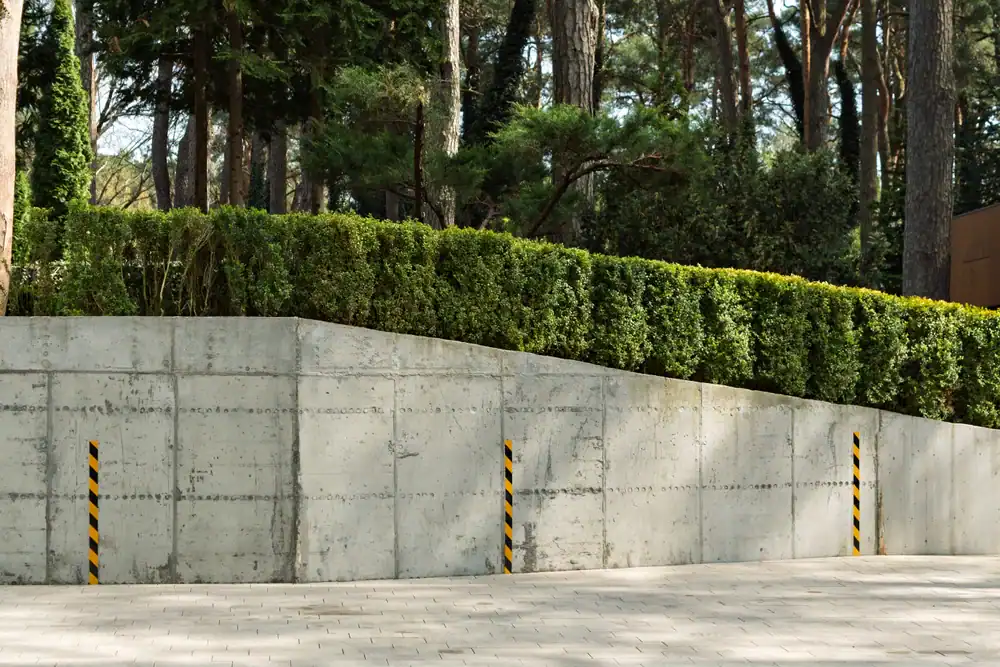
A properly built retaining wall doesn’t just hold back dirt. It redirects water away from your foundation, prevents costly erosion damage, and creates usable outdoor space where there was only a slope. You get a yard that drains correctly, landscaping that stays in place, and one less thing threatening your home’s structural integrity.
This matters in Morristown because our soil composition and rainfall patterns create constant pressure on sloped properties. You’re not imagining the problem—it’s real, and it’s getting worse every season you ignore it.
We handle retaining wall projects throughout Morristown and Morris County. We’re licensed, insured, and we’ve seen every type of drainage disaster this area can throw at a property.
We know Morristown’s soil. We know how freeze-thaw cycles affect wall stability. We know which materials hold up and which ones fail after three winters.
You’re not hiring a crew that learned construction from YouTube. You’re working with contractors who understand engineering requirements, permit processes, and how to build walls that actually solve your drainage problem instead of just looking nice for two years before they fail.

First, we come to your property and assess what’s actually causing your drainage or erosion issue. Not every slope needs a wall, and not every wall needs to be massive—so we figure out what will actually fix your specific problem.
Once we’ve mapped out the solution, we handle permits if your wall requires them. In New Jersey, walls over four feet typically need engineering approval, and we manage that process so you don’t have to figure out municipal requirements on your own.
Then we prep your site. This means excavating to stable soil, creating proper base layers, and installing drainage systems behind the wall. Most retaining wall failures happen because of poor drainage—water builds up behind the wall, creates pressure, and eventually pushes the whole structure forward. We prevent that.
We build using concrete retaining wall blocks, natural stone, or engineered segmental systems depending on what your property needs and what you prefer aesthetically. Every course gets checked for level and proper backfill as we go.
Finally, we backfill with gravel for drainage, compact everything properly, and restore your landscaping. You’re left with a wall that manages water correctly and actually solves the problem you hired us to fix.

Ready to get started?
You get a custom-designed retaining wall system engineered for your property’s specific slope, soil type, and drainage patterns. We’re not installing a generic block wall and hoping it works—we’re solving your exact problem.
Your project includes proper excavation and base preparation, which matters more than most homeowners realize. A retaining wall is only as stable as what’s underneath it, and Morristown’s mixed soil conditions mean we can’t cut corners on foundation work.
We install drainage systems behind every wall we build. Weep holes, gravel backfill, and perforated pipe aren’t optional extras—they’re what keeps your wall standing for decades instead of failing after five years.
You also get materials suited for New Jersey weather. We use concrete retaining wall blocks and stone that handle freeze-thaw cycles without cracking or shifting. Morristown gets cold winters and wet springs, and your wall needs to survive both without constant repairs.
And you get transparent pricing up front. Retaining walls in this area typically run between $4,000 and $15,000 depending on height, length, and site conditions. We’ll tell you what your project actually costs before we start—no surprise charges halfway through because we “discovered” something we should have caught during the estimate.

Most retaining wall projects in Morristown run between $4,000 and $15,000, but your actual cost depends on wall height, total length, material choice, and how difficult your site is to access.
A short garden wall using standard concrete blocks costs less than a tall engineered wall requiring permits and specialized stone. Steep slopes need more excavation work. Properties with poor drainage need more extensive systems behind the wall.
We give you an upfront estimate after seeing your property. No hidden fees, no “we didn’t expect this” charges later. You’ll know what you’re paying before we break ground, and that number won’t change unless you change the scope of work.
In New Jersey, retaining walls over four feet typically require permits and engineering approval. Walls under four feet usually don’t, but local municipalities sometimes have their own requirements.
Morristown follows state building codes, which means taller walls need to be engineered to handle soil pressure, water load, and frost depth. This isn’t bureaucratic nonsense—it’s what prevents your wall from collapsing during the first major rainstorm.
We handle the permit process if your project requires it. You don’t need to figure out what forms to file or which department to visit. We manage that so you can focus on picking materials and planning your newly usable yard space.
Concrete retaining wall blocks and segmental wall systems hold up best in New Jersey’s climate. They handle freeze-thaw cycles without cracking, they’re engineered for structural stability, and they don’t require constant maintenance.
Natural stone works well too, especially if you want a more traditional look that matches Morristown’s established neighborhoods. Stone is durable and attractive, though it typically costs more than concrete block systems.
Poured concrete is an option for certain applications, but it’s temperature-sensitive during installation and can crack over time if the ground shifts. Timber and railroad ties look nice initially but rot within 10-15 years in our wet climate. We typically recommend segmental block or stone because they last longer and require less upkeep than other materials.
Most residential retaining wall projects take between three days and two weeks depending on wall size, site conditions, and weather.
A simple 20-foot garden wall on accessible, level ground might be done in three to four days. A tall wall requiring excavation on a steep slope with difficult access could take two weeks or more.
Weather affects timelines too. We can build block and segmental retaining walls in winter since they’re not temperature-sensitive like poured concrete, but frozen ground slows excavation work. Heavy rain delays projects because we need stable soil conditions to build properly. We’ll give you a realistic timeline during your estimate and keep you updated if conditions change the schedule.
A properly designed retaining wall with correct drainage systems will absolutely fix water pooling and erosion issues—but only if it’s built to address your specific drainage pattern.
The wall itself holds back soil. The drainage system behind it manages water. We install gravel backfill, weep holes, and perforated drainage pipe that redirects water away from both the wall and your foundation. This prevents hydrostatic pressure from building up and keeps water from collecting where it causes problems.
If your yard floods because of poor grading or inadequate drainage infrastructure, a retaining wall alone won’t solve that. We’ll assess your property during the estimate and tell you honestly whether a wall fixes your problem or if you need additional drainage work. We’re not here to sell you construction you don’t need—we’re here to solve the actual issue affecting your property.
Sometimes yes, sometimes no. It depends on why your wall is failing and how far gone it is.
If your wall is leaning or bulging because of drainage issues, we can sometimes add proper drainage systems and reinforce the structure. If it’s cracking due to settling but the foundation is still solid, repairs might work.
But if your wall is collapsing because it was built without a proper base, inadequate drainage, or wrong materials for the soil conditions, repair isn’t worth the money. You’ll spend thousands on a temporary fix that fails again in two years. In those cases, rebuilding correctly costs less in the long run than repeatedly patching a wall that was never going to last. We’ll assess your existing wall and give you an honest recommendation about whether repair makes sense or if you’re better off replacing it.
Other Services we provide in Morristown