

You stop watching water pool near your foundation every time it rains. The soil erosion that’s been eating away at your yard for years finally stops. That steep, unusable section of your property becomes functional space you can actually landscape or enjoy.
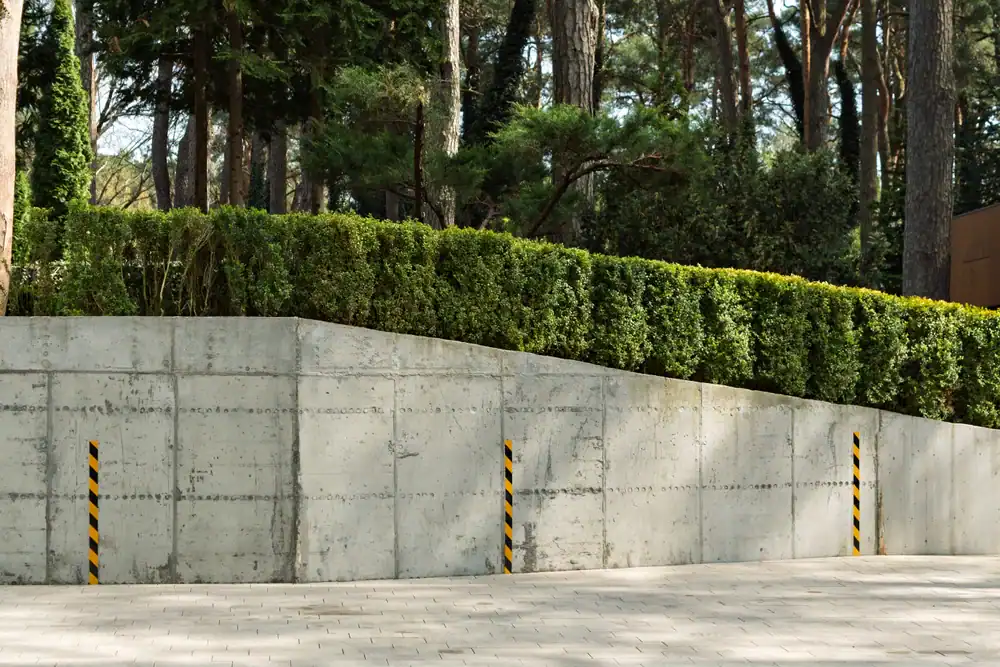
Concrete retaining wall blocks do more than hold back dirt. They redirect water flow away from structures that can’t handle it. They create level areas where there were only slopes. They turn drainage problems into solved problems.
Northern New Jersey properties sit on clay-heavy soil that doesn’t drain well. Add in uneven grading and you’re looking at standing water, foundation damage, and landscaping that won’t survive a season. A properly installed block wall retaining wall fixes the root cause—not just the symptoms you see on the surface.
We handle exterior work across Pompton Plains and the surrounding Morris County area. We know the soil conditions here. We know how water moves through properties in this region. We know what fails and what lasts.
Our team follows New Jersey construction codes and handles the permitting process. You get a free estimate that breaks down material costs, labor, and timeline—no hidden charges after the fact. We’re not the cheapest option, and that’s intentional. You’re paying for retaining walls that won’t shift, crack, or need rebuilding in five years.
We’ve regraded yards, installed drainage systems, and built retaining wall blocks on properties with steep terrain and poor water management. The work holds up because we prep the site correctly and use materials designed for this climate.

We start with a site visit to assess your slope, drainage patterns, and soil type. Not every property needs the same solution. Some need a single-tier wall. Others need terracing or integrated drainage systems behind the blocks.
Once we agree on a design and materials, we pull permits if required and schedule the work. The crew excavates and levels the base—this step matters more than most homeowners realize. A retaining wall is only as stable as the foundation it sits on. We compact the base, install drainage aggregate, and set the first course of concrete retaining wall blocks perfectly level.
Each row gets staggered and pinned. We backfill with gravel to allow water to drain behind the wall instead of building pressure against it. The top course gets capped for a finished look. You’re left with a wall that handles water correctly and doesn’t move when the ground freezes and thaws.

Ready to get started?
You’re getting concrete retaining wall blocks that meet ASTM standards for load-bearing and weather resistance. These aren’t decorative—they’re engineered to hold back soil and handle freeze-thaw cycles without cracking. We source blocks that last decades, not years.
The installation includes proper excavation, a compacted gravel base, drainage aggregate behind the wall, and geogrid reinforcement if your wall is over four feet. We don’t skip steps to save time. Wall landscaping around the structure gets planned so water flows where it should—not toward your foundation or into garden beds where it pools.
Pompton Plains properties deal with clay soil and older drainage layouts that can’t handle heavy rainfall. We account for that. If your yard needs regrading or additional drainage solutions beyond the retaining wall, we’ll tell you upfront. Repairing retaining wall failures from poor installation costs more than doing it right the first time. We’d rather you pay once and be done.

Most professionally installed retaining walls run around $30 per square foot in this area. A basic wall might come in closer to $23 per square foot. Larger walls with reinforcement, drainage systems, or multiple tiers cost more.
Your actual price depends on wall height, material choice, site access, and how much prep work the ground needs. If we’re regrading a steep slope or dealing with poor drainage, that adds to the scope. We give you a free estimate that breaks down costs by line item—you’ll know what you’re paying for before we start.
Concrete retaining wall blocks cost less than natural stone but still give you design options. Textured and colored blocks run about 18% more than standard gray, but they hold up the same. You’re not paying for aesthetics that fade—you’re paying for a wall that works.
Concrete retaining wall blocks built to ASTM standards last decades if installed correctly. The blocks themselves don’t degrade. They’re manufactured to handle freeze-thaw cycles, moisture, and load stress without cracking or shifting.
What fails isn’t usually the blocks—it’s the installation. Walls built without proper drainage or a compacted base start leaning or cracking within a few years. Water pressure builds up behind the wall during heavy rain, and the structure moves. That’s why we install drainage aggregate and make sure water has a path out.
Northern New Jersey gets harsh winters. The ground freezes and expands. If your wall isn’t built on a stable base below the frost line, it’ll shift. We account for that during excavation. You’re not going to need a full rebuild in five years if the work is done right from the start.
A retaining wall redirects water and stabilizes soil, but it’s not always a complete drainage solution on its own. If water is pooling near your foundation or flooding your yard during storms, the wall helps—but you might also need regrading or a dedicated drainage system.
We assess how water moves through your property during the site visit. Some yards need French drains or catch basins in addition to the wall. Others just need the slope corrected and a retaining wall to hold everything in place. We’ll tell you what’s necessary and what’s optional.
Pompton Plains properties often have compacted clay soil that doesn’t absorb water well. When it rains, water runs downhill and collects where it shouldn’t. A block wall retaining wall with proper backfill and drainage aggregate gives that water a path away from structures. You stop dealing with standing water and erosion because the system actually works.
It depends on the height and location of your wall. Most towns in Morris County require permits for retaining walls over a certain height—usually three to four feet. If the wall is near a property line or affects drainage onto a neighbor’s lot, you’ll likely need approval.
We handle the permit process as part of the job. We know New Jersey construction codes and what the local building department requires. You don’t have to figure out the paperwork or worry about inspections. We pull the permits, schedule inspections, and make sure everything passes.
Skipping permits might seem easier, but it causes problems if you ever sell your property. Unpermitted work shows up during home inspections, and buyers either walk or demand costly fixes. It’s not worth the risk. We do it right so you don’t have issues down the road.
Concrete retaining wall blocks cost less, install faster, and perform just as well structurally. Natural stone looks more organic and blends into landscaping, but it’s significantly more expensive and takes longer to build. Both materials last decades if installed correctly.
Concrete blocks are manufactured to consistent sizes and weights, which makes them easier to stack and reinforce. You get a uniform look and reliable performance. Stone walls require more skilled labor because each piece is different—you’re paying for the time it takes to fit everything together.
If you want the stone look without the cost, textured concrete blocks mimic natural stone pretty well. They’re molded to look rugged and come in different colors. You save money and still get a finished wall that doesn’t look generic. For most homeowners in Pompton Plains, concrete blocks make more sense unless aesthetics are the top priority and budget isn’t a concern.
Look for leaning, cracking, or separation between blocks. If the wall is tilting forward or you see gaps opening up, water pressure is pushing it out of place. That means the drainage behind the wall isn’t working—or was never installed. Small cracks might just need sealing, but structural movement usually means you need a rebuild.
Another sign is soil washing out from behind or beneath the wall. If you’re losing dirt and the ground is settling unevenly, the wall isn’t doing its job. Repairing retaining wall damage early costs less than waiting until the whole structure fails and takes out landscaping or hardscaping with it.
We’ll assess whether your wall can be fixed or needs replacement. Sometimes adding drainage and reinforcing the base solves the problem. Other times the original installation was so poor that patching it just delays the inevitable. You’ll get an honest answer either way—we’re not going to sell you a full replacement if a repair actually works.
Other Services we provide in Pompton Plains