

You’re dealing with water pooling where it shouldn’t. Soil washing away after every heavy rain. A slope so steep you can’t use half your yard.
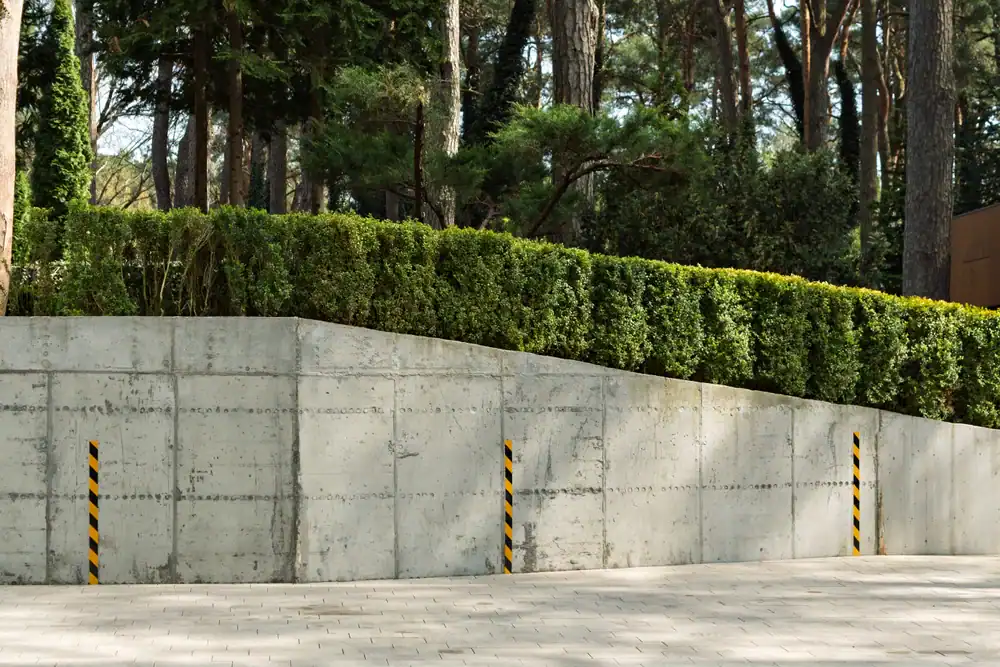
Retaining walls solve that. They hold back soil, redirect water away from your foundation, and create flat tiers where you can actually put a patio, garden beds, or seating areas. No more watching your topsoil disappear down the hill every spring.
Morris County terrain is hilly. Rockaway properties deal with elevation changes constantly. A properly built block wall retaining wall doesn’t just look clean—it prevents thousands in foundation repairs, drainage fixes, and landscape replacements down the road. You’re not decorating. You’re protecting what you own.
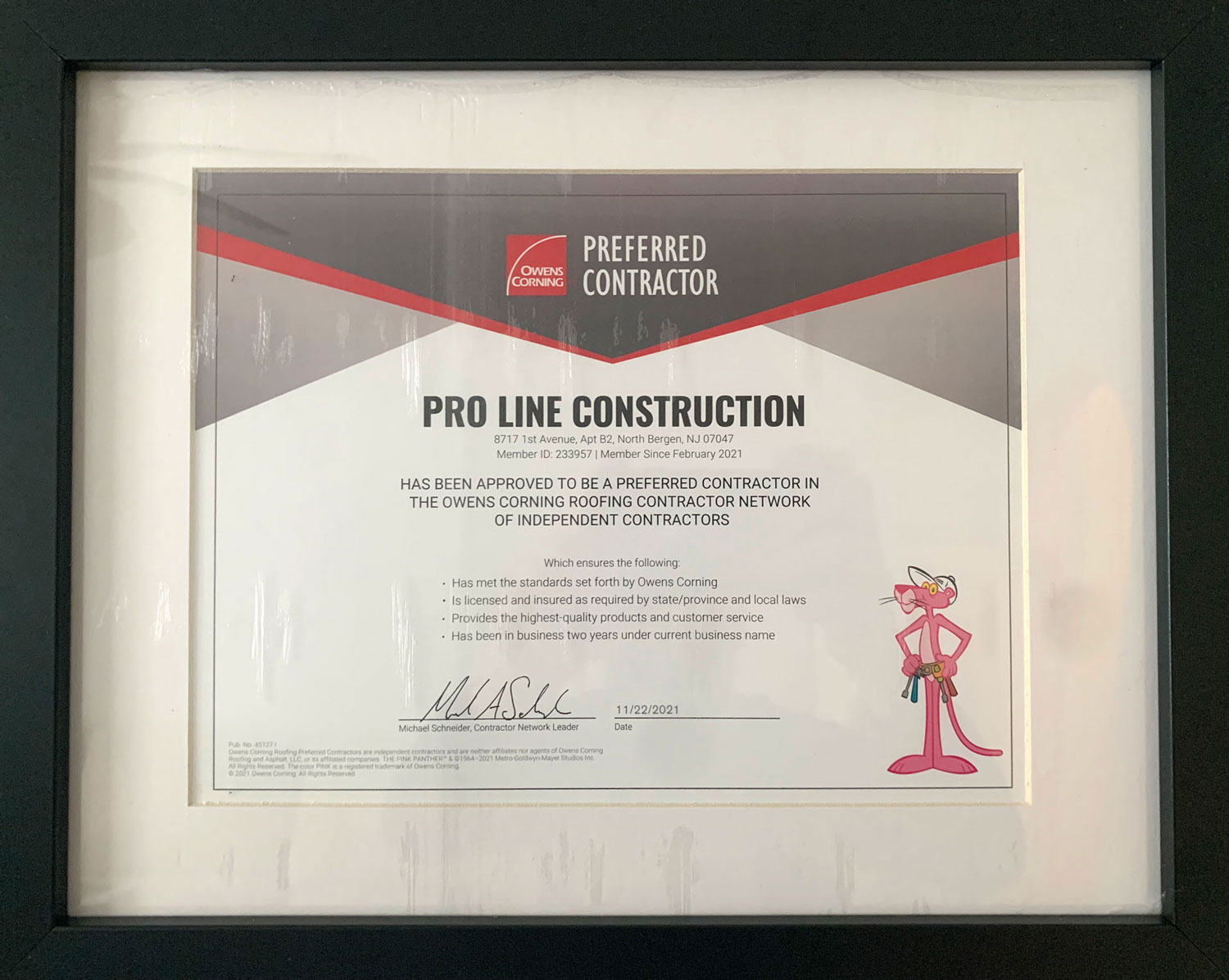
Proline Construction has been handling home improvement projects across New Jersey for years. We’re certified in segmental retaining wall installation through NCMA, and we follow New Jersey construction codes on every job.
We’re not the cheapest option in Rockaway—and that’s intentional. You’re hiring someone who pulls permits when required, uses proper drainage systems behind every wall, and sources materials from EP Henry, Techo-Bloc, Cambridge, and Belgard. That means your wall lasts 50 to 100 years instead of bowing out in five.
We don’t subcontract the work. We don’t disappear after the estimate. You get the same crew from start to finish, and we handle the permitting process directly with local authorities when your wall height requires it.

First, we come out to look at your slope, drainage patterns, and soil conditions. We measure the area, talk about what you’re trying to accomplish, and figure out if you need a permit. In Rockaway, walls over four feet almost always do.
Next, we give you a customized quote with no hidden charges. You’ll know exactly what you’re paying for—excavation, base prep, drainage installation, concrete retaining wall blocks, labor, and any engineering if your wall requires it.
Once you approve, we handle permits if needed and schedule the work. We excavate, compact a gravel base, install drainage behind the wall, and build it with interlocking concrete blocks or stone depending on what you chose. The drainage system is critical—it prevents hydrostatic pressure from pushing your wall out over time.
After the wall is up, we backfill, compact, and clean up the site. You’re left with a wall that’s engineered to handle New Jersey winters and decades of freeze-thaw cycles.

Ready to get started?
You’re getting a wall built to code with proper drainage, not just stacked blocks. That means a compacted gravel base, geogrid reinforcement if your wall is tall, and a perforated drain pipe behind the wall to move water away.
We use concrete retaining wall blocks from manufacturers who back their products with real warranties. You pick the style and color. We make sure it’s installed correctly so it doesn’t fail in year six when hydrostatic pressure builds up.
Rockaway sits in an area where soil composition varies and winter freeze-thaw cycles are harsh. We account for that. If your wall needs engineering because it’s over six feet or supporting a steep slope, we coordinate with licensed engineers to make sure everything is stamped and approved.
You also get transparency on cost. The average retaining wall project in New Jersey runs between $4,000 and $15,000 depending on height, length, and site conditions. We don’t inflate numbers. We give you a fair estimate based on what your property actually needs, and we don’t add surprise charges halfway through the job.

A properly built retaining wall lasts 50 to 100 years depending on soil conditions, groundwater levels, and how well the drainage system was installed. The wall itself isn’t usually the problem—it’s the water pressure building up behind it.
If your contractor skips the drainage pipe and gravel backfill, you’ll see bowing, cracking, or full collapse within a decade. That’s common with cheaper installs. When we build a wall, we install a perforated drain pipe along the base behind the wall and backfill with gravel to let water escape. That prevents hydrostatic pressure from pushing the wall forward.
New Jersey winters are tough on retaining walls. Freeze-thaw cycles can crack poorly built walls or shift blocks that weren’t installed on a compacted base. We excavate below the frost line and use a six-inch compacted gravel base to prevent settling. Your wall stays level and intact through every season.
It depends on the height. Most towns in New Jersey, including Rockaway, require a permit for retaining walls over four feet tall. If your wall is over six feet or retaining a steep slope, you’ll likely need an engineered design stamped by a licensed engineer.
Permit costs in New Jersey typically run between $50 and $450 depending on your town and the scope of the project. We handle that process for you—pulling permits, coordinating with the building department, and making sure inspections are scheduled.
Skipping permits might seem easier, but it causes problems if you ever sell your property or if the wall fails and causes damage to a neighbor’s land. Unpermitted work can also void your homeowner’s insurance coverage if something goes wrong. We pull permits when required so you’re covered legally and the work is done to code.
Concrete retaining wall blocks are modular, interlocking units that stack without mortar. They’re faster to install, easier to repair if one block gets damaged, and they handle ground movement better than poured concrete because they flex slightly instead of cracking.
Poured concrete walls are solid and work well for taller applications or commercial projects, but they’re more expensive and require forms, rebar, and longer cure times. For most residential projects in Rockaway, segmental block walls are the better option—they’re durable, cost-effective, and available in styles that match your landscaping.
Block systems from EP Henry, Techo-Bloc, and Cambridge also come with built-in drainage channels and setback angles that make them structurally sound without needing as much engineering. You get a wall that looks finished, performs well, and doesn’t require a full concrete pour and week-long curing process.
Most residential retaining walls in New Jersey cost between $4,000 and $15,000 depending on height, length, materials, and site conditions. You’re looking at roughly $35 to $65 per square foot including materials and labor.
A basic 3-foot-tall wall that’s 20 feet long might run $3,000 to $5,000. A taller wall with multiple tiers, engineered design, and premium stone facing can easily hit $15,000 or more. Labor makes up 40% to 60% of the total cost because proper installation takes time—excavation, base prep, drainage, and block placement all have to be done right.
If your wall needs a permit and engineering, add another $500 to $2,000 depending on complexity. We give you a free estimate based on your specific property so you know exactly what you’re paying before we start. No hidden fees, no surprise charges halfway through the job.
Sometimes, but it depends on why the wall is failing. If it’s bowing or leaning because there’s no drainage behind it, repairing the face blocks won’t fix the problem—you need to address the water pressure or the wall will fail again.
Minor repairs like replacing a few cracked blocks or resetting a small section can cost a few hundred dollars. But if the wall is collapsing, leaning more than a few inches, or built without a proper base, you’re usually better off rebuilding it correctly. Demolition costs run $15 to $30 per linear foot, and then you’re back to new installation pricing.
We’ll come out and assess what’s going on. If a repair makes sense and will actually hold, we’ll tell you. If the wall needs to be rebuilt to prevent bigger problems down the road, we’ll explain why and give you an honest estimate for doing it right the second time.
Water pooling behind a retaining wall creates hydrostatic pressure, which pushes the wall forward and causes bowing, cracking, or complete collapse. That’s the number one reason retaining walls fail—poor drainage design.
A properly built wall has a perforated drain pipe installed along the base behind the blocks, surrounded by gravel. Water flows into the pipe and drains away instead of building up pressure. We also backfill with gravel instead of soil for the first 12 inches behind the wall so water can percolate down to the drain.
If your existing wall is holding water, you’ll see signs—bulging blocks, cracks forming horizontally, or the wall leaning forward. That needs to be fixed before the wall fails completely and you’re looking at thousands in emergency repairs. We can assess your drainage setup and add relief drains or rebuild the wall with proper drainage if it’s too far gone.
Other Services we provide in Rockaway