

You’re watching water carve paths through your yard every time it rains. The soil’s moving where it shouldn’t. Your foundation’s at risk, and the flat space you actually want to use keeps shrinking.
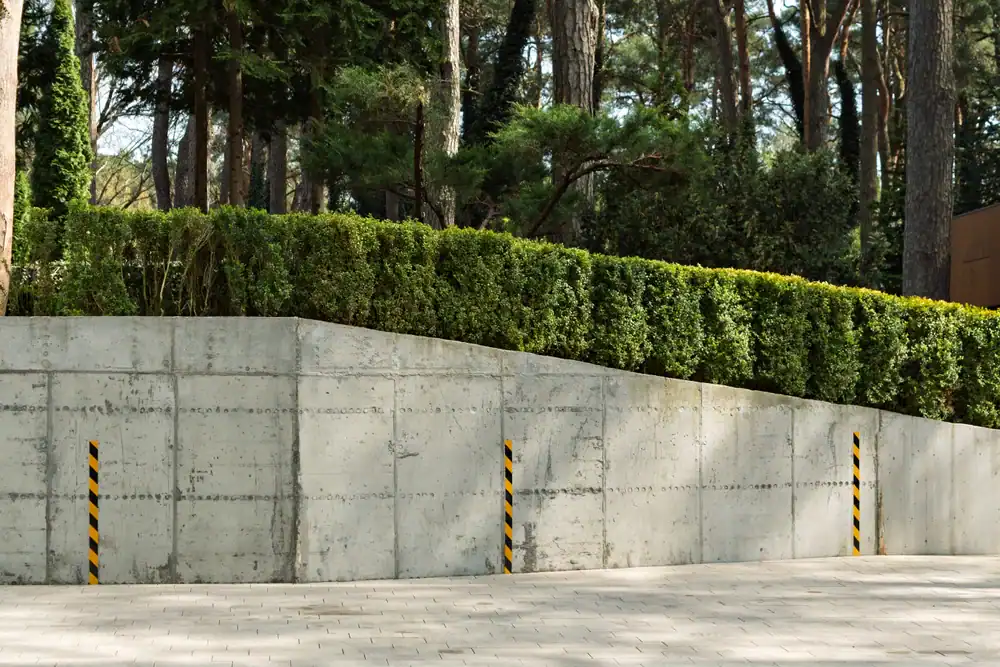
A properly built retaining wall stops that. It holds soil in place, redirects water away from your foundation, and creates level ground you can actually do something with. No more watching your property erode season after season.
This isn’t about making things look nice—though that’s part of it. It’s about protecting what you’ve invested in. Warren County properties with well-designed retaining walls see value increases between 5-10%, and you get decades of performance if the wall’s built right from the start. The difference is in how it’s engineered, how drainage is handled, and whether the materials can survive New Jersey’s freeze-thaw cycles without cracking or shifting.
We hold NJ Home Improvement Contracting License #13VH00899200. We’ve been handling retaining wall projects across Warren County long enough to know what works here and what fails in three years.
Washington Corner properties deal with specific drainage challenges and soil conditions that require more than cookie-cutter solutions. We account for slope grade, water flow patterns, and frost depth before we ever set a block. Every project gets a customized approach based on what your property actually needs, not what’s easiest to install.
You’ll get transparent pricing up front, no surprise charges, and a team that shows up when we say we will. We manage the permitting process for walls over four feet, coordinate engineering when required, and handle every phase from excavation to final grading.

We start with a site evaluation at your property. You’ll walk us through what’s happening with drainage, where soil’s moving, and what you’re trying to accomplish. We measure slope, check soil composition, and identify where water’s flowing during heavy rain.
From there, we prepare a detailed estimate that breaks down materials, labor, drainage solutions, and timeline. You’ll know exactly what you’re paying for and why certain approaches cost more than others. If your wall needs engineering or permits, we tell you that up front.
Once you approve the plan, we handle excavation and base preparation. The foundation has to be right—compacted gravel base, proper depth, level installation. Then we build the wall using concrete retaining wall blocks, natural stone, or whatever material fits your property and budget. Every course gets checked for level and alignment.
Drainage goes in as we build. That means perforated pipe, gravel backfill, and proper grading so water doesn’t build up behind the wall. Most failures happen because drainage was skipped or done wrong. We don’t skip it.
Final grading, cleanup, and a walkthrough with you to make sure everything’s right. The whole process typically takes one to two weeks depending on wall height and site access.

Ready to get started?
You’re getting more than stacked blocks. Every retaining wall project includes site excavation, engineered base preparation, drainage system installation, and material delivery. We handle the permits if your wall’s over four feet, coordinate inspections, and make sure everything meets New Jersey building codes.
Material options depend on what your property needs and what you’re comfortable spending. Concrete retaining wall blocks offer durability and cost-effectiveness—they’re engineered to interlock and handle freeze-thaw cycles. Natural stone gives you a more custom look but requires more labor and precision. We’ll walk through the pros and cons of each based on your specific site conditions.
Warren County’s clay-heavy soil and seasonal water flow mean drainage isn’t optional. We install perforated drainage pipe behind every wall, backfill with gravel for proper water movement, and grade the area so runoff goes where it should. Skipping this step is how walls fail in five years instead of lasting decades.
If your property has steep slopes or walls over six feet, engineering may be required. We coordinate with structural engineers to make sure your wall’s designed for the load it’ll carry. You’ll get stamped plans for permitting and the confidence that your wall won’t shift or bow over time.

A properly built retaining wall lasts 40 to 60 years, sometimes longer if drainage is handled correctly and materials are chosen for New Jersey’s climate. The walls that fail early almost always have drainage problems—water builds up behind the wall, creates pressure, and pushes the structure out of alignment.
Concrete retaining wall blocks are engineered to handle freeze-thaw cycles, which is critical here. Natural stone performs well too if it’s installed with proper base preparation and backfill. The foundation matters as much as the material—if the base isn’t compacted and level, the wall will shift regardless of what it’s made from.
You’ll also want to think about maintenance. Walls don’t need much, but you should check drainage outlets after heavy rain and clear any debris that blocks water flow. Small issues caught early don’t turn into expensive repairs.
Yes, if your wall’s over four feet tall. Warren County requires permits for taller retaining walls, and you’ll likely need engineered plans showing the wall can handle soil pressure and water load. Walls under four feet typically don’t need permits, but it’s worth confirming with your local building department since rules vary by municipality.
The permit process isn’t complicated if you’re working with a licensed contractor. We handle the application, submit plans, and coordinate inspections. Trying to skip permits on a tall wall creates problems if you ever sell your property—buyers’ inspectors will flag unpermitted structures, and you’ll be dealing with retroactive approvals or removal.
Engineering adds to upfront cost but it’s not optional for walls holding back significant soil loads. You’re paying for calculations that ensure your wall won’t fail under pressure. That’s especially important on steep slopes or properties with poor drainage.
Poor drainage is the number one reason. Water accumulates behind the wall, creates hydrostatic pressure, and pushes the structure forward. Even the best materials won’t hold if water’s constantly pressing against them. That’s why every retaining wall needs perforated pipe, gravel backfill, and proper grading.
Inadequate base preparation is the second most common issue. If the foundation isn’t deep enough, level, or properly compacted, the wall will settle unevenly and start to lean. This happens more often with DIY projects or contractors who rush the excavation phase to save time.
Using the wrong materials for the height and load also causes problems. A three-foot wall has different engineering requirements than a seven-foot wall. Block wall retaining walls need to be designed for the specific soil conditions and slope grade on your property. Shortcuts in design lead to expensive repairs later.
Most residential retaining walls in Warren County run between $25 and $50 per square foot depending on materials, wall height, site access, and drainage complexity. A basic 30-foot wall that’s three feet tall might cost $2,500 to $4,500. Taller walls with natural stone or difficult site conditions can push costs higher.
Concrete retaining wall blocks are the most cost-effective option and they perform well in New Jersey’s climate. Natural stone costs more due to labor and material expense, but it offers a custom look that some properties benefit from. The right choice depends on your budget and how the wall fits into your overall landscape.
Don’t choose a contractor based solely on the lowest bid. Walls that fail due to poor drainage or inadequate base prep end up costing far more to repair or rebuild. You’re better off paying for proper installation the first time than dealing with a leaning wall in five years.
Yes, when it’s designed with drainage in mind. A retaining wall redirects water flow, prevents soil erosion, and can be integrated with French drains or other drainage systems to move water away from your foundation. The key is planning where water goes before you start building.
Washington Corner properties often deal with clay-heavy soil that doesn’t absorb water quickly. That means runoff needs somewhere to go during heavy rain. A well-designed retaining wall includes perforated pipe behind the structure, gravel backfill for water movement, and grading that directs flow away from problem areas.
If you’re already dealing with standing water, foundation seepage, or erosion, a retaining wall can be part of the solution—but it’s not a standalone fix. You may also need to address grading issues, add drainage swales, or install catch basins. We’ll assess your property and recommend what actually solves the problem instead of just moving it somewhere else.
Segmental retaining walls use interlocking concrete blocks that stack without mortar. They’re flexible, handle ground movement well, and they’re faster to install than poured concrete. The interlocking design distributes weight evenly and allows for some settling without cracking. These work well for most residential applications in Warren County.
Poured concrete walls are solid structures that require forming, rebar, and curing time. They’re stronger for very tall walls or commercial applications, but they’re also more expensive and less forgiving if the ground shifts. Cracks in poured concrete are harder to repair than replacing a block in a segmental wall.
For residential properties dealing with slopes, drainage issues, or landscaping projects, segmental walls usually make more sense. They offer durability, easier repairs if needed, and a cleaner installation process. Poured concrete is overkill for most homeowners unless you’re building something over eight feet tall or dealing with extreme soil loads.
Other Services we provide in Washington Corner