

Your sloped property isn’t just frustrating. It’s costing you usable space, threatening your landscaping, and potentially affecting your home’s value every time it rains.
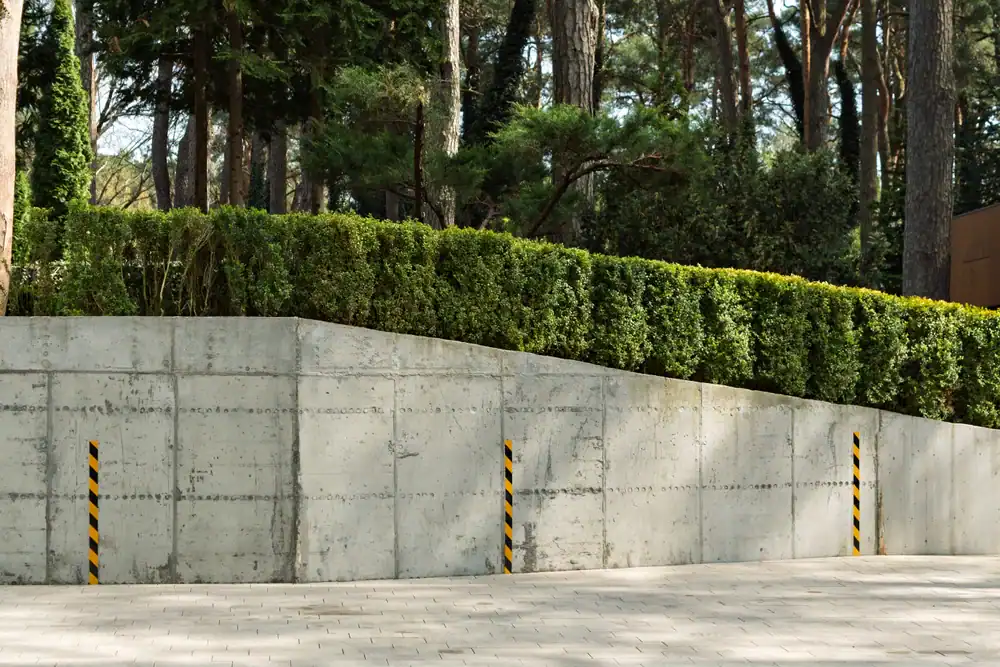
A properly built retaining wall does more than hold back soil. It creates terraced areas where you can garden, entertain, or just let your kids play without worrying about runoff washing away your yard. You get defined outdoor spaces that look intentional and function year-round.
The right wall landscaping also manages water before it becomes a problem. When concrete retaining wall blocks are installed with proper drainage and backfill, you’re not just moving dirt around. You’re engineering a solution that handles North Jersey’s freeze-thaw cycles and heavy storms without shifting, cracking, or failing when you need it most.
We’ve been handling exterior projects across West Caldwell and Essex County for years. We’re not the cheapest option, and that’s intentional.
You’re hiring contractors who understand local soil conditions, building codes, and what actually holds up in this climate. We’ve worked on enough properties in West Caldwell to know that shortcuts show up fast—usually after the first major rainstorm or winter freeze.
Our approach is straightforward. We assess your property, explain what needs to happen structurally, and build it to last. No hidden charges, no surprises halfway through the job. Just transparent pricing and work that gets done on schedule.

We start with a site evaluation. You show us the problem areas, we measure the slope, check drainage patterns, and talk through what you want the finished space to look like. This isn’t a sales pitch—it’s figuring out what actually needs to happen.
Once we agree on the plan, we handle permits if your wall requires them. Then excavation begins. We dig down to stable soil, compact the base, and lay the foundation that everything else depends on. This step determines whether your wall lasts five years or fifty.
From there, we install your chosen retaining wall blocks—whether that’s Techo-Bloc, Cambridge systems, or natural stone. Each course gets set with proper step-back for stability, reinforced with rebar where needed, and backfilled with drainage aggregate. We’re not stacking blocks. We’re building a structure that manages thousands of pounds of soil pressure and water flow.
The final step is grading and cleanup. You get a finished wall that’s ready for landscaping, with all debris removed and your property left cleaner than we found it.

Ready to get started?
Every retaining wall we build includes proper excavation, compacted base material, drainage systems, and backfill designed to prevent water buildup behind the wall. These aren’t extras. They’re requirements for a wall that works.
You’ll choose from concrete retaining wall blocks in multiple styles and colors, natural stone for a more traditional look, or decorative block walls that blend function with curb appeal. We walk you through options that fit your budget and match your property’s aesthetic without pushing you toward the most expensive choice.
In West Caldwell, where property values average over $640,000, homeowners care about quality that protects their investment. That means walls engineered for local conditions—soil that expands when wet, winters that freeze and thaw repeatedly, and storm events that test drainage systems. We account for all of it.
You also get project management that keeps things moving. We’re on-site, managing the work, solving problems as they come up, and making sure the job finishes on time. No waiting weeks between phases or wondering when crews will show up.

Cost depends on wall height, length, materials, and site conditions. A basic gravity wall might start around $15,000, while a terraced backyard renovation with multiple levels can run $40,000 or more.
Concrete retaining wall blocks are typically more affordable than natural stone but still vary based on style and finish. The bigger cost driver is usually what’s happening below ground—excavation depth, drainage requirements, and soil stabilization.
We price every job upfront after evaluating your property. You’ll know what it costs before we start, with no surprise charges for “unforeseen conditions” that should’ve been foreseen during the estimate.
It depends on the wall height and location. West Caldwell typically requires permits for retaining walls over a certain height or those near property lines. Walls that affect drainage or sit on slopes may also need engineering approval.
We handle permit applications as part of the project. You don’t need to navigate township requirements or wait in line at the building department. We submit the plans, coordinate inspections, and make sure everything meets local codes.
Skipping permits might seem like a shortcut, but it creates problems when you sell your property or if a neighbor complains. Better to do it right and have documentation that the work was done legally and safely.
A gravity wall relies on its own weight to hold back soil. These work well for shorter walls, usually under four feet, and use heavier concrete retaining wall blocks or stone. They’re simpler to build and often more affordable.
Reinforced walls use rebar, geogrid, or tie-backs to handle taller heights and greater soil pressure. If you’re terracing a steep slope or building a wall over four feet, you’ll likely need reinforcement. These walls require more engineering but handle conditions that would cause a gravity wall to fail.
We recommend the right type based on your site conditions, not based on what’s easier for us to build. If a gravity wall works, we’ll tell you. If you need reinforcement, we’ll explain why and show you what that looks like in terms of cost and construction.
Most residential retaining wall projects take one to three weeks from start to finish. Smaller walls under 30 feet might wrap up in a few days. Larger terraced installations with multiple levels and extensive drainage work can take longer.
Weather affects timelines, especially during excavation and base preparation. We can’t pour concrete or compact base material in heavy rain or frozen ground. We’ll give you a realistic schedule upfront and keep you updated if conditions change.
The goal isn’t to rush through your project. It’s to complete each phase properly so the wall performs as designed. That means allowing time for proper compaction, curing, and backfilling—steps that can’t be skipped without compromising the structure.
Leaning or cracking usually means drainage failure, poor base preparation, or inadequate reinforcement for the load. Water building up behind the wall creates pressure that pushes it forward. Frost heave can do the same thing if drainage isn’t handling runoff properly.
Repairing retaining wall damage depends on severity. Minor cracks might need repointing or sealing. A leaning wall often requires partial or complete rebuilding because the foundation has failed. Trying to patch a structural problem rarely works long-term.
This is why proper installation matters from the start. A wall built with adequate drainage, proper backfill, and correct reinforcement shouldn’t develop these issues. If yours is showing signs of failure, we can assess what’s happening and give you honest options—whether that’s repair or replacement.
Yes, and it’s often the best way to integrate the wall into your overall yard design. Planting beds along the base soften the look and help with additional water absorption. Terraced walls create natural planting areas at different levels.
Wait until the wall is fully backfilled and settled before adding plants or heavy landscaping. You don’t want root systems or soil changes affecting the wall’s stability. We can coordinate timing with your landscaper or recommend when it’s safe to start planting.
Some homeowners use the new level areas for patios, outdoor kitchens, or garden beds. Others just want more usable lawn space. The wall creates the foundation—what you do with that space is up to you. Just avoid piling additional soil or heavy materials against the wall without checking that it’s designed to handle the extra load.
Other Services we provide in West Caldwell