
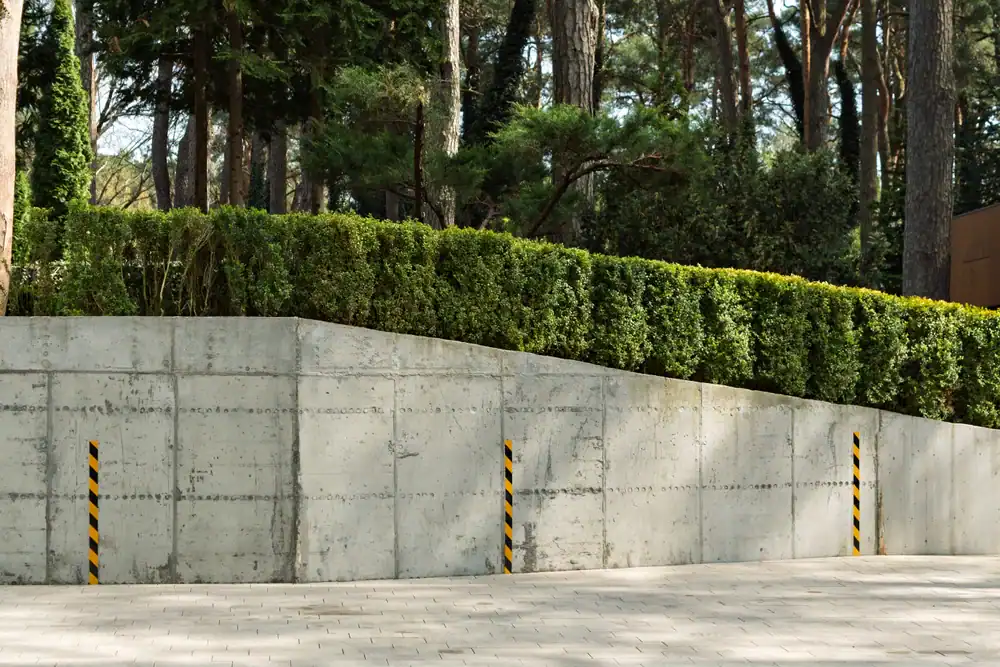

You’re watching topsoil slide down your property after every heavy rain. Your garden beds are eroding. The slope makes half your yard unusable for anything except looking at it.
A properly built retaining wall changes that. You get flat, stable ground where you can actually put a patio, plant a garden, or let your kids play without worrying about runoff or erosion eating away at your property value.
West Orange’s hilly terrain makes this a common problem. The solution isn’t complicated, but it does require the right materials and proper drainage. Without both, you’re just delaying the problem. With both, you’re adding functional square footage to your property that’ll last decades.
We’ve been handling masonry and construction projects in West Orange since 1999. We’re certified contractors who know Essex County’s soil conditions, drainage requirements, and what actually works on these slopes.
We’re not the cheapest option, and that’s intentional. You’re paying for walls that handle lateral soil pressure correctly, drainage systems that prevent water buildup, and materials rated for New Jersey’s freeze-thaw cycles.
When we give you a price, that’s the price. No hidden fees once we start digging. We show up when we say we will, and we’re still here when you need maintenance years later—which matters more than most homeowners realize until they need someone to actually pick up the phone.

First, we come out to look at your slope, check soil conditions, and measure the area. If your wall needs to be over four feet or you’re dealing with a steep grade, we’ll tell you upfront that it requires engineering—that’s code, not an upsell.
Once you approve the estimate, we excavate and prep the base. This part matters more than most people realize. A level, compacted gravel base prevents settling and keeps your wall straight for decades. We install perforated drain pipe behind the wall and backfill with gravel so water doesn’t build up pressure.
Then we build the wall itself using interlocking concrete blocks or whatever material makes sense for your project. These blocks lock together without mortar and have compressive strength over 5,000 PSI. They’re engineered for this exact job. We finish with backfill, compaction, and a final grade so water drains away from the wall, not toward it.

Ready to get started?
We typically use interlocking concrete retaining wall blocks for most West Orange projects. They’re cost-effective, durable, and rated for our climate. Depending on your design preferences, we can also work with natural stone, brick, or poured concrete—but blocks give you the best combination of strength, drainage, and longevity for the price.
Every wall includes a proper drainage system. That means perforated pipe, gravel backfill, and grading that directs water away from the structure. Without drainage, even the best-built wall will fail early. It’s not optional.
West Orange’s terrain means most properties deal with slopes, and those slopes come with clay-heavy soil that holds water. That’s why drainage matters even more here than in flatter areas. We account for that in every estimate. You’re also getting walls built to handle New Jersey’s weather—freeze-thaw cycles, heavy spring rains, and summer heat that expands and contracts materials over time.

Most retaining wall projects in West Orange run between $2,800 and $4,000 based on recent local data, but that range can shift depending on height, length, material choice, and site conditions. A simple 20-foot block wall retaining wall that’s three feet high will cost less than a 40-foot natural stone wall on a steep grade.
Concrete retaining wall blocks typically cost $15 to $30 per square foot installed. If you need engineering for walls over four feet, add another $500 to $1,500 for those plans. Drainage systems—which you absolutely need—add around $500 to $800 depending on the setup.
The biggest cost variables are access (can we get equipment back there?) and soil conditions (is the base stable or do we need extra excavation?). We give you a flat price after seeing the site. No surprises once we start digging.
It depends on the height and location. Most towns in New Jersey, including West Orange, require permits for retaining walls over a certain height—usually three to four feet. If your wall is holding back a significant amount of soil or sits near a property line, you’ll likely need a permit and possibly an engineered plan.
We handle this as part of the process. We’ll tell you upfront if your project requires permits, and we’ll pull them if needed. It’s not worth skipping this step. An unpermitted wall can cause issues when you sell your home or if a neighbor complains.
Engineering requirements kick in for taller walls or steep slopes because the lateral pressure from soil is serious. A wall that’s not designed correctly can fail, and that’s a liability and a costly fix. Better to do it right the first time.
Interlocking concrete blocks are the best all-around choice for most West Orange properties. They’re engineered to handle freeze-thaw cycles, they don’t require mortar (which can crack), and they’re cost-effective. You’re looking at $15 to $30 per square foot installed, and they’ll last 50+ years with minimal maintenance.
Natural stone looks great and works well if aesthetics are a priority, but it costs more and takes longer to install. Poured concrete is strong but doesn’t handle ground movement as well as segmental block systems. Wood is cheaper upfront but rots in 10 to 15 years, especially with our humidity and wet springs.
Avoid railroad ties treated with creosote if you’re anywhere near edible plants or play areas. The EPA has flagged health concerns, and they don’t last as long as modern block systems anyway. Stick with materials designed specifically for retaining walls—they’re engineered for the job and they perform better long-term.
Most residential retaining walls in West Orange take three to seven days from start to finish, depending on length, height, and site access. A straightforward 30-foot wall that’s three feet high might be done in three days. A longer wall on a steep slope with drainage challenges could take a full week.
Weather plays a role. If it rains heavily during excavation, we pause until the site drains—building on saturated soil causes settling issues later. We’d rather add a day to the schedule than compromise the base.
The process breaks down like this: one day for excavation and base prep, two to four days for wall construction and backfill, and a final day for grading and cleanup. If permits or engineering are required, add a few weeks to the front end for approvals, but the actual construction timeline stays the same.
A retaining wall by itself won’t fix drainage problems, but a properly built wall with the right drainage system behind it absolutely helps manage water flow. The key is the perforated drain pipe and gravel backfill we install behind the wall. That setup captures water and redirects it away from the structure and your yard.
If you’re dealing with standing water or pooling, the wall needs to be part of a broader grading and drainage plan. We can slope the ground so water moves toward storm drains or dry wells instead of collecting in low spots. Sometimes that means adding a French drain or regrading the area behind the wall.
West Orange’s clay soil doesn’t absorb water quickly, so drainage design matters more here than in sandy areas. We factor that into every project. You’ll see the difference after the first heavy rain—water moves where it’s supposed to go instead of sitting in your yard or pushing against the wall.
Look for bulging, leaning, or cracks wider than a quarter-inch. Those are signs the wall is failing and needs attention soon. If you see soil washing out from behind the wall or water pooling at the base, the drainage system isn’t working—that’ll shorten the wall’s life even if it looks okay now.
Walls built with wood or railroad ties typically need replacement after 10 to 15 years. The material just doesn’t last in New Jersey’s climate. Concrete block walls should last 50+ years, so if yours is failing early, it likely wasn’t built with proper drainage or a solid base.
Minor cracks in individual blocks can sometimes be repaired, but if the wall is leaning or multiple sections are cracked, replacement is usually the better move. Trying to patch a structurally compromised wall just delays the inevitable and often costs more in the long run. We’ll give you an honest assessment when we look at it—repair if it makes sense, replace if it doesn’t.
Other Services we provide in West Orange