

You’re not just adding square footage. You’re creating a space where your family actually wants to spend time—morning coffee, weekend cookouts, or just getting outside without tracking mud back in.
Dover’s freeze-thaw cycles destroy most concrete patios within a few years. Pavers move with the ground instead of cracking across the middle. When one does shift or stain, you replace that piece, not the whole thing.
Proper installation matters more than the pavers themselves. We’re talking base depth, slope for drainage, edge restraint—the stuff that keeps your patio level five years from now. Most problems we fix started with shortcuts someone else took during install. We don’t take those shortcuts.
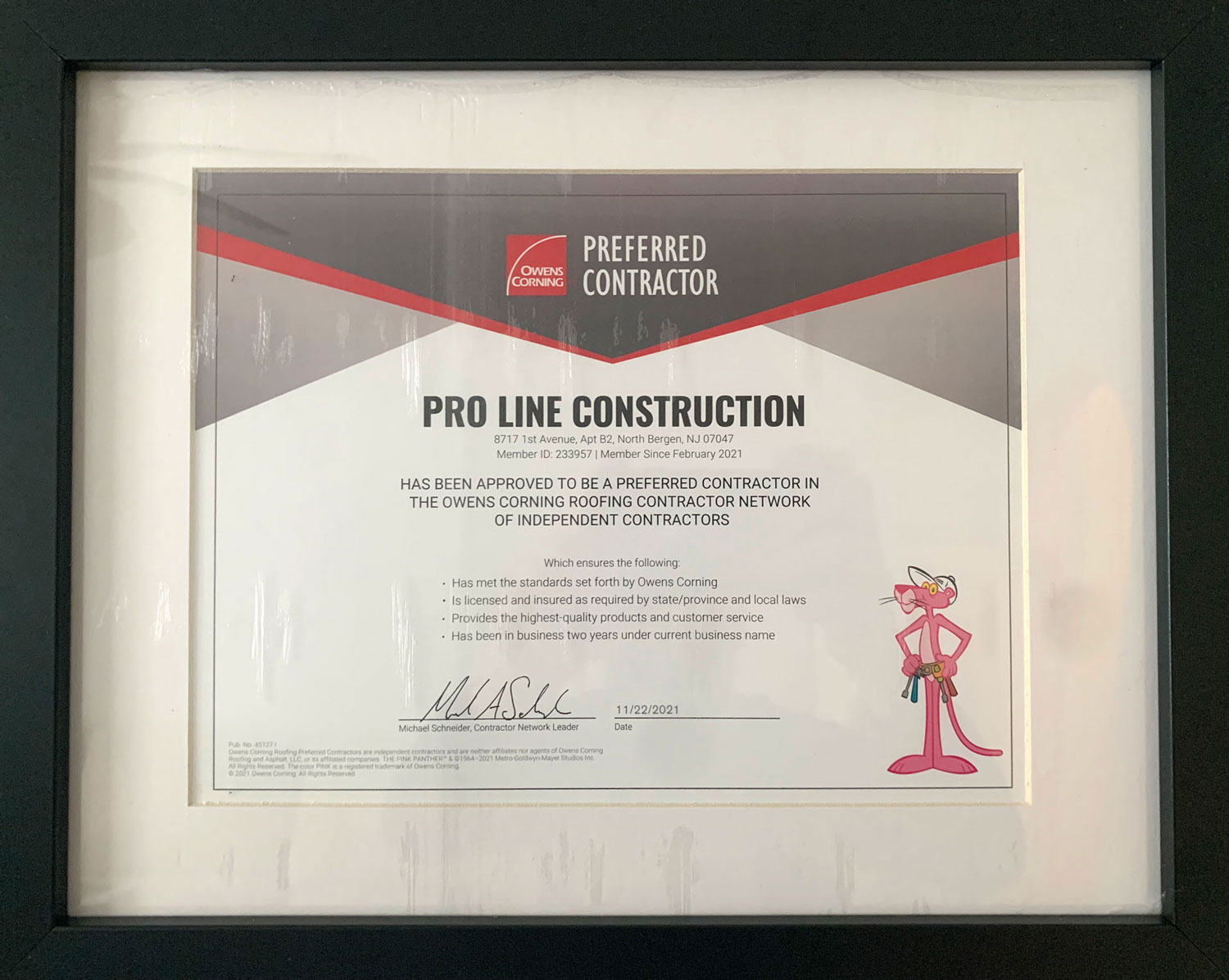
We’ve been working in Dover for over 30 years. We’re licensed in New Jersey (License #13VH12693500), insured, and we’ve built enough patios in this town to know exactly how the soil behaves and where water goes when it rains.
You’ll work with the same crew from start to finish. No subcontractors showing up halfway through who don’t know what the first guy did. We manage every part of the job because that’s how you get a finished product that actually matches what we talked about during your estimate.
Our pricing is transparent. No hidden fees, no surprise charges when we hit “unexpected” conditions that any experienced contractor should’ve anticipated. You’ll know what you’re paying before we break ground.

First, we meet at your property. You show us the space, we talk about how you want to use it, and we measure everything. We’ll discuss material options—Cambridge pavers are popular here because they hold up and come in styles that don’t look dated in five years.
Next comes excavation. We dig down far enough to build a proper base (usually 6-8 inches of compacted stone), because that’s what prevents settling. We slope everything away from your house so water drains where it should. Then we lay the pavers in your chosen pattern, cut edges to fit, and lock everything in place with polymeric sand that won’t wash out.
Most patio projects take two to three weeks depending on size and weather. We’ll give you a realistic timeline upfront. When we’re done, you’ll have a space that’s ready to use—no curing time, no waiting for concrete to set. Just a finished patio that looks like it’s been there forever.

Ready to get started?
Every patio we build includes proper excavation, a compacted stone base, landscape fabric to prevent weed growth, and edge restraint to keep pavers from spreading. We use polymeric sand in the joints because it resists insects and weeds better than regular sand and doesn’t wash out during Dover’s heavy spring rains.
You’ll choose from Cambridge or Techo-Bloc pavers—both are manufactured to handle freeze-thaw cycles without cracking. Colors and patterns are up to you, but we’ll tell you honestly which styles hold up best and which ones show every leaf stain. Most Dover homeowners go with earth tones that complement their existing landscaping and don’t clash with their home’s exterior.
We can integrate your patio with other hardscaping—retaining walls if your yard slopes, steps if you need elevation changes, or a fire pit area if that’s part of your plan. The average patio we build in Dover runs 300-500 square feet, which gives you enough room to actually use the space without feeling cramped. Smaller patios work for tight yards, larger ones make sense if you entertain regularly.

For a typical 400 square foot patio in Dover, you’re looking at $3,200 to $6,000 depending on the pavers you choose and site conditions. That includes excavation, base materials, installation, and cleanup.
Cambridge pavers cost more than basic concrete pavers, but they last longer and come with better warranties. If your yard has drainage issues or needs significant grading work, that adds to the cost. We’ll tell you exactly what’s needed during the estimate so there’s no guessing.
Paver patios typically return about 80% of their cost when you sell your home, compared to 60-70% for concrete. They also won’t raise your property taxes the way a permanent concrete structure might. You’re investing in something that adds value and actually gets used.
A properly installed paver patio should last 25-30 years in Dover’s climate. The pavers themselves are rated for much longer, but you might need to re-sand joints or replace a few individual pavers over time.
The key is installation quality. If the base isn’t deep enough or properly compacted, you’ll see settling and shifting within a few years. If drainage isn’t addressed, water pools and accelerates wear. We dig down to stable soil, build a 6-8 inch compacted base, and slope everything correctly so water moves away from your foundation.
Concrete patios crack within 5-10 years here because they can’t flex with ground movement. When a paver shifts, you lift it, add base material, and reset it. When concrete cracks, you’re looking at replacement or living with an eyesore.
Pavers are individual pieces that move independently, so they handle ground movement without cracking. Concrete is one solid slab that cracks when the ground shifts—and in Dover, the ground shifts.
Pavers also drain better. Water runs between the joints instead of pooling on the surface. That matters during heavy rain and when snow melts. Concrete patios often develop low spots where water sits, which accelerates deterioration.
Maintenance is easier with pavers too. Stain one section? Replace those pavers. Crack in concrete? You’re either living with it or replacing the whole thing. Pavers also don’t need the curing time concrete does—your patio is usable immediately after installation.
Sometimes, but it depends on the condition of your concrete and how it’s draining. If the concrete is level, structurally sound, and draining properly, we can install pavers over it. If it’s cracked, settling, or holding water, we need to remove it and start fresh.
Installing over concrete saves on excavation costs, but it raises the finished height of your patio. That can create issues with door thresholds or make the step down into your yard awkward. We’ll evaluate your specific situation and tell you honestly whether an overlay makes sense or if removal is the better option.
Most of the time, if your concrete is bad enough that you’re considering covering it, it’s bad enough that it needs to come out. A failing concrete base will cause problems for pavers installed on top of it.
Sweep it occasionally and rinse it with a hose when it gets dirty. That’s about it for regular maintenance. Once a year, check the joint sand and add more if it’s washed out—we use polymeric sand that stays in place better than regular sand, so this doesn’t happen often.
If you notice a paver settling or shifting, address it before it gets worse. Lift the paver, add base material underneath, and reset it. This is a 15-minute fix that prevents bigger problems. You can do it yourself or call us.
Sealing is optional. It enhances color and makes cleanup easier, but it’s not required for durability. Most Dover homeowners seal their patios every 3-5 years. We can handle that, or you can DIY it—the process is straightforward.
Most patios take two to three weeks from start to finish. Smaller patios (under 300 square feet) might be done in a week. Larger or more complex projects can take longer, especially if we’re integrating retaining walls or dealing with significant drainage issues.
Weather affects the timeline. We can’t compact base material properly in heavy rain, and we won’t install pavers if the ground is saturated. Dover’s spring weather can be unpredictable, so we build some buffer into our schedules.
You’ll have access to your yard throughout the project, though the work area will be off-limits. We clean up at the end of each day so you’re not living in a construction zone. When we finish, your patio is immediately usable—no waiting for anything to cure or set.
Other Services we provide in Dover