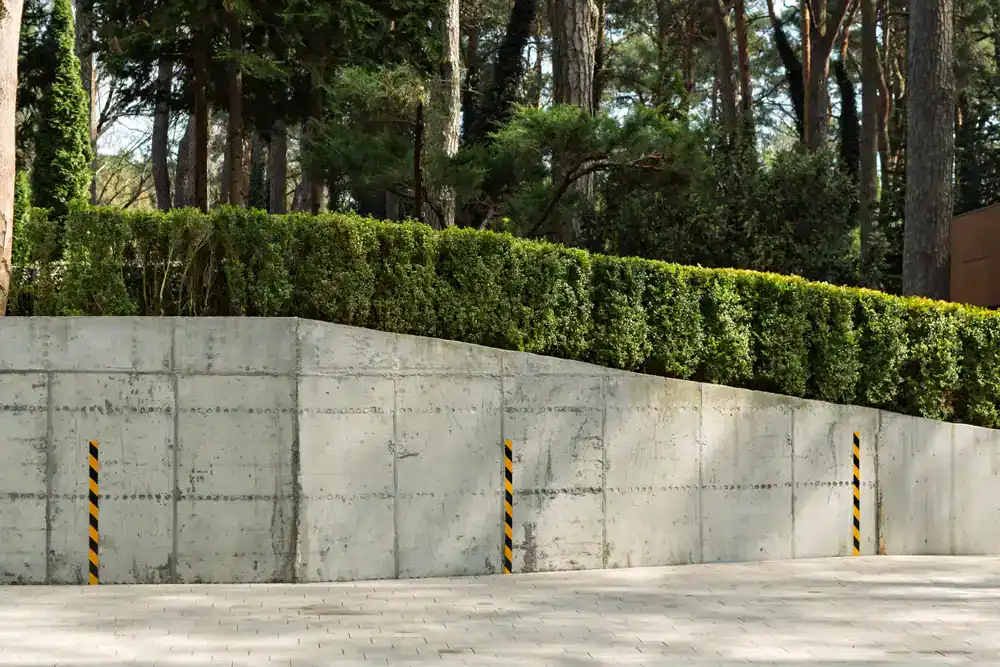
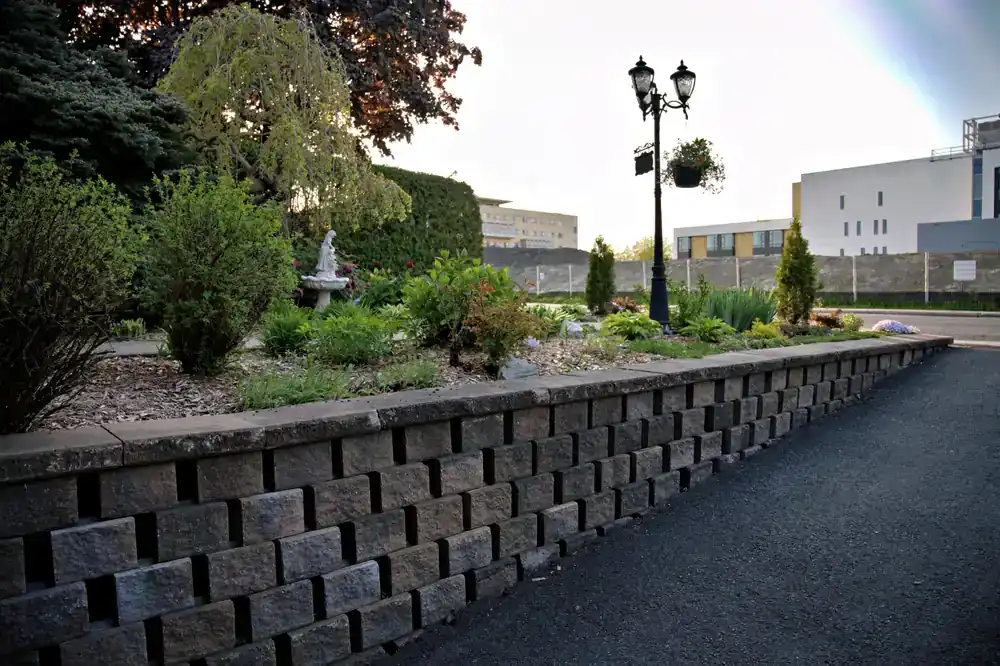
You get your yard back. That slope that’s been eroding every time it rains? Stabilized. The water that’s been pooling near your foundation? Redirected away from your home where it belongs.
A well-built retaining wall creates usable space where you had none before. That awkward hillside becomes a level area for a patio, garden beds, or just a flat spot where your kids can play without sliding downhill. You’re not just holding back soil—you’re reclaiming square footage you’re already paying property taxes on.
And here’s what most people don’t think about until it’s too late: erosion doesn’t just ruin your landscaping. It threatens your foundation. When soil washes away near your home’s base, you’re looking at cracks, settling, and repair bills that make a retaining wall look like pocket change. A concrete retaining wall blocks that problem before it starts.
The right installation also handles drainage properly. Water doesn’t just disappear—it needs somewhere to go. Without proper drainage behind your wall, pressure builds up and the whole thing fails. We’re talking weep holes, gravel backfill, and grading that directs water away from both the wall and your house.
We handle the full scope of exterior work across Dover and the surrounding New Jersey area. We’ve built retaining walls on properties throughout town—from the neighborhoods near Crescent Field to the sloped lots near the Rockaway River.
Dover’s terrain creates specific challenges. The soil composition here, combined with our freeze-thaw cycles, means your retaining wall needs proper materials and installation techniques. We’re not experimenting with your property.
You’ll work directly with people who show up when they say they will, explain what needs to happen and why, and don’t surprise you with charges that weren’t discussed upfront. No hidden fees. No runaround. That’s how we’ve built our reputation here.
First, we come look at your property. We need to see the slope, check the soil, figure out drainage patterns, and understand what’s causing your erosion problem. This isn’t a quote over the phone situation—every yard is different.
Once we know what we’re dealing with, we’ll tell you exactly what type of wall you need and why. Concrete retaining wall blocks work great for most Dover properties because they handle our weather and provide the structural integrity you need. We’ll discuss height, length, materials, and drainage solutions. If your wall needs to be over four feet, we’ll handle the permit requirements and engineering that Essex County requires.
Then we prep the site. That means excavation, creating a level base with proper compaction, and installing the drainage system behind where the wall will go. This foundation work determines whether your wall lasts five years or fifty.
The actual wall construction comes next—setting blocks or pouring concrete, ensuring each course is level and properly secured, backfilling with gravel for drainage, and grading the area so water flows away from both the wall and your home. We don’t leave until the site is clean and you can see exactly what you paid for.
Ready to get started?
Request a callback

You’re getting a complete installation, not just a stack of blocks. That means proper excavation to stable soil, a compacted gravel base that won’t settle, and drainage systems that actually work—perforated pipe, gravel backfill, and weep holes where needed.
Material selection matters in Dover. We use concrete retaining wall blocks that can handle New Jersey’s freeze-thaw cycles without cracking or shifting. These aren’t decorative—they’re engineered for structural integrity. For certain applications, poured concrete makes more sense. We’ll tell you which and why.
The grading work around your wall is just as important as the wall itself. Water needs a path away from your property. We slope the area behind the wall so runoff goes where you want it, not into your basement. This is basic stuff that gets skipped all the time, and it’s why so many retaining walls fail within a few years.
If you’ve got an existing wall that’s failing, we handle repairs too. Sometimes that means rebuilding sections. Sometimes it means adding drainage that was never there. Sometimes the whole thing needs to come down and get done right. We’ll assess what’s actually wrong and tell you the most cost-effective fix—which isn’t always a complete rebuild.
Dover properties near the Rockaway River or other low-lying areas often need extra attention to water management. We’ve worked enough sites here to know where problems typically show up and how to prevent them.
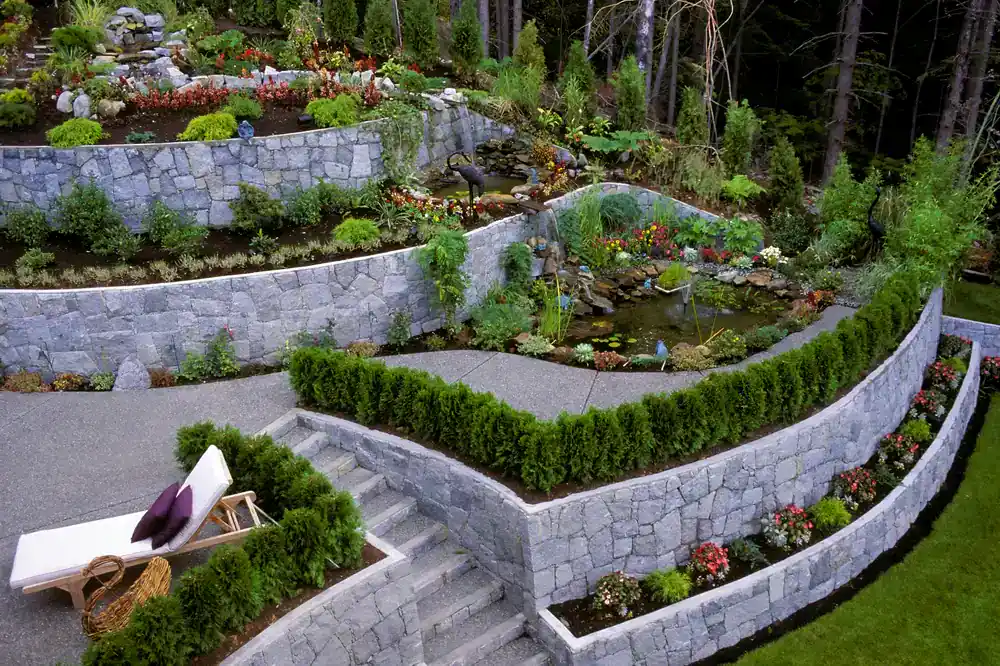
A properly built concrete retaining wall should last 30 to 50 years in Dover, sometimes longer. The lifespan depends almost entirely on three things: the quality of the base preparation, the drainage system behind the wall, and the materials used.
Dover’s climate is tough on retaining walls. We get freeze-thaw cycles that can crack poorly built walls within a few seasons. Water that’s allowed to build up behind the wall creates pressure that pushes blocks out of alignment or causes concrete to fail. That’s why drainage isn’t optional—it’s the difference between a wall that lasts decades and one that needs major repairs in five years.
Concrete retaining wall blocks handle our weather better than most alternatives. They’re designed to interlock and distribute weight properly. Cheap installation with inadequate base prep or no drainage will fail regardless of what materials you use. The wall itself is only as good as what’s underneath and behind it.
In Essex County, which includes Dover, you need a permit for any retaining wall over four feet in height. Walls over a certain height also require engineering calculations to ensure they’re structurally sound, especially on sloped properties.
Even if your wall is under four feet, there are setback requirements and building codes you need to follow. Building without proper permits can create problems when you sell your home—inspectors will flag unpermitted structures, and you’ll be dealing with that headache during closing.
We handle the permit process as part of the job. It’s not complicated, but it does require submitting plans, waiting for approval, and scheduling inspections. Some contractors skip this step to save time or money. That’s a problem you inherit. Do it right from the start and you won’t have to worry about it later.
Water pressure is the number one killer of retaining walls. When water builds up behind the wall with nowhere to go, it creates hydrostatic pressure that pushes the wall forward. Even the strongest concrete blocks can’t hold back that kind of force indefinitely.
Prevention is straightforward: install drainage. That means perforated pipe at the base of the wall, gravel backfill that allows water to flow down to the pipe, and weep holes or drainage channels that let water escape. The area behind the wall should be graded so water flows away from the wall, not toward it.
Poor base preparation is the second biggest cause of failure. If you build on unstable or poorly compacted soil, the wall will settle unevenly and crack. We excavate down to stable soil, create a level base with compacted gravel, and make sure each course of blocks is level before moving to the next. It takes longer. It costs more. It’s the only way to build something that lasts.
Most retaining wall projects in Dover run between $3,000 and $15,000, depending on height, length, materials, and site conditions. A simple 30-foot wall that’s three feet high with standard concrete blocks will cost significantly less than a terraced system on a steep slope that requires extensive excavation and drainage work.
Here’s what affects the price: how much excavation is needed, whether we’re dealing with rock or easy-digging soil, how accessible the site is for equipment, what type of blocks or materials you choose, and how complex the drainage situation is. A wall that needs to retain six feet of soil requires more engineering and heavier materials than a two-foot garden wall.
We don’t give ballpark quotes over the phone because they’re meaningless. Your property has specific conditions that determine what’s required. We’ll come look at your site, explain exactly what needs to happen, and give you a written estimate with no hidden charges. You’ll know what you’re paying for before any work starts.
Sometimes yes, sometimes no. It depends on what’s causing the failure and how far gone the wall is. If a wall is leaning significantly or has major cracks, that usually means the foundation has failed or there’s been water pressure building up behind it for a long time.
Minor cracks in concrete can sometimes be repaired if the wall is otherwise structurally sound. But if blocks are shifting out of place, the wall is bulging, or there’s obvious settling, you’re usually looking at a rebuild of at least that section. Trying to patch a failing wall is throwing money away—the underlying problem will just cause more damage.
When we assess a damaged wall, we’re looking at what caused the failure in the first place. No drainage? Inadequate base? Poor materials? If we can fix the root cause and the wall structure is salvageable, we’ll tell you. If it needs to come down and get rebuilt properly, we’ll tell you that too. You’ll get an honest assessment, not whatever answer makes us the most money.
For most Dover properties, concrete retaining wall blocks are your best option. They’re engineered to handle structural loads, they interlock for stability, and they hold up to New Jersey’s freeze-thaw cycles without cracking. They also come in different styles if aesthetics matter to you.
Poured concrete works well for taller walls or situations where you need maximum strength. It’s more expensive and takes longer because you’re building forms and waiting for concrete to cure, but it creates a monolithic structure that’s incredibly durable when done right.
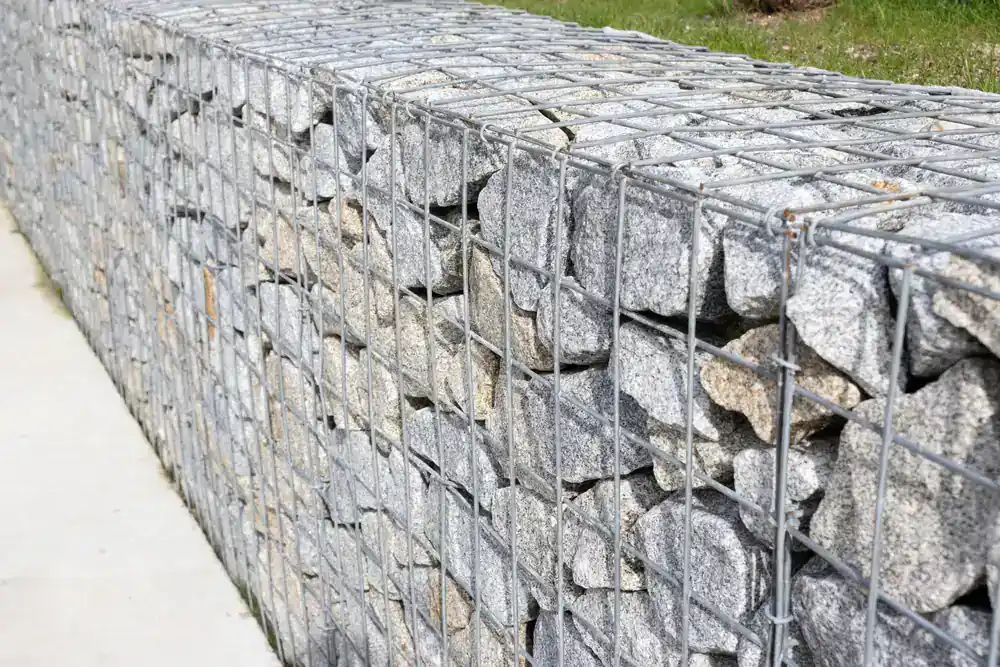
Natural stone looks great but costs significantly more and requires skilled installation. Wood retaining walls are cheaper upfront but rot within 10 to 15 years in our climate—you’ll be replacing them while a concrete wall is still going strong. For the combination of durability, cost-effectiveness, and performance in Dover’s conditions, concrete blocks are hard to beat. We’ll recommend what makes sense for your specific situation and budget.
Other Services we provide in Dover