
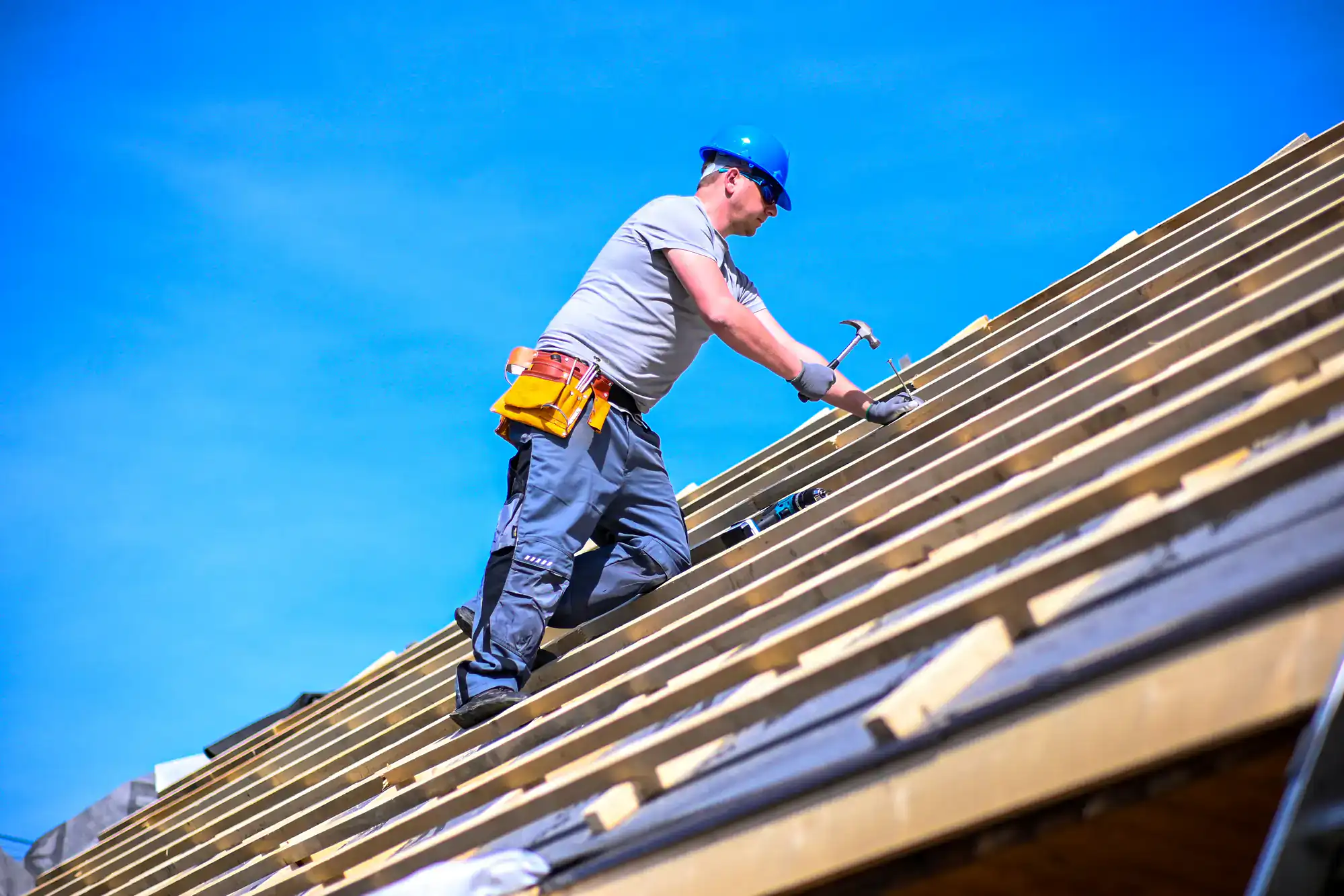
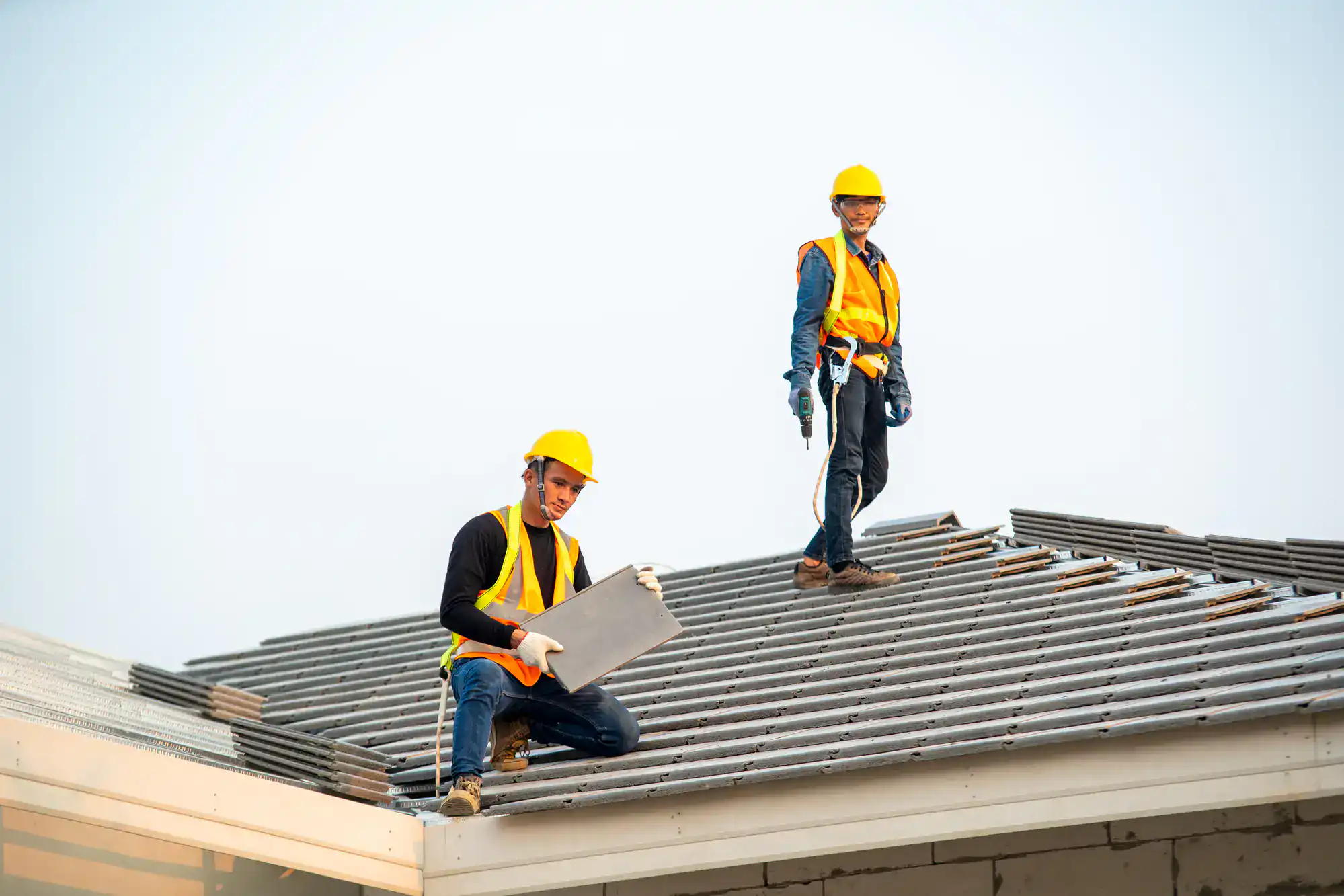
A roof problem in Watsessing rarely stays a roof problem for long. The pre-war and mid-century homes throughout this neighborhood many built before 1940 have board sheathing decking that absorbs water faster than modern plywood. Once moisture gets through, it moves quickly into insulation, drywall, and framing. What starts as a $500 shingle repair can quietly become a $5,000 interior restoration if it’s left alone through one more storm season.
That’s especially true here in Watsessing, where the housing stock is dense, the buildings are older, and the weather doesn’t ease up. Essex County nor’easters push sustained winds of 50 to 70 mph enough to lift tab shingles, pull flashing away from chimney bases, and strip ridge caps off rooflines along Glenwood Avenue or Dodd Street. You’re not dealing with some rare event. This is a regular pattern for homes in this part of Bloomfield.
And if your property has a flat roof which a lot of two-to-four-family homes in Watsessing do you’re dealing with a completely different set of failure points than a pitched shingle roof. Membrane seams separate. Drains clog. Water ponds and works its way in through spots you’d never spot from the ground. Getting that diagnosed and fixed correctly takes someone who actually understands flat roofing systems, not just shingles.
We’re a family-owned general contracting company based in northern New Jersey, serving homeowners and landlords across Essex County since 2018. NJ Division of Consumer Affairs license #13VH09838700, BBB Accredited, and GAF Preferred Contractor certified these aren’t just credentials to list. They’re the reason you can verify who you’re hiring before anyone sets foot on your roof.
That matters in Watsessing. After every major storm, contractors with out-of-state phone numbers show up in Bloomfield neighborhoods, collect deposits, and disappear before the work holds up. We’re locally based, personally accountable, and back every job with a full warranty. The owner is named in dozens of reviews not a call center, not a franchise operator.
Whether you own a single-family home near Watsessing Park or manage a rental property along Watsessing Avenue, you get honest communication, upfront pricing with no hidden charges, and a free consultation to understand what your roof actually needs before you spend a dollar.
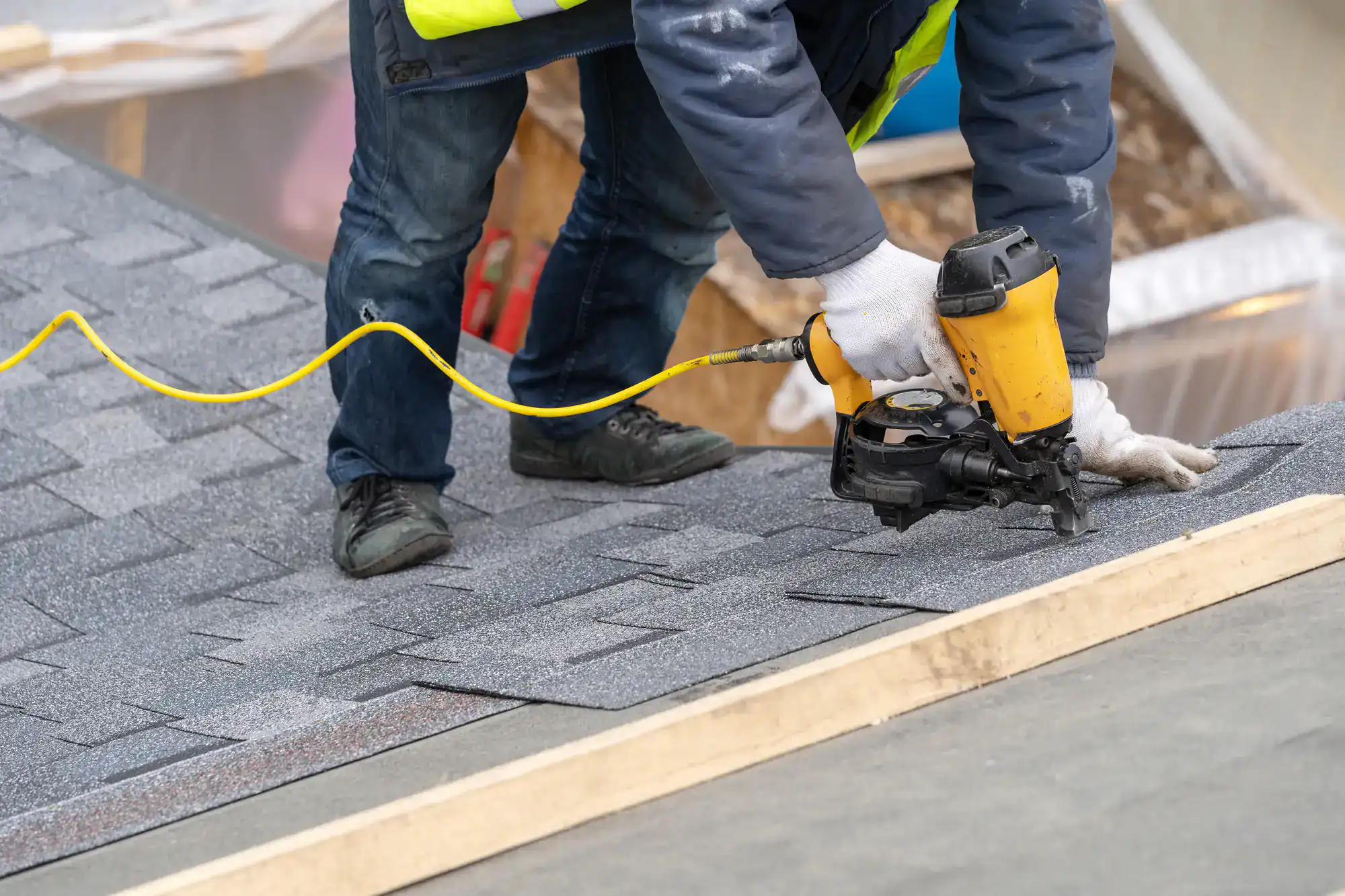
It starts with a call or a text. You describe what you’re seeing a stain on the ceiling, a shingle in the yard, water coming through after last night’s rain and we get eyes on it fast. If there’s an active leak or storm damage, emergency roof tarping goes up first to stop the water intrusion immediately. That step alone is what prevents a manageable repair from turning into a gut job.
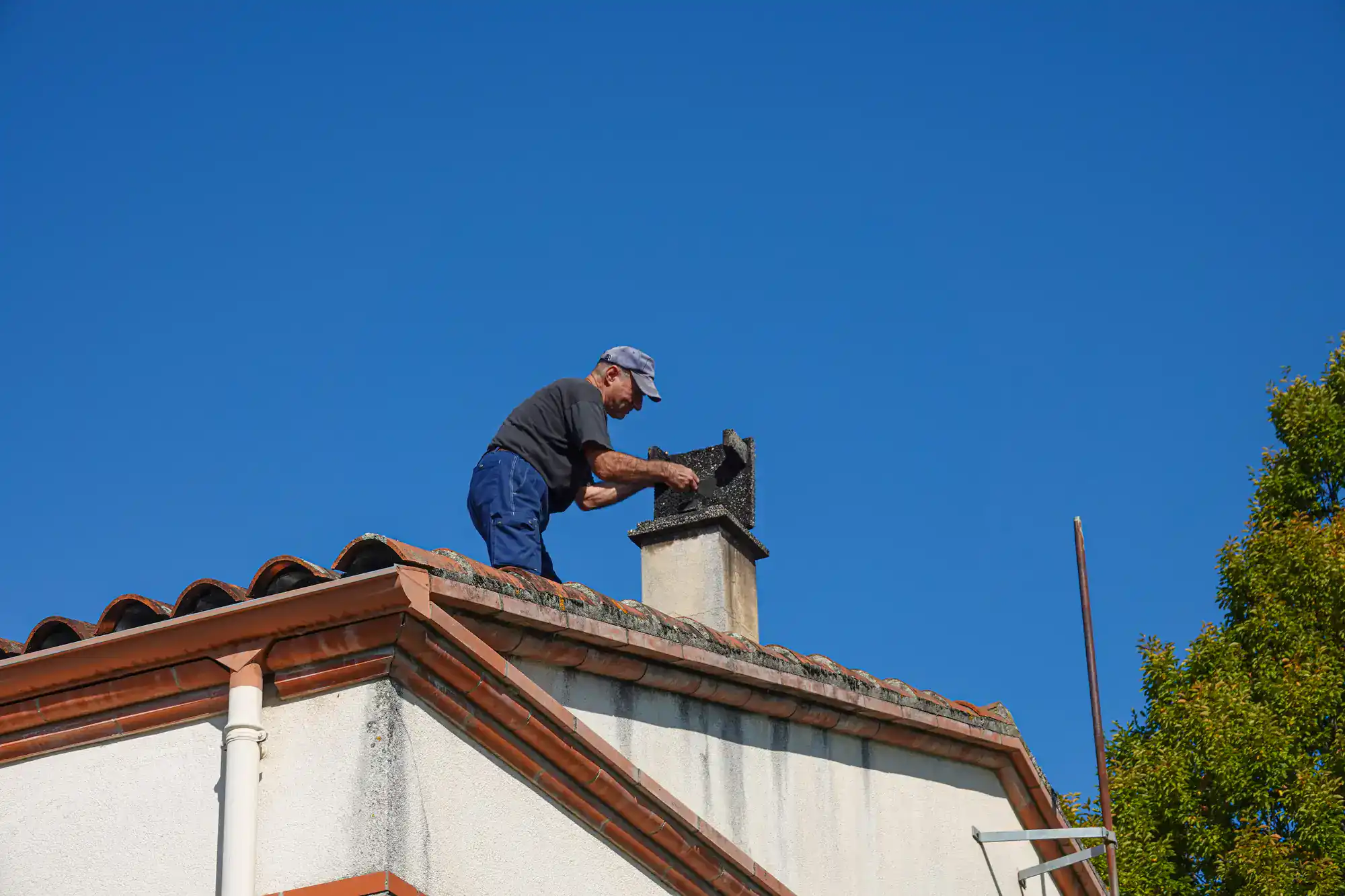
Once the roof is stabilized, a full inspection follows. This is where experience with Watsessing’s housing stock matters. A lot of leaks in older Bloomfield homes don’t start at the shingles they originate at chimney flashings, where a flat roof extension meets a pitched section, or at deteriorated skylight seals. Because we handle roofing, chimney, and masonry, the actual source gets identified and fixed in a single visit instead of getting patched while the real problem keeps going.
From there, you get a clear, written estimate with no surprise line items added later. If the job requires a permit which full replacements and significant structural repairs do under Bloomfield Township’s building code we handle that through the Township Department of Inspections before work begins. When the job is done, it’s backed by a full warranty. No chasing anyone down if something comes up later.
Ready to get started?
Request a callback

Watsessing isn’t a one-roof-type neighborhood. You’ve got pitched asphalt shingle roofs on single-family homes, flat and low-slope roofs on two-to-four-family buildings, and mixed configurations where a flat rear extension meets a pitched main roof a setup that creates its own unique leak points. We handle all of it: shingle repair, missing shingle replacement, roof leak patching, flat roof repair across EPDM and modified bitumen systems, storm damage repair, and emergency tarping when you need something done tonight.
For landlords managing rental units in Watsessing, there’s an added layer here. A leaking roof isn’t just a maintenance issue it’s a habitability issue, and Bloomfield Township code enforcement takes that seriously. We provide written documentation, permits where required, and warranty-backed repairs that hold up if a tenant or inspector asks questions down the road.
As a GAF Preferred Contractor, we can install GAF materials with enhanced System Plus Limited Warranty coverage something uncertified roofers simply can’t offer. If you’re replacing storm-damaged shingles on a pre-war Bloomfield home, that warranty backing is the difference between a repair that lasts five years and one that lasts twenty. The consultation is free, the pricing is upfront, and the work is done by people who stand behind it.
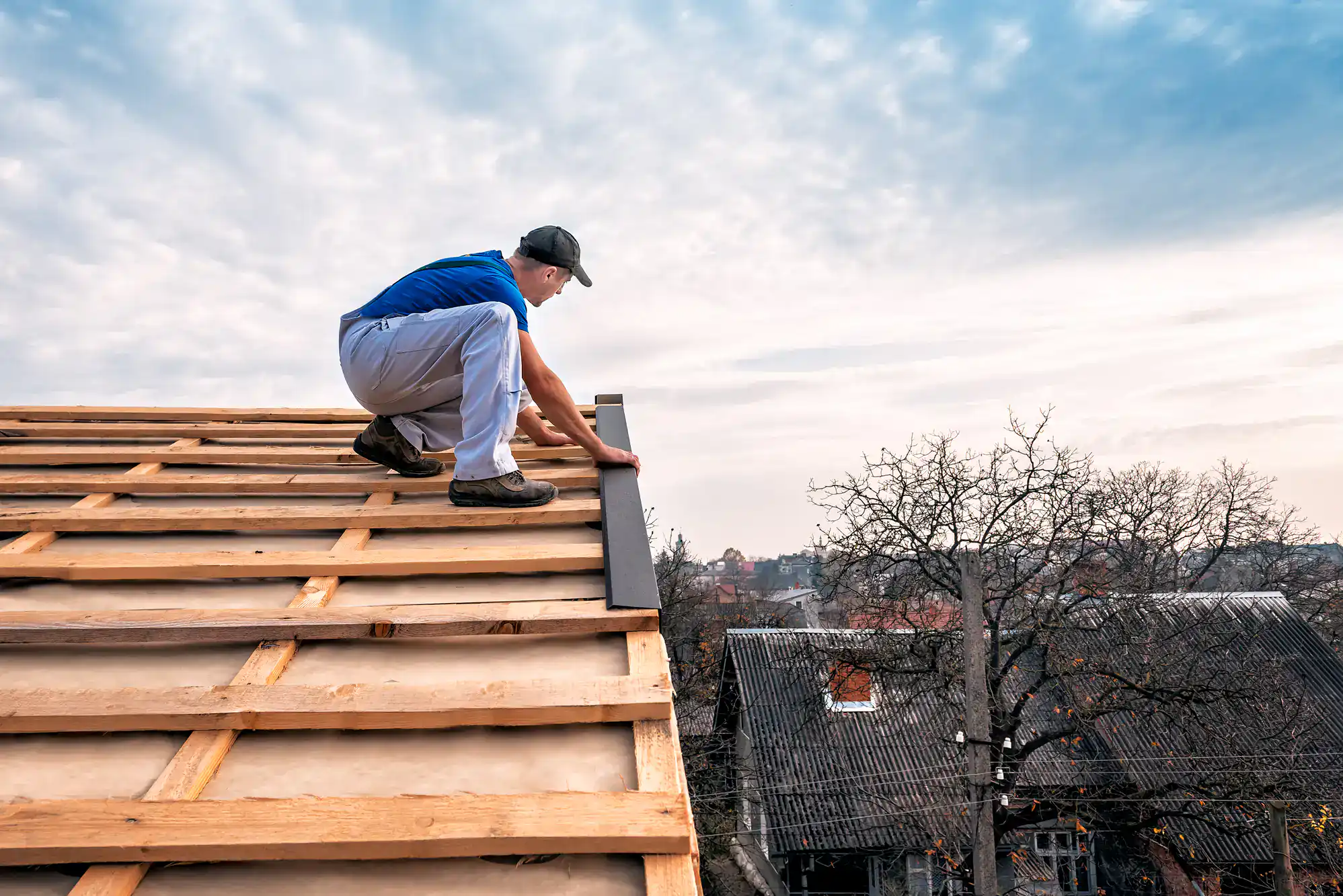
This is one of the most common questions homeowners in Watsessing ask and honestly, it’s a fair one given how old a lot of the housing stock is here. The general rule is that if the damage is localized a few missing shingles, a failed flashing, a small leak around a chimney or vent repair is almost always the right move. Full replacement becomes the conversation when the shingles are at the end of their service life across the whole roof, when the decking underneath is rotting or compromised, or when you’ve had the same leak repaired multiple times and it keeps coming back.
For pre-war homes in the Watsessing and Watsessing Park areas, the honest answer sometimes requires getting up there and looking at the decking condition. Original board sheathing that’s been through 80-plus years of freeze-thaw cycles and multiple shingle installations can be soft in spots you’d never know about from the ground. A proper inspection tells you what you’re actually working with and a free consultation means you get that answer without any financial pressure attached to it.
They’re completely different systems with different failure modes, and that’s worth understanding before you hire anyone. Asphalt shingle roofs fail at the surface shingles crack, granules wear off, tabs lift in wind, and flashing separates at penetrations. Repairs are usually localized: replace the damaged shingles, reseal or replace the flashing, and you’re done.
Flat roofs which are common on two-to-four-family homes and mixed-use buildings throughout Watsessing fail differently. EPDM and modified bitumen membranes develop seam separations, surface cracks from UV exposure, and punctures that aren’t always visible from a casual walkover. Ponding water is the big one: if your flat roof isn’t draining properly, that standing water works its way in through the smallest imperfection. Repairs involve cleaning and prepping the membrane, applying the right patching material for the system type, and addressing the drainage issue if that’s what’s driving the problem. A roofer who only works on pitched shingle roofs doesn’t have the materials or the process knowledge to do this correctly and a mismatched patch on a flat roof membrane will fail faster than the original problem.
Speed matters after a storm, and the honest answer is that response time depends on how widespread the damage is. After a significant nor’easter hits Essex County, every roofer in the area is fielding calls at the same time. What separates us from the generic landing-page contractors that show up in search results after a storm is that we’re locally based in northern New Jersey not routing calls through an out-of-state call center.
If you have an active leak or visible structural damage, emergency roof tarping is the priority. That stops the water intrusion immediately while a full repair is assessed and scheduled. For non-emergency inspections following storm damage which you’ll need documented anyway if you’re filing an insurance claim we work to get out quickly and provide the written documentation that insurance adjusters require. The free consultation applies here too, so getting an assessment doesn’t cost you anything upfront.
It depends on the scope of the work. Minor repairs patching a few shingles, resealing flashing, spot repairs to a flat roof membrane generally don’t require a permit. But full roof replacements and any work that involves replacing roof decking, installing new underlayment across the whole roof, or making structural changes absolutely require a building permit from the Bloomfield Township Department of Inspections. Under New Jersey’s Uniform Construction Code, no permitted work can begin until the Construction Official has issued the permit.
This matters more than a lot of homeowners realize. If you hire an unregistered contractor who skips the permit process and something goes wrong or you go to sell the house and an inspector finds unpermitted work you’re the one who bears the liability. We’re registered with the NJ Division of Consumer Affairs (license #13VH09838700), pull permits where required, and handle that process as part of the job. You don’t have to navigate Bloomfield Township’s building department on your own.
This is more common than you’d think, especially in older homes. Water is deceptive it enters at one point and travels along rafters, decking, or insulation before it shows up as a stain on your ceiling, sometimes several feet away from the actual entry point. In Watsessing’s pre-war housing stock, the most common hidden sources are chimney flashings that have failed at the base or step joints, the junction between a flat rear roof and the pitched main roof, deteriorated pipe boot seals around plumbing vents, and valley flashing that’s corroded or lifted.
The reason a lot of these leaks get misdiagnosed is that contractors who only do roofing look at the shingles first. If the shingles look okay, they sometimes miss what’s actually happening at the chimney or the flat-to-pitched transition. Because we handle roofing, chimney, and masonry together, the inspection covers all of those intersections in a single visit. The source gets identified and fixed not just the symptom that’s visible from inside the house.
Fall is the best window for this, and it’s worth taking seriously in a neighborhood with housing stock as old as Watsessing’s. Before temperatures drop below 40°F the threshold below which asphalt shingle adhesive won’t bond properly you want any damaged or missing shingles replaced, all flashing inspected and resealed, and gutters cleared so water has a clean path off the roof. Clogged gutters in winter are one of the primary causes of ice dams, which force water back up under shingles and into the home.
For flat-roofed buildings, fall is also the time to inspect the membrane for any developing cracks or seam issues and to make sure roof drains are completely clear. A drain that’s partially blocked going into winter will cause ponding and accelerate membrane failure through the freeze-thaw cycle. We offer free consultations, so getting a pre-winter assessment costs you nothing and gives you a clear picture of what, if anything, needs attention before the nor’easter season starts. Catching a $400 flashing problem in October is a lot better than dealing with a $4,000 water damage situation in January.
Other Services we provide in Watsessing