
A deck is one of the few home improvements that pays you back. According to Remodeling Magazine’s 2024 Cost vs. Value Report, wood decks recoup around 83% of their cost at resale and in a market like South Orange Village, where the average home is valued near $880,000 and annual property taxes run over $22,000, every exterior decision carries real financial weight. A well-built deck doesn’t just add square footage it adds documented value to an already significant investment.
South Orange Village has a housing stock unlike most of northern New Jersey. Homes in the Montrose Park Historic District, West Montrose, and throughout the village were built between the 1870s and 1930s Victorians, Colonial Revivals, Craftsman bungalows and most weren’t designed with modern outdoor living in mind. That means a lot of homeowners here are either replacing aging rear decks that have outlived their structure, or building something new on a home that’s never had usable outdoor space. Either way, the work needs to be done right the first time.
The Watchung Mountain terrain in South Orange Village’s western neighborhoods adds another layer to this. Hillside lots in the South Mountain area require deeper footings, more deliberate framing, and real drainage planning not just a standard platform bolted to the back of a house. New Jersey’s frost line in Essex County sits around 36 inches, and elevated, exposed properties near the Watchungs can push that demand even further. When you’re working with a licensed general contractor who also handles roofing and masonry, we’re looking at the full picture not just the deck in isolation.
Proline Construction is a family-owned general contracting company based in northern New Jersey, serving South Orange Village and Essex County homeowners since 2018. We’re BBB Accredited and hold GAF Preferred Contractor status two third-party credentials that most deck contractors in this area simply don’t carry. Every project comes with a full written warranty on workmanship, and every quote is free, detailed, and in writing before any work begins.
Tony, our owner, is personally involved in the jobs not just the sales calls. Customers across South Orange Village and northern New Jersey have called him out by name in reviews for showing up on time, communicating clearly, and delivering exactly what was quoted. For South Orange Village homeowners who commute into the city and don’t have time to babysit a contractor, that kind of accountability isn’t a bonus it’s the baseline expectation, and it’s exactly what we bring.
From the Victorian-lined streets of the Montrose Park Historic District to the hillside lots near South Mountain, we have the range to handle what your specific property actually requires structurally, aesthetically, and by the book.
It starts with a free consultation. We come out, look at your property, understand what you’re working with the slope of your yard, the style of your home, whether you’re replacing an existing structure or building from scratch and give you a written quote that itemizes everything: materials, labor, permit fees, and timeline. No verbal ballparks. No “we’ll figure it out as we go.”
Once you’re ready to move forward, we handle the permit process with South Orange Village’s Building Department from start to finish. That includes plan submission, the Village’s required 20-business-day review period, and scheduling all required inspections through the construction inspection line. For homeowners in the Montrose Park Historic District or on properties near the NJ Transit right-of-way where setback and boundary requirements can get complicated, having a licensed contractor manage that process matters. You shouldn’t have to spend your lunch break navigating municipal paperwork.
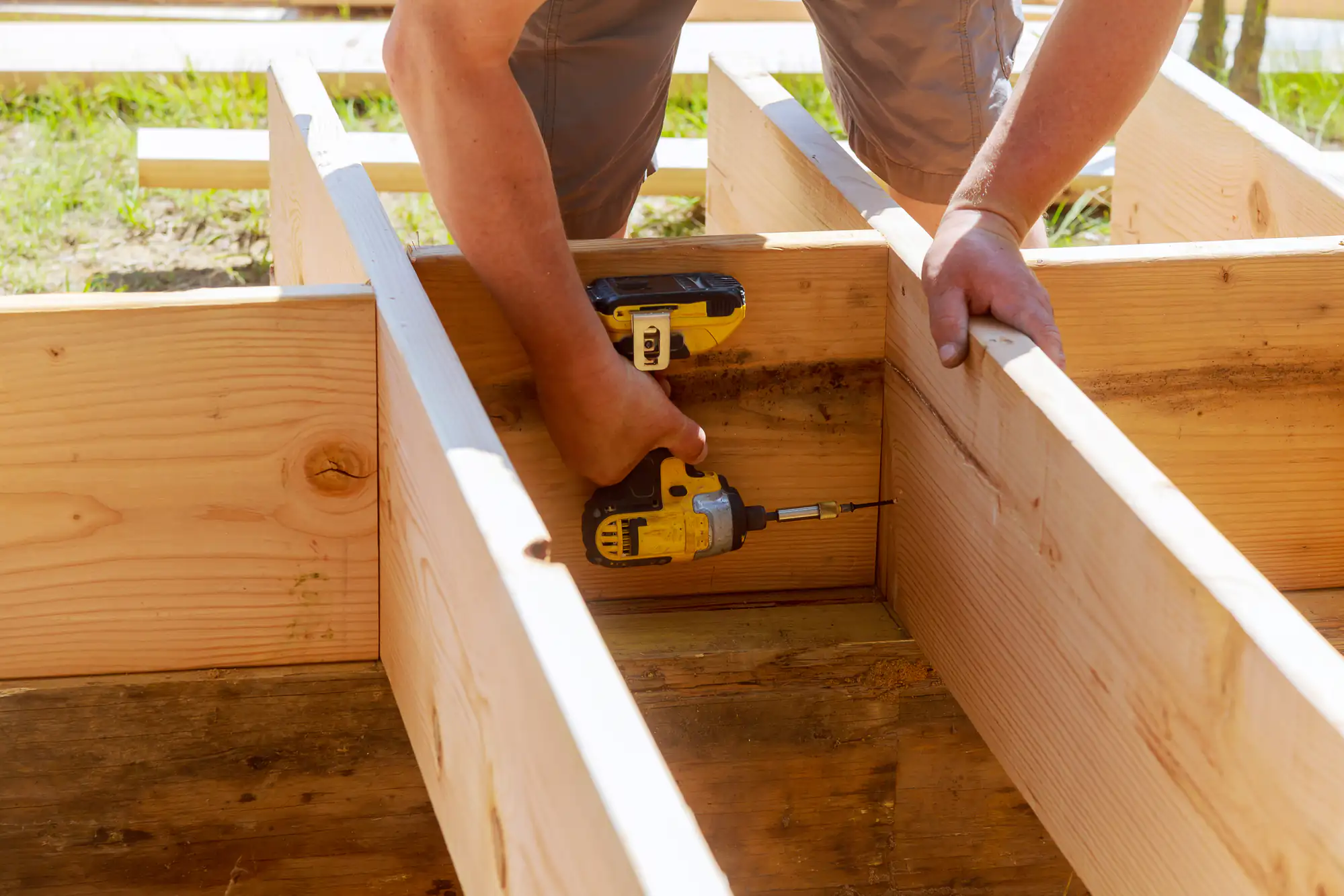
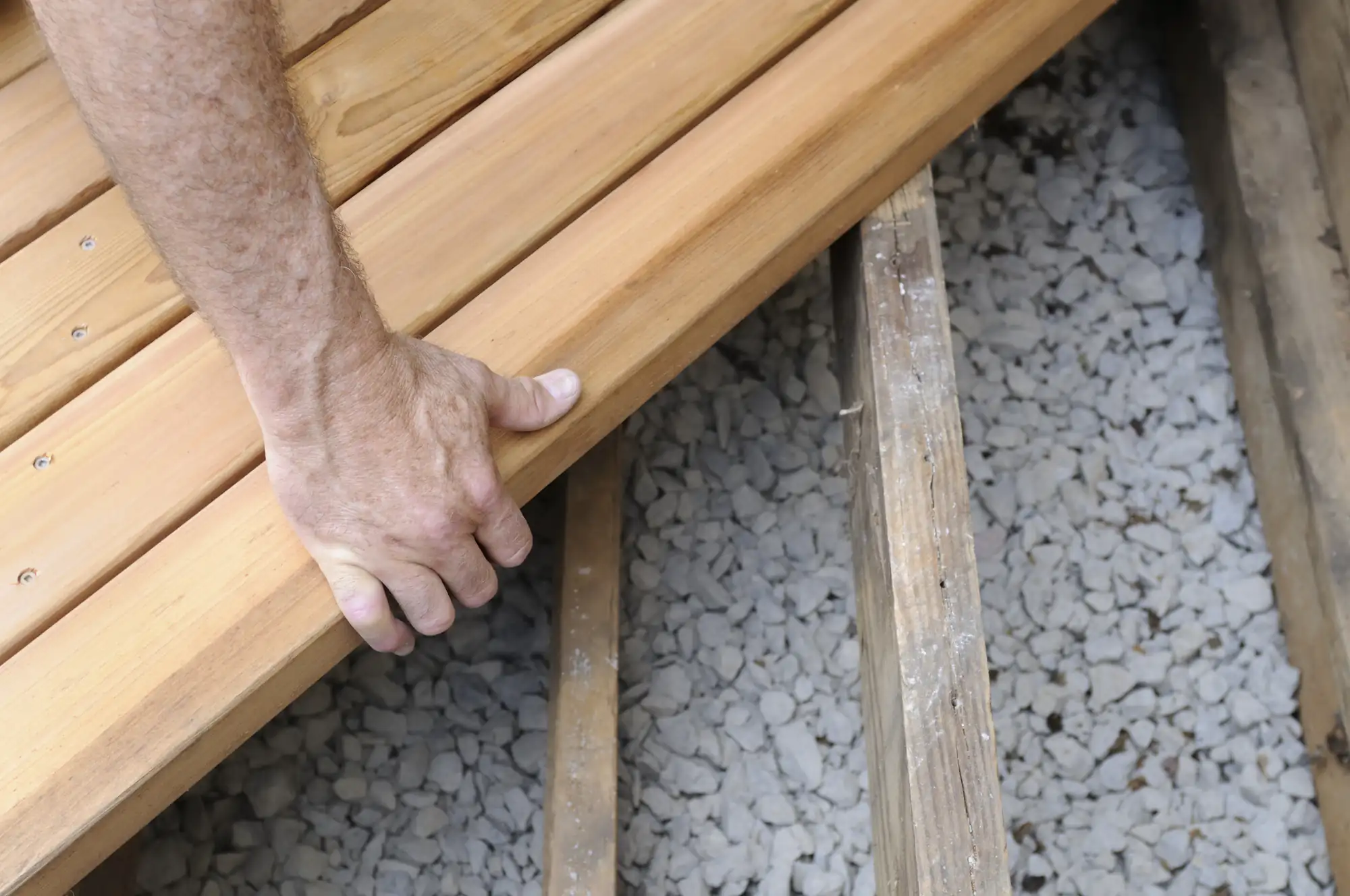
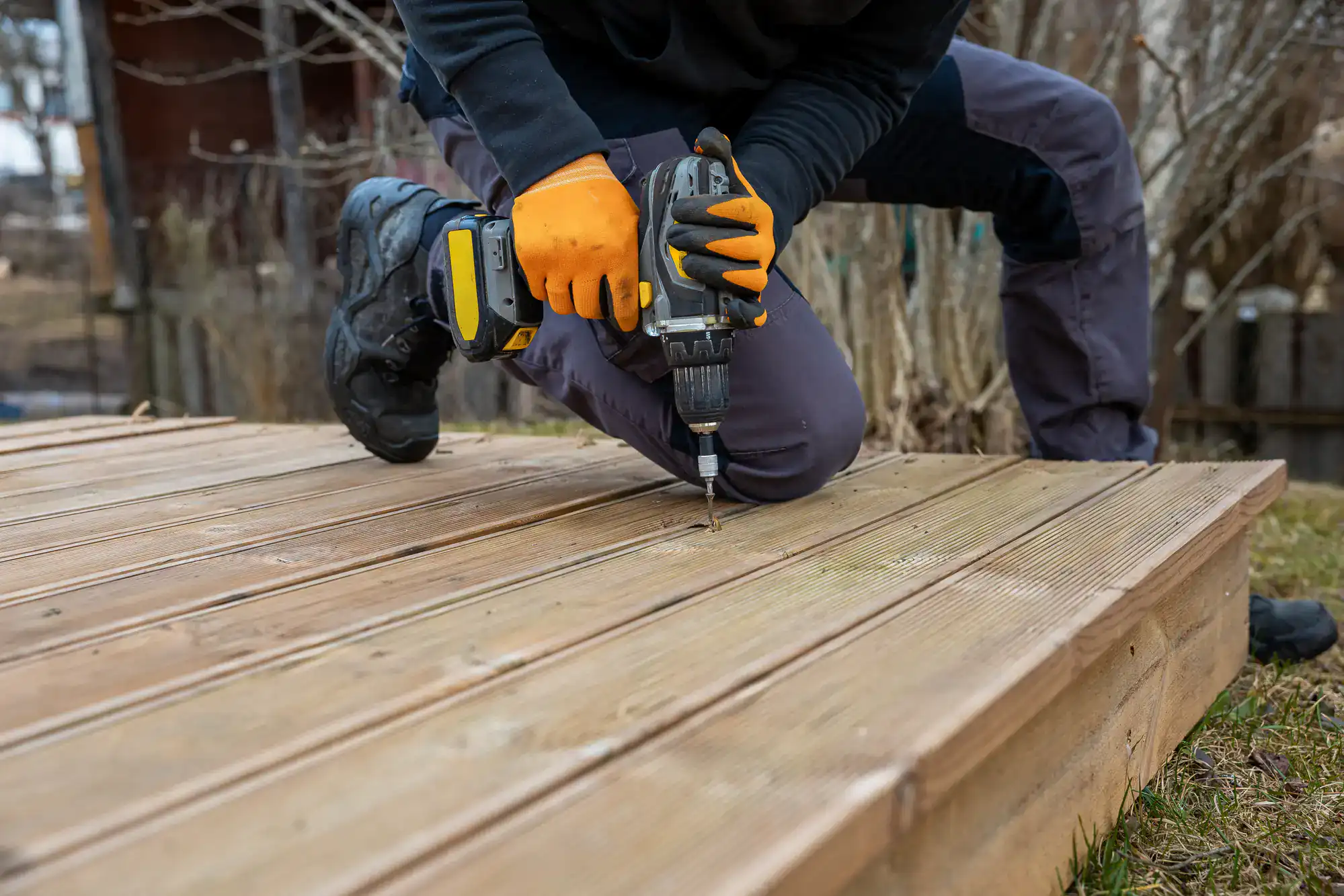
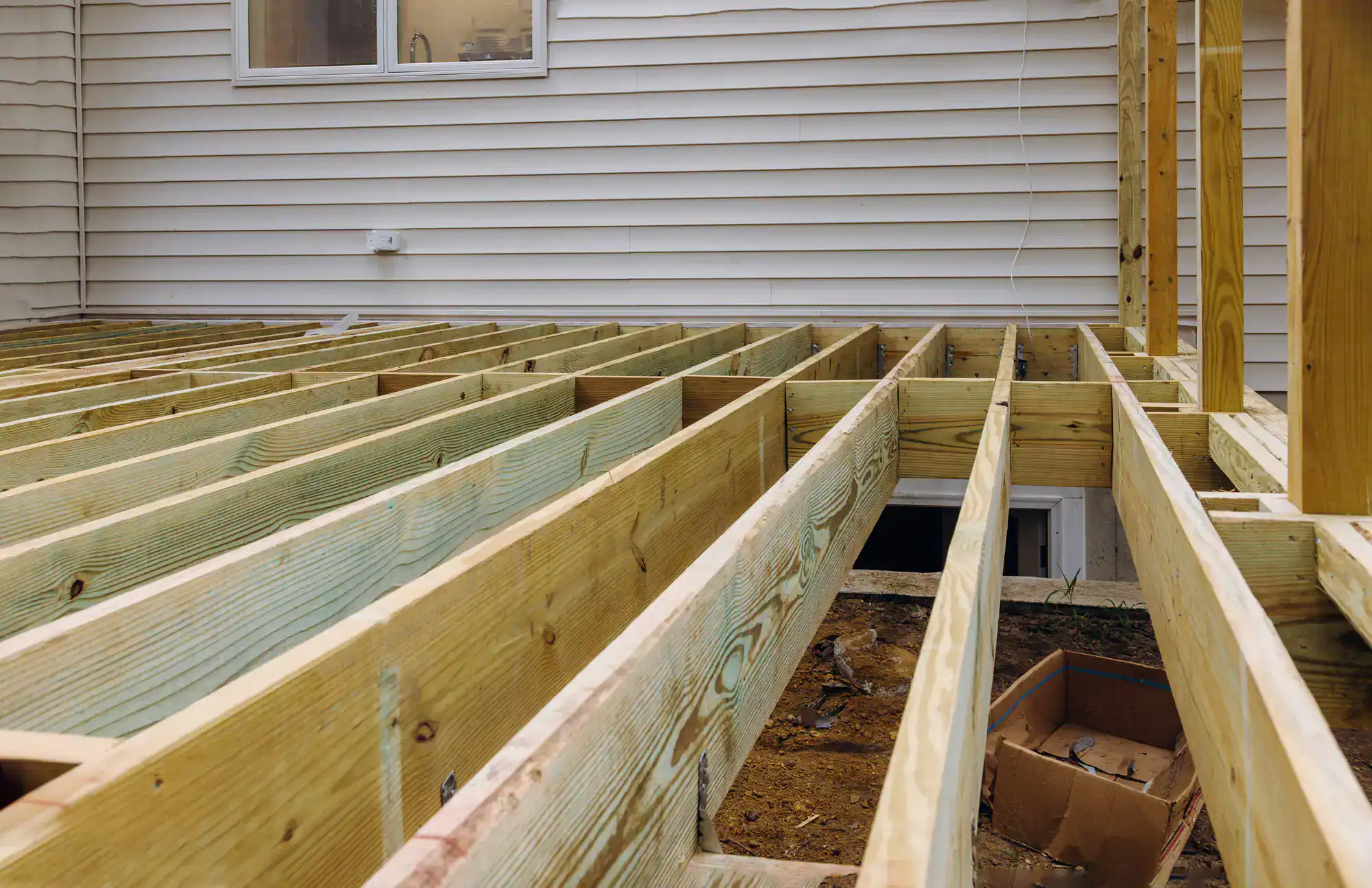
Construction follows a clear sequence footings first, set well below Essex County’s frost line to prevent heave and settling, then framing, decking, railings, and finishing details. Throughout the build, you’ll hear from us directly calls, texts, on-site updates, whatever works for you. When the job is done, it’s inspected, documented, and backed by a written warranty. That’s the whole process, laid out plainly.
Ready to get started?
Request a callback

Composite decking now accounts for more than half of all new deck projects nationally, and for good reason low maintenance, long lifespan, and a clean finish that holds up well in New Jersey’s freeze-thaw climate. In South Orange Village, where homeowners have both the budget and the design expectations to match, composite is often the right conversation to have. A standard composite deck in NJ runs roughly $15,000–$20,000 for a 12×16 foot build, and full custom projects with multi-level layouts, built-in seating, or premium railing systems can reach $25,000–$35,000 depending on scope.
That said, composite isn’t the right answer for every home or every situation. For a Victorian in the Montrose Park Historic District where wood grain aesthetics are part of the architectural story, or for a homeowner with a five-year horizon who wants to maximize resale ROI, pressure-treated wood which runs closer to $9,000–$13,000 for a comparable build may be the smarter choice. Wood decks recoup a higher percentage of their cost at resale than composite, and when properly maintained, they hold up well in this climate.
We build both. What you’ll get in either case is a deck designed around your home’s specific style, your yard’s actual conditions, and the structural demands of your property not a one-size-fits-all platform that happens to be in your backyard.
Yes all deck construction in South Orange Village requires a building permit from the Village’s Building Department. This includes new builds, full replacements, and in many cases, significant structural repairs. Once your permit application and plans are submitted, the Village is required by New Jersey state code to complete its review within 20 business days and notify you of approval or denial. During construction, you’re required to keep the permit placard posted on-site and have your approved plans available at the job site throughout the build.
We handle this entire process for South Orange Village homeowners from plan preparation and application submission to scheduling all required inspections through the Village’s construction inspection line. For properties in or near the Montrose Park Historic District, where lot boundaries and setback requirements can add complexity, having a licensed contractor manage the permitting process from day one is the difference between a smooth project and one that stalls before a single board goes down.
The honest answer is that it depends on size, material, and the specific conditions of your property. For a standard 12×16 foot pressure-treated wood deck in New Jersey, you’re typically looking at $9,000–$13,000 installed. A comparable composite deck runs $15,000–$20,000. Full custom projects multi-level layouts, built-in features, premium railings can reach $25,000–$35,000 or more depending on scope. NJ labor rates run higher than the national average, and permit fees in Essex County municipalities typically add $500–$1,500 to the overall project cost.
In South Orange Village specifically, the age and style of your home can also affect cost. Older homes particularly those built in the Victorian and Colonial Revival era common throughout the Montrose Park Historic District and West Montrose sometimes require additional assessment of the ledger board connection point or foundation conditions before framing begins. We provide a free, itemized written quote that accounts for all of this upfront, so you know exactly what you’re investing before any work starts.
Composite decking is made from a blend of wood fiber and plastic, which means it doesn’t rot, splinter, or need annual staining the way pressure-treated wood does. In New Jersey’s climate hot, humid summers followed by hard freeze-thaw cycles through winter that low-maintenance profile is genuinely appealing. Composite typically carries a longer manufacturer warranty and holds its appearance well over time without the upkeep. The tradeoff is upfront cost, which runs roughly 50–70% higher than pressure-treated wood for a comparable build.
Pressure-treated wood, on the other hand, has a few real advantages that often get overlooked. It recouped approximately 83% of its cost at resale in Remodeling Magazine’s 2024 data higher than composite’s 68%. For homeowners in South Orange Village’s historic neighborhoods, where wood grain and traditional aesthetics matter to the character of the home, a well-maintained wood deck can actually be the more architecturally appropriate choice. We’ll walk you through both options honestly and help you choose based on your home, your timeline, and your goals not based on which one costs more.
Spring and fall are generally the best windows for deck construction in South Orange Village. Spring brings peak demand contractors book up fast once the weather turns, and homeowners who wait until April or May often find themselves looking at a six-to-eight-week backlog before work can even start. If you’re planning a spring build, reaching out in late winter gives you the best chance of getting on the schedule without delays.
Fall is actually an underrated time to build. Moderate temperatures and lower humidity make for ideal conditions when it comes to concrete footing curing and wood treatment both of which perform better when they’re not fighting summer heat or humidity. For properties in the South Mountain neighborhood or the elevated western sections of South Orange Village, where frost arrives a bit earlier than in the lower-elevation parts of the township, fall timing also gives footings the best chance to fully cure before the ground freezes. Homeowners who engage a contractor in September or October are often first in queue for the following spring if weather delays push the timeline and they go into the new season without scrambling.
In Essex County, New Jersey, deck footings are required to extend below the frost line which sits at approximately 36 inches. This is a structural code requirement, not a suggestion, and it exists to prevent frost heave: the shifting and lifting that happens when water in the soil freezes and expands during winter. A footing that doesn’t reach below the frost line will move with the ground, and over time that movement causes decking boards to warp, railings to pull away from posts, and structural connections to loosen.
For properties in South Orange Village’s elevated western neighborhoods particularly around the South Mountain area near South Mountain Reservation wind exposure and earlier frost conditions can make this requirement even more critical. Hillside lots also introduce drainage considerations that affect how footings are designed and placed. We set every footing correctly, account for the specific terrain of your property, and don’t cut corners on the structural work just because it’s underground and invisible once the deck is built. That’s the part of the job that determines how long everything above it holds up.
Yes and it’s actually one of the more common project types we handle in this area. South Orange Village’s housing stock is dominated by homes built between the 1870s and 1930s, and a significant portion of those homes particularly in the Montrose Park Historic District and West Montrose were never designed with a rear deck in mind. That creates a specific set of considerations that a deck-only contractor might not think through fully.
On an older home, the ledger board connection where the deck attaches to the house needs to be assessed carefully. Older framing, different lumber dimensions, and decades of weathering can all affect how that connection is made safely and to code. We’re a licensed general contractor, not just a deck builder, which means we’re looking at the full exterior context of your home: the framing, the waterproofing, the roofline, the foundation conditions near the attachment point. For homeowners in the Montrose Park Historic District who also care about how the deck looks on their home materials, railing style, proportions relative to the architecture we approach the design with that context in mind. The goal is a deck that looks like it belongs on your home, not one that was bolted on as an afterthought.
Other Services we provide in South Orange Village