
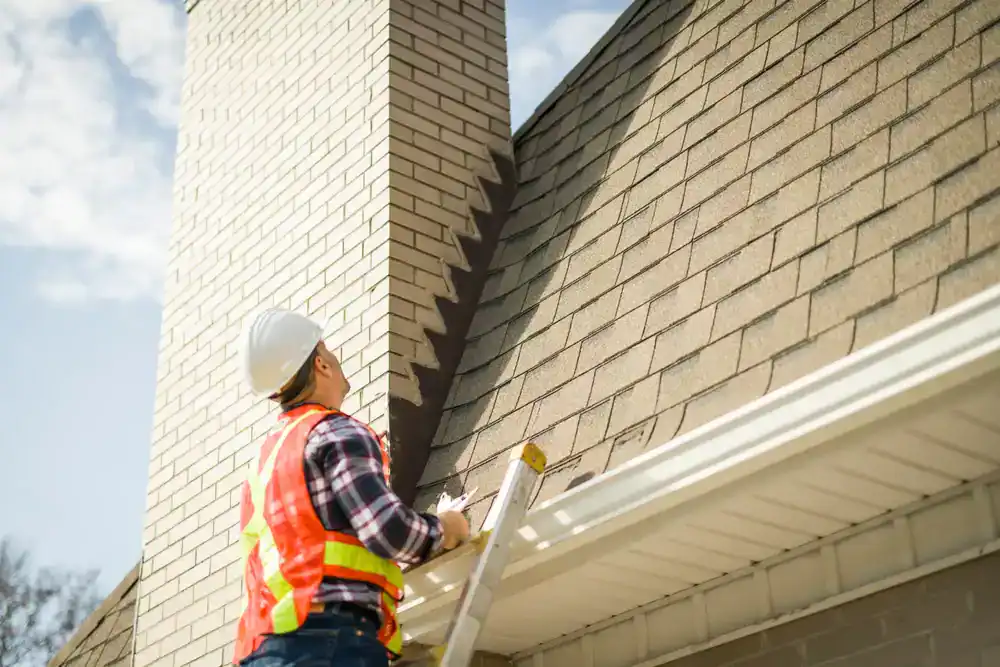
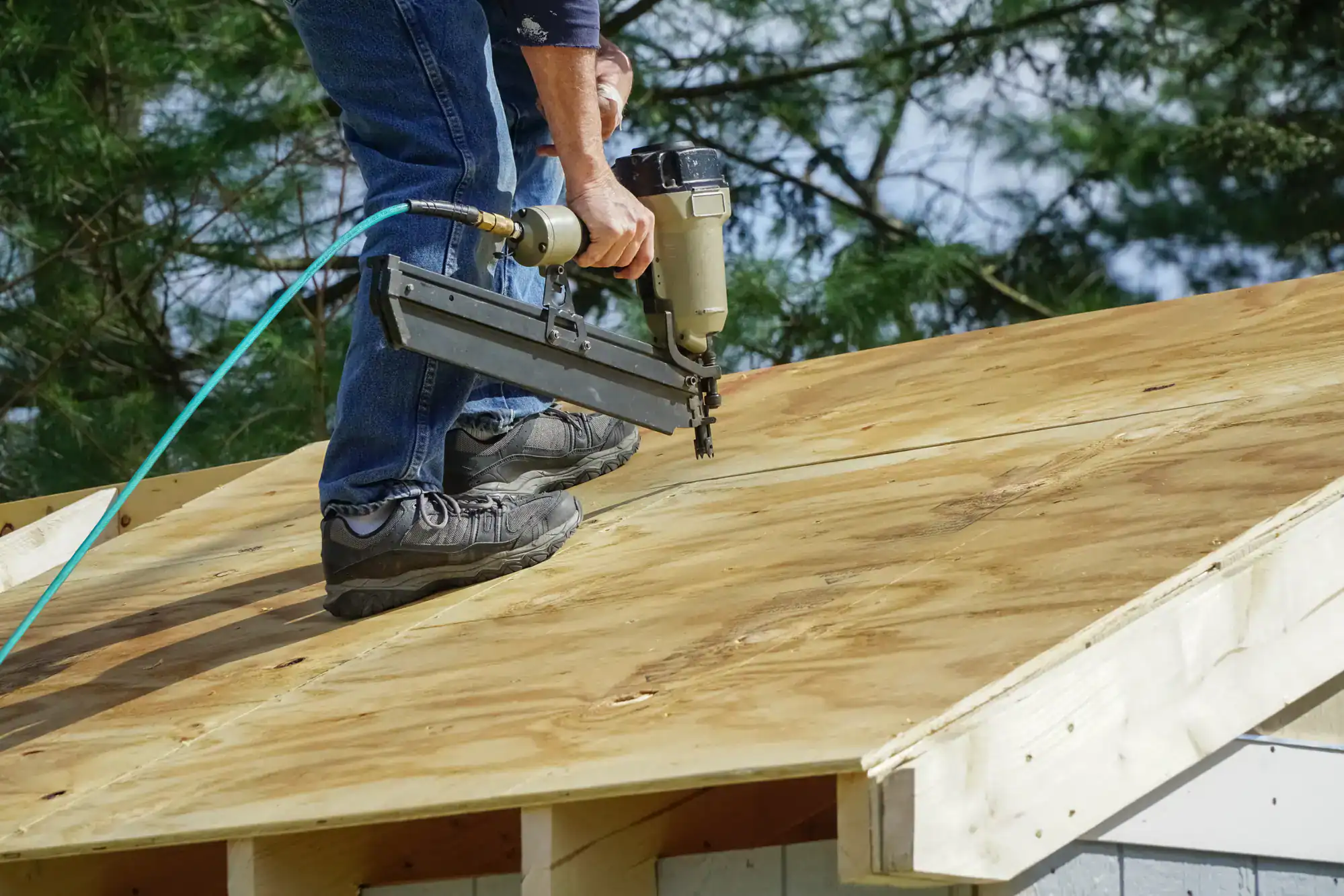
Over 70% of homes in Glen Ridge were built before 1939. That means most roofs in this borough aren’t sitting on simple geometry they’re sitting on steep pitches, dormers, original slate sections, and flashing details that require real experience to get right. When we complete a roof replacement on a home like yours, the difference isn’t just visual. It’s structural confidence knowing that the next nor’easter isn’t going to find the weak point a less experienced contractor missed.
Glen Ridge’s mature tree canopy is part of what makes the borough feel the way it does. It’s also what traps moisture, accelerates shingle wear on north-facing slopes, and creates the ice dam conditions that pre-war homes with older attic insulation are especially vulnerable to. A roof done right here accounts for all of that proper ventilation, correct underlayment, flashings sealed at every dormer and chimney junction not just new shingles over old problems.
When the job is complete, you’re not just looking at a clean roofline. You’re looking at a home that holds its value, passes inspection, and doesn’t become someone else’s problem at resale. In a market where the median home sits above $1.1 million, that’s not a small thing.
We’re a family-owned roofing and general contracting company serving Glen Ridge and northern New Jersey since 2018. We hold both GAF Preferred Contractor status and Owens Corning Platinum Preferred status Owens Corning’s highest contractor tier designation. Holding both simultaneously is uncommon in the Essex County market, and it means our customers gain access to enhanced manufacturer warranties that most local contractors simply can’t offer.
Beyond certifications, we’re BBB Accredited with an A rating and have earned the Best of HomeAdvisor designation for five or more consecutive years. These aren’t self-reported claims they’re independently verified track records across many completed projects.
Glen Ridge sits in the heart of Essex County, bordered by Montclair, Bloomfield, and Newark communities we know well. That familiarity with the local housing stock, permit requirements, and the specific demands of pre-war residential roofing in Glen Ridge means we arrive prepared, not guessing. The owner is involved from estimate to completion, and communication stays clear throughout by call, text, or on-site updates, whatever works best for you.
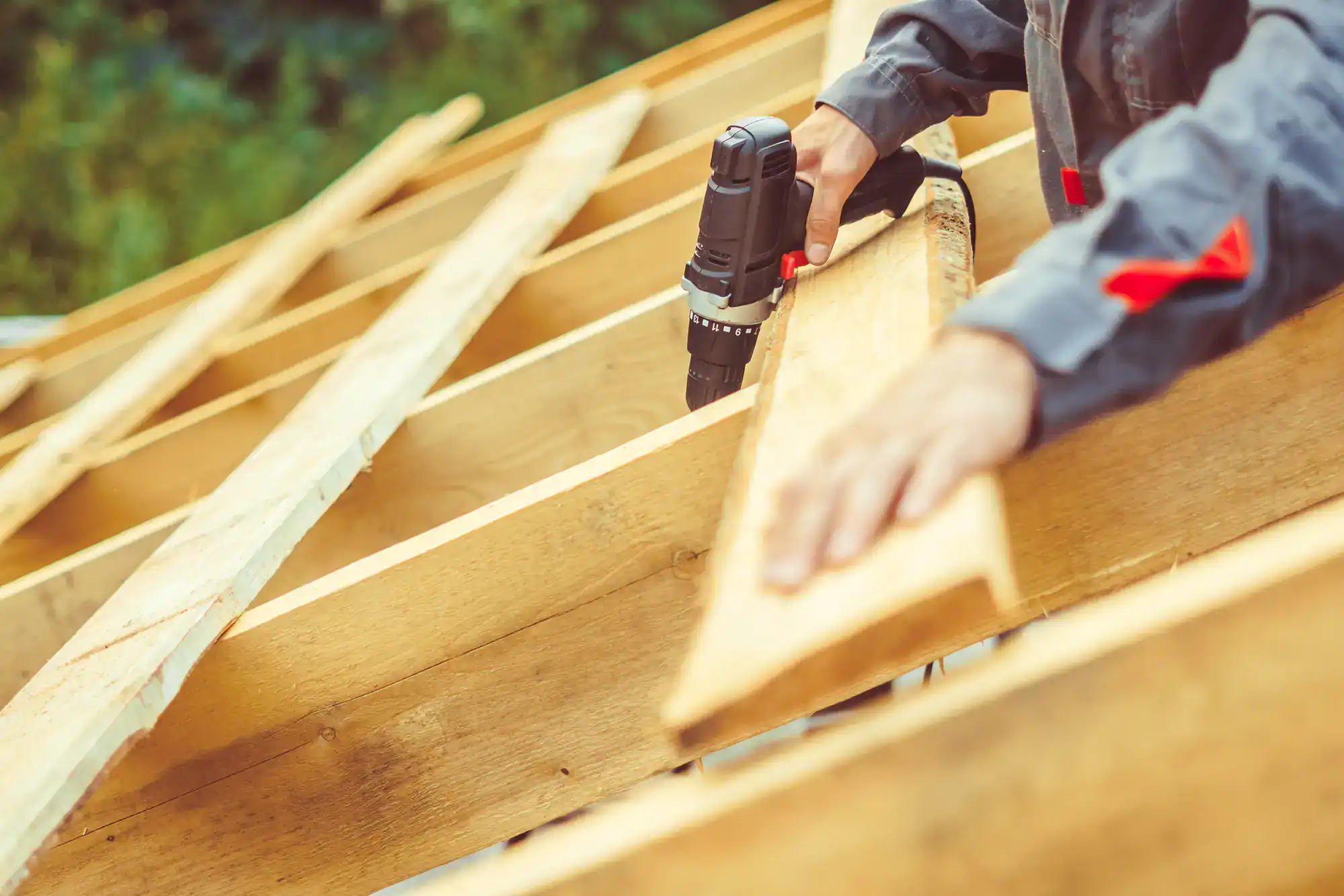
It starts with a free consultation where the owner comes out personally to assess your roof. That means the person giving you the estimate is the same person accountable for the finished job not a salesperson handing you off to a crew you’ve never met. The assessment covers your roof’s actual condition: shingle wear, flashing integrity, underlayment, decking, ventilation, and any signs of ice dam damage or moisture intrusion common in Glen Ridge’s older homes.
From there, you get a written, itemized estimate not a verbal ballpark. It breaks down materials, labor, disposal, and any contingencies like decking replacement if hidden damage is uncovered during tear-off. If your home falls within Glen Ridge’s Historic District, which covers over 90% of the borough, we can help you understand what the permit and Certificate of Appropriateness process looks like before work begins. A building permit is required for all roofing work in Glen Ridge, and material changes visible from the street require HPC review knowing this upfront prevents delays.
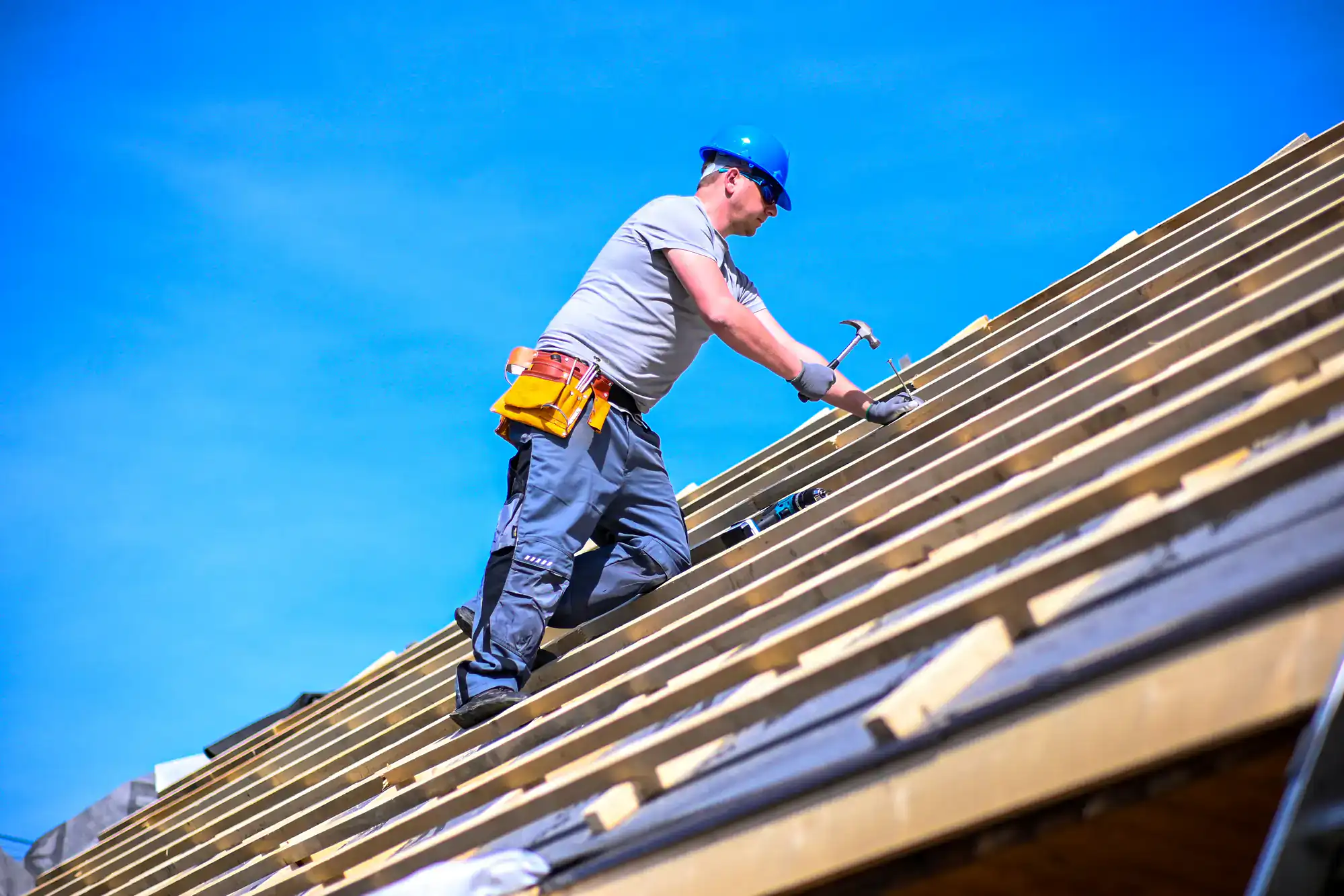
On installation day, the goal is to complete the full tear-off and replacement in a single day. Your property is treated carefully throughout including a magnetic nail sweep after the job to protect your landscaping, driveway, and lawn from leftover debris. When the crew leaves, the site is clean and your roof is done.
Ready to get started?
Request a callback

We handle the full range of residential roofing needs in Glen Ridge shingle roofing, metal roofing, tile roofing, cedar shake roofing, roof framing, and full roof replacement from tear-off to final inspection. For homes in the Historic District, we understand the material considerations the Glen Ridge Historic Preservation Commission looks for, including which replacement materials are typically approved and how to present a sample submission when a material change is proposed.
Ice dam removal and emergency roof repair are also part of what we offer. Glen Ridge’s pre-war homes many with older attic insulation and complex roof geometries are among the most vulnerable to ice dam formation during New Jersey winters. When freeze-thaw cycles start doing damage, a same-day response matters. Water getting behind original millwork or into plaster ceilings on a 120-year-old home creates cascading damage that far exceeds the cost of the repair itself.
Every project, regardless of scope, is backed by a full workmanship warranty. Through our GAF Preferred and Owens Corning Platinum Preferred certifications, qualifying installations also come with enhanced manufacturer warranties an added layer of documented protection that most roofing contractors in the area cannot provide. If you’re not sure what your roof actually needs, the free consultation is the right place to start.
Yes a building permit is required for all roofing work in Glen Ridge Borough, and that applies to both repairs and full replacements. If your home is within the Historic District, which covers more than 90% of the borough, there’s an additional step: any change to roofing material that’s visible from the street requires a Certificate of Appropriateness (COA) from the Glen Ridge Historic Preservation Commission before a building permit can be issued.
The COA process requires you to submit material samples, drawings with specifications that include flashings, gutters, and downspouts, and in some cases historic photographs sourced from the Glen Ridge Historical Society at 195 Ridgewood Avenue. If you’re replacing your roof with the same material asphalt for asphalt, for example HPC review may not be required. But any material change triggers the full process. Working with a contractor who understands this upfront prevents delays and avoids the far worse outcome of being asked to undo completed work after the fact.
For most New Jersey homeowners, a full roof replacement runs somewhere between $10,000 and $30,000 depending on size, pitch, materials, and complexity. Glen Ridge homes tend to fall toward the higher end of that range and often beyond it. The borough’s housing stock is dominated by large, architecturally complex pre-war homes with steep pitches, multiple dormers, and intricate valley systems that require more labor, more staging, and more experienced crews than a standard suburban gable roof.
Material choice also affects cost. If your home has original slate or tile sections, or if the Historic Preservation Commission requires a specific material match, that changes the equation compared to a standard asphalt shingle replacement. It’s also worth knowing that tariff pressures in 2025 have added meaningful cost to roofing materials nationally homeowners who are already considering a replacement have a real financial reason to move sooner rather than later. A written, itemized estimate after a proper on-site assessment is the only reliable way to get a number that reflects what your specific roof actually needs.
This is one of the most common questions for Glen Ridge homeowners with original slate roofs, and the honest answer is: it depends on the HPC. The Glen Ridge Historic Preservation Commission’s general position is that slate roofs should be repaired and retained whenever possible removal is rarely approved outright. If your slate roof is still structurally sound but has failing individual slates or deteriorating flashings, repair is usually the preferred path and may be all that’s needed.
If a full replacement is genuinely necessary, a material substitution such as high-quality architectural asphalt shingles or synthetic slate may be considered by the HPC, but you’ll need to submit material samples and documentation as part of the Certificate of Appropriateness process. The commission looks closely at whether the proposed replacement material is compatible with the home’s historic character and visible from the street. Getting that conversation right before you commit to a contractor or a material saves significant time and frustration. We’re familiar with the HPC process and can help you understand what’s realistically approvable before you start.
Ice dams form when heat escapes through the roof, melts snow at the peak, and the meltwater runs down and refreezes at the cold eaves eventually backing up under shingles or slates and forcing water into the home. Glen Ridge homes are particularly susceptible for a few reasons. First, many of the borough’s pre-war homes have older or insufficient attic insulation that allows more heat to escape through the roof deck than a modern home would. Second, the borough’s dense tree canopy which is part of what makes Glen Ridge feel the way it does also shades roofs and slows snowmelt in ways that can extend ice dam formation.
When ice dams cause damage, the consequences on an older home are serious. Water infiltrating original plaster ceilings, hardwood floors, and historic millwork creates repair costs that can dwarf the cost of the roof work itself. Proper attic ventilation and insulation are the long-term fix, but when an active dam is causing damage, emergency response matters. We offer same-day service for exactly these situations because waiting a week isn’t an option when water is moving through a 120-year-old structure.
The honest answer is that you usually can’t tell from the ground and neither can a contractor who hasn’t actually gotten on the roof and looked at the decking, underlayment, and flashing conditions up close. What looks like a few missing shingles from the driveway can turn out to be widespread underlayment failure or rotted decking underneath. Conversely, a roof that looks rough from the street can sometimes be extended with targeted repairs if the structure beneath it is still sound.
For Glen Ridge homes specifically, age is a real factor. If your home was built before 1939 and you don’t know when the roof was last replaced, that’s the starting point for the conversation. Original slate roofs can last 75 to 150 years with proper maintenance, but flashings and ridge caps typically fail long before the slate itself does. Asphalt shingle roofs generally last 20 to 30 years under normal conditions. A free on-site consultation with a written assessment is the only way to get a clear, honest answer about where your roof actually stands and what makes financial sense given the age and value of your home.
The right material depends on the home’s architectural style, the HPC’s requirements, your budget, and what’s already on the roof. For homes in Glen Ridge’s Historic District which includes Queen Anne, Colonial Revival, Tudor Revival, and Second Empire styles the commission generally favors materials that are compatible with the home’s original character. That means natural slate and clay tile are typically well-received when they match the original, and high-quality synthetic alternatives that closely replicate the appearance of historic materials can sometimes be approved as well.
For homes where the HPC has more flexibility secondary structures, additions, or rooflines not visible from the street architectural asphalt shingles and metal roofing are both viable options. Metal roofing in particular has a strong ROI profile and holds up well through New Jersey’s freeze-thaw cycles and nor’easter season. Cedar shake roofing is another option for certain styles, though it requires more maintenance in Glen Ridge’s humid, shaded conditions. The most important step is knowing what the HPC is likely to approve before you commit to a material and that conversation is part of what our free consultation is designed to address.
Other Services we provide in Glen Ridge