Summary:
You’re here because you’re done with roof leaks. Or you’re tired of replacing shingles every 15 years. Maybe you’re building new and want a roof that actually outlasts the mortgage.
You’ve probably noticed that “metal roofing” means different things to different people. Barn roofs. Corrugated panels. Standing seam systems. They’re not the same, and the differences matter when you’re dealing with New Jersey winters.
Seamless metal roofing—specifically standing seam systems—uses continuous panels and concealed fasteners to create weather-tight protection designed for climates like ours. Here’s what separates it from everything else, and why those details matter for your home.
Seamless Metal Roofing: Installation Benefits and Quality Features
Seamless metal roofing refers to standing seam systems that run continuous panels from ridge to eave without horizontal breaks. The panels interlock along raised vertical seams, creating a barrier that sheds water efficiently. What makes it “seamless” isn’t the absence of all seams—it’s eliminating the horizontal joints where water typically finds its way in.
The real advantage is the concealed fastener system. Clips attach panels to your roof deck beneath the raised seams. No screws puncture the metal surface. This matters because exposed fasteners create thousands of potential leak points—screws that back out over time, washers that deteriorate, penetrations that eventually fail.
Standing seam systems also move with temperature changes. Metal expands in heat and contracts in cold. The clip system lets panels shift without stressing fasteners or your roof structure. In New Jersey, where you might see a 60-degree temperature swing from summer to winter, this flexibility prevents the buckling and fastener failure you’ll see with rigid systems.
New Metal Roof Installation Process and What to Expect
Installing a new metal roof typically starts with removing your existing roofing material. Some municipalities allow installation over one layer of shingles, but tear-off lets us inspect and repair the roof deck first. Soft spots, rot, or structural issues get addressed before new panels go on.
Next comes underlayment—usually high-quality synthetic material or peel-and-stick membrane. In New Jersey, ice and water shield along eaves, valleys, and penetrations is standard. This creates a secondary barrier against water backup during ice dam events or wind-driven rain.
Then the actual panel installation begins. For standing seam systems, this means custom-fabricating panels to match your roof’s exact measurements. We roll-form panels on-site, creating continuous pieces up to 60 feet long. Longer panels mean fewer end laps and fewer places for water to sneak through.
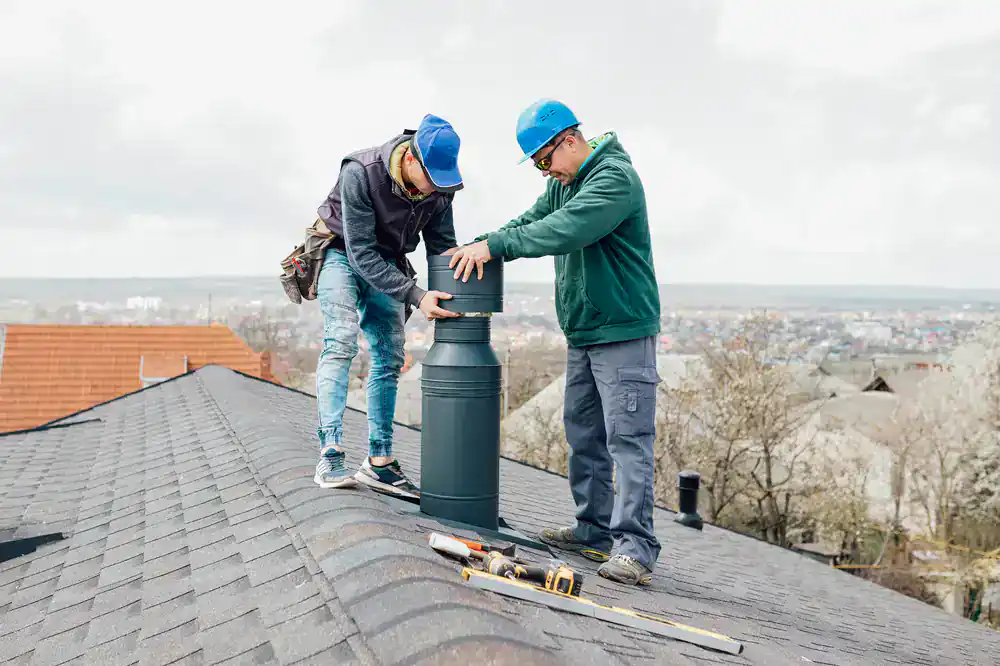
We secure the first panel at the eave, then attach clips to the roof deck along the panel’s edge. The next panel snaps or mechanically seams over those clips, hiding all fasteners. This continues across your roof, with careful attention to valleys, ridges, and penetrations like chimneys and vents.
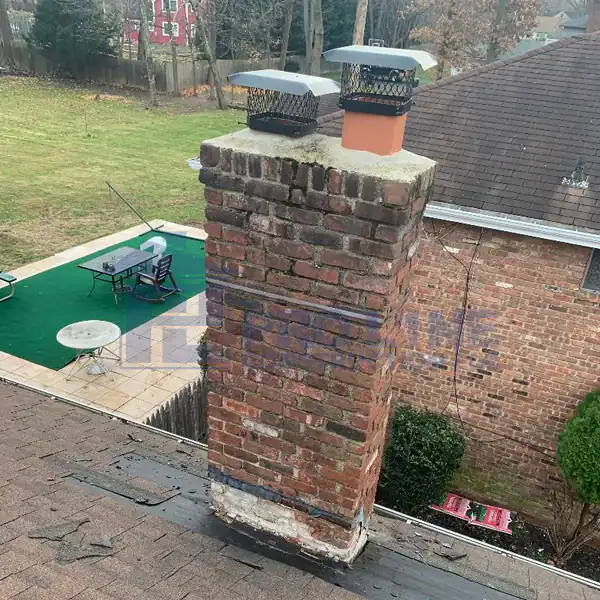
Flashing details make or break the installation. Proper metal flashing around chimneys, walls, and roof-to-wall transitions prevents the water infiltration that causes most metal roof problems. This isn’t about caulk and hoping for the best. It’s layered, lapped metal work that directs water away from vulnerable spots.
The whole process typically takes one to three days for a residential roof, depending on size and complexity. Weather plays a role, but metal installation isn’t as temperature-sensitive as asphalt. Panels can go on in colder conditions without the adhesion issues that affect shingles. What you can’t do is work during high winds or when ice makes the surface unsafe.
We check panel alignment, seam engagement, and clip placement as we go. After installation, a final inspection verifies that fasteners are properly secured, seams are fully engaged, and flashing is correctly installed. Your local building department inspects the work too, ensuring everything meets code.
Raised Seam Metal Roof Systems and Panel Profile Options
Raised seam metal roofs feature vertical legs that stand above the flat panel surface, typically 1 to 3 inches tall. Most residential installations use 1.5 or 2-inch seams. Taller seams work better on lower-slope roofs where water moves slowly and can pool. On steeper roofs where water sheds quickly, shorter seams perform fine.
You’ll encounter two primary raised seam systems: mechanically seamed and snap-lock. Mechanically seamed panels have edges that line up and get crimped together using a hand or power seamer. This creates an extremely weather-tight connection ideal for low-slope applications—roofs with pitches as low as half an inch per foot. The double-lock mechanical seam is the most weather-resistant option available.
Snap-lock panels use a male-and-female leg design that clicks together without tools. One panel has a raised leg, the other has a channel, and they snap into place over the concealed clips. This system installs faster and costs less than mechanical seaming. It performs excellently on standard roof pitches but isn’t recommended for very low slopes or when you need weathertightness warranties.
Panel width varies, typically 12 to 18 inches between seams. Wider panels cover more area with fewer seams, potentially reducing material and labor costs. Narrower panels create more visual lines, which some homeowners prefer. The choice doesn’t significantly impact performance—both work well when properly installed.
Striations or stiffening ribs are patterns rolled into the flat panel area between seams. They add rigidity and help minimize oil canning—the wavy appearance that can show up on flat metal surfaces. Not all panels include them, but they’re recommended for longer panel runs and when appearance matters to you.
Gauge thickness directly affects durability and longevity. For residential standing seam roofs, 24-gauge steel is standard. It’s thick enough to resist denting from hail and foot traffic while remaining cost-effective. Some premium installations use 22-gauge for additional strength. Going lighter—26 or 29-gauge—saves money upfront but sacrifices performance and lifespan. If you’re investing in a standing seam system, don’t compromise here.
Want live answers?
Connect with a Proline Construction expert for fast, friendly support.
Best Metal Roof Options for New Jersey Climate Conditions
New Jersey’s climate beats up roofing materials. Freeze-thaw cycles crack and lift shingles. Ice dams force water under roofing layers. Nor’easters bring wind-driven rain. Summer heat bakes everything for months. Your roof needs to handle all of it without failing.
Standing seam metal roofing performs exceptionally well in these conditions. The smooth surface sheds snow and ice efficiently, preventing the buildup that leads to ice dams. When snow does accumulate, it slides off rather than sitting and melting unevenly. This eliminates the freeze-thaw stress that deteriorates other materials.
The concealed fastener design means no exposed screws that water can work around during driving rain. The raised seams keep water moving downward even when wind tries to push it sideways. And the metal substrate itself—whether steel or aluminum—doesn’t absorb water, so freeze-thaw cycles can’t cause the internal damage that happens with porous materials.
Quality Metal Roofing Materials for Long-Term Performance
The metal substrate is your first quality consideration. Galvalume steel—steel coated with an aluminum-zinc alloy—is the most common choice for residential roofing. It resists corrosion better than galvanized steel and costs less than aluminum or premium metals. For most Essex County, NJ homes more than 15 miles from the ocean, Galvalume steel delivers excellent performance at a reasonable price.
Aluminum makes sense in coastal areas where salt air accelerates corrosion. It’s lighter than steel, naturally corrosion-resistant, and doesn’t rust. The tradeoff is cost—aluminum typically runs $2 to $3 more per square foot than steel—and it dents more easily. If you’re not dealing with coastal conditions, steel is usually the better choice.
Premium metals like copper, zinc, and stainless steel offer exceptional longevity but come with premium price tags. Copper develops a distinctive patina over time and can last well over 100 years. Zinc is self-healing—scratches seal themselves through oxidation. Stainless steel is virtually indestructible. These materials make sense for historic properties, architectural statements, or when you want a truly permanent roof. For most residential applications, they’re not necessary.
The paint coating is equally important. Kynar 500 or PVDF coatings provide superior fade resistance and durability compared to polyester or silicone-modified polyester. A Kynar 500 finish typically carries a 30-year warranty and maintains its color and gloss for decades. Cheaper paint systems might save money initially but will show fading and chalking within 10 to 15 years.
Coating thickness matters too. A 70% PVDF coating performs better than a 50% blend. The difference shows up in color retention, chalk resistance, and overall lifespan. When you’re comparing quotes, ask specifically about the coating system. It’s one area where contractors sometimes cut costs without telling you.
Underlayment quality affects long-term performance more than most homeowners realize. Cheap felt paper deteriorates quickly. High-quality synthetic underlayment or peel-and-stick membranes provide superior protection against water infiltration. In New Jersey, where ice dams and wind-driven rain are common, premium underlayment is worth every dollar. This isn’t where you want to save money.
How Seamless Metal Roofing Handles Essex County Weather
Essex County, NJ experiences 40 to 60 freeze-thaw cycles every winter. That’s 40 to 60 times when water seeps into small cracks, freezes, expands by 9%, and forces materials apart. Asphalt shingles crack and lift. Flashing separates. Underlayment deteriorates. It’s a cycle that shortens roof lifespans and creates the spring leaks homeowners discover when temperatures finally stabilize.
Metal roofing eliminates most of this damage. The impermeable surface doesn’t absorb water, so there’s nothing to freeze and expand internally. Water that does get beneath panels—through a poorly sealed penetration, for example—can’t cause the same structural damage because the metal itself isn’t affected by freezing. This is why metal roofs routinely last 40 to 70 years in climates where asphalt barely makes 20.
Ice dams form when heat escaping through your attic melts snow on the upper roof. That meltwater runs down and refreezes at the colder eave, creating a dam that backs water under shingles. Metal roofing’s smooth surface and proper ventilation reduce this problem significantly. Snow slides off before it can melt unevenly. And even when ice does form at the eaves, the concealed fastener system and proper ice-and-water shield prevent water from reaching your roof deck.
Nor’easters bring wind-driven rain that tests every roof system. Wind pushes water up and under shingles, finding any gap in the installation. Standing seam metal roofing’s raised seams and interlocking panels create a continuous barrier that wind can’t easily penetrate. Properly installed systems withstand wind speeds up to 140 mph without lifting or allowing water infiltration.
Summer heat is the other extreme. Temperatures in Newark can run 5 to 10 degrees hotter than surrounding areas due to the urban heat island effect. Metal roofing’s reflective properties help here. Instead of absorbing heat like asphalt, metal reflects solar radiation, keeping attic temperatures 10 to 20 degrees cooler. This translates to lower cooling costs—typically 20 to 30% savings during summer months—and extends the life of your HVAC system.
The combination of these factors explains why metal roofing performs so well in New Jersey. It’s not just one advantage. It’s a system designed to handle temperature extremes, moisture, wind, and the accumulated stress of decades of harsh weather. When you’re comparing roofing options, think about what your roof will face over the next 40 years, not just the next five.
Making the Right Metal Roofing Decision for Your Home
Seamless metal roofing costs two to three times more than asphalt shingles upfront. But when you factor in the 40 to 70-year lifespan, minimal maintenance, energy savings, and elimination of multiple replacement cycles, the long-term value becomes clear. You’re not just buying a roof—you’re making a decision that affects your home for decades.
The key is quality installation. Poor workmanship undermines even the best materials. Look for contractors with metal roofing experience, proper licensing and insurance, and a track record you can verify. Ask about the installation process, the materials used, and how details like flashing and penetrations are handled. A contractor who takes time to explain the work and answer your questions is usually one who takes pride in doing it right.
If you’re ready to explore seamless metal roofing for your Essex County, NJ home, we offer free consultations to help you understand your options. We bring certified expertise, transparent pricing, and the kind of attention to detail that comes from treating every project like it’s our own home.