
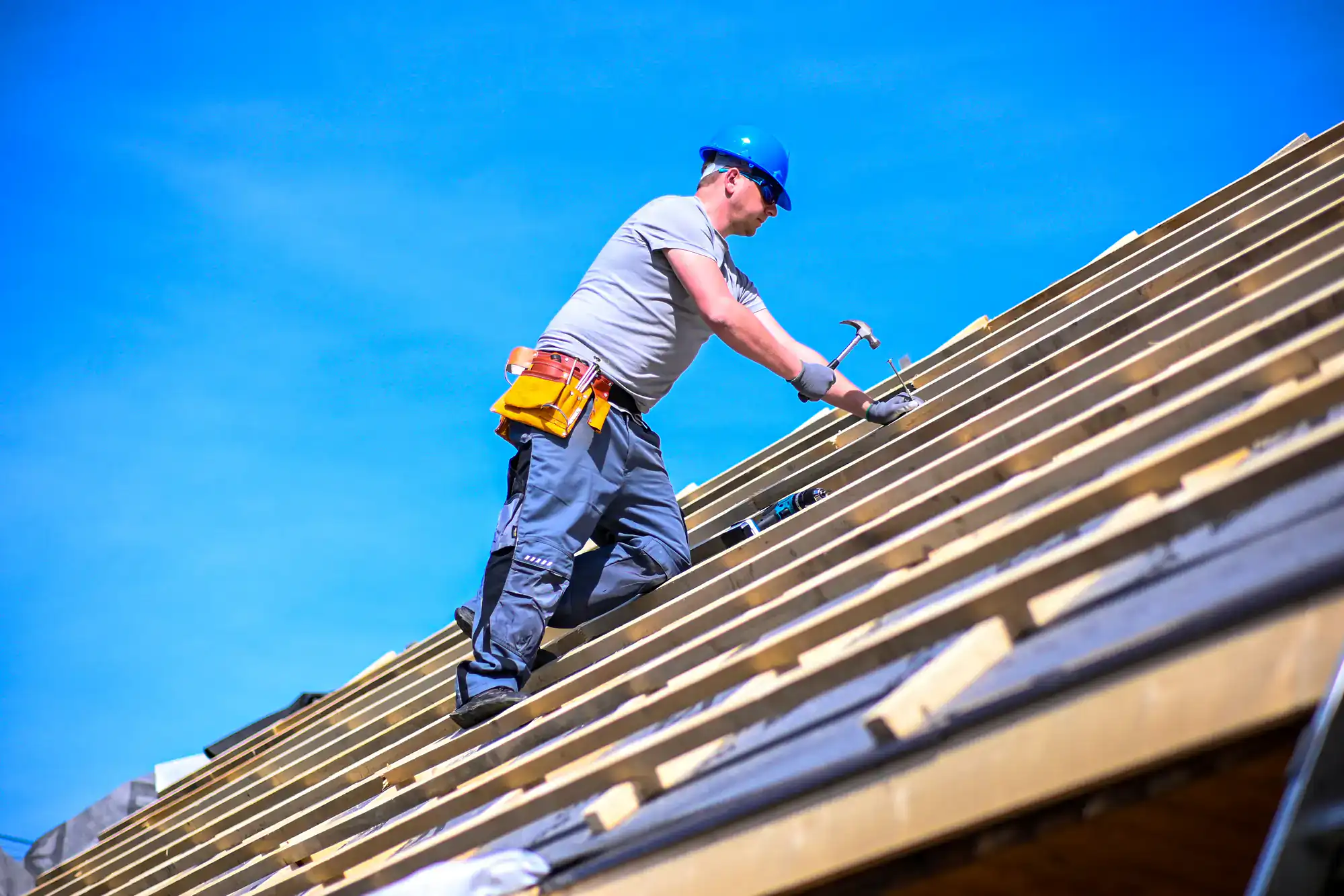
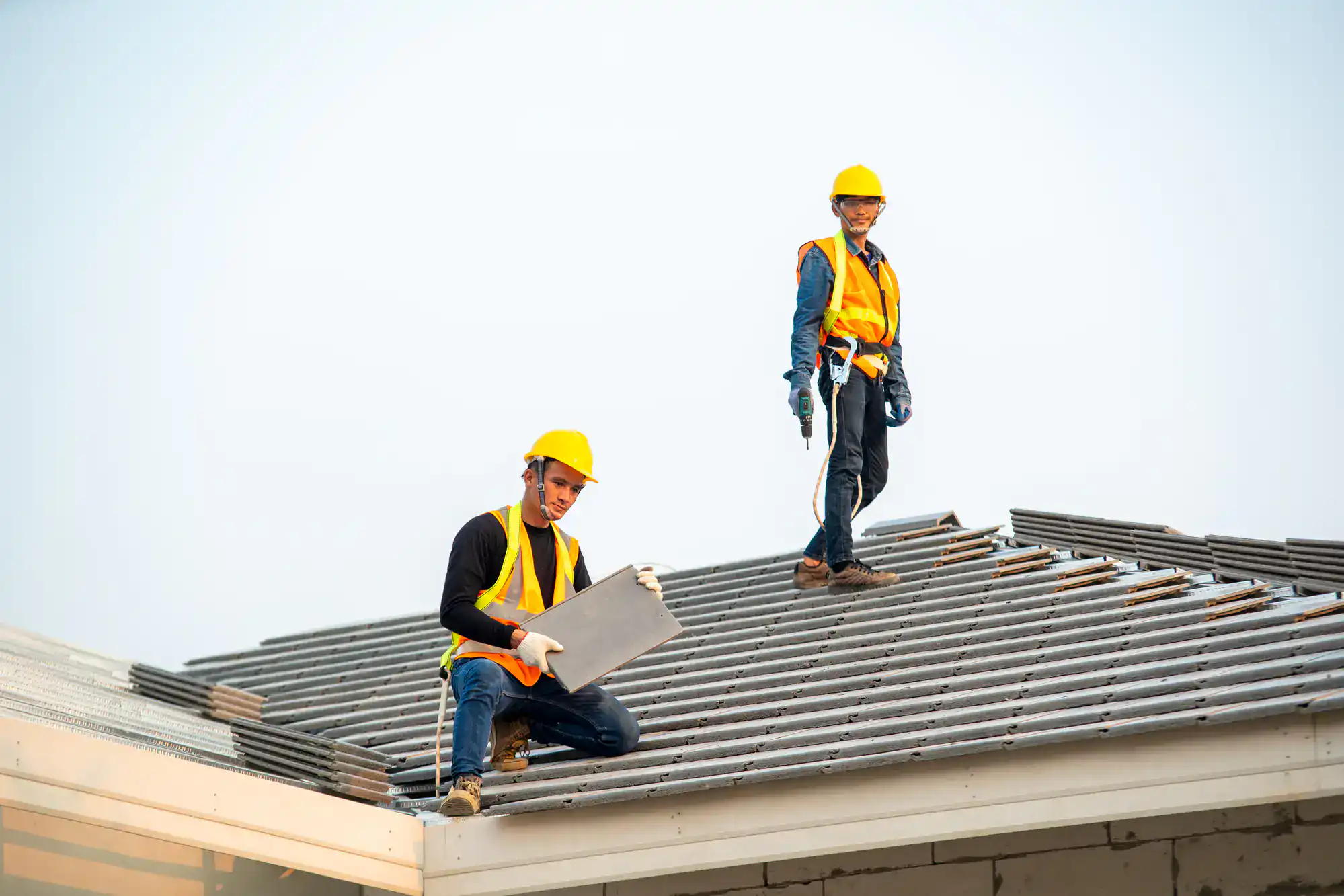
A roof leak doesn’t stay on the roof. It moves through the decking, into the insulation, down into the drywall, and eventually onto the hardwood floors and finished ceilings of a home you’ve invested everything in. In Livingston, where the average home is worth close to $900,000, the cost of waiting on a repair isn’t just inconvenient. It’s a real financial hit.
Most of the homes in Livingston were built between 1940 and 1969. That means chimneys, dormers, original flashing, and pipe boots that have been working hard for fifty, sixty, sometimes seventy years. When those systems start to fail, the leak rarely shows up where the problem actually started. You might see a water stain on a ceiling that traces back to a cracked chimney cap or failed flashing not the shingles at all. Getting the right diagnosis matters more than getting a fast patch.
Essex County sees the full range of northeastern weather nor’easters, summer hail, ice storms, and freeze-thaw cycles that quietly work their way into every small crack and gap. When a storm rolls through Livingston and shingles go missing or flashing lifts, the window to prevent interior damage is short. Getting the right contractor on-site quickly, one who can assess the full system and not just what’s visible from the ground, is what separates a $600 repair from a $6,000 remediation.
We’re a family-owned general contracting company based in northern New Jersey, and Livingston has been part of our service area since the beginning. We handle roofing, chimney, masonry, and gutters which matters more than it might sound when you’re dealing with an older Livingston home where the leak you’re seeing and the problem causing it are often in two completely different places.
We’re BBB Accredited and a GAF Preferred Contractor. You can look both of those up in about thirty seconds, and we’d encourage you to. Our NJ Division of Consumer Affairs registration number is 13VH09838700 that’s publicly verifiable too. In a market where storm chasers and here-today-gone-tomorrow contractors regularly target affluent suburbs like Livingston after a bad weather event, those credentials aren’t just a formality. They’re the baseline you should require from anyone working on a home like yours.
Every job comes with a full warranty and a free consultation. No pressure, no vague estimates, no surprise charges when the invoice shows up.
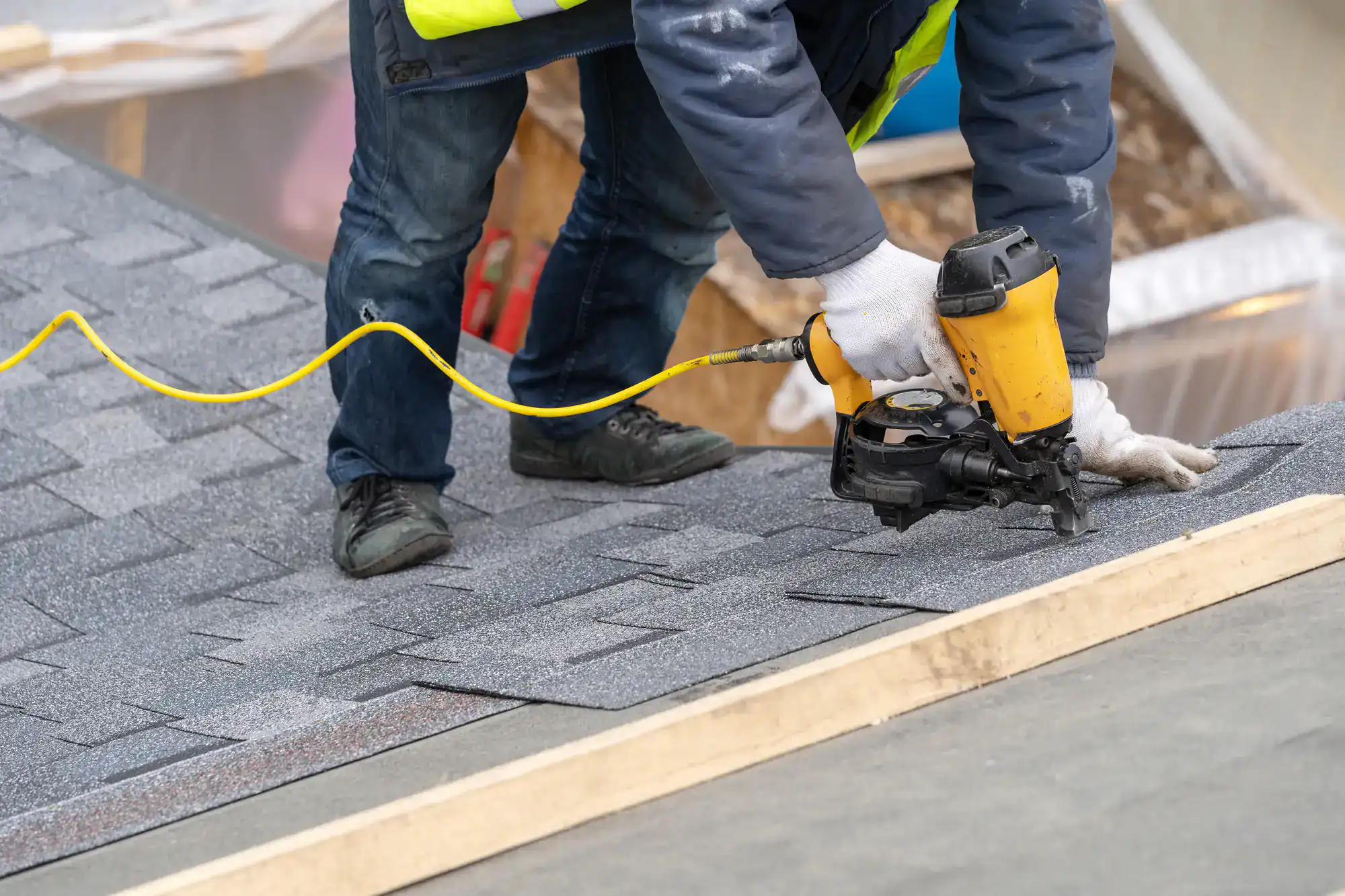
When you reach out, someone gets back to you fast typically within minutes. We ask a few straightforward questions about what you’re seeing, when it started, and whether there’s active water intrusion. If it’s urgent, we move accordingly. Emergency roof tarping is available to stop further water from reaching the interior while we assess and plan the full repair.
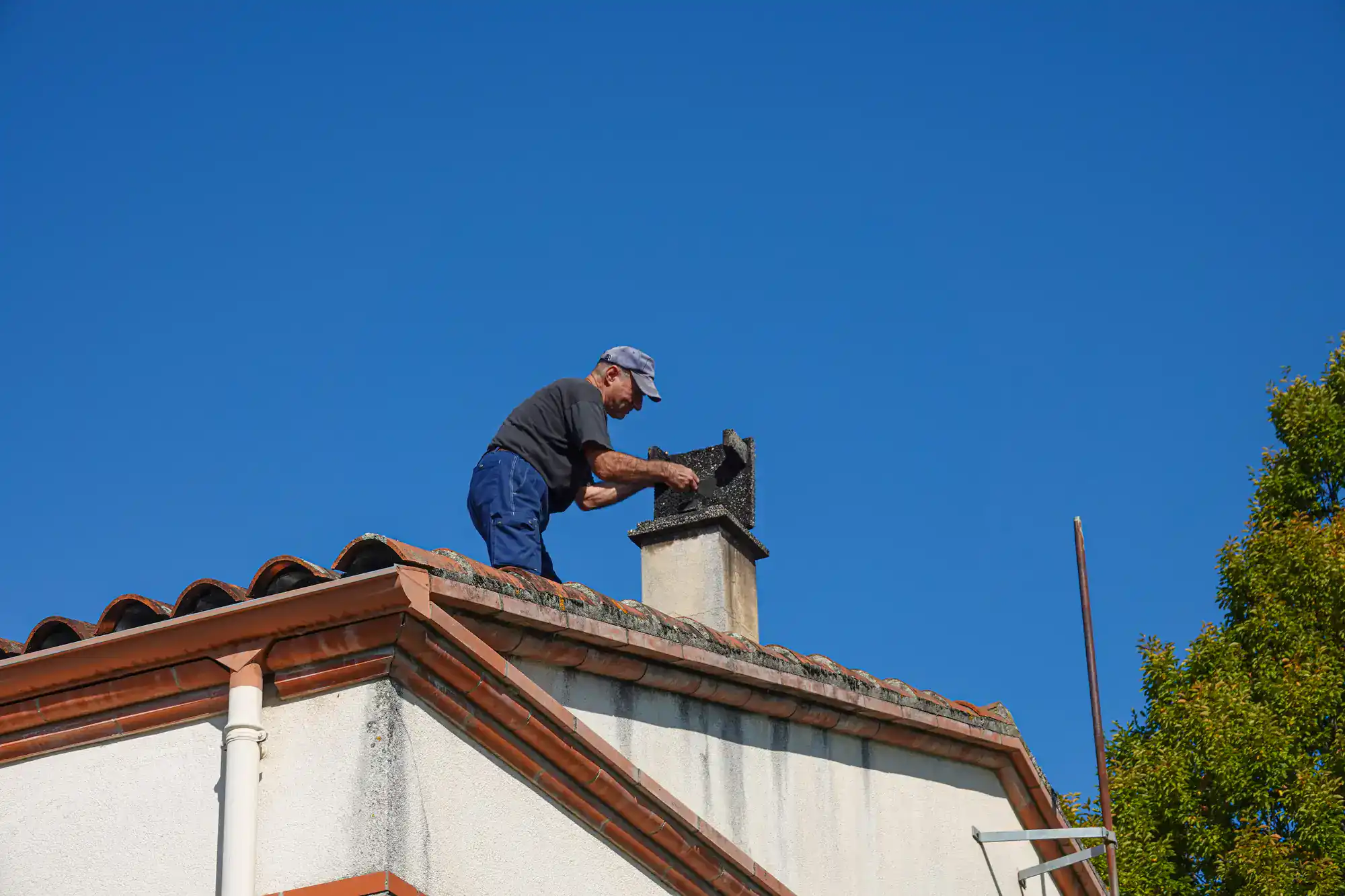
Once we’re on-site, we inspect the full system not just the surface. For Livingston’s older homes, that means checking flashing around chimneys and dormers, examining valley junctions, looking at pipe boots and skylight seals, and assessing the gutter interfaces where water backup commonly causes edge damage. This is where having a contractor who handles roofing and chimney work together makes a real difference. We find the actual source, not just the most visible symptom.
From there, we walk you through exactly what we found, what needs to be done, and what it costs before anything starts. If your damage is storm-related and you’re filing an insurance claim, we can document everything properly so you have what the adjuster needs. Livingston’s Building Department at 357 South Livingston Avenue requires permits for roofing work, and we handle that process as part of the job. When the work is done, it’s backed by our full warranty and you’re not left wondering whether the fix actually held.
Ready to get started?
Request a callback

Roof repair in Livingston covers a lot of ground. Shingle repair and missing shingle replacement are among the most common calls we get after a storm especially following the kind of wind events that move through Essex County. Flat roof repair comes up frequently too, both for commercial properties and for residential additions and garage structures throughout Livingston. Roof leak patching, flashing repair, and valley work round out the bulk of what we handle on a day-to-day basis.
Storm damage roof repair deserves its own mention because it’s not just about fixing what broke. It’s about documenting what happened, understanding what your homeowners insurance covers, and making sure the repair is done to a standard that holds up in the next storm not just this one. We’ve worked through enough post-storm situations in northern NJ to know how to handle that process without leaving you to figure it out alone.
For homes in Bel Air, Coventry, Chestnut Hill, and throughout the rest of Livingston, the stakes are high and the homes are complex. Multi-gabled rooflines, brick chimneys, skylights, and aging drainage systems all create more potential failure points than a straightforward ranch or colonial. That’s exactly why we assess the whole system, not just the spot where water showed up inside.
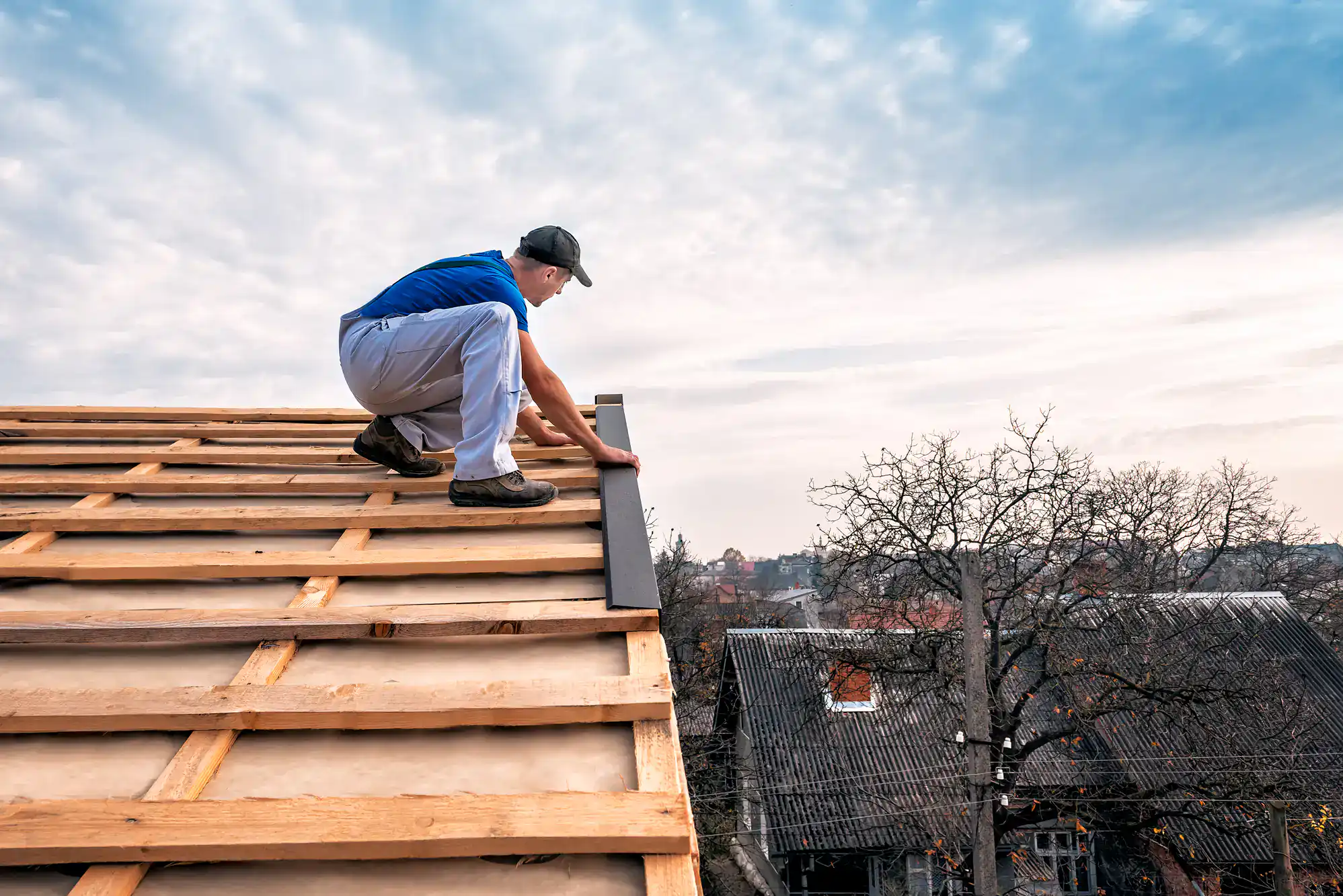
This is one of the most important questions to get right, because the answer has a significant cost difference attached to it. A full replacement is typically necessary when the roof deck itself is compromised, when shingles have lost most of their granules and are past their service life, or when damage is widespread enough that isolated repairs won’t hold. Repair makes sense when the damage is localized a section of missing shingles, failed flashing around a chimney, a cracked pipe boot, or a small area of lifted or cracked material.
For Livingston’s housing stock, which is heavily concentrated in the 1940–1969 build era, the honest answer is that a lot of homes fall somewhere in between. The roof surface may have years left, but the flashing, the chimney cap, and the gutter interfaces may be at or past the end of their useful life. A proper inspection looks at all of it not just the shingles and gives you a clear picture of what actually needs attention now versus what can wait. We’ll tell you straight, even if the answer is that you don’t need as much work as you thought.
It depends on the scope of work. Minor repairs replacing a handful of shingles, patching a small area of flashing typically don’t require a permit. But more substantial work, including full re-roofing or any repair that involves the structural deck, does require a permit through the Livingston Building Department at 357 South Livingston Avenue. Permits are issued Monday through Friday from 7:00 a.m. to 2:30 p.m., with a noon cutoff on Fridays.
As a registered NJ home improvement contractor, we handle the permit process as part of the job when it’s required. You don’t need to navigate that on your own. What you do want to make sure of is that any contractor working on your home is properly registered with the NJ Division of Consumer Affairs that’s a state requirement for all home improvement work in New Jersey, and it’s one of the first things you should verify before signing anything. Our registration number is 13VH09838700, and it’s publicly searchable.
The most common culprit in older Livingston homes is ice dams and they’re a recurring issue, particularly in homes with insufficient attic insulation. Here’s how it works: heat escapes through the roof deck, warms the snow sitting on the upper portion of the roof, and that meltwater runs down toward the cold eaves where it refreezes. Over time, that ice buildup forces water back up under the shingles and into the home. The leak you see on your ceiling in January often started at the roof edge weeks earlier.
Beyond ice dams, the freeze-thaw cycle itself is hard on roofing systems. Water infiltrates small cracks or gaps around flashing and pipe boots, freezes and expands overnight, and progressively widens the opening with every cycle. Homes built in Livingston’s post-war era were constructed before modern insulation standards, which means attic heat loss is a common contributing factor. Addressing the leak is step one but understanding whether your attic insulation is making the problem worse is the kind of fuller picture a good inspection should give you.
After a storm event whether it’s a nor’easter, a summer hail storm, or a wind event that moves through the Essex County area your first step is to document the visible damage as thoroughly as possible before anything is touched. Photos, timestamps, and notes about when the storm occurred all matter when you file a claim.
From there, your insurance company will send an adjuster to assess the damage. Having a contractor who can be present during that inspection, or who has already documented the damage in detail, makes a significant difference in how the claim is evaluated. Adjusters work quickly and don’t always catch everything especially on complex rooflines with multiple flashing points, dormers, or chimney interfaces. We’ve helped homeowners in northern NJ navigate this process enough times to know what insurers look for and how to make sure the documentation supports the full scope of what was actually damaged. We can walk you through it from the first call through the final repair.
Emergency roof tarping is a temporary protective measure applied immediately after damage creates an opening in your roof a missing section of shingles, a tree limb impact, or any breach that’s leaving the interior exposed to the elements. The tarp is secured over the damaged area to stop water from getting in while the permanent repair is planned and scheduled.
In Livingston, where homes regularly carry values of $800,000 or more and interiors often include finished basements, hardwood floors, and custom millwork, the cost of letting water in unchecked for even a few days can be severe. Mold can begin developing in as little as 24 to 48 hours in wet insulation and drywall. Emergency tarping isn’t a permanent fix it’s damage control, and it’s often the most important call you make in the hours right after a storm. If you’re not sure whether your situation qualifies, call us and describe what you’re seeing. We’ll tell you honestly whether it warrants an emergency response.
This is genuinely one of the harder parts of dealing with storm damage, because the period right after a significant weather event is exactly when out-of-state contractors and unlicensed operators flood markets like Livingston. Affluent Essex County suburbs are a known target large homes mean larger contracts, and homeowners are stressed and moving fast. The warning signs are consistent: no verifiable NJ registration number, large upfront deposits, verbal-only quotes, and pressure to sign before you’ve had time to think.
The baseline checks are straightforward. Verify the contractor’s NJ Division of Consumer Affairs registration on the state’s public database. Look them up on BBB.org. Check whether they carry manufacturer certifications like GAF Preferred Contractor status, which requires verified licensing, insurance, and customer satisfaction standards. Read the actual reviews not just the star rating, but the written accounts from real customers. A contractor who has been working in northern New Jersey for years, has a named owner, and has built a track record across hundreds of verified reviews is a fundamentally different situation than someone who showed up in your neighborhood the week after the storm.
Other Services we provide in Livingston