
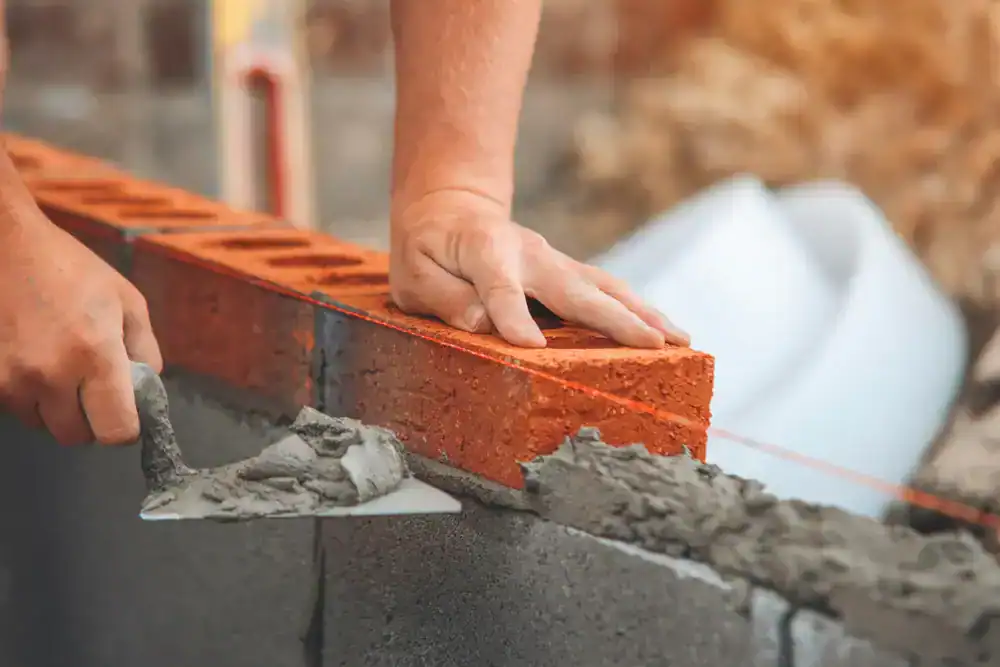
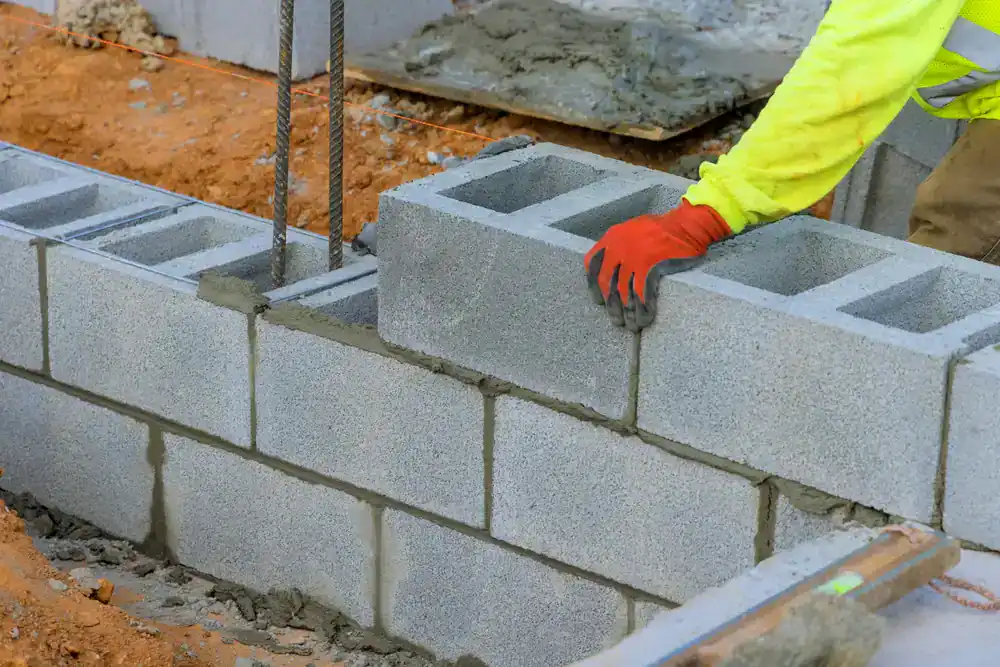
You’re not just getting bricks stacked or mortar slapped between stones. You’re getting masonry work that holds up against New Jersey winters, doesn’t crack after two seasons, and actually protects your foundation from water damage.
When your chimney stops leaking, your retaining wall holds back soil without bowing, and your brick veneer looks clean and level, that’s when you know the work was done correctly. No callbacks. No “we’ll come back and fix that.” Just solid masonry that does its job.
The difference shows up in year three, year five, year ten. Your brickwork still looks sharp. Your mortar joints haven’t crumbled. Your foundation stays dry because the grading and drainage were handled right from the start. That’s what happens when someone who knows masonry actually does the work.
We work throughout Livingston and Essex County, and we’ve seen what happens when masonry gets done wrong. Chimneys that lean after one winter. Retaining walls that collapse because the footer wasn’t deep enough. Brick repairs that look worse than the original damage.
We handle masonry installation, repair, and maintenance for homes across Livingston. The contractors on our team have been working in New Jersey long enough to know how freeze-thaw cycles affect mortar, what soil conditions do to retaining walls, and how to build chimneys that actually draft properly.
Livingston’s housing stock includes plenty of older homes with original masonry that needs careful restoration, plus newer construction where brick veneers and stone accents need proper installation. We work on both. You get transparent pricing, no surprise charges, and a free estimate before any work starts.
First, we come out and actually look at what’s going on. Not a quick glance from the driveway. We inspect the mortar joints, check for water damage, look at the foundation, and figure out what’s causing the problem, not just what the symptom is.
Then you get a written estimate that breaks down the work, the materials, and the timeline. No vague “we’ll see when we get in there” pricing. You know what it costs before we start.
Once the work begins, we prep the area properly, which matters more than most people realize. If we’re doing brick repair or repointing, we’re removing damaged mortar to the right depth and cleaning out the joints. If it’s a retaining wall, we’re excavating correctly and setting a proper base. If it’s a chimney repair, we’re addressing the crown, the flashing, and the structure, not just patching the visible crack.
The work gets done in stages, and we don’t rush mortar curing times just to finish faster. When we’re done, we clean up the site and walk you through what was completed. You’ll know exactly what was fixed and why it’s going to hold up.
Ready to get started?
Request a callback

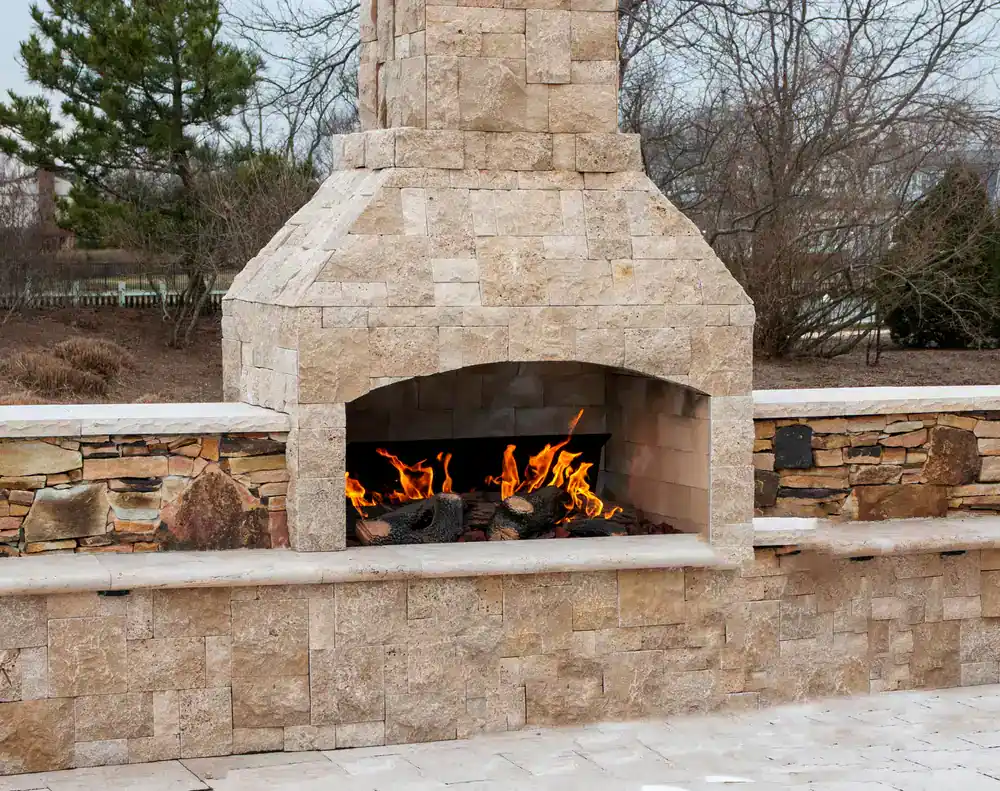
Chimney repair is one of the most common calls we get in Livingston. Freeze-thaw cycles destroy chimney crowns and mortar joints faster than any other part of your masonry. We rebuild crowns, repoint brick, replace damaged flue liners, and fix flashing that’s letting water into your walls.
Brick and stone repair covers everything from repointing mortar joints on your home’s exterior to replacing damaged bricks in walkways and patios. We also handle brick paving for driveways and pathways, using proper base preparation so your pavers don’t shift or sink after the first heavy rain.
Retaining walls are critical in Livingston, where sloped properties are common. A failing retaining wall doesn’t just look bad; it can cause erosion, foundation damage, and drainage problems. We build new retaining walls with proper footers and drainage, and we repair existing walls before they collapse completely.
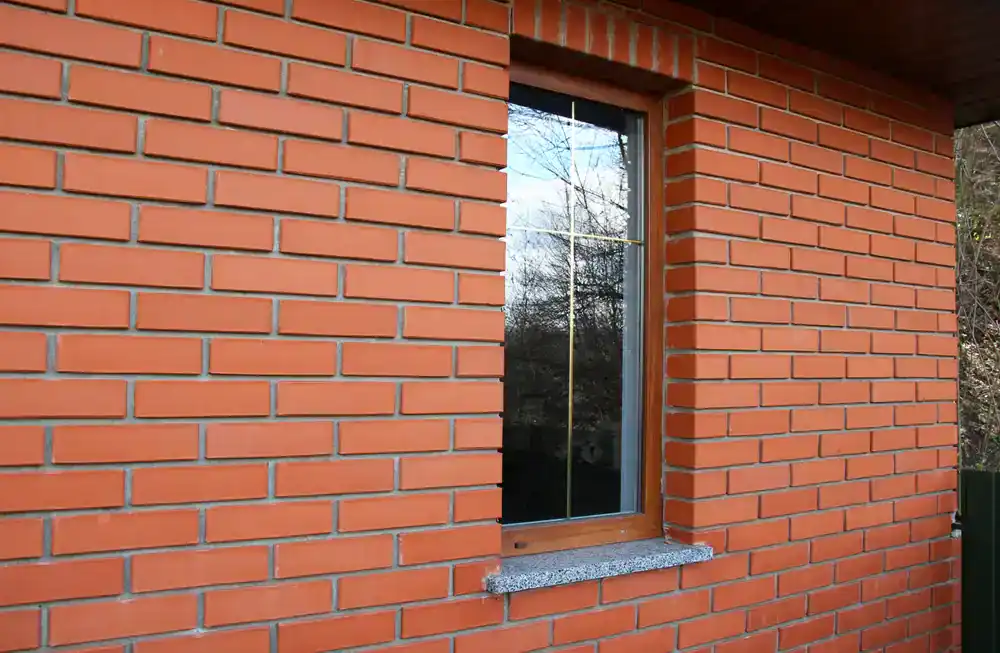
Foundation work and brick veneers round out what we do. If your foundation has cracks or your brick veneer is pulling away from the house, those aren’t cosmetic issues. They’re structural problems that get worse and more expensive the longer you wait. Livingston’s soil conditions and weather patterns make foundation maintenance especially important, and we’ve worked on enough homes here to know what holds up and what doesn’t.
Chimney repairs in Livingston typically range from $800 for basic repointing work to $3,500 or more for crown rebuilds or structural repairs. The cost depends on what’s actually damaged and how much of the chimney needs work.
If you’re just dealing with some cracked mortar joints and minor spalling, repointing those sections might run $800 to $1,500. But if your chimney crown is cracked and letting water seep into the structure, you’re looking at a rebuild, which costs more because we’re removing the damaged crown, rebuilding it properly, and sealing it correctly.
Structural issues like a leaning chimney or damaged flue liner push costs higher because the work is more involved and the stakes are higher. A leaning chimney can collapse. A damaged flue liner can leak carbon monoxide into your home. Those aren’t repairs you want done cheaply. The best move is to get a free estimate so you know exactly what’s wrong and what it’ll cost to fix it right.
Repointing means removing damaged mortar from the joints between bricks and filling those joints with new mortar. Replacing brick means taking out damaged bricks entirely and installing new ones. You repoint when the mortar is failing but the bricks are still solid. You replace bricks when they’re cracked, crumbling, or spalling.
Most of the time, mortar fails before bricks do, especially in New Jersey where freeze-thaw cycles break down mortar joints. If we catch it early, repointing is all you need, and it costs significantly less than replacing bricks. But if water has been getting into the wall through failed mortar joints, the bricks themselves can start to deteriorate.
Spalling is when the face of the brick flakes off, usually because water got inside the brick, froze, and expanded. Once a brick is spalling, repointing won’t fix it. You need to replace those bricks. During an inspection, we’ll tell you which bricks can stay and which ones need to come out. There’s no point in repointing around damaged bricks that are just going to fail in another year.
A properly built retaining wall in Livingston should last 20 to 50 years, depending on the materials used and how well it was constructed. The biggest factor isn’t the blocks or stones themselves; it’s the drainage behind the wall and the quality of the base it sits on.
Retaining walls fail when water builds up behind them and creates hydrostatic pressure. That pressure pushes the wall forward, causing it to bow, crack, or collapse. If the wall was built without proper drainage—no gravel backfill, no weep holes, no perforated drain pipe—it’s going to fail early, sometimes within five to ten years.
The base matters just as much. If the wall is sitting on unstable soil or the footer wasn’t deep enough, it’ll shift and crack. Livingston’s soil conditions and weather make this even more critical. We see plenty of retaining walls that were built without proper prep, and they don’t make it past 15 years. When we build a retaining wall, we excavate to stable soil, install a compacted gravel base, and set up drainage that actually works. That’s how you get 30, 40, 50 years out of a wall.
Yes, but it depends on why it’s pulling away and how much damage has already happened. Brick veneer pulls away from a house when the metal ties that connect the veneer to the wall sheathing corrode or fail. Once those ties break, the veneer has nothing holding it to the structure, and gravity takes over.
If we catch it early, we can install new wall ties, reattach the veneer, and stabilize the section that’s pulling away. But if the veneer has pulled out far enough that the bricks are cracked or the mortar joints are completely separated, we may need to remove that section and rebuild it. Ignoring it isn’t an option. Loose brick veneer can collapse, and when it does, you’re looking at a much bigger repair bill plus potential damage to anything or anyone below it.
We also check for water damage behind the veneer, because that’s often part of the problem. If water has been getting behind the brick and rotting the sheathing or corroding the ties, we need to address that too. The repair might include new flashing, better drainage, or replacing damaged sheathing before we reattach or rebuild the veneer.
It depends on the scope of the work. Minor repairs like repointing mortar or replacing a few bricks usually don’t require a permit in Livingston. But if you’re building a new retaining wall over a certain height, adding a new chimney, or doing structural foundation work, you’ll need a permit from the Livingston building department.
Retaining walls are where this comes up most often. If your wall is over four feet tall or if it’s supporting a significant load, Livingston requires a permit and sometimes an engineered design. The town wants to make sure the wall is built correctly because a failing retaining wall can cause property damage, erosion, and safety hazards.
We handle the permit process as part of the job. We’ll let you know upfront if your project requires one, we’ll pull the permit, and we’ll schedule the inspections. You don’t have to deal with the building department yourself. The last thing you want is to finish a big masonry project and then find out you needed a permit, because that can mean fines and potentially having to tear out work and redo it to code.
If the crack is wider than a quarter inch, if it’s horizontal, or if it’s getting bigger, it’s serious and you need to have it looked at immediately. Vertical hairline cracks are common in poured concrete foundations and usually aren’t structural issues, but they can let water in, which creates other problems.
Horizontal cracks or cracks that run diagonally across your foundation wall indicate structural movement, and that’s not something you wait on. Those cracks mean the soil outside is putting pressure on your foundation, or the foundation is settling unevenly. Left alone, that kind of damage gets worse and can compromise your home’s structural integrity.
Stair-step cracks in block foundations are another red flag. They follow the mortar joints in a stair-step pattern and usually mean the foundation is shifting or settling. Even if the crack seems small now, it’s telling you something is moving, and movement doesn’t stop on its own. We’ll inspect the foundation, figure out what’s causing the crack, and recommend the right repair—whether that’s epoxy injection for a stable crack, carbon fiber reinforcement for a bowing wall, or a more involved repair if the foundation has significant structural damage.
Other Services we provide in Livingston