
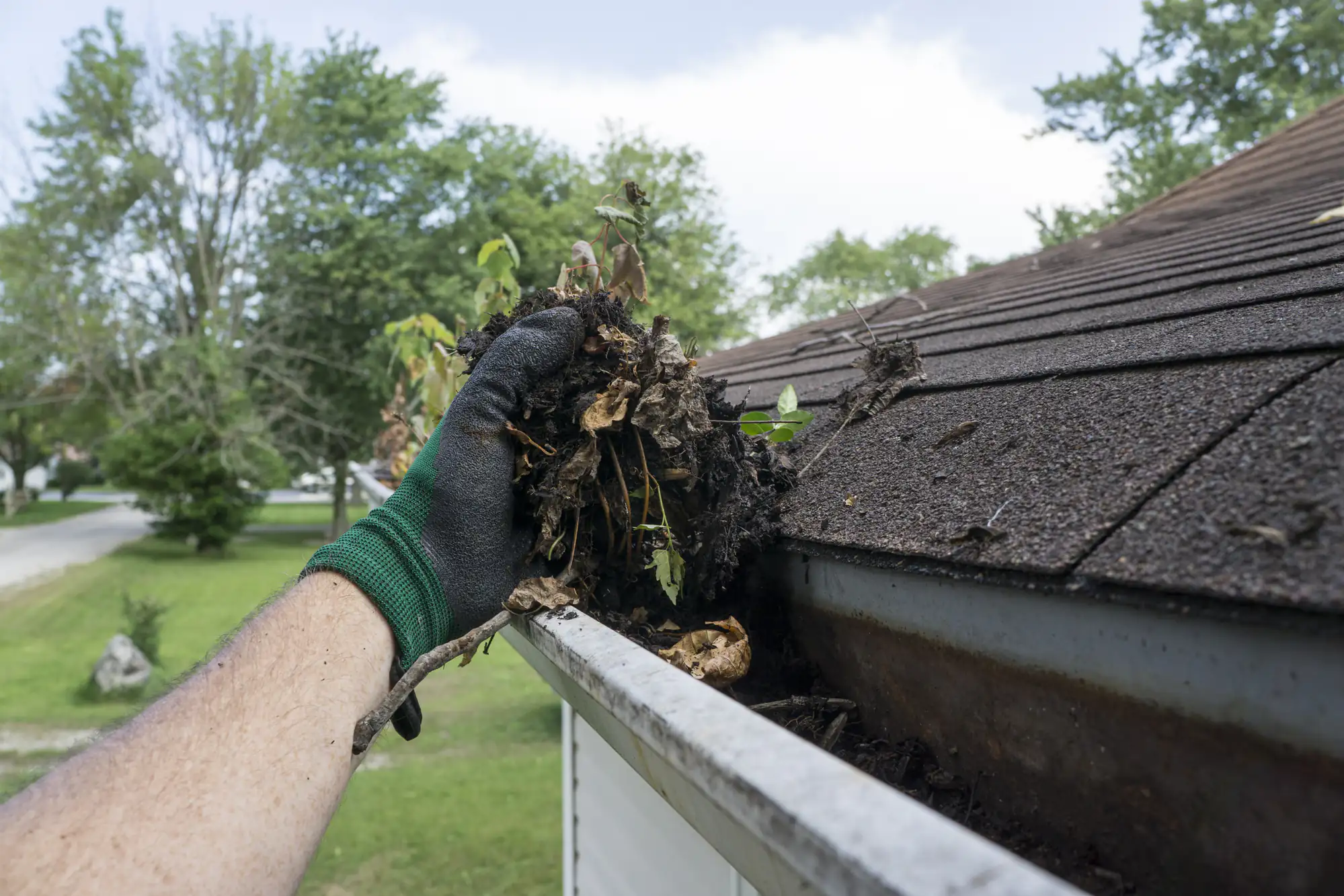
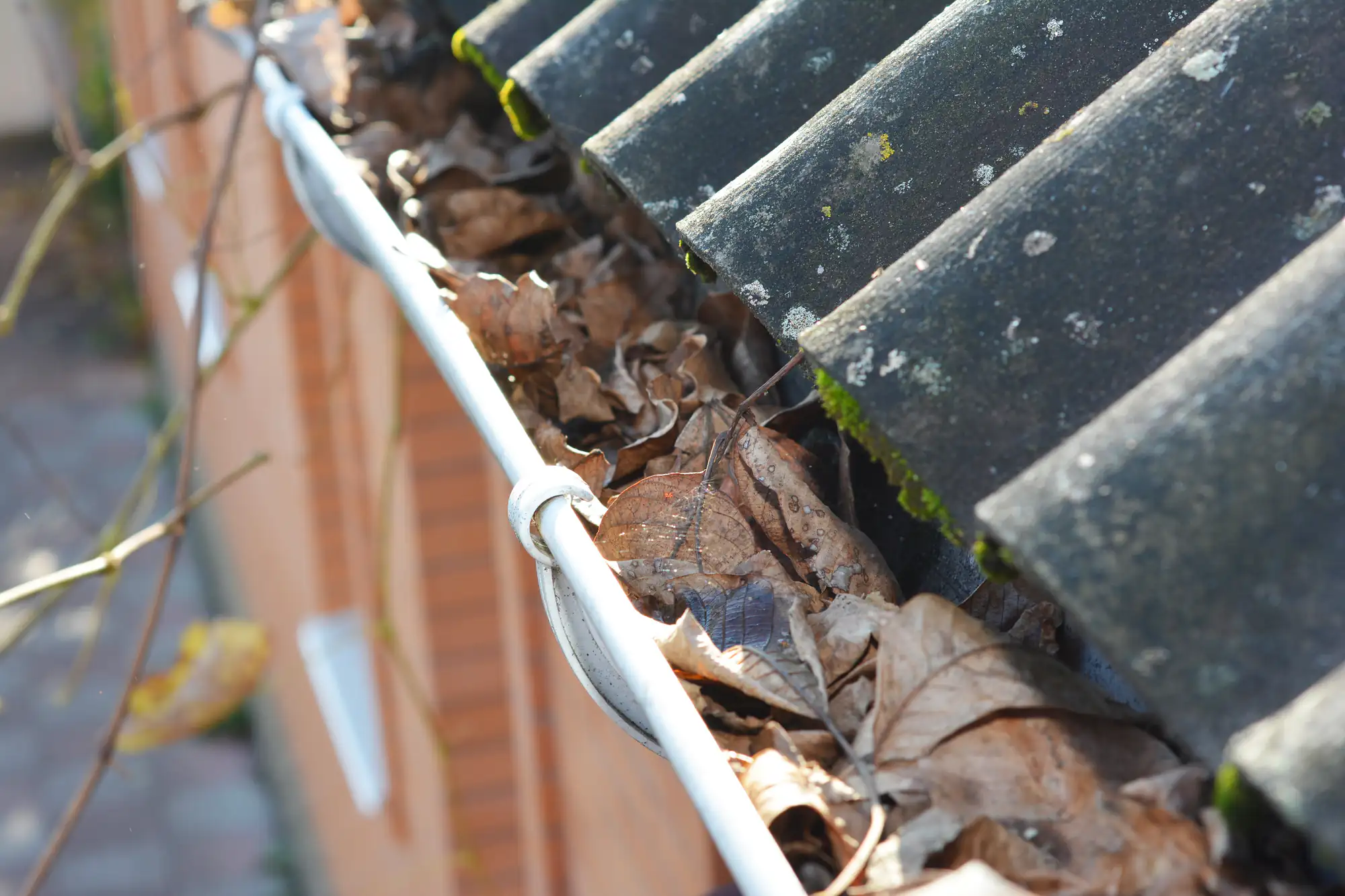
More than 40% of homes in Dover were built before 1950. That means gutters that are aging, often original, and dealing with wear that newer suburban homes simply don’t have. When debris builds up in a system that’s already working harder than it should, the overflow doesn’t just stain your siding it saturates the ground along your foundation and works its way in.
Dover also sits directly on the Rockaway River, and the town has a documented history of serious flood events. Your gutters are the first line of defense between a heavy Morris County rainstorm and your basement. When they’re clogged, that defense disappears and the water has to go somewhere.
A proper gutter cleaning gives you drainage that actually functions. Water moves off the roof, through the downspouts, and away from the house the way it’s supposed to. For a Dover home with decades of history behind it, that’s not routine maintenance it’s protection that directly offsets the kind of water damage that costs homeowners tens of thousands of dollars to repair.
We’re a family-owned general contracting company that has been serving Morris County homeowners since 2018. We’re not a gutter-only company, and that distinction matters. When we’re on a ladder at your Dover home and we spot soft fascia behind the bracket, a failing seam, or shingles that are forcing water into the gutter channel we can fix it. You don’t need a second call or a second contractor.
We’re BBB accredited and a GAF Preferred Contractor, which means our work is held to a standard that’s independently verified not just something we say about ourselves. Dover homeowners near Hurd Park, along the Route 46 corridor, and throughout the 07801 zip code have trusted us to show up on time, do the job thoroughly, and leave the property clean. That’s the baseline, and we hold to it on every job.
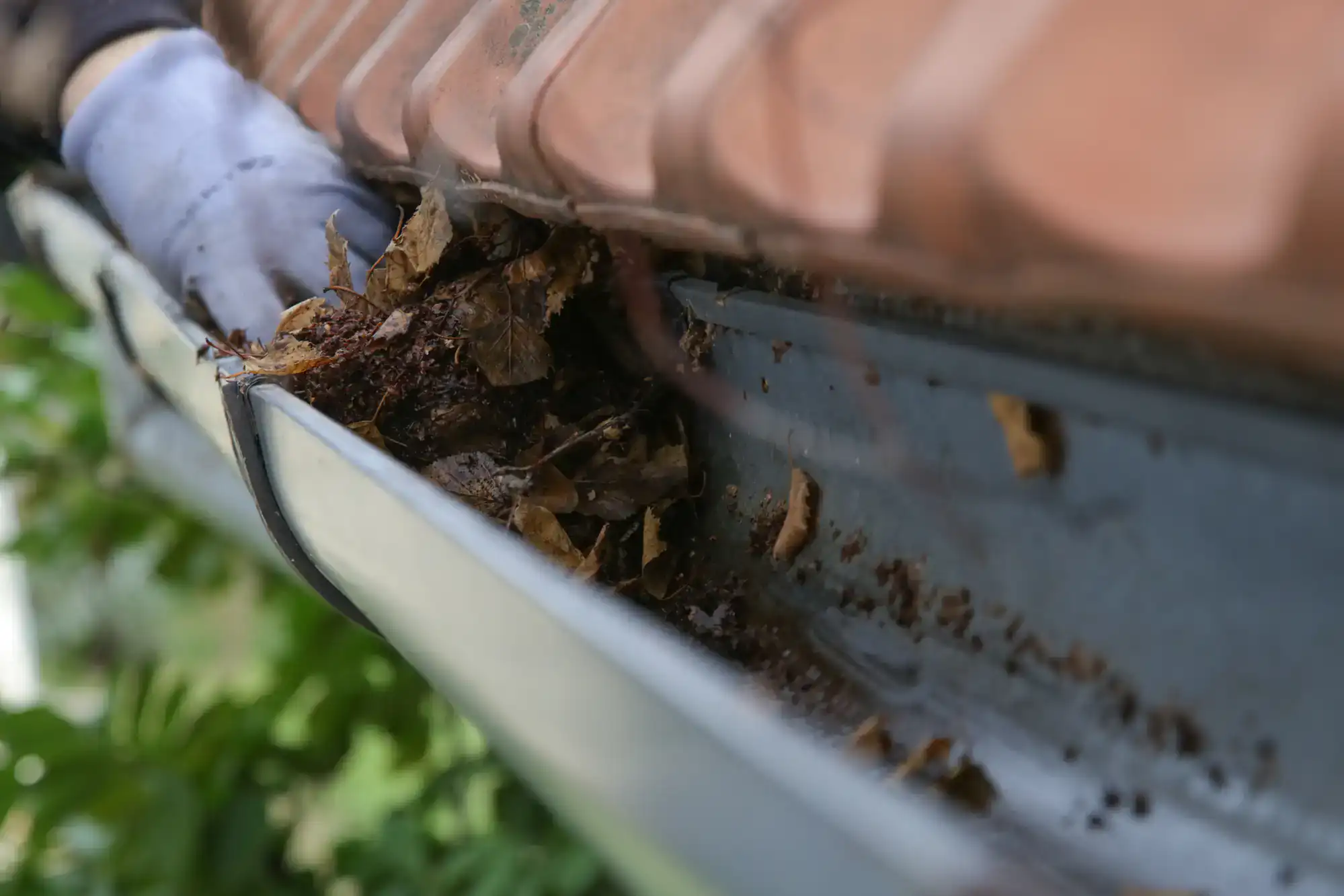
It starts with a free consultation. We take a look at your gutter system, note what we’re dealing with debris load, hanger condition, pitch, any visible damage and give you a clear, flat-rate price before anyone gets on a ladder. No surprises on the invoice.
On the day of service, we remove all debris from the gutter troughs first. Leaves, seed pods, shingle grit, compacted organic material it all comes out. Then we flush every downspout individually to confirm water is moving freely from the roofline to the ground. This step matters more than most people realize. A blocked downspout is the most common reason gutters overflow even after they’ve been “cleaned,” and it’s the step that discount services skip.
Dover’s Shade Tree Commission actively maintains and expands the town’s urban canopy which is great for the neighborhood and genuinely rough on gutters. Mature street trees and riparian vegetation along the Rockaway River corridor mean debris loads here are heavier than in newer suburban towns. We factor that in when we assess your system and when we advise you on cleaning frequency. After the job, we do a full cleanup of the work area no debris left on the lawn, in the flower beds, or in the driveway and we walk you through anything we found that needs attention.
Ready to get started?
Request a callback

Gutter cleaning in Dover, NJ isn’t a one-size-fits-all job. The age of the housing stock here means we’re regularly working on systems that have been in place for decades gutters with worn hangers, failing seams, and fascia boards that have been quietly deteriorating behind the bracket. Our cleaning includes a full visual inspection of the entire system, not just debris removal. If something needs repair, you’ll know before we leave.
Timing matters here too. Fall is the most critical window Dover’s active urban canopy drops heavy leaf loads fast, and gutters can fill within two to three weeks of peak leaf drop in October and November. Cleaning after the bulk of leaves have fallen but before the first hard freeze is the single most important maintenance event of the year for a Dover homeowner. Wet debris that freezes solid in December creates ice dams that force water under aging shingles and into the home’s interior a real risk on Morris County’s older housing stock.
Spring cleaning matters as well. Winter deposits pollen, seed casings, and shingle grit that accumulate over the cold months and restrict flow right when Morris County’s heaviest spring rainfall hits. We handle both seasonal cleanings, and for properties with heavy tree coverage near the Rockaway River corridor, we can advise on whether a third visit makes sense for your specific situation. Every job is backed by our full warranty, and the consultation is always free.
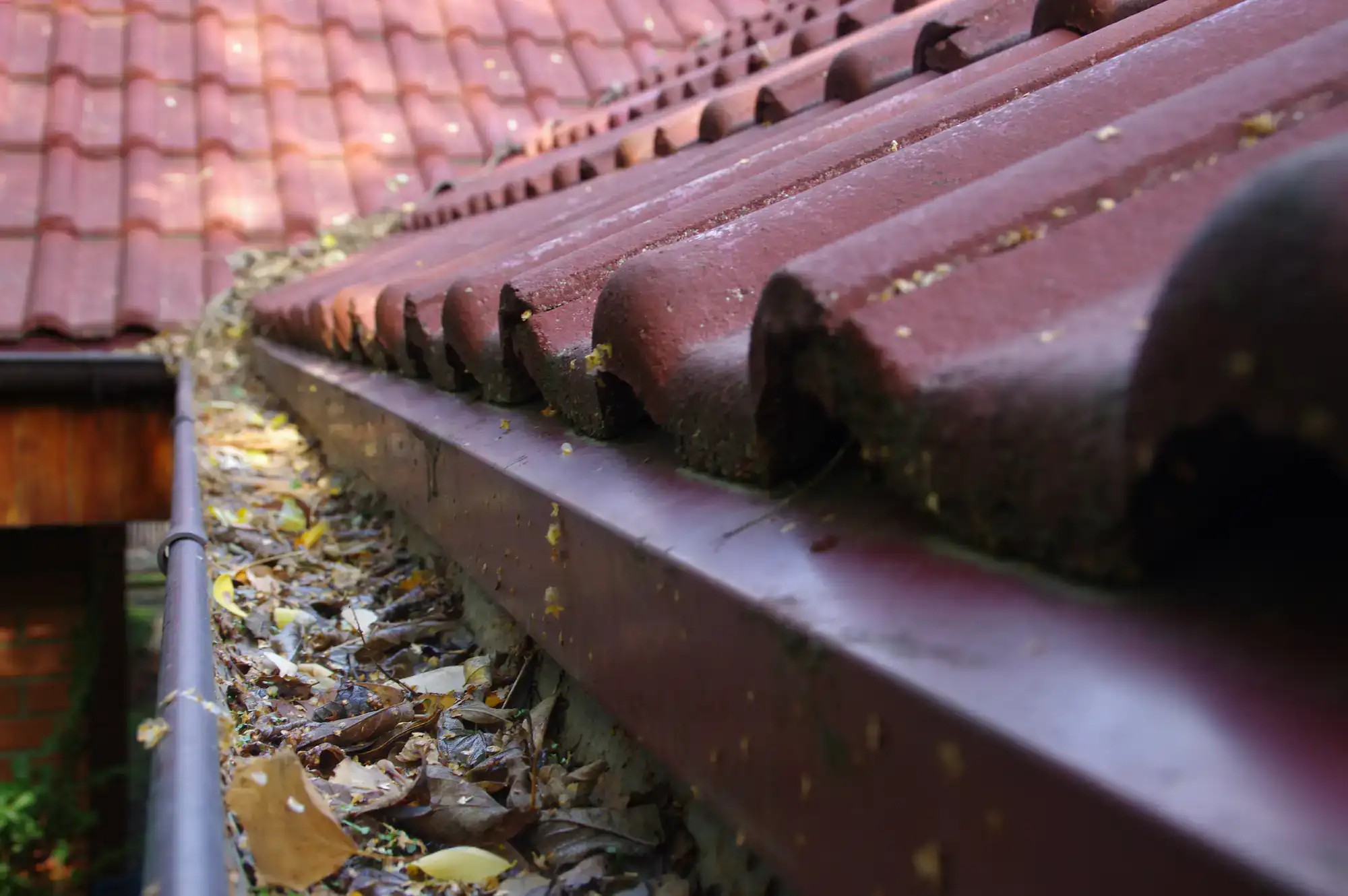
For most Dover homeowners, twice a year is the right baseline once in late fall after the bulk of leaves have dropped, and once in early spring after winter debris has accumulated. Dover’s Shade Tree Commission actively maintains and expands the town’s urban tree canopy, which means properties near mature street trees or along the Rockaway River corridor may be dealing with a heavier debris load than you’d find in a newer suburban town with less established tree coverage.
If your gutters are overflowing during moderate rain events even after a recent cleaning, that’s usually a sign that your current schedule isn’t keeping up with the debris load at your specific property. Homes near Hurd Park or on blocks with dense canopy coverage may benefit from a third cleaning in late summer. When we do your initial assessment, we’ll give you an honest recommendation based on what we actually see not a one-size-fits-all answer.
For most single-family homes, professional gutter cleaning runs between $100 and $300 per visit depending on the size of the home, the number of stories, and the condition of the gutters going in. Homes that haven’t been cleaned in several years or that have significant debris compaction may fall toward the higher end of that range. We provide flat-rate, transparent pricing after the free consultation so you know the exact number before any work begins.
The more useful way to think about cost is against what you’re protecting. The average water damage insurance claim tied to gutter neglect runs between $11,000 and $14,000. For a Dover homeowner managing a tight household budget, two cleanings a year at $200 each is a straightforward investment compared to a flooded basement, a saturated foundation, or a damaged roofline on a home that was built before 1950. We’ll always give you the honest number upfront no pressure, no upsell.
Yes and in Dover specifically, the risk is higher than in many other towns. When gutters overflow, water doesn’t just run down the siding. It pools at the base of the foundation, saturates the soil, and works its way through any crack or gap in a foundation wall. On a pre-1950s home which describes more than 40% of Dover’s housing stock foundation walls are often older masonry construction that is more porous and more susceptible to water intrusion than poured concrete.
Dover also sits on the Rockaway River and has a documented history of serious flood events, including a 50-year flood in October 1996. The town operates under a formal Flood Damage Prevention ordinance for exactly this reason. Clogged gutters don’t cause river flooding, but they add water pressure directly at your foundation during the same heavy rain events that are already stressing drainage throughout the area. Keeping your gutters clear and your downspouts flushed is one of the most direct things you can do to reduce water intrusion risk in a home that’s already in a flood-adjacent environment.
Gutter cleaning removes the debris. An inspection looks at the condition of the system itself the hangers, the seams, the pitch, the fascia board behind the bracket, and the condition of the downspout connections. For a newer home, cleaning alone is usually sufficient. For a Dover home built in the 1940s or 1950s, cleaning without inspection is a missed opportunity.
On older gutter systems, the debris is often the least of the problem. Hangers corrode and loosen over time, causing the gutter to sag and lose proper pitch which means water pools in the trough instead of flowing to the downspout. Seams fail and develop slow leaks that rot the fascia behind them. These are things you can’t see from the ground, and they don’t show up until the damage is already done. We include a visual inspection of the full system as part of every cleaning. If we find something that needs attention, we’ll tell you clearly and because we’re a full-service exterior contractor, we can address most issues on the same visit rather than leaving you to schedule a second crew.
Nine times out of ten, the answer is a blocked downspout. The visible debris in the gutter trough gets the attention, but the downspout is where most clogs actually form. Leaves, compacted organic material, and debris that washes down from the gutter channel collect at the elbow or underground connection point and restrict flow sometimes completely. When that happens, water has nowhere to go and backs up into the gutter until it overflows at the edge.
This is also one of the most common problems we see in Dover homes that were cleaned by a discount service that didn’t flush the downspouts. Scooping the trough and leaving is fast, but it doesn’t confirm that water is actually moving through the system. We flush every downspout individually as part of every cleaning running water through from the top and confirming clear flow at the outlet before we move on. If a downspout is blocked, we clear it before we leave. If the overflow is happening because of a pitch issue or a sagging section, we’ll identify that during the inspection and walk you through what it would take to correct it.
Yes and that’s one of the more practical differences between hiring us and hiring a gutter-only company. When a cleaning reveals a problem loose hangers, a failing seam, soft fascia behind the bracket, or a downspout that’s disconnected from its underground drain a gutter specialist notes it and moves on. You’re left to find a second contractor, get a second estimate, and wait for a second appointment.
We handle roofing, siding, chimney, masonry, and gutters, which means the same crew that finds a problem can usually fix it on the same visit. For Dover homeowners on older properties where one deferred maintenance issue frequently connects to another that matters. A soft fascia board behind the gutter bracket is often a sign of long-term moisture exposure, which can connect to roofline issues above it. Catching and addressing that during a routine cleaning is the kind of thing that prevents a $200 service call from becoming a $5,000 repair down the road. Any repair work beyond basic cleaning is quoted transparently before we start same flat-rate, no-surprise approach we use on every job.
Other Services we provide in Dover