

Your patio should work as hard as you do. That means proper drainage so water doesn’t pool after rain. A base that won’t settle when the ground freezes and thaws. Materials that hold their color through brutal summers and icy winters.
You’re not just adding square footage. You’re creating space where your family actually wants to spend time. Where you can host without worrying about uneven pavers or weeds pushing through joints. Where your outdoor furniture sits level and your grill has a stable foundation.
The difference between a patio that lasts five years and one that lasts twenty comes down to what happens before the first paver goes down. We’re talking about excavation depth, base material, compaction, and slope. Get those wrong and nothing else matters. Get them right and you’ve got an outdoor space that adds real value to your property and your daily life in Short Hills, NJ.
We handle patios, driveways, walkways, and masonry work throughout Short Hills and Essex County. We’re licensed, insured, and we’ve seen what happens when contractors cut corners on base prep or use subpar materials.
Short Hills homes deserve better than that. Your property values reflect a certain standard, and your outdoor spaces should too. We know the local codes, the soil conditions, the drainage challenges that come with this area. We know which materials hold up and which ones fade or crack after a few freeze-thaw cycles.
When we give you a quote, that’s what you pay. No surprise charges when we hit clay soil or need extra base material. We price it right from the start because we’ve done enough projects here to know what to expect.

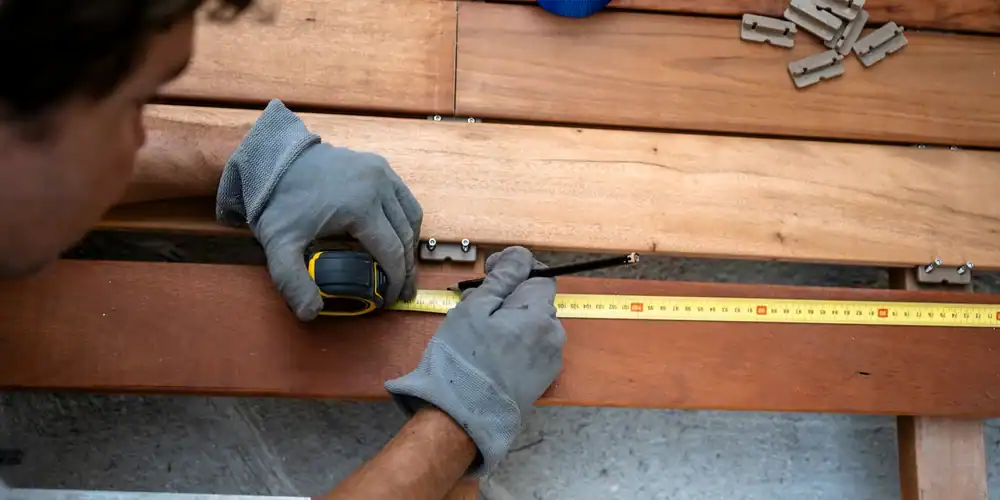
First, we meet at your property. You show us the space, tell us how you want to use it, and we take measurements. We discuss materials—Cambridge pavers, concrete, paver stones—and show you options that fit your home’s style and your budget.
Next comes the estimate. We break down costs for excavation, base material, pavers or concrete, labor, and any extras like steps or borders. You’ll know exactly what you’re paying for before we start.
Once you approve, we schedule the work and pull any necessary permits. We excavate to the right depth, install and compact the base properly, set the slope for drainage, and then install your patio pavers or pour your concrete patio. We clean up daily and do a final walkthrough when we’re done.
The whole process typically takes a week to ten days depending on size and complexity. You’ll have a clear timeline before we break ground, and we stick to it unless weather forces a delay.

Ready to get started?
Every patio project includes proper excavation, base preparation with crushed stone, compaction, edge restraints, and your choice of materials. We handle the permits, the heavy equipment, the hauling, and the cleanup.
For paver patios, you can choose from Cambridge pavers with ARMORTEC technology, which resists staining and fading better than standard pavers. We offer multiple colors and patterns, from classic brick layouts to modern large-format designs. The trend in Short Hills right now leans toward cool gray tones and larger pavers that create a cleaner, more contemporary look with fewer seams.
If you prefer concrete, we can do stamped patterns, exposed aggregate, or smooth finishes. Concrete patios cost less upfront than pavers but offer fewer repair options if settling occurs. Most Short Hills homeowners choose pavers for the flexibility and the ability to replace individual stones if needed.
We also install driveway pavers, walkways, steps, and retaining walls. If you’re planning multiple projects, we can phase them to spread out costs while maintaining design consistency across your property. Your outdoor space should flow together, not look like it was done in random pieces by different contractors.

A properly installed paver patio in Short Hills, NJ should last 25 to 30 years or more. The key word there is “properly installed.”
The lifespan depends almost entirely on base preparation. If the excavation isn’t deep enough, if the base material is wrong, or if compaction is skipped, you’ll see settling within a few years. Pavers will become uneven, gaps will open up, and weeds will take over the joints.
Cambridge pavers with ARMORTEC hold their color and resist stains better than standard pavers, which matters when you’re looking at decades of sun exposure and New Jersey winters. But even the best pavers won’t save a bad installation. We excavate 8 to 10 inches, install 6 inches of compacted crushed stone, add a layer of bedding sand, and then set the pavers with proper edge restraints. That’s what keeps your patio level and stable for the long term.
Cost, repairability, and appearance. Concrete patios cost less upfront—usually 30 to 40 percent less than pavers. They go in faster and create a smooth, continuous surface.
But if a concrete patio cracks or settles, your repair options are limited. You can patch it, but the patch will always be visible. With pavers, you can lift and relay individual stones or entire sections without tearing out the whole patio.
Pavers also offer more design flexibility. You can mix colors, create patterns, add borders, or change the layout later. Concrete gives you stamped patterns or exposed aggregate, but you’re locked into that look. Most homeowners in Short Hills choose pavers for higher-end projects because they look more custom and hold resale value better. Concrete makes sense if budget is tight or if you want a clean, modern aesthetic with a smooth surface.
Slope. Every patio needs a minimum slope of 2 percent away from your house—that’s a quarter inch of drop for every foot of patio length.
We establish the slope during base prep, not after the pavers go down. The entire base gets graded so water flows toward the yard or a drainage area, never toward your foundation. If your yard is flat or if you’re dealing with a low spot, we may need to add a drainage system with a catch basin and underground piping.
Short Hills properties often have clay soil that doesn’t drain well, which makes proper slope even more important. Standing water will freeze in winter, and that freeze-thaw cycle will shift your pavers and damage the base over time. We check slope with a level at multiple stages during installation to make sure water moves where it’s supposed to go. It’s not complicated, but it has to be done right from the start.
Yes, but it requires more excavation and possibly a retaining wall. If your yard slopes, we need to cut into the high side and build up the low side to create a level surface.
For moderate slopes, we can usually handle it with extra base material and proper grading. For steeper slopes, you’ll need a retaining wall to hold back the soil on the high side. That adds cost, but it also creates opportunities for tiered patios, built-in seating, or raised planter beds.
Sloped yards are common in Short Hills, and we’ve built plenty of patios on properties with elevation changes. The key is designing the space so it feels intentional, not like you just carved a flat spot out of a hill. We can show you examples of how we’ve handled similar situations and give you options that fit your budget and your vision for the space.
Most paver patios in Short Hills run between $18 and $35 per square foot installed, depending on materials, site conditions, and design complexity. A standard 300-square-foot patio typically costs $5,400 to $10,500.
Cambridge pavers cost more than basic concrete pavers, but they come with better warranties and fade resistance. If your yard has access issues, heavy clay soil, or drainage problems, expect costs on the higher end. Custom patterns, borders, steps, and built-in features like fire pits or seat walls add to the total.
We give you a detailed written estimate that breaks down material costs, labor, base prep, and any extras. No hidden charges, no surprises when we hit clay or need to bring in extra fill. We price the job based on what we expect to find, and if conditions are better than anticipated, you don’t pay for work we didn’t have to do. You’ll know the full cost before we start, and that’s what you’ll pay when we’re done.
It depends on the size and scope of your project. Most patio installations in Short Hills, NJ don’t require permits if they’re at ground level and not attached to the house structure. But if you’re adding steps, retaining walls over a certain height, or changing drainage patterns, you may need approval.
We handle permit research and applications as part of our service. We know the local building department requirements and what triggers a permit review. If your project needs one, we pull it and make sure the work meets code.
Skipping permits when they’re required can create problems down the road—especially if you sell your home and the buyer’s inspector flags unpermitted work. We do it right from the start so you don’t have to worry about it later. Most patio projects move forward quickly once we confirm permit status, and we build that timeline into your project schedule from day one.
Other Services we provide in Short Hills