Your chimney stops leaking into the living room. Your front steps don’t shift every spring. The retaining wall behind your house actually retains something.
That’s what happens when mortar joints are done right—with the correct depth, the right mortar type for New Jersey’s climate, and proper curing time. Not when someone rushes through repointing on a Saturday because they underbid the job.
Most masonry work in Short Hills runs between $900 and $5,000 depending on the scope. Chimney repairs and brick repointing are the most common calls we get. The price moves based on access, scaffold height, and whether you need historic matching for older homes. But the real cost is what you pay later if it’s done wrong the first time.
Properly installed masonry lasts 15 to 30 years. Water damage, crumbling mortar, and spalling bricks aren’t just ugly—they’re structural problems that get worse fast, especially during winter.
We’ve been handling masonry work in Short Hills and across Essex County since 2004. We’re licensed in New Jersey (License #13VH12693500), fully insured, and we pull permits when the job requires it.
We’re not the cheapest option. We’re the option that uses Type N or S mortar depending on your wall’s exposure, matches historic brick when your home was built in 1920, and doesn’t disappear after the deposit clears.
Short Hills homes deal with specific challenges—older masonry that needs careful restoration, high-end materials that require precise matching, and weather conditions that don’t forgive shortcuts. We’ve seen what fails here, and we know what holds up.
You call or submit a request. We schedule a site visit to look at the actual problem—not guess over the phone.
During that visit, we assess the condition, check for underlying issues like water intrusion or structural movement, and measure what needs to be done. You get a written scope, itemized pricing, and a realistic timeline. No obligation, no pressure, no hidden fees that show up later.
If you move forward, we handle permits and inspections if required. We set up scaffolding or access equipment based on the height and complexity. Then we start the work—removing damaged brick or mortar, preparing the surface, and installing or repointing with the correct materials and techniques.
For chimney rebuilding, that means tearing down to sound masonry and rebuilding with proper flashing and caps. For retaining walls, it means drainage solutions so the wall doesn’t fail in two years. For brick veneer or stone work, it means proper ties and weep holes so moisture doesn’t get trapped.
We clean up the site daily and do a final walkthrough when the job’s done. You shouldn’t have to call us back in six months because something failed.
Ready to get started?
Request a callback

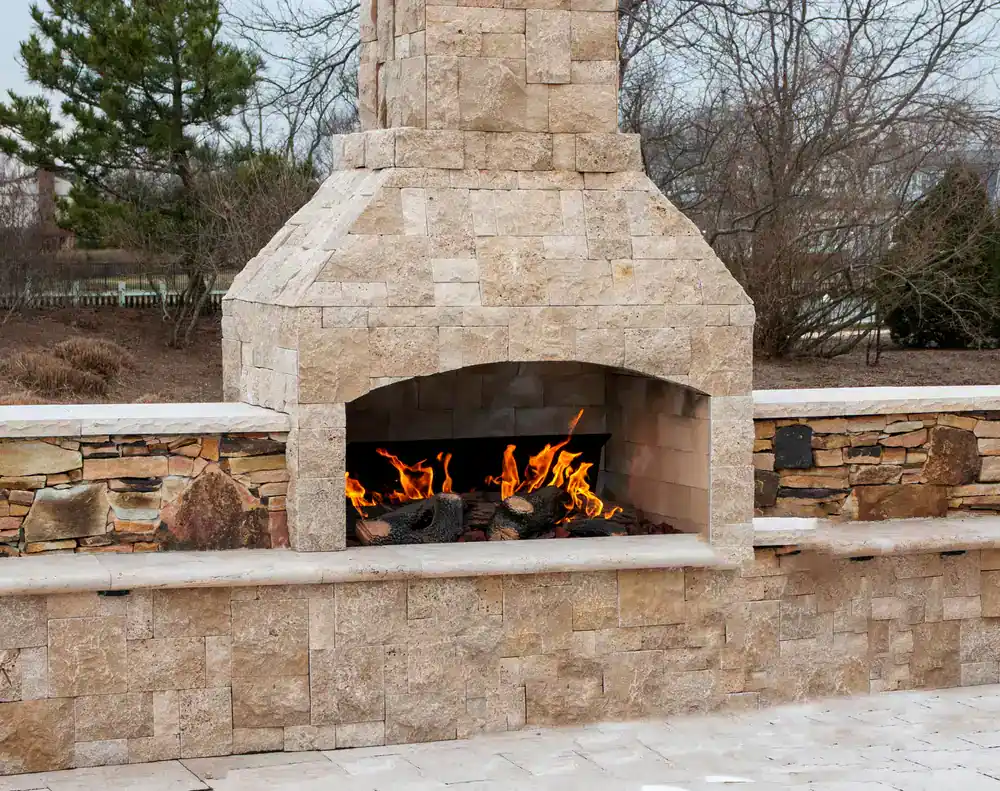
Chimney repair and rebuilding are a big part of what we do in Short Hills. Chimneys take a beating from weather, and most problems start small—a crack in the crown, missing mortar, a damaged flue liner. Left alone, you end up with water in your walls, structural instability, or worse.
We also handle brick and stone veneer installation, which adds value and curb appeal when done right. That means proper substrate prep, correct mortar selection, and installation that accounts for expansion and moisture movement.
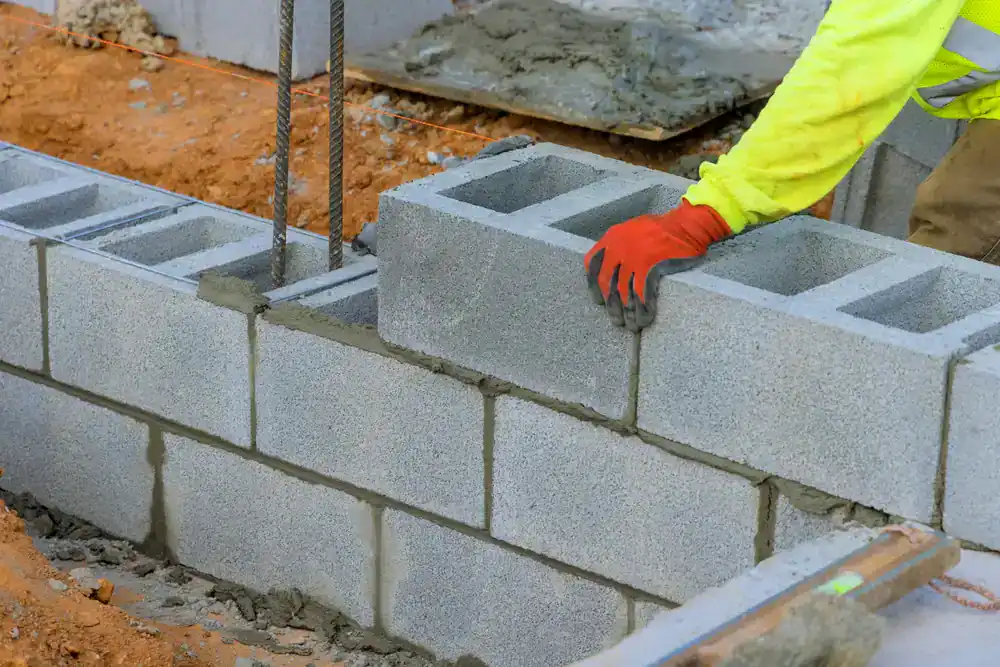
Retaining walls, patios, and steps are common requests. A retaining wall isn’t just stacked stone—it needs drainage, a solid base, and proper backfill or it’ll fail. Same with steps: if the foundation shifts or water pools underneath, you’re rebuilding in three years.
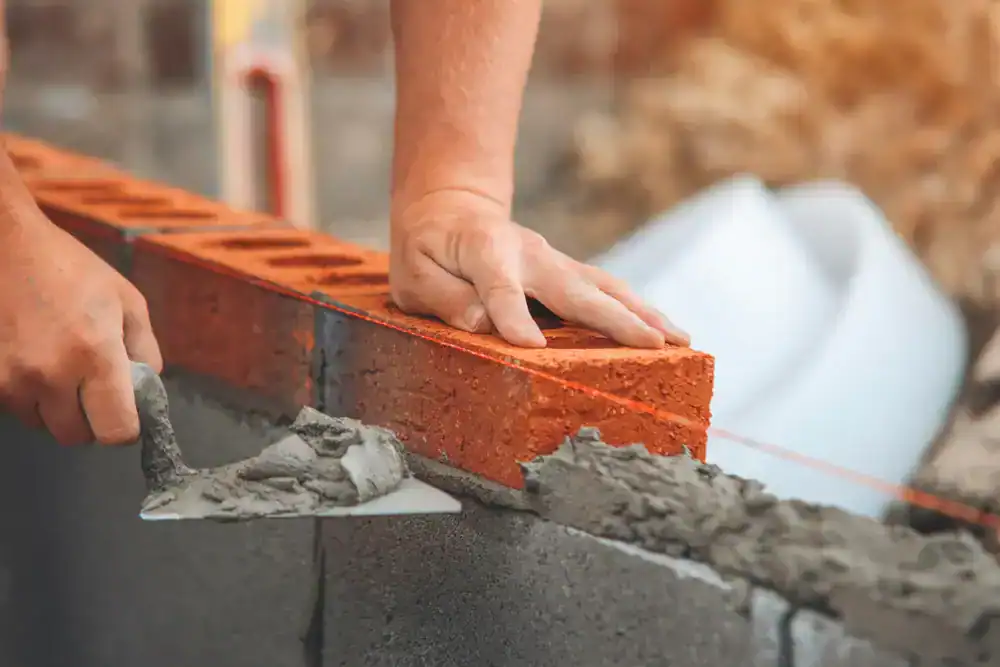
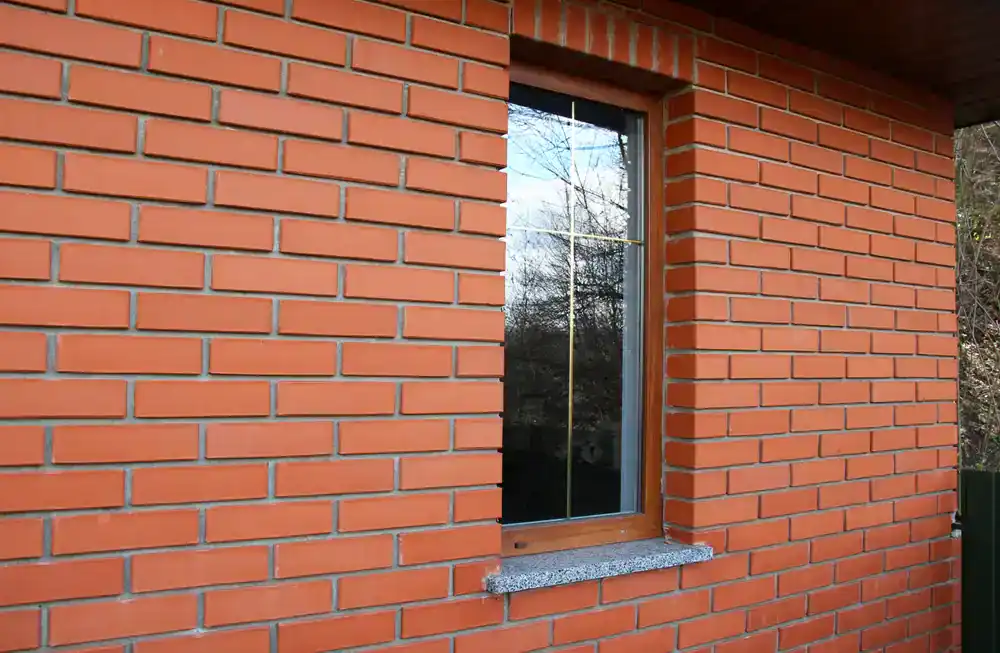
Brick repointing and restoration work is critical for older homes in Short Hills. The freeze-thaw cycle here destroys old mortar, and repointing with the wrong mix or technique does more harm than good. We match the original mortar type and joint profile so the repair blends in and performs correctly.
We also handle brick paving, masonry waterproofing, and emergency repairs when a chimney or wall becomes unsafe. If it involves brick, stone, or concrete, we’ve probably done it a hundred times.
Most chimney repairs in Short Hills run between $1,200 and $4,500 depending on what’s wrong and how much access we need. Simple repointing or crown repair sits on the lower end. Full rebuilds, flue liner replacement, or structural stabilization cost more.
The price moves based on chimney height, the extent of damage, and whether we need scaffolding or a lift to reach it safely. If your chimney is leaning or has missing bricks, that’s a bigger job than sealing a few cracks.
We give you an itemized estimate after we see the chimney in person. No one can give you an accurate price over the phone because there are too many variables. But we’ll walk you through what’s broken, what it takes to fix it, and what happens if you wait.
Small jobs like repointing a section of brick or repairing a chimney crown usually take one to three days depending on weather and curing time. Larger projects like building a retaining wall or rebuilding a chimney can take a week or more.
Mortar needs time to cure properly, especially in cooler weather. Rushing that process leads to weak joints and premature failure. We also factor in time for permits and inspections if the job requires them.
Weather plays a role too. We don’t pour or point in freezing temperatures unless it’s an emergency repair, and even then we use cold-weather methods. Summer heat requires moisture control during curing. We’ll give you a realistic timeline upfront and let you know if conditions push things back.
Water is usually the culprit. It gets into small cracks in the mortar or brick, freezes when temperatures drop, and expands. That expansion creates bigger cracks, which let in more water, and the cycle repeats until you have spalling bricks or crumbling mortar joints.
Poor drainage makes it worse. If water pools near your foundation or doesn’t drain away from a retaining wall, it saturates the masonry and accelerates deterioration. Gutters that overflow or downspouts that dump water right next to brick walls cause a lot of damage over time.
Sometimes it’s age. Mortar breaks down after decades of exposure, especially if it was mixed incorrectly or if the wrong type was used. Older homes in Short Hills often have lime-based mortar that needs careful restoration, not a quick patch with modern cement.
Yes, but it takes more effort than grabbing whatever’s at the supply yard. Older homes in Short Hills often use brick that’s no longer manufactured, so we source reclaimed brick from salvage yards or find the closest modern match based on size, color, and texture.
We also match the mortar mix and joint profile. If your home was built with lime mortar and soft brick, using hard Portland cement for repairs can cause more damage because it doesn’t flex with the brick. We test and match so the repair blends in and performs correctly.
If exact matching isn’t possible, we’ll explain your options—whether that’s using a complementary brick that looks intentional or focusing the repair on a less visible area. The goal is a repair that looks right and lasts, not a patch that stands out or fails in five years.
It depends on the scope of work. Structural repairs, new construction like retaining walls over a certain height, and chimney rebuilds typically require permits. Small repairs like repointing or patching usually don’t, but local codes vary.
We handle the permit process if your job requires it. That includes submitting plans, coordinating inspections, and making sure the work meets code. It adds a little time to the project, but it protects you if there’s ever a question about the work or if you sell the home.
Skipping permits when they’re required can cause problems later—failed inspections, fines, or issues during a home sale. If we’re not sure whether your project needs one, we check with the local building department before we start.
Repointing means removing damaged mortar from the joints between bricks and replacing it with new mortar. The bricks stay in place. It’s what you do when the mortar is crumbling but the bricks are still solid.
Rebuilding means tearing out and replacing the brick itself, usually because it’s cracked, spalling, or structurally compromised. You rebuild when repointing won’t solve the problem—like when a chimney is leaning, bricks are missing, or water damage has gone too far.
Repointing costs less and takes less time because we’re not dismantling and reconstructing the wall. But it only works if the brick is in good shape. If we repoint over damaged brick, you’ll be calling us back in a year or two. We’ll tell you which approach your project actually needs, not which one is easier to sell.
Other Services we provide in Short Hills