
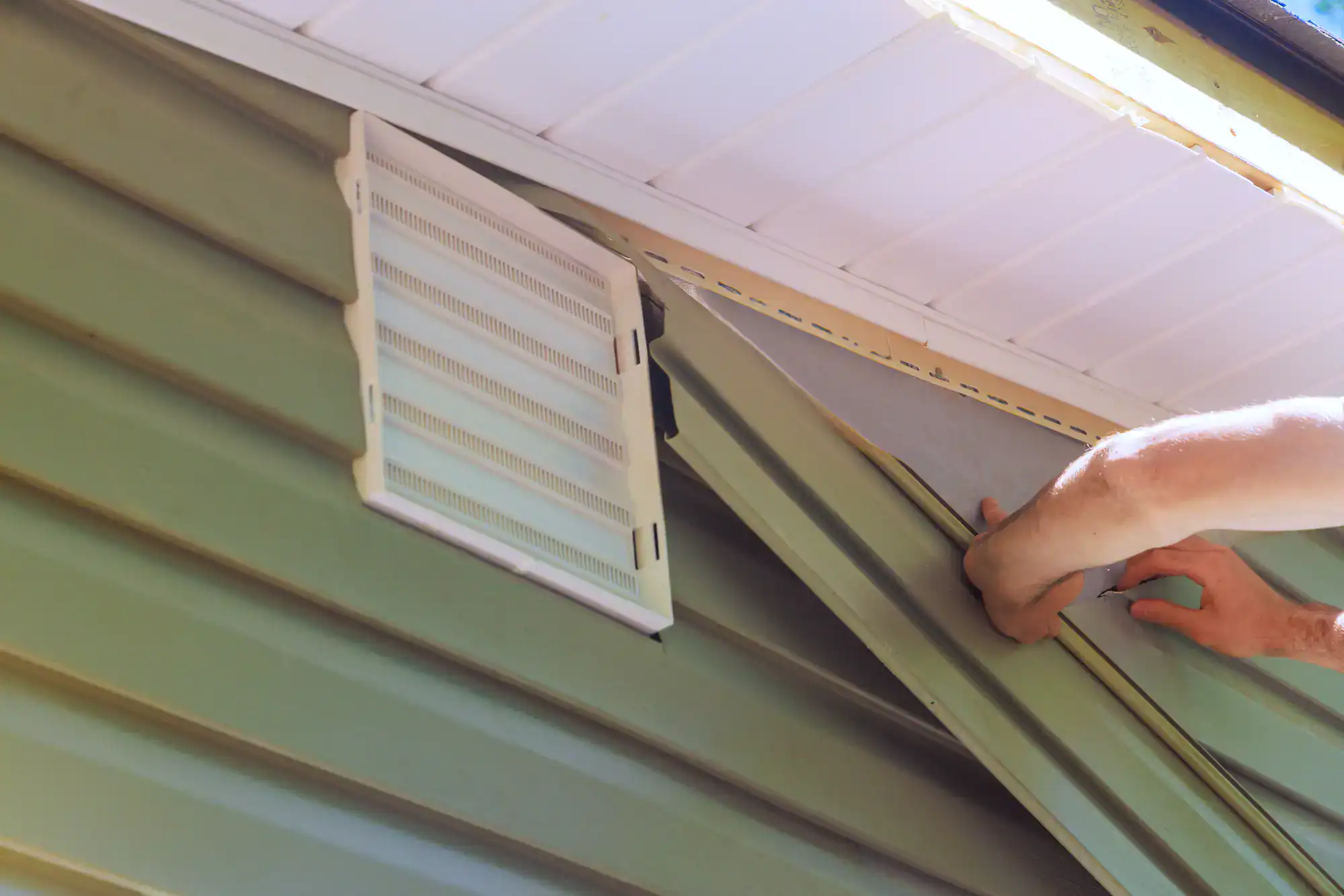
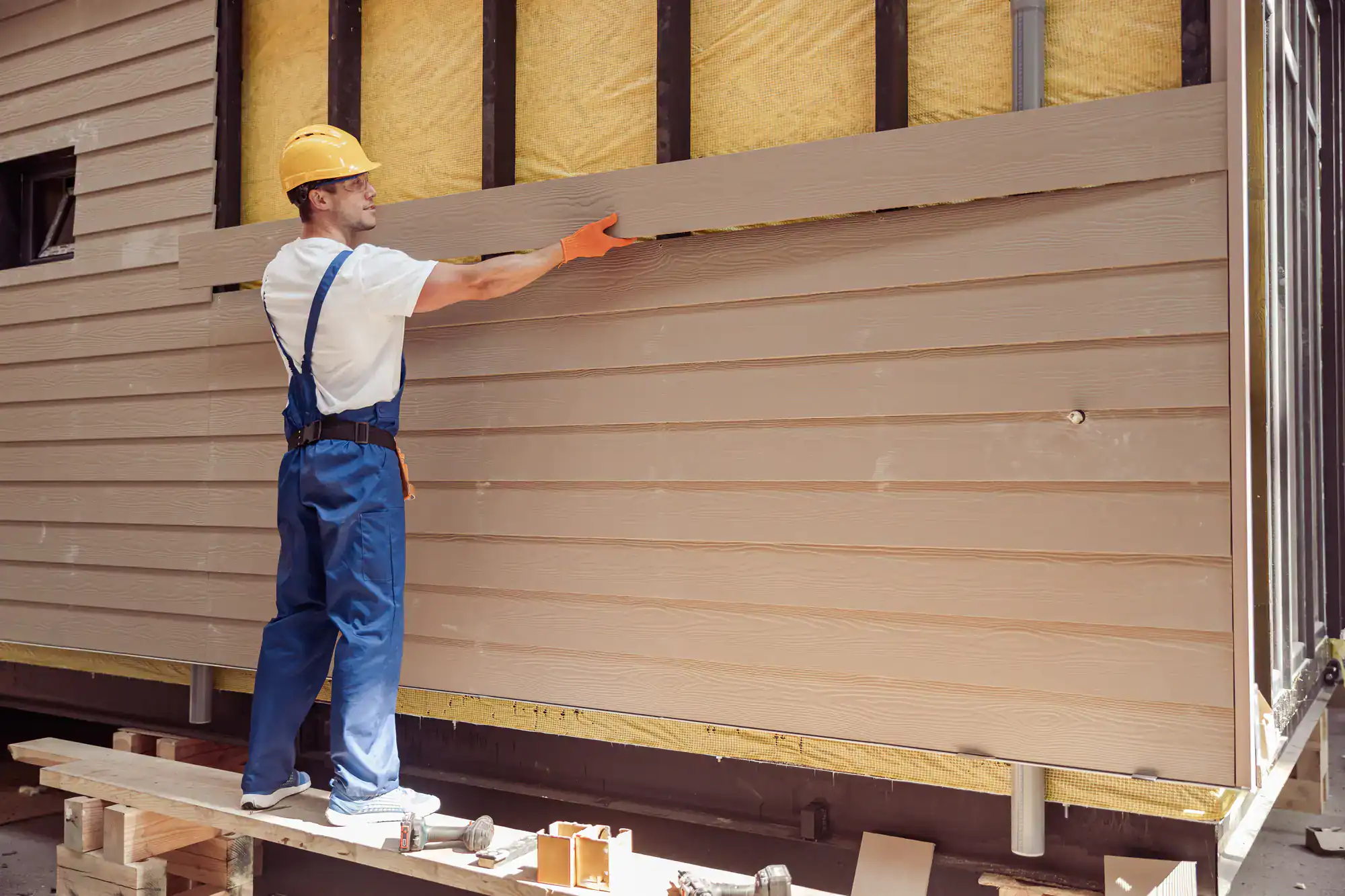
The freeze-thaw cycles that hit Morris County every winter are relentless. Temperatures swing from a daytime thaw to a hard freeze overnight, and they do it dozens of times between November and March. Every time that happens, any water that’s worked its way behind a cracked panel or failed caulk line expands, pushes, and does a little more damage. By spring, what started as a hairline crack or a soft spot around a window frame has quietly turned into a moisture problem you can’t see yet but will.
When siding is installed correctly, with the right materials and a proper moisture barrier, that cycle stops being a threat. Your home stays dry, your insulation stays effective, and you stop losing heat through exterior walls that were never sealed the way they should have been. For older Colonials and Capes throughout Chatham homes that were built in the 1920s, 30s, and 40s and have been painted and re-sided more times than anyone can count getting this right the first time makes a real difference in how the home performs and holds its value.
Chatham’s mature tree canopy is one of the things that makes the Borough feel the way it does. But those trees deposit organic debris on your siding year-round leaves, seed pods, sap and that accelerates surface deterioration and mold growth faster than most homeowners expect. New siding, installed with the right surface profile and finish, is significantly easier to maintain and far more resistant to the staining and biological growth that older or lower-quality materials collect. The result is a cleaner exterior that stays looking right longer, without the constant upkeep.
We are a family-owned general contracting company based in northern New Jersey, serving homeowners across Morris County including both Chatham Borough and Chatham Township since 2018. We hold NJ Home Improvement Contractor Business license number 13VH09838700, which you can look up on the NJ Division of Consumer Affairs website right now. We’re BBB Accredited and a GAF Preferred Contractor. Every project comes with a full warranty covering materials and workmanship, and every consultation is free with no pressure to commit.
What you’ll notice when you work with us is that we communicate. Whether you’re catching the Morris & Essex Line into the city or managing a packed schedule from home, you shouldn’t have to chase your contractor for updates. We keep you informed through whatever channel works calls, texts, on-site check-ins and we manage the project so you don’t have to babysit it. That’s how we’ve built the reputation we have across 195-plus verified reviews.
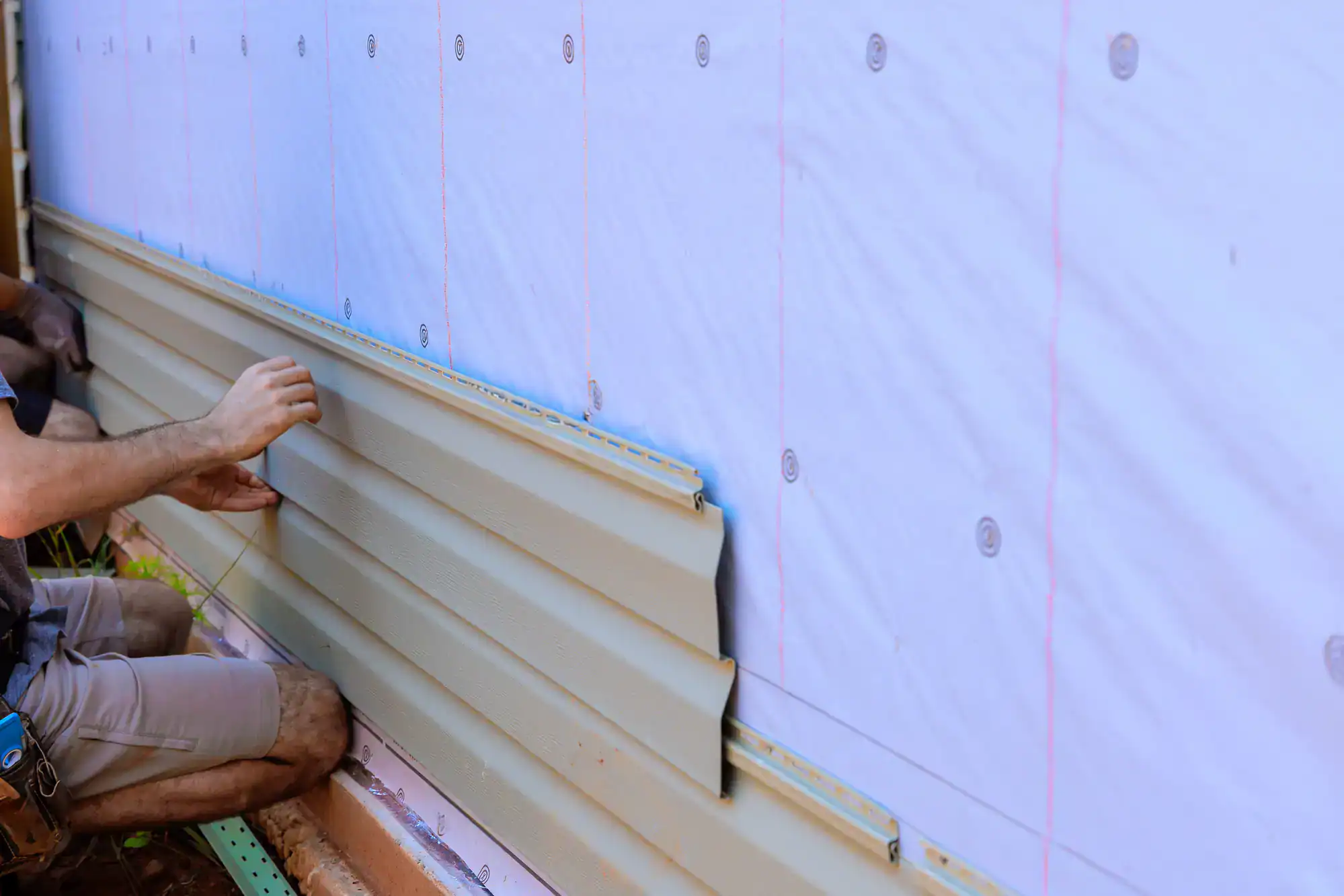
It starts with a free on-site consultation. We come to your home, look at the existing siding, and give you an honest read on what’s actually going on what needs to be replaced, what can be repaired, and what’s fine for now. For a lot of Chatham homes, especially those built before 1960, that inspection goes deeper than the surface. We’re looking at the moisture barrier, the sheathing, and what’s behind the existing panels, because in older homes, the substrate is often where the real story is.
Once we’ve agreed on scope and materials, we pull the necessary permits through the Chatham Borough or Township building department, depending on your address. In New Jersey, siding replacement requires a building permit under the NJ Uniform Construction Code it’s not optional, and any contractor telling you otherwise is cutting a corner that could cost you at resale or during a future insurance claim. We handle the permit process so you don’t have to.
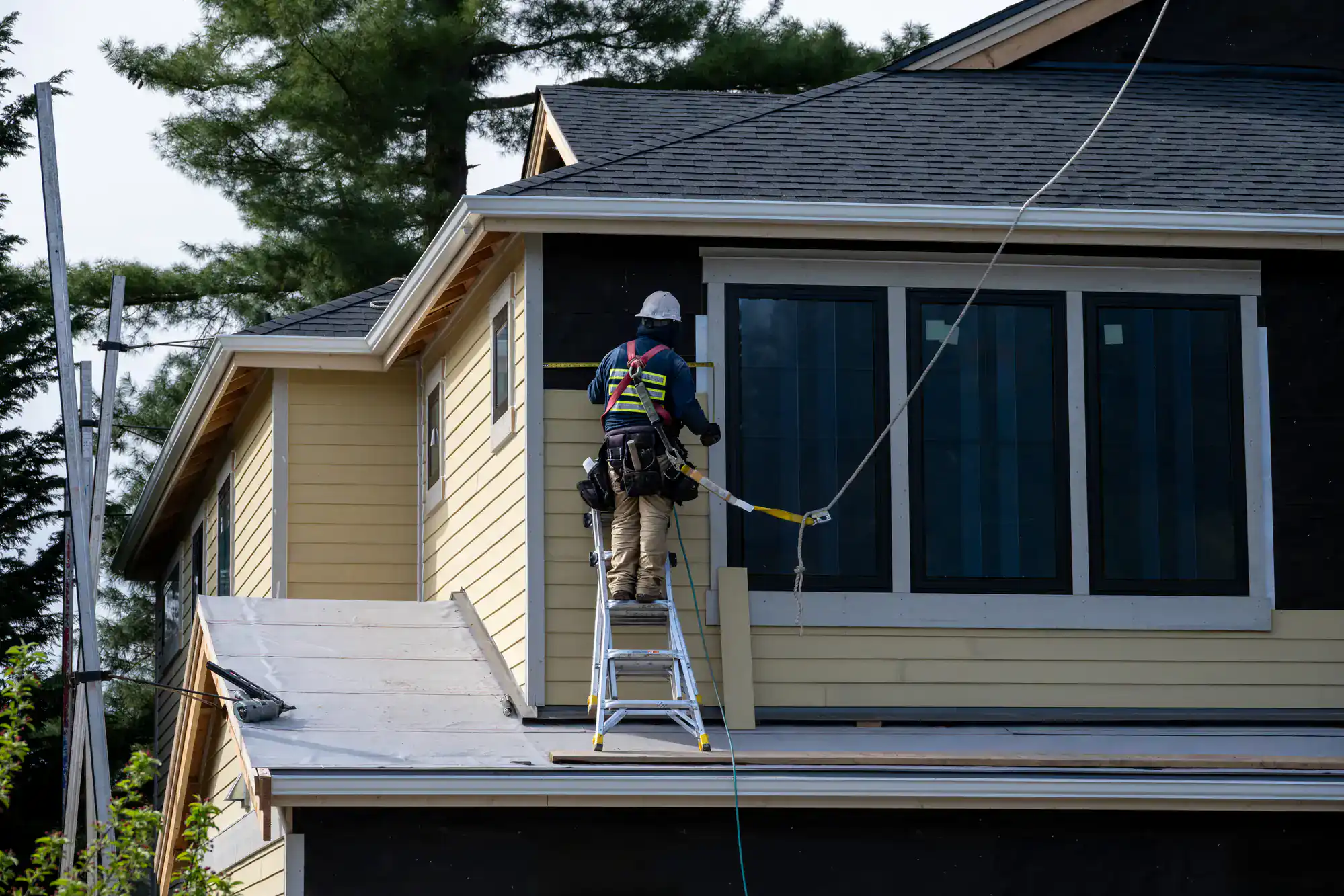
Installation timing in this area matters more than most people realize. Vinyl siding becomes brittle below 40 degrees and can crack during installation if the temperature drops too fast which is why late spring and early fall are the optimal windows for siding work in Morris County. We’ll work with your schedule and the forecast to plan installation at the right time, and we’ll keep you updated at every stage so you know exactly where the project stands.
Ready to get started?
Request a callback

Not every siding material makes sense for every home, and in Chatham, that matters more than in most places. The Borough’s older Colonials and Capes particularly those on the tree-lined streets near the historic downtown core have a specific architectural character that generic vinyl doesn’t always respect. Fiber cement siding, including James Hardie products, replicates the profile and paintability of original wood clapboard while delivering modern durability and dramatically lower maintenance. It holds paint longer, resists moisture and organic growth better, and stands up to Morris County winters without warping or cracking. For homeowners in the 07928 zip code who are protecting a home worth well over a million dollars, it’s often the right call.
That said, insulated vinyl has come a long way, and for the right home and the right budget, it’s a strong performer. We’ll walk you through both options along with engineered wood if that fits your situation and give you a straight answer on what makes sense for your specific home, not just what’s easiest to install.
Beyond full replacement, we also handle siding repair and siding cleaning for homes where the damage is localized or the overall condition is still sound. And because we’re a full exterior contractor, we can address siding alongside roofing, gutters, chimney, and masonry in a single project which matters when you’re dealing with an older home where multiple systems have aged together and need to be integrated correctly.
Yes in New Jersey, replacing siding on a residential structure requires a building permit under the NJ Uniform Construction Code, and that applies in both Chatham Borough and Chatham Township. The permit process exists to ensure the work meets current energy code requirements, that the moisture barrier and house wrap are installed correctly, and that the job is inspected before it’s closed out. It’s not just bureaucratic overhead it protects you.
If you skip the permit and the work is discovered during a future sale or insurance claim, you can face fines, forced remediation, and real complications with your transaction. In a market where Chatham homes are selling at significant premiums, that’s a risk that isn’t worth taking. We handle the permit application as part of every siding replacement project, so you don’t have to navigate the building department on your own.
For the pre-war and mid-century Colonials that make up a significant portion of Chatham Borough’s housing stock, fiber cement siding is typically the strongest choice. It’s engineered to replicate the look of original wood clapboard the same profile, the same paintability, the same visual character while delivering performance that wood simply can’t match. It doesn’t rot, it doesn’t warp in the heat, and it doesn’t crack under the freeze-thaw cycles that Morris County delivers every winter.
The other factor worth considering is Chatham’s emphasis on architectural character. The Borough has historically prioritized preserving the look and feel of its older neighborhoods the same values that led the community to keep Route 24 at the town’s edge rather than run it through downtown. Fiber cement respects that. It can be painted to match historic color palettes and holds paint significantly longer than wood, which means less maintenance and a cleaner exterior over time. We’ll bring samples and walk you through what each option actually looks like on a home like yours.
Moisture damage behind siding is one of those problems that’s easy to miss until it’s already significant. The most common signs are soft or spongy spots when you press on the wall surface, paint that’s bubbling or peeling in patterns that follow the panel seams, visible staining or discoloration around window frames and corners, and in more advanced cases a musty smell near exterior walls that doesn’t have an obvious indoor source.
For Chatham homes near the Passaic River corridor or in low-lying areas of the Borough, ambient humidity levels are higher than in drier parts of Morris County, which means moisture-related deterioration tends to move faster. Homes with mature trees close to the exterior also tend to see more biological growth and debris accumulation that can trap moisture against the siding surface over time. During our free consultation, we do a thorough exterior inspection that goes beyond the visible surface checking the substrate, probing for soft spots, and looking at the condition of the moisture barrier where we can access it. If there’s a problem underneath, we’ll find it before we start, not after.
For most single-family homes in Chatham whether you’re in the Borough’s more compact lots near Main Street or on a larger property in the Township a full siding replacement typically takes between three and seven days of active installation, depending on the size of the home, the material selected, and what we find when the old siding comes off. Fiber cement takes slightly longer than vinyl because it’s heavier and requires more precise cutting and fastening, but the difference is usually a day or two, not weeks.
What affects the timeline more than the material is what’s underneath. On older homes, it’s not uncommon to find deteriorated sheathing, failed moisture barriers, or rotted trim that needs to be addressed before new siding goes on. We account for this in our project planning, and we’ll communicate clearly if we find anything that changes the scope or schedule. Permit approval timing through the Chatham building department is also a factor we factor that into the overall project timeline so you have a realistic picture from the start.
It depends on how widespread the damage is and how old the existing material is. If you have a handful of cracked or missing panels on an otherwise sound siding system that’s still within its useful life, repair is often the right move it’s faster, less disruptive, and significantly less expensive. But if the damage is spread across multiple elevations, if the panels are brittle or faded beyond the point where a repair would blend visually, or if the material is approaching or past its expected lifespan, replacement usually makes more financial sense in the long run.
For Chatham homes built in the 1970s through the early 1990s a large portion of the Township’s housing stock original vinyl siding is now 30 to 40 years old and approaching the end of its serviceable life. Patching it extends the problem rather than solving it. In those cases, a full replacement with a modern, better-performing material is typically the smarter investment, especially given what Chatham homes are worth and how much curb appeal factors into value in this market. We’ll give you a straight answer during the consultation on which direction actually makes sense for your home.
In most markets, new siding returns somewhere between 80 and 95 cents for every dollar spent at resale and in Chatham, the return tends to land toward the higher end of that range. The reason is straightforward: buyers in the 07928 zip code are paying premium prices and expecting turnkey condition. A home with aging, discolored, or visibly deteriorating siding signals deferred maintenance, and in a competitive market where well-maintained homes are moving quickly, that perception directly affects both offers and sale price.
Beyond resale, there’s the day-to-day reality of owning a home in a community where exterior upkeep is a genuine priority. New siding especially fiber cement that holds its color and resists the organic staining that Chatham’s mature tree canopy accelerates keeps your home looking the way it should without the constant maintenance that older materials demand. It’s an investment that pays you back in multiple ways, not just at closing.
Other Services we provide in Chatham