
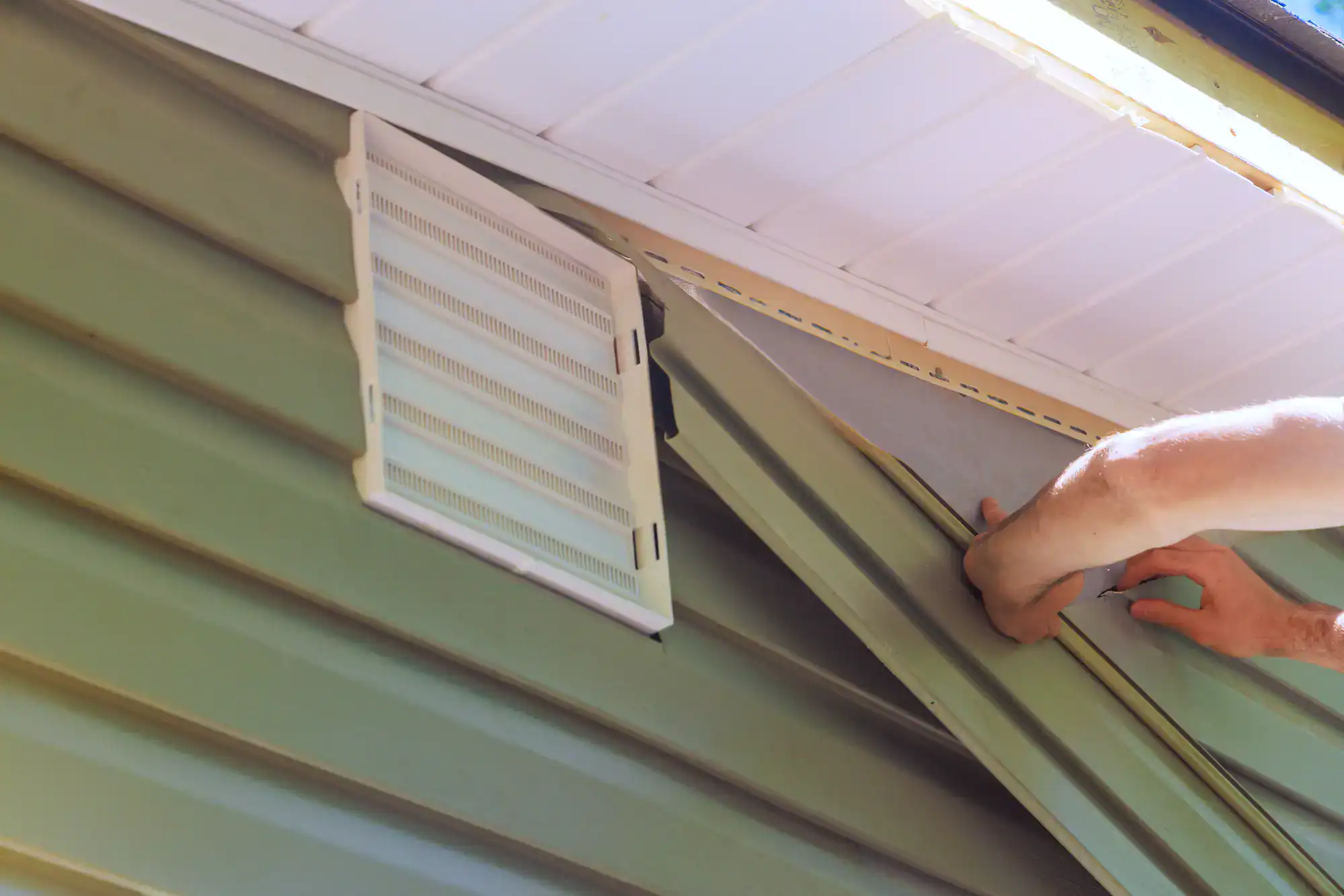
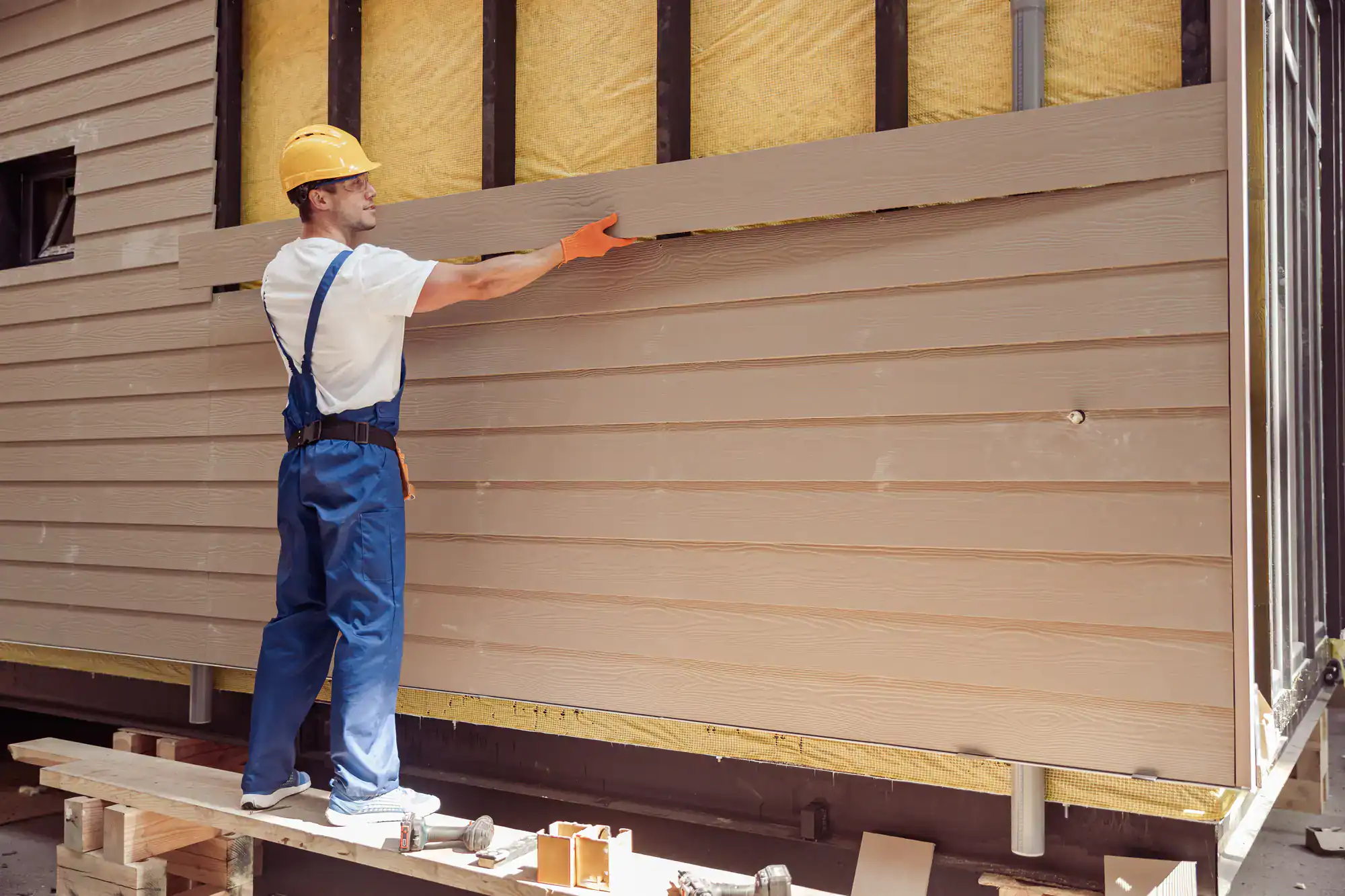
Most siding failures aren’t product failures. They’re installation failures missing moisture barriers, improper nailing, no flashing at penetrations. When those shortcuts happen on a 100-year-old Victorian estate in Llewellyn Park, the damage doesn’t stay on the surface. It moves into the sheathing, the framing, the walls. Getting the installation right the first time is what keeps a manageable exterior project from turning into a six-figure structural problem.
Llewellyn Park’s position on the eastern slope of the Watchung Mountains creates conditions that accelerate wear on exterior surfaces faster than most homeowners expect. The dense tree canopy the same canopy that makes The Ramble one of the most beautiful common areas in New Jersey keeps siding shaded and damp for hours after rain stops. That sustained moisture is exactly what feeds moss, algae, and wood rot on aging exteriors. Properly installed siding with the right moisture management system behind it changes that equation entirely.
There’s also the resale side of this. The 2024 Cost vs. Value Report puts siding replacement among the highest-ROI exterior projects a homeowner can make, returning upward of 87 cents on the dollar for fiber cement specifically. On a home worth $1.5 million or $2 million, that’s not a small number. New siding done correctly protects what you’ve built and signals to any future buyer that this home has been maintained by someone who takes it seriously.
We’re a family-owned general contracting company based in northern New Jersey, serving Essex County homeowners since 2018. That includes West Orange Township and the homeowners inside Llewellyn Park who need exterior work done by someone who understands what’s actually at stake on a property like theirs.
Our credentials are real and verifiable. NJ Home Improvement Contractor Business license #13VH09838700 through the NJ Division of Consumer Affairs. BBB Accreditation earned in January 2025. GAF Preferred Contractor status a manufacturer-level designation that requires demonstrated installation quality and insurance compliance, not just a check. Full general liability and workers’ compensation coverage, compliant with New Jersey’s updated 2024 contractor licensing law.
What that means practically: you’re not taking a risk on an unknown crew working on a nationally registered historic property. You’re working with a licensed, insured, accredited contractor who has worked on older, complex homes throughout Essex County and knows how to handle the permitting process through West Orange’s Department of Planning and Development from start to finish.
It starts with a free consultation a real one, not a sales visit. Someone comes out, looks at the full exterior, and gives you an honest read on what’s happening. On homes in Llewellyn Park, that inspection goes deeper than the surface. Homes built in the 19th and early 20th centuries often have substrate issues deteriorated sheathing, compromised moisture barriers, wood rot behind siding that looks fine from the curb. You’ll know what’s actually there before any decisions get made.
From there, we handle the permitting through West Orange Township’s Building and Construction Code office. That’s not something you need to manage. If your project requires HOA review and exterior work in Llewellyn Park sometimes does we’ll walk through what’s needed so nothing gets held up after work has already started. Material selection happens in this phase too, and it’s a real conversation. Fiber cement, composite, and other options that are appropriate for the architectural character of your home get laid out clearly, with honest input on what performs best in the Watchung Mountain climate.
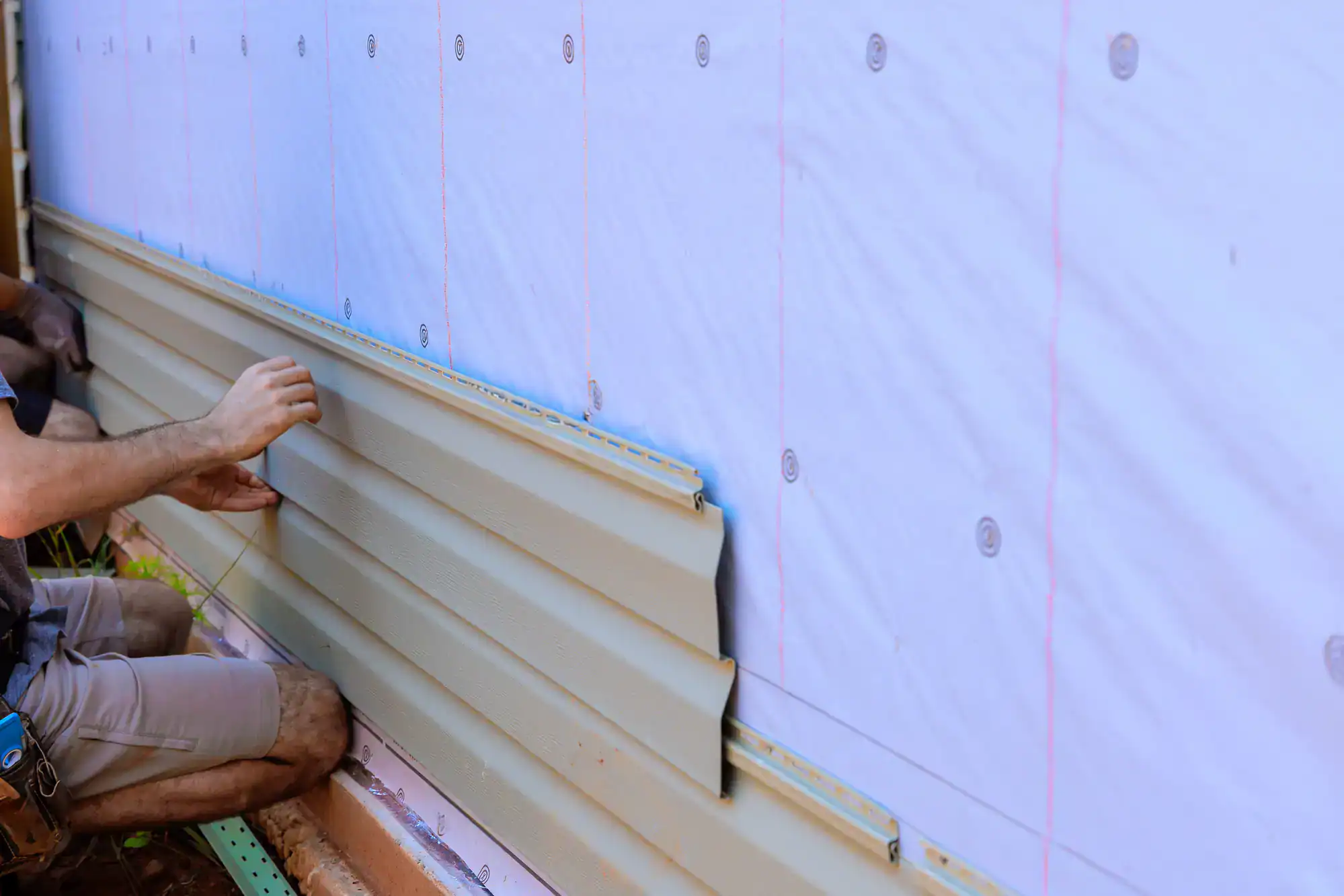
Installation follows a sequenced process: old siding comes off, substrate gets inspected and repaired where needed, moisture barrier goes in correctly, then siding panels are installed with proper expansion gaps and flashing at every window, door, and penetration point. When the job is done, the site is clean and the work is covered by a full warranty on both materials and workmanship in writing.
Ready to get started?
Request a callback

Siding on a Llewellyn Park estate isn’t the same conversation as siding on a 1990s colonial in a standard suburban neighborhood. The homes here are architecturally significant Victorian mansions, Tudor Revivals, Queen Anne estates and the community sits within a nationally registered historic district. That context shapes everything about how a siding project should be approached, from material selection to installation method to the way the finished exterior looks against the period gas lamps and mature specimen plantings that define this community.
We offer full siding installation, replacement, and repair across a range of materials, with honest guidance on what’s appropriate for your home’s style, age, and exposure. Fiber cement is often the right answer for older, architecturally detailed homes it holds paint longer, resists moisture better than wood, and can be profiled to match historic trim and cladding details. Composite and engineered wood options also perform well in the shaded, elevated conditions of the Watchung slope. Standard vinyl has its place, but it’s rarely the right fit for a home that was built before the automobile existed.
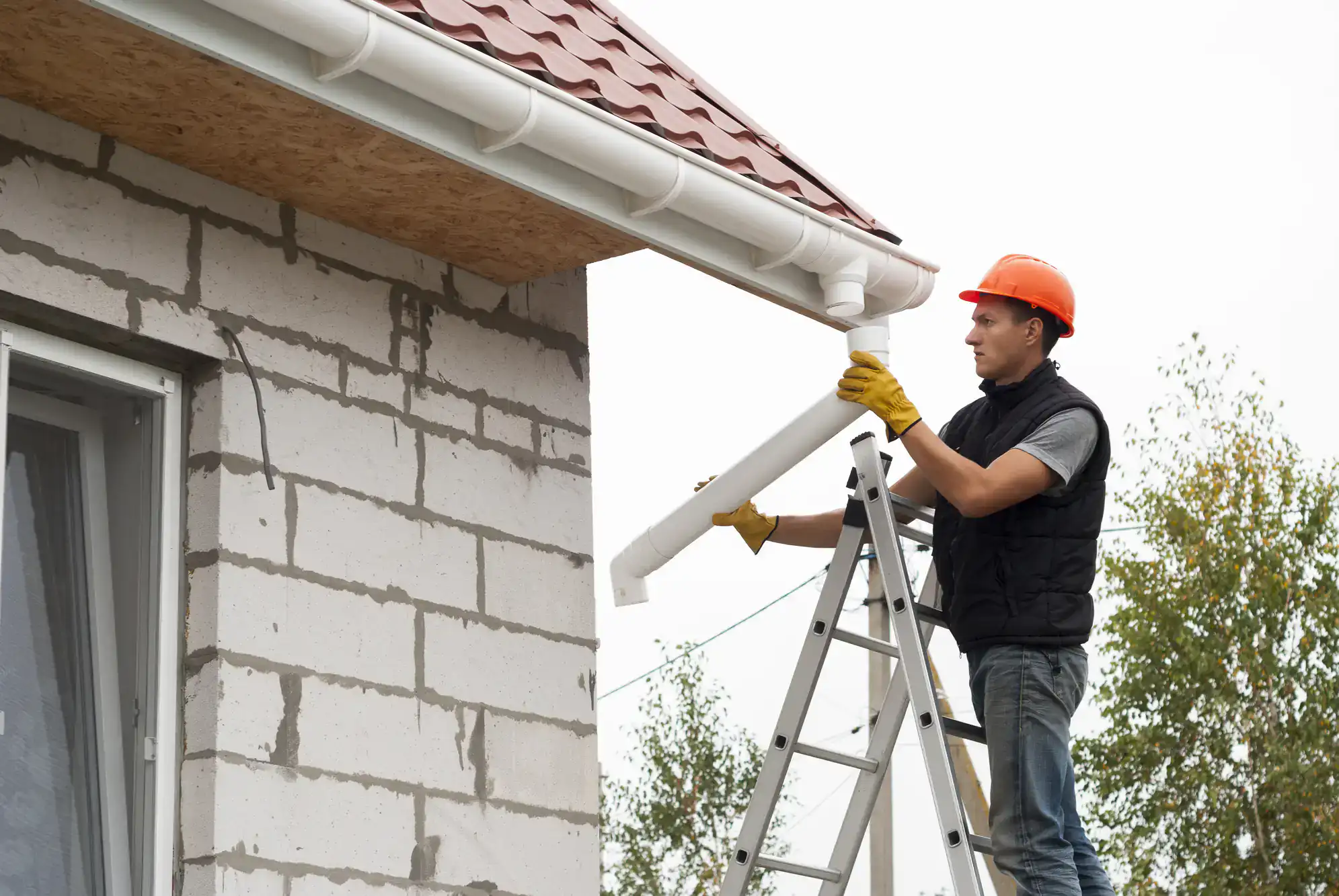
Beyond siding, we handle roofing, chimney, masonry, and gutters which matters on large, complex estates where multiple exterior systems often need attention at the same time. One contractor, one coordinated project, one warranty covering all of it.
Yes, in most cases. West Orange Township requires a construction permit for siding replacement projects, particularly when the work involves changes to the building envelope, window or door alterations, or any structural modifications to the exterior. The permit is pulled through West Orange’s Department of Planning and Development, and we handle that process on your behalf you don’t need to navigate the building department yourself.
There’s also a second layer specific to Llewellyn Park. Because the community is governed by its own homeowners’ association one of the oldest continuously operating HOAs in the country, with annual meetings dating back to January 1858 exterior projects may require HOA review and approval before work begins. The requirements vary by project scope, but it’s something to confirm early. We’re familiar with both the township permitting process and the private governance structure of the community, so nothing catches you off guard mid-project.
For homes built in the Victorian, Tudor Revival, or Queen Anne styles that are common in Llewellyn Park, fiber cement is typically the strongest choice. It can be manufactured to replicate the profile and texture of original wood clapboard or shingle siding, so it maintains the architectural character of the home without the maintenance demands of actual wood. It also holds paint significantly longer and handles the moisture cycle the repeated wetting and drying that happens under Llewellyn Park’s dense tree canopy far better than wood does over time.
Engineered wood and composite options are also worth considering depending on the specific home and exposure. What’s generally not appropriate for homes of this age, style, and value is standard hollow-back vinyl it doesn’t replicate historic profiles accurately, it can look visually inconsistent against period details, and it doesn’t perform as well under the freeze-thaw cycling that the Watchung slope delivers every winter. The right material conversation is one that starts with your home’s architectural style and works outward from there, not the other way around.
It’s a real factor. The dense tree canopy throughout Llewellyn Park including the 50-acre Ramble and the mature specimen plantings along the community’s curving streets keeps exterior surfaces shaded for much of the day. Shaded siding stays wet longer after rain, which creates sustained moisture exposure that promotes moss, algae, and mildew growth on the surface, and over time drives moisture infiltration through any weak point in the installation: failed caulk, separated seams, improperly flashed penetrations.
On top of that, the elevated position on the Watchung slope means elevated wind exposure compared to valley communities. Wind-driven rain is one of the most common causes of moisture intrusion behind siding, and it hits harder at elevation. A properly installed siding system with a continuous moisture barrier, correctly lapped seams, and fully flashed openings handles both of those conditions. One that was installed without those details will show its weaknesses faster in Llewellyn Park than it would in a more sheltered location.
The honest answer is: it depends on what’s actually happening behind the panels, not just what you can see from the outside. Isolated damage a few cracked or warped panels, a section that took storm impact, visible gaps at a seam is often repairable without touching the rest of the house. That’s a straightforward fix and a fraction of the cost of a full replacement.
Where replacement becomes the right call is when the damage is widespread, when the existing siding is at or past the end of its service life, or when the substrate underneath has been compromised. On homes in Llewellyn Park many of which are carrying siding that was installed decades ago on top of original 19th-century sheathing substrate condition is the critical variable. If the sheathing has moisture damage or rot behind the siding, covering it with new panels doesn’t solve the problem. It delays it, and usually makes it worse. Our inspection process is specifically designed to answer that question before any work starts, so you’re not making a $30,000 decision based on incomplete information.
Spring and fall are the strongest windows for siding installation in northern New Jersey, and that holds true for Llewellyn Park specifically. Spring roughly late March through May offers mild temperatures that allow materials to acclimate properly, adhesives and caulks to cure correctly, and installation crews to work efficiently without weather interruptions. It’s also the season when post-winter damage becomes fully visible: cracked panels, failed caulking, and moisture infiltration from ice damming all show themselves once the freeze-thaw cycle stops.
Fall offers a similar window, roughly September through mid-November, with the added urgency of getting the exterior sealed before winter arrives. Autumn nor’easters hit the Watchung slope with real force, and a compromised siding system heading into a New Jersey winter is a problem that compounds quickly. Summer is technically workable but books up fast if you’re planning a project for warm weather, getting on the schedule in late spring is the practical move. Winter installation is generally not recommended for most siding materials, particularly below 40°F, so that season is better used for planning and material selection.
Yes, and we’re set up to handle it without making it your problem to manage. Working inside Llewellyn Park means coordinating access through the gatehouse on Main Street contractors need to be cleared for entry, and the crew needs to conduct themselves with the professionalism that a private residential enclave like this expects. That means showing up on time, working cleanly, respecting the property and the surrounding landscape, and not leaving equipment or materials sitting in a way that disrupts the community.
Beyond access, we’re familiar with the permitting process through West Orange Township and understand the dual-layer approval structure that can apply to exterior work in Llewellyn Park municipal permit plus potential HOA review. For homeowners managing a large exterior project on a historic estate, having a contractor who already knows how that process works is a meaningful difference from starting from scratch with someone who’s never worked in the community before. The goal is that the logistics stay on our side of the project, not yours.
Other Services we provide in Llewellyn Park