
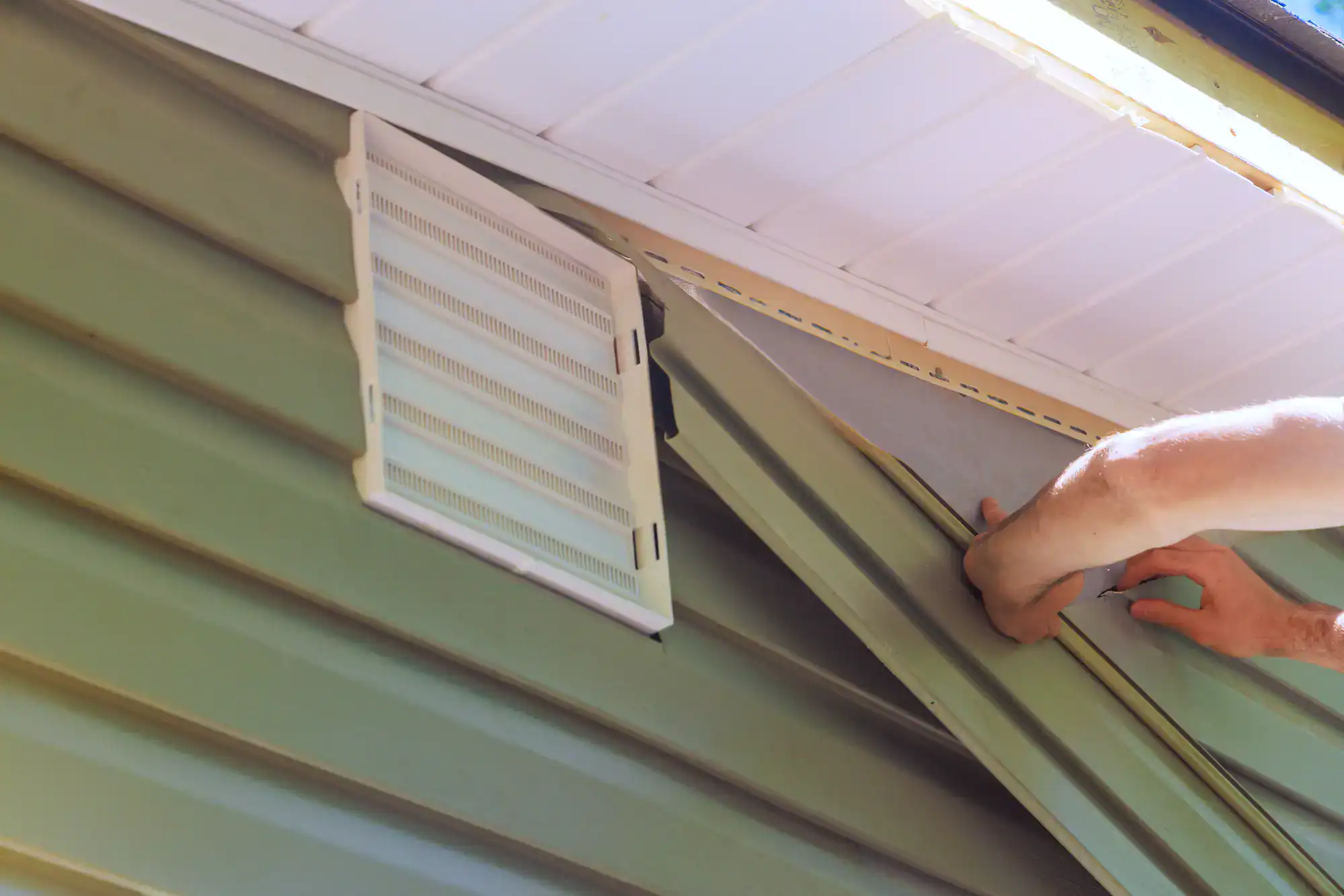
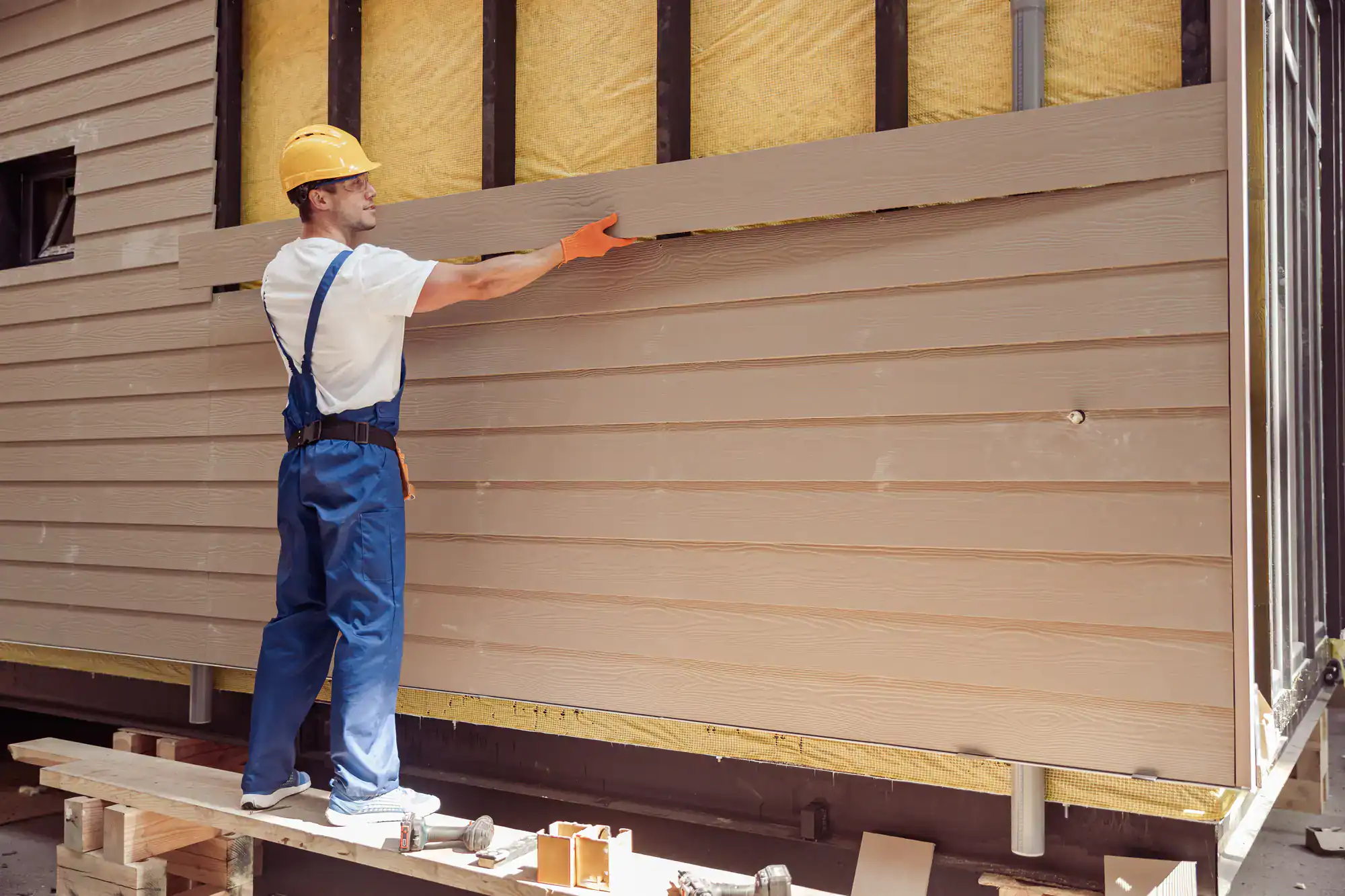
A lot of homes in Parsippany-Troy Hills were built between the 1960s and 1980s. That’s not a criticism it’s just math. Siding installed during that era is now 40 to 60 years old, and the signs are usually obvious before the damage underneath becomes serious. Warped panels, moisture staining, gaps at the seams, and paint that won’t stop peeling are all telling you the same thing: the exterior is no longer doing its job.
When siding replacement is done correctly, you stop the problem at the surface before it reaches the sheathing. For homes in lakefront communities like Lake Hiawatha and Lake Parsippany, that matters more than most people realize. Elevated humidity, water spray, and freeze-thaw cycling accelerate siding deterioration faster than inland properties and once moisture gets behind panels that lack a proper barrier, you’re looking at rot in the substrate and mold behind the cladding. That’s a much more expensive fix than the siding itself.
Beyond the structural protection, the financial case is real. With median home values in Parsippany-Troy Hills ranging from $500,000 to over $760,000 in neighborhoods like Troy Hills, siding replacement consistently returns 80 to 95 cents on every dollar at resale. You’re not just improving curb appeal you’re protecting equity you’ve already built.
We’re a family-owned general contracting company based in northern New Jersey, serving Morris County homeowners since 2018. Every credential we hold is independently verifiable NJ HICB License #13VH09838700, BBB Accreditation granted January 28, 2025, and GAF Preferred Contractor status. You can look all three up before you ever call us.
We work across every corner of Parsippany-Troy Hills from the mid-century ranches of Lake Hiawatha to the upscale colonials in Troy Hills to the Victorian homes in the Mount Tabor historic district. Each neighborhood has its own character, its own housing stock, and its own set of expectations. We know the difference, and we show up prepared for it.
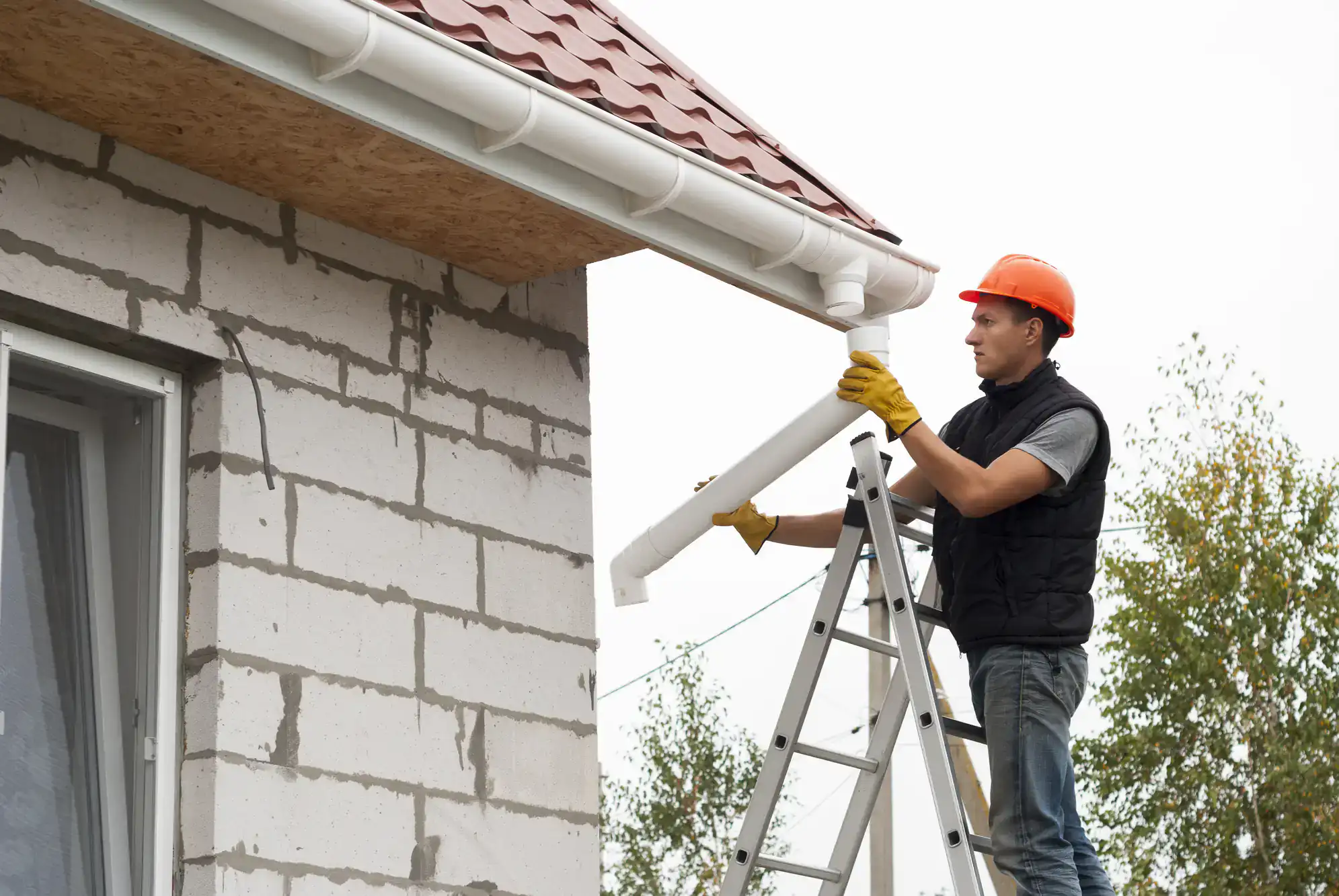
Beyond siding, we handle roofing, gutters, chimney, and masonry which means if your exterior needs more than one trade, you’re not managing three separate contractors. One call, one crew, one point of accountability.
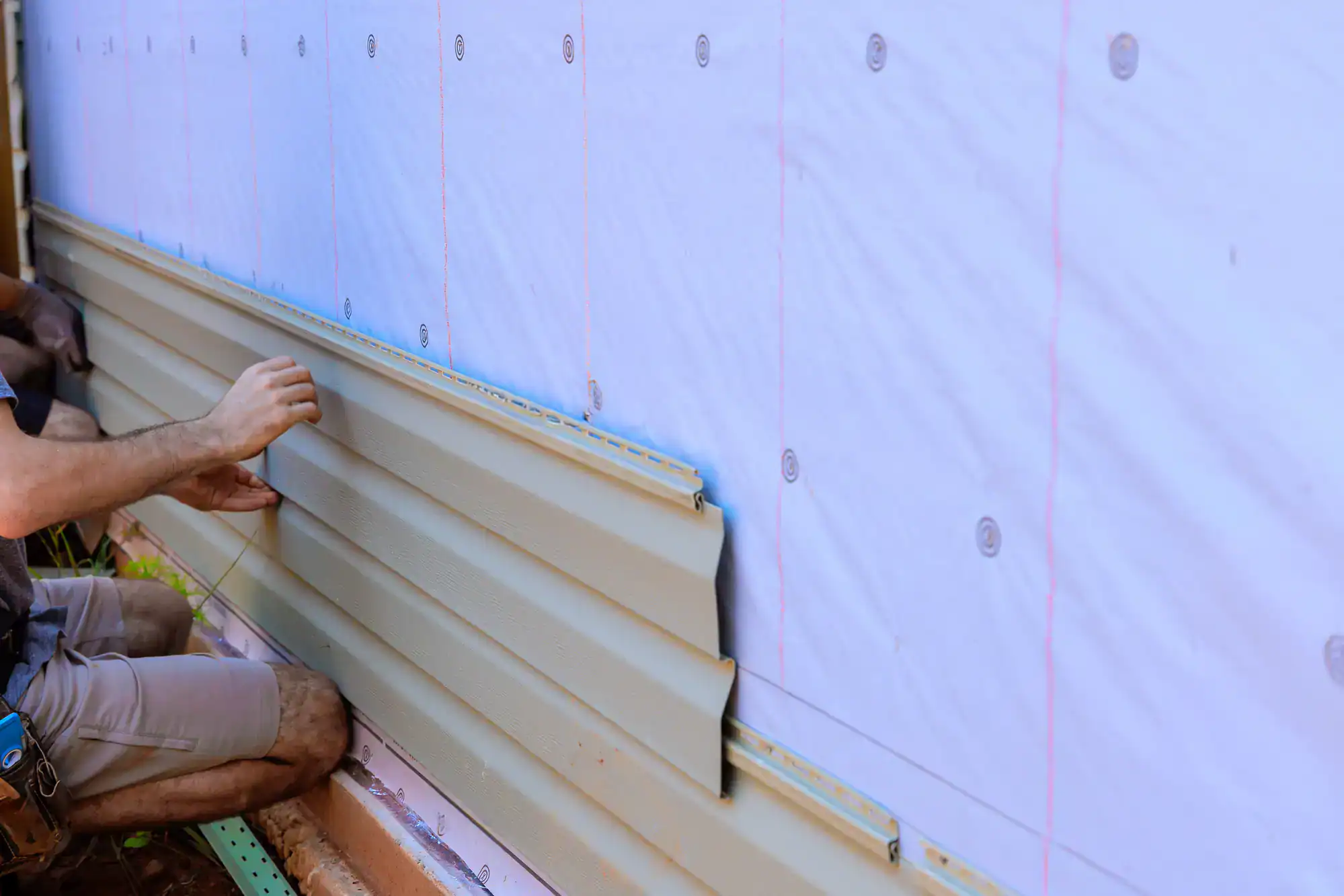
It starts with a free consultation no pressure, no pitch. We come out, look at what you’re working with, and give you an honest assessment. If the siding can be repaired, we’ll tell you. If replacement makes more sense given the age and condition of your home’s exterior, we’ll explain why and walk you through the options. You get a clear, written estimate before anything else happens.
Once you’re ready to move forward, we handle the material selection with you. In Parsippany-Troy Hills, that conversation often includes factors other contractors skip over like whether your neighborhood falls within the Mount Tabor historic district, which carries specific appearance requirements under the township’s Housing and Property Maintenance Code, or whether your home’s lakefront exposure calls for a more aggressive moisture barrier installation. The right material for a Troy Hills colonial and the right material for a Lake Hiawatha ranch aren’t always the same answer.
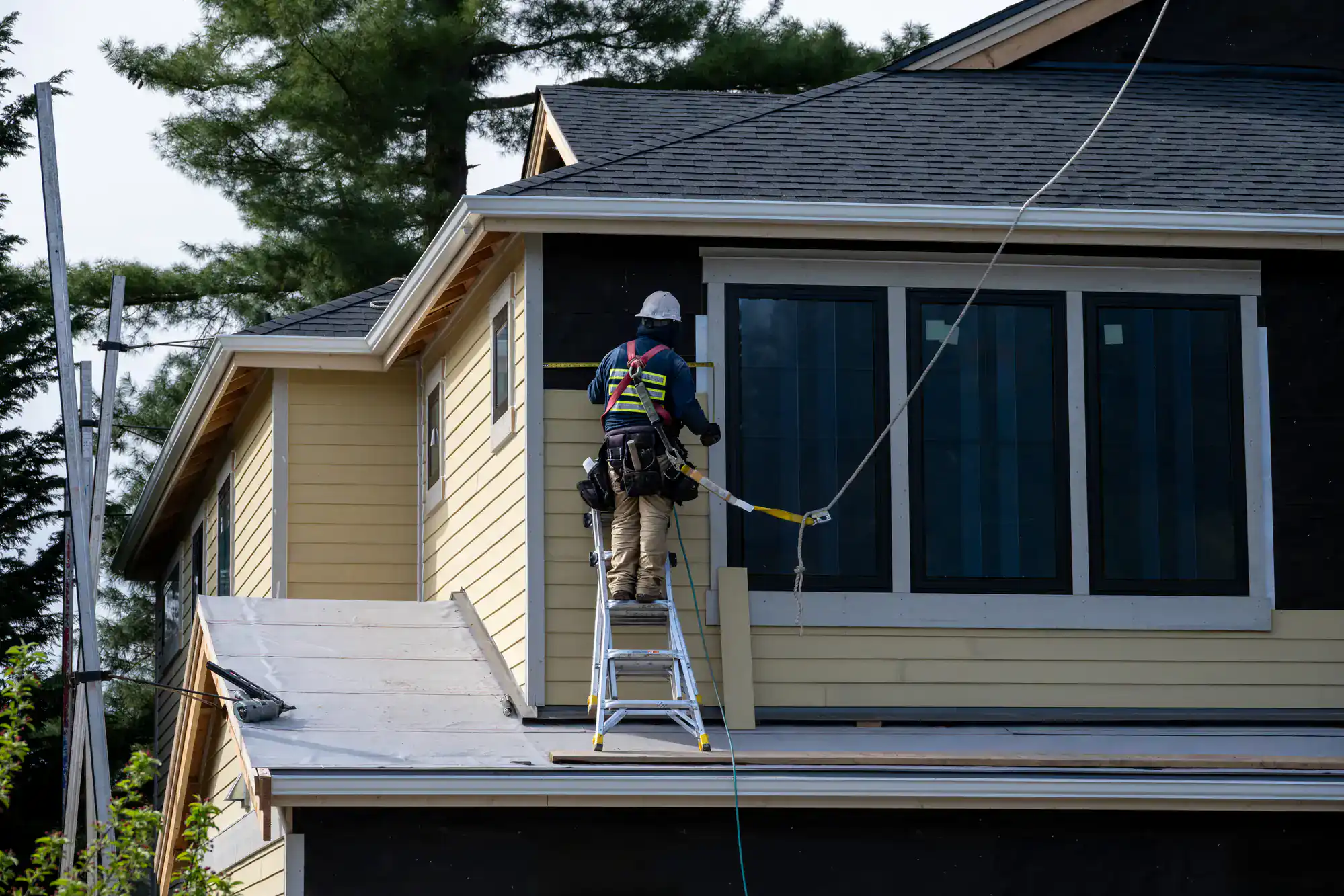
The good news on permits: re-siding in Parsippany-Troy Hills does not require a construction permit per the township’s own fee schedule. If we find damaged wall sheathing during the job which is common in homes of this age that work carries a flat $125 permit fee, and we handle it. Installation typically runs two to five days depending on the size of the home. We show up when we say we will, keep the site clean, and communicate throughout.
Ready to get started?
Request a callback

Every siding project we take on in Parsippany-Troy Hills starts with a substrate inspection before a single new panel goes up. This step gets skipped by a lot of contractors, and it’s exactly how a new siding job ends up failing in five years instead of lasting thirty. We check the sheathing, the moisture barrier, and the structural condition underneath especially important given the age of most homes in this township and the moisture exposure that comes with living near Lake Parsippany, Rainbow Lakes, or Lake Hiawatha.
From there, material selection is a real conversation, not a default recommendation. Vinyl siding remains the most common choice for mid-century homes across the township cost-effective, low maintenance, and well-suited to Morris County’s seasonal temperature swings when installed with the correct expansion gaps. Fiber cement is the right call for homeowners who want greater durability, fire resistance, and a finish that holds up against the freeze-thaw cycling this region sees every winter. For homes in the Mount Tabor historic district, material compatibility with the neighborhood’s Victorian character is part of the discussion from the start.
Every job is backed by a full warranty covering both materials and workmanship. Most siding failures trace back to installation errors, not product defects improperly nailed vinyl, missing house wrap, gaps at seams that let winter moisture in. Our warranty covers the work itself, not just the product, because that’s where the real risk lives.
No re-siding in Parsippany-Troy Hills does not require a construction permit. The township’s own fee schedule ordinance explicitly states that residing requires no permit, which means your project can move forward without waiting on an approval process.
There is one exception worth knowing about. If we open up the exterior and find that the wall sheathing has been damaged by moisture or rot which is not uncommon in homes built in the 1960s and 1970s replacing that sheathing does require a permit, and the township charges a flat fee of $125 for it. We handle that paperwork if it comes up. The inspection process we do before installation is specifically designed to identify these situations early so there are no surprises once the job is underway.
Siding costs in Parsippany-Troy Hills generally run between $300 and $800 per square (that’s per 100 square feet) for vinyl, and $700 to $1,500 per square for fiber cement. The total project cost depends on the size of the home, the condition of the substrate underneath, and the material you choose.
For a typical mid-century split-level or colonial in neighborhoods like Lake Hiawatha or Powder Mill, a full siding replacement usually falls in the $12,000 to $22,000 range depending on scope. Homes in Troy Hills with larger footprints and higher finish expectations tend to land toward the upper end. If substrate damage is discovered during the job, that adds cost which is exactly why the inspection phase matters. We give you a written estimate before work begins, and we don’t move the number on you mid-project without a conversation first.
For most homes in Parsippany-Troy Hills, the choice comes down to vinyl or fiber cement and both can perform well when installed correctly. Vinyl is the more common choice because it’s cost-effective and low maintenance, but it has to be installed with proper expansion gaps. Vinyl becomes brittle in cold temperatures and will buckle in summer heat if it’s nailed too tight. Morris County sees real seasonal extremes, and a contractor who doesn’t account for that during installation creates problems that show up two or three years later.
Fiber cement is the better call if durability and moisture resistance are the priority. It doesn’t warp, it doesn’t rot, and it holds paint significantly longer than wood or vinyl. For homes in lakefront communities like Lake Parsippany or Rainbow Lakes where humidity and moisture exposure are elevated year-round fiber cement’s resistance to water infiltration makes it worth the additional upfront cost. It also carries a higher ROI at resale, which matters in a market where home values in Parsippany-Troy Hills regularly exceed $500,000.
The honest answer is that it depends on how much of the siding is affected and what’s happening underneath. Isolated damage a few cracked or warped panels, minor impact damage from a storm is usually repairable without replacing the whole exterior. But if you’re seeing widespread warping, chronic moisture staining, paint that keeps peeling no matter how many times it’s redone, or panels that are pulling away from the wall, those are signs that the siding has reached the end of its functional life.
In Parsippany-Troy Hills, where a large portion of the housing stock is 40 to 60 years old, we frequently find that what looks like a repair situation is actually a replacement situation once we get behind the panels. Hidden rot in the sheathing, compromised moisture barriers, and insect damage are all things that only become visible when the old siding comes off. That’s why the inspection before we give you a recommendation matters we’re not going to tell you to replace everything if a repair will solve the problem, but we’re also not going to patch over something that’s going to fail again in two years.
It can, but there are real limitations that any contractor working in Morris County should be upfront about. Vinyl siding becomes brittle when temperatures drop below 40 degrees Fahrenheit, which means it’s more prone to cracking during handling and installation. Caulk and sealants also need adequate temperature to cure properly. Full vinyl replacement projects are generally better scheduled in spring, summer, or early fall when conditions are more forgiving.
That said, emergency siding repair in winter is sometimes necessary and we do it. If a nor’easter or ice storm has left your home with exposed sheathing or significant panel damage, waiting until spring is not a realistic option. In those situations, we take the extra precautions required to work safely in cold conditions and prevent further water infiltration while a full repair or replacement is scheduled. Parsippany-Troy Hills sees real winter weather, and protecting your home from additional damage takes priority over waiting for ideal installation conditions.
Yes and it’s a different conversation than a standard vinyl replacement job. The Mount Tabor section of Parsippany-Troy Hills is a nationally recognized historic district with late 19th-century Victorian homes, and the township’s Housing and Property Maintenance Code specifically requires that siding reconstruction use materials that are “of standard quality and appearance commensurate with the character of the properties in the same block.” That’s not a suggestion it’s a code requirement that affects what materials are appropriate for homes in that neighborhood.
For homeowners in Mount Tabor or other areas with older, architecturally distinct homes, we start the material conversation with those requirements in mind. That might mean fiber cement over vinyl, a specific profile or texture that matches the original character of the home, or a color and finish that fits the surrounding properties. Getting this wrong doesn’t just affect aesthetics it can create a code compliance issue and affect your home’s value relative to comparable properties on the street. We’ve worked on older homes across Morris County and know how to navigate these decisions without overcomplicating them.
Other Services we provide in Parsippany-Troy Hills