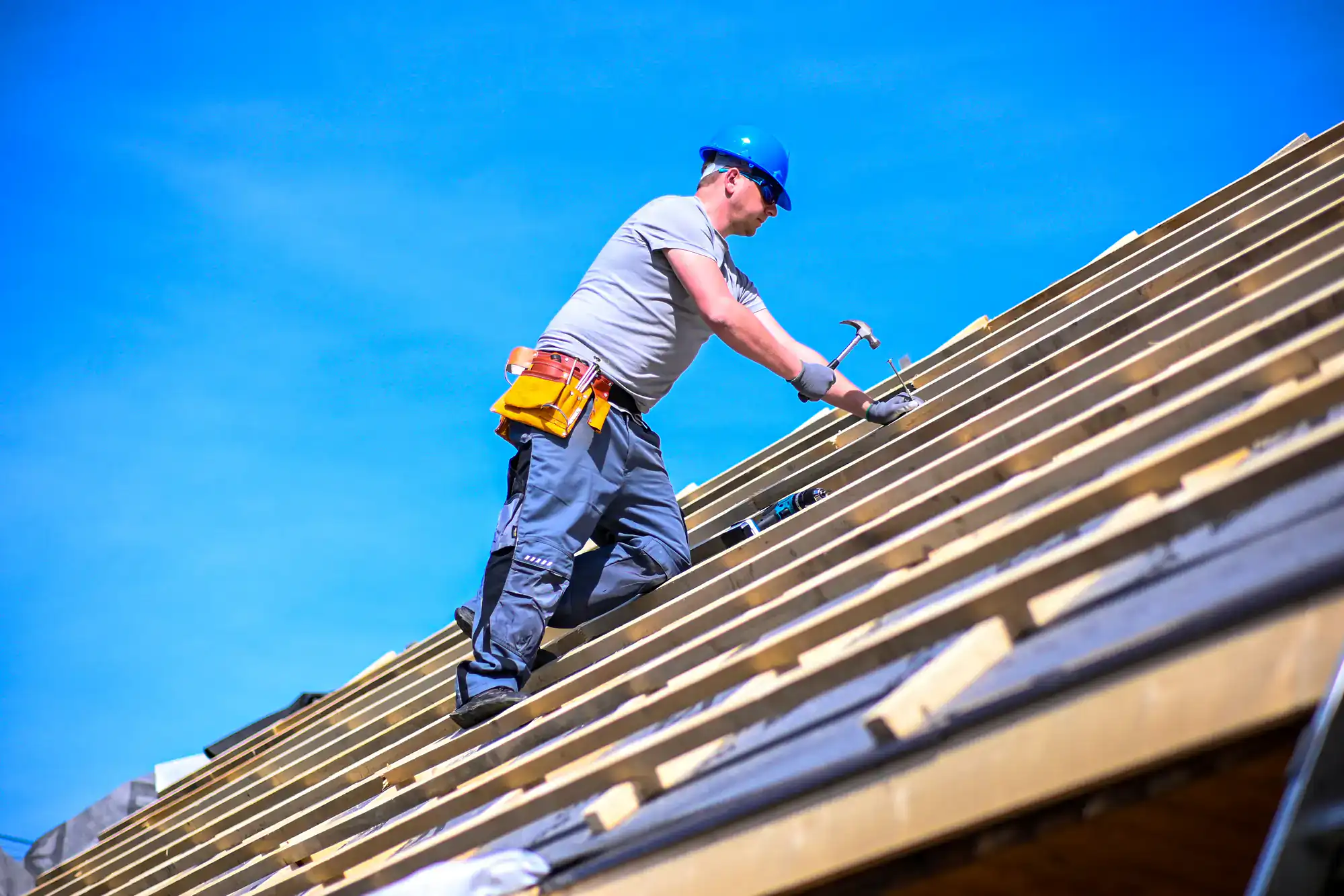
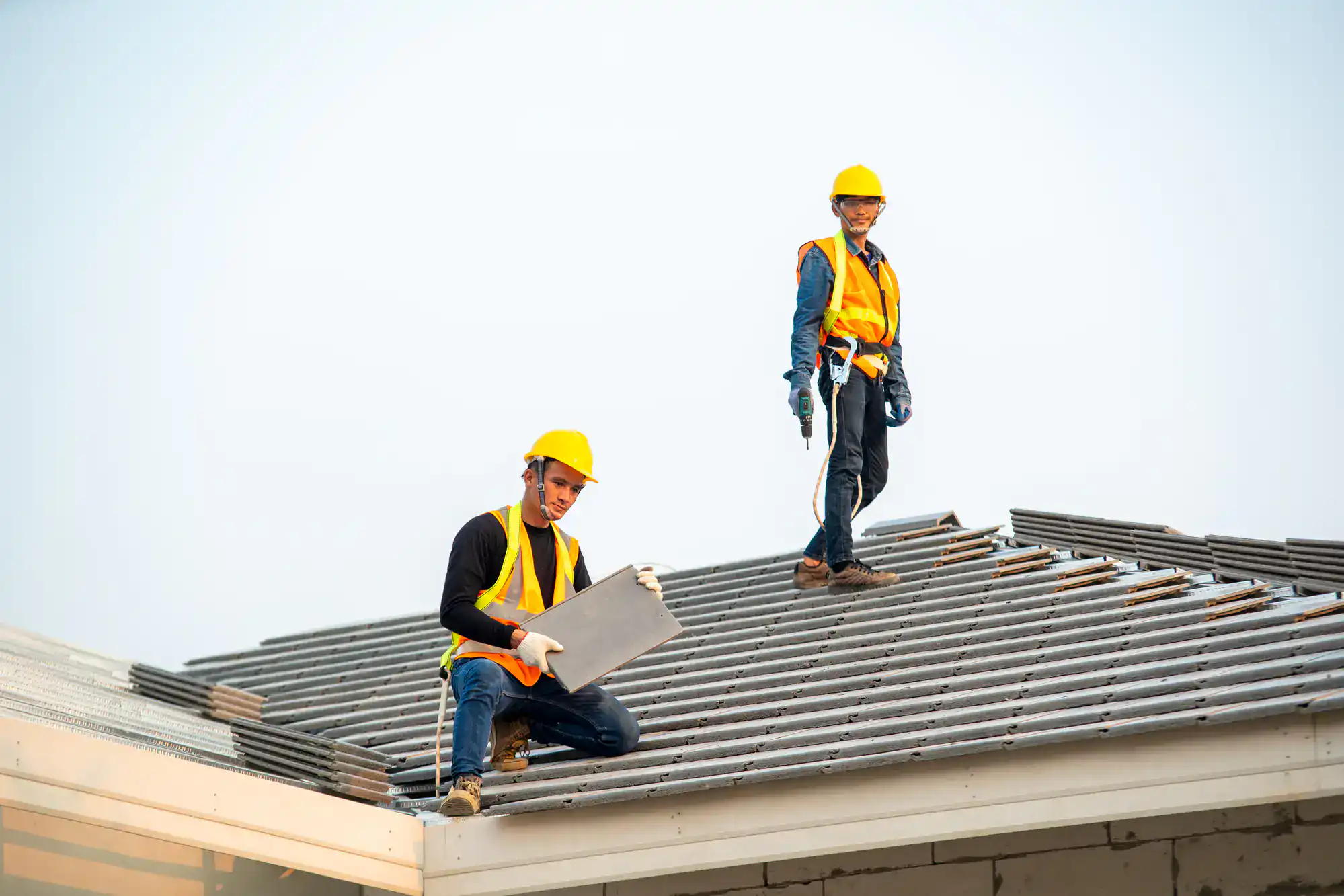
A roof leak doesn’t stay small for long. What starts as a water stain on your ceiling can reach the insulation, the framing, and eventually the interior walls and in a home worth what Chatham homes are worth, that’s not a minor inconvenience. It’s a five-figure problem that started as a few missing shingles or a failed flashing seal.
Chatham Township’s proximity to the Great Swamp means moisture hangs in the air longer here than in most Morris County towns. That sustained dampness accelerates the damage cycle wet decking rots faster, mold sets in quicker, and the window for a simple repair closes sooner than homeowners expect. Getting someone on your roof within 24 to 48 hours of discovering a problem isn’t being overly cautious. It’s protecting the investment you’ve made in this house.
For the older Colonials and pre-war homes throughout Chatham Borough especially the ones near the train station and along the Main Street corridor the challenge is usually more complex than a shingle swap. These rooflines have dormers, valleys, chimneys, and decades of layered repairs. The leak you’re seeing inside the house often isn’t coming from where you think it is. That’s exactly the kind of diagnostic work that makes the difference between a repair that holds and one that fails again before the next storm rolls through.
We’re a family-owned general contracting company that has been serving Chatham and northern New Jersey since 2018. We’re GAF Preferred Contractors and BBB Accredited not because those logos look good on a website, but because they represent a real standard. GAF certification requires verified insurance, documented experience, and a track record of quality work. BBB Accreditation is exactly what consumer protection organizations tell Chatham homeowners to look for before hiring anyone, especially after a storm.
We work across Chatham Borough, Chatham Township, and the surrounding Morris County area. Whether you’re in Rolling Hills, near the Lafayette neighborhood, or in one of the older homes closer to downtown, we’ve worked on roofs like yours. We know what nor’easters do to this area, what ice dams look like on a 1920s Colonial, and where flashing tends to fail on homes that have been through decades of freeze-thaw cycles.
Every job comes with a full warranty and a free consultation. No pressure, no guesswork just an honest assessment of what your roof actually needs.
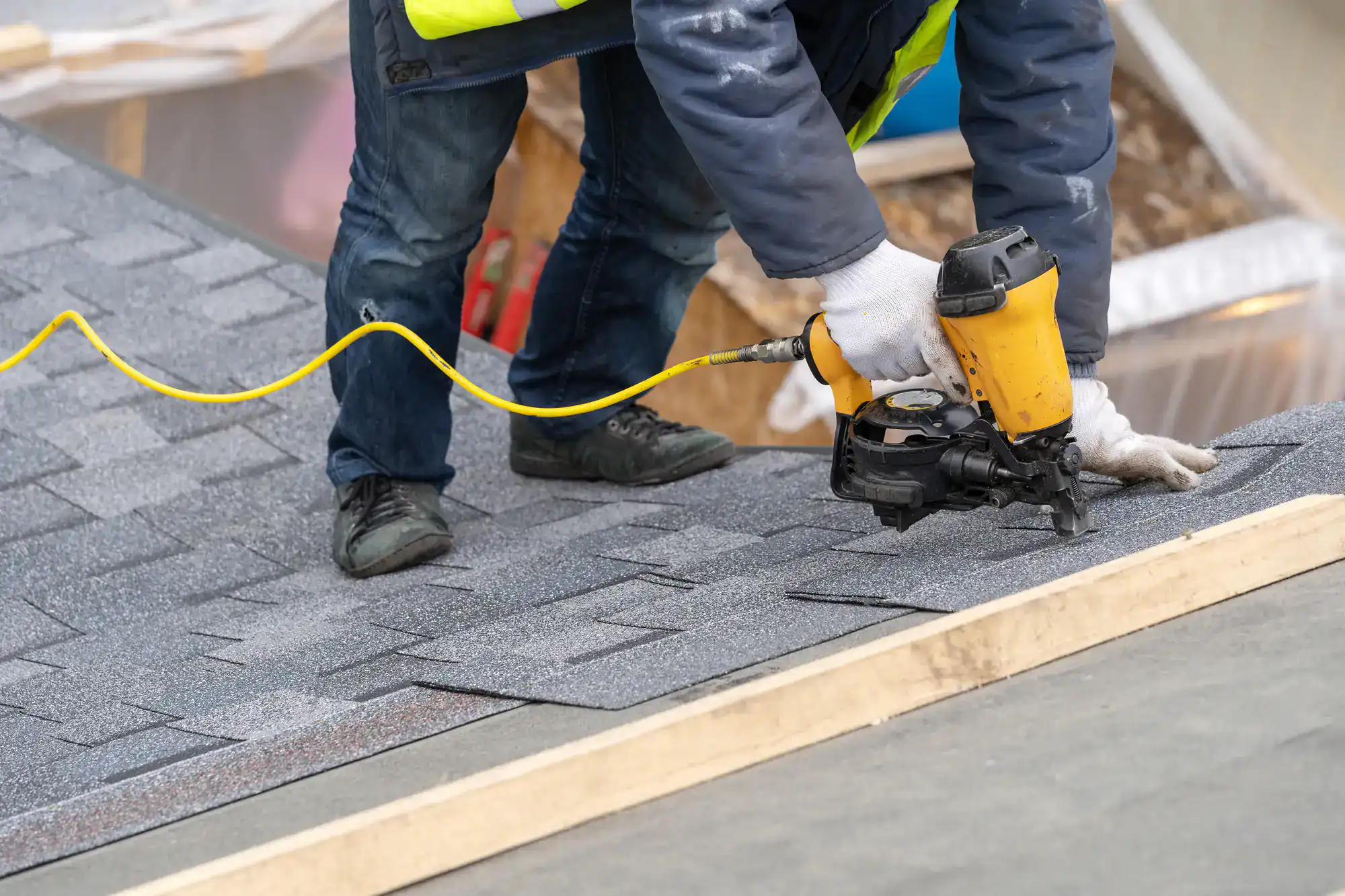
It starts with a call or a message, and we get back to you fast typically within minutes, not days. We know most Chatham homeowners are on the Midtown Direct by 7:30 a.m. and back after 6. We work around your schedule, not the other way around.
Once we’re on-site, we do a real inspection not a 90-second look from the driveway. That means accessing the attic if needed, checking moisture levels, evaluating the flashing around chimneys and any skylights, and documenting what we find with photos. For homes in Chatham Borough especially, where you might have a 1940s roofline with multiple penetrations and a chimney that’s been repointed twice, that diagnostic step is everything. The visible damage and the actual source of the leak are often two different things.
From there, you get a written estimate with clear pricing no vague ranges, no surprises after the work is done. If the job requires a permit, which most roof replacements and significant repairs do under New Jersey’s Uniform Construction Code, we handle that process. Chatham’s permit fee schedule runs $20 per $1,000 of estimated work, and we factor that in upfront. If you’re dealing with an active leak or post-storm damage that can’t wait, we can deploy emergency roof tarping to stop water intrusion while permanent repairs are scheduled. The goal from start to finish is simple: fix the actual problem, back it with a warranty, and leave your property cleaner than we found it.
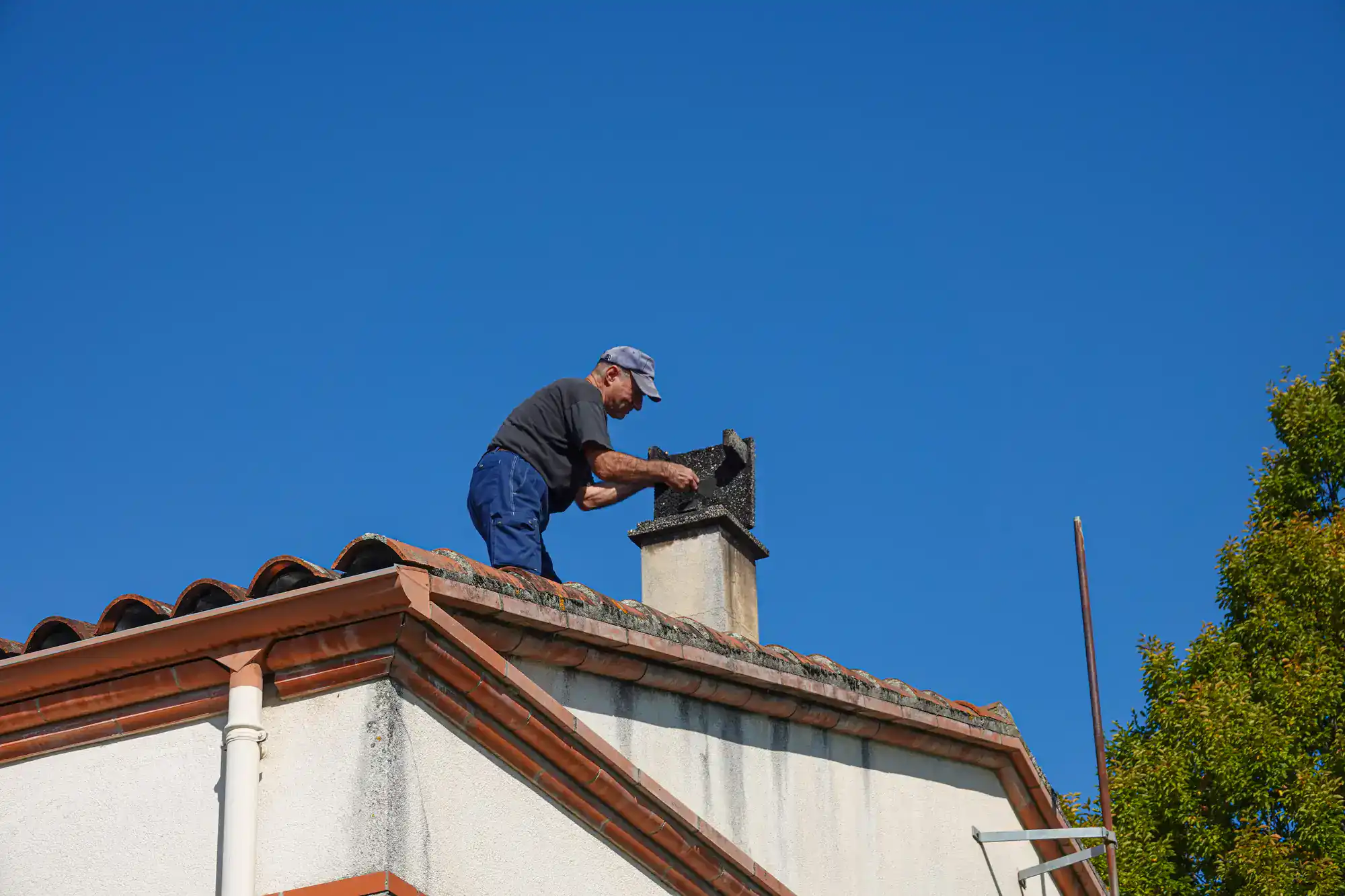
Ready to get started?
Request a callback

Roof repair in Chatham covers a wide range of issues, and the ones that tend to show up most here follow a predictable pattern. After a nor’easter tears through Morris County with 50-plus mph winds, the calls are usually about missing shingles, lifted edges, and exposed decking. After a heavy freeze-thaw cycle, it’s ice dam damage water that backed up under the shingles at the eave line and forced its way into the home. In summer, it tends to be flashing failures around chimneys and skylights, or flat roof membrane issues on commercial properties and residential additions.
We handle all of it. Shingle repair and full shingle replacement, flat roof repair, roof leak patching, emergency roof tarping, flashing repair, chimney-related leak repair, and storm damage roof repair including documentation support if you’re filing an insurance claim. Our multi-trade background in roofing, chimney, and masonry means we’re not guessing when a leak traces back to a chimney crown or a deteriorated mortar joint. We find it, we fix it, and we do it without recommending work you don’t need.
For Chatham Township homeowners near the Great Swamp, we also keep an eye out for moss and algae buildup during inspections a common issue given the moisture and heavy tree canopy in that area. Left untreated, it shortens shingle life significantly and can void manufacturer warranties. If it’s there, we’ll flag it and give you honest options.
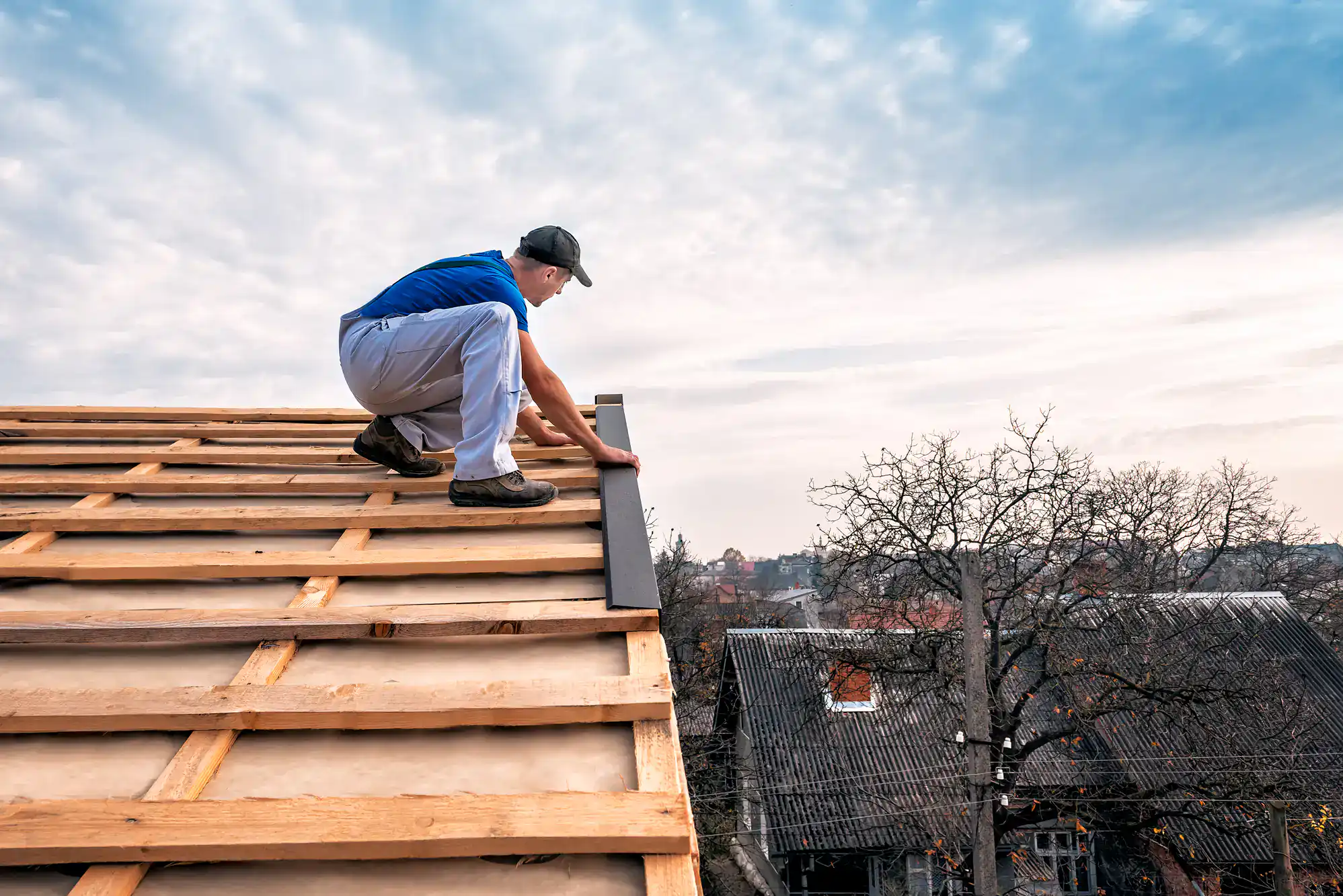
This is one of the most common questions we hear, and the honest answer is that it depends on the age of the roof, the extent of the damage, and where the damage is concentrated. A roof that’s 10 to 15 years old with isolated shingle damage or a single flashing failure is almost always a strong candidate for targeted repair. A roof that’s pushing 25 or 30 years, has widespread granule loss, and shows soft spots in the decking is telling you something different.
For the older homes throughout Chatham Borough the pre-war Colonials, the Cape Cods near the train station, the Victorians in the downtown neighborhoods this question comes up constantly because these homes have often had multiple layers of repairs over the decades. What looks like a shingle problem on the surface sometimes reveals deteriorated underlayment or rotted decking underneath. The only way to know for certain is a proper inspection that includes attic access and moisture testing, not just a visual scan from the ground. That’s what our free consultation covers, and we’ll give you a straight answer about what the roof actually needs.
Ice dams form when heat escaping from the living space warms the roof deck, melts snow near the ridge, and sends water running down toward the eaves where it refreezes because that part of the roof is cold. The ice builds up, backs water under the shingles, and forces it into the home. It’s a moisture problem, but it starts as an insulation and ventilation problem.
Chatham is genuinely at higher risk than many surrounding towns. The combination of meaningful snowfall accumulation in the Morris County foothills, older homes with insulation that doesn’t meet modern standards, and lower-slope roof sections on many pre-war structures creates near-ideal conditions for ice dam formation. If you’ve noticed water staining near the eaves or at interior ceiling edges after a heavy snowfall, that’s typically what you’re dealing with. Fixing the immediate damage is step one but if the underlying ventilation issue isn’t addressed, it will happen again next winter. We diagnose both the damage and the cause.
Fast. We typically respond to calls and messages within minutes, and for active emergencies an open roof after a storm, water actively entering the home we prioritize same-day response. Emergency roof tarping can be deployed quickly to stop water intrusion while a permanent repair is scheduled, which is often the most important thing you can do in the first few hours after storm damage.
The reason speed matters so much here isn’t just the immediate leak. It’s what happens next. Water that reaches your roof decking begins causing rot within days. Water that gets into insulation creates mold conditions within 24 to 48 hours. In a home at Chatham’s price point, the cost of a fast emergency response is trivial compared to the cost of mold remediation or structural repair. If you’re dealing with something urgent, don’t wait to see if it gets better on its own it won’t.
In most cases, yes if the damage was caused by a covered event like wind, hail, or a falling tree. What insurance typically does not cover is damage from gradual deterioration or lack of maintenance, which is why the documentation piece matters so much. If your roof was damaged by a nor’easter or a summer hailstorm, having a contractor on-site quickly to document the damage with photos and a written assessment gives your claim a much stronger foundation.
We work with homeowners navigating insurance claims regularly and can provide the documentation your adjuster will need. One thing to be aware of: after major storms in the Morris County area, out-of-state contractors often show up in Chatham neighborhoods offering quick repairs for cash. The BBB and NJ Division of Consumer Affairs both advise homeowners to verify contractor credentials before signing anything. Our BBB Accreditation and NJ registration number #13VH09838700 are both publicly verifiable, which is exactly the kind of accountability you want from whoever is getting on your roof.
Nationally, the average roof repair runs around $1,150 to $1,200, but that number is a floor for the Chatham market, not a ceiling. Northern New Jersey’s labor costs run higher than the national average, and the complexity of many Chatham homes older structures with steep pitches, multiple dormers, chimney penetrations, and aging flashing systems adds time and material to most jobs.
A straightforward shingle repair on a newer, simpler roofline might fall in the $400 to $800 range. A more involved repair addressing flashing failures, soft decking, and multiple damage points on an older Chatham Borough Colonial could run $1,500 to $3,000 or more depending on scope. Emergency after-hours calls typically add $200 to $500 on top of the base repair cost. The best way to get an accurate number is a proper inspection which is why we offer free consultations. We’ll assess the actual condition of the roof and give you a written estimate with real numbers before any work begins.
Start with credentials you can actually verify. In New Jersey, roofing contractors are registered not licensed in the traditional sense through the NJ Division of Consumer Affairs. You can look up any contractor’s registration number on the state’s website. Our registration is #13VH09838700. Beyond that, BBB Accreditation and GAF Preferred Contractor status are the two most meaningful third-party signals in this market both require ongoing verification and can be confirmed independently.
Reviews matter too, but look at the pattern, not just the star rating. A contractor with 195 reviews averaging 4.9 stars, where customers are naming the owner and describing specific jobs, tells you something real. A contractor with 12 reviews and no credentials listed tells you something different. Chatham homeowners in particular tend to do their homework and given the value of the homes here, that instinct is exactly right. A roof repair on a $1M property is not the place to gamble on the lowest bid from someone you can’t verify.
Other Services we provide in Chatham