A lot of Parsippany-Troy Hills homeowners have already been through this once they hired someone, paid for a repair, and watched the ceiling stain come back with the next storm. That’s usually not because the roofer was incompetent. It’s because they only fixed what they could see. The actual source of the leak a cracked chimney flashing, a deteriorated skylight seal, a gutter overflow point saturating the fascia never got touched.
What you actually want is simple: no more water inside your home. No more stains spreading across the ceiling. No more anxiety every time the forecast shows heavy rain. That’s what a proper roof leak repair delivers not just a patch over the symptom, but a fix that holds.
For homes near Lake Parsippany and Lake Hiawatha, that matters more than it does almost anywhere else in Morris County. When the Whippany River rises and storm drainage gets overwhelmed, a roof that’s even slightly compromised stops being a minor issue and becomes a water damage emergency fast. For the split-levels and colonials throughout Troy Hills and central Parsippany many of them built in the 1960s and 70s and well past their original shingle lifespan the window between “it’s fine for now” and “we have a real problem” is shorter than most homeowners realize.
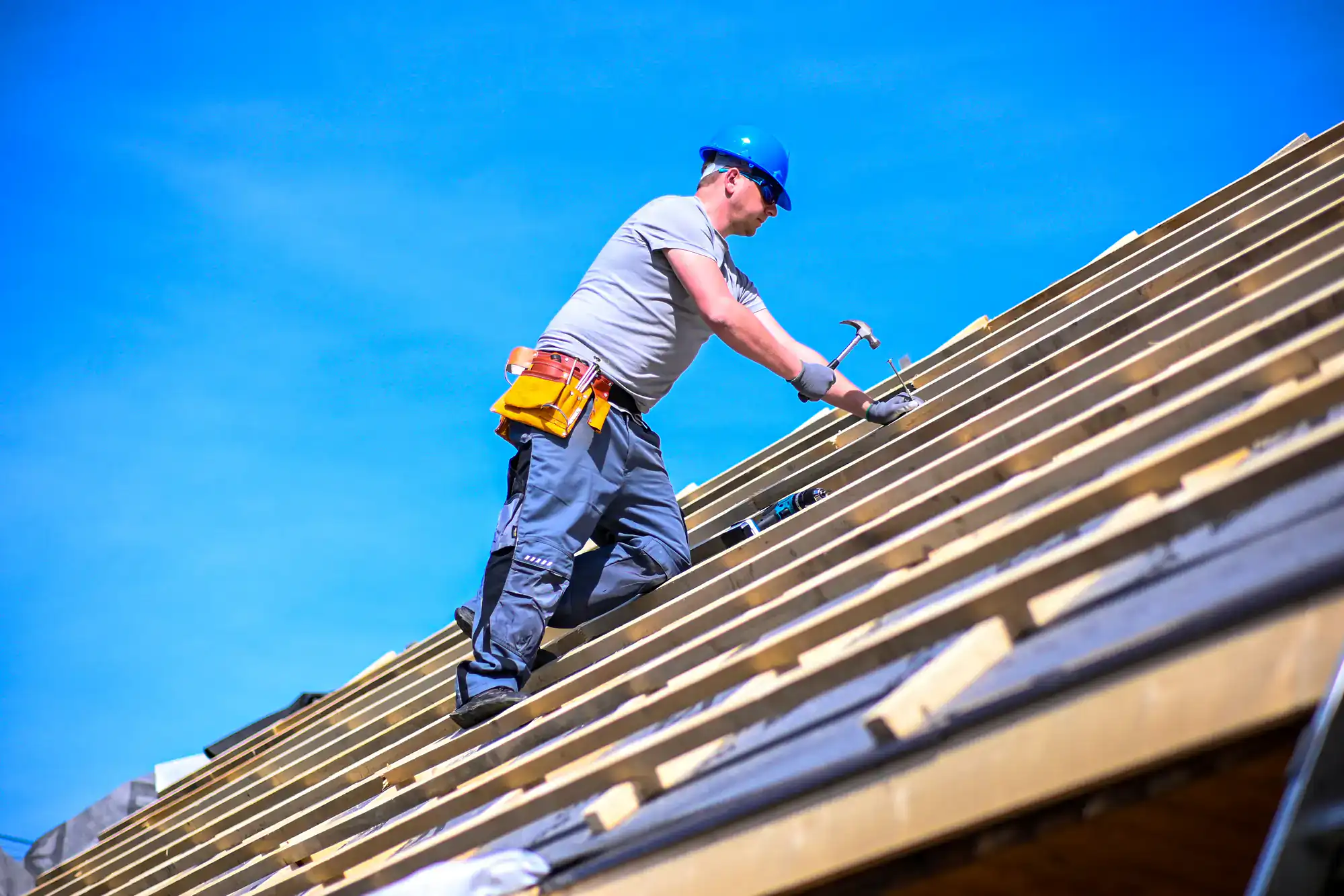
We’ve found that the roofs failing fastest in Parsippany-Troy Hills are the ones where the underlying issue was never properly diagnosed. A gutter pulling away from the fascia can look like a roof leak. A chimney flashing failure can send water traveling along the roof deck before it shows up three rooms away from where it actually entered. That’s why we spend time on the inspection getting on the roof, tracing water paths, and identifying the actual entry point instead of just the spot where the damage shows up inside.
Proline Construction has been serving Parsippany-Troy Hills and northern New Jersey since 2018 a family-owned operation built on the kind of straightforward communication and accountable work that actually earns repeat business. No phone trees, no runaround. When you call, you’re talking to the people doing the work.
We’re BBB Accredited, a GAF Preferred Contractor, and registered with the NJ Division of Consumer Affairs (#13VH09838700) credentials that are publicly verifiable, not just marketing language. In a township where storm-chasing contractors show up after every major weather event and disappear just as fast, those distinctions matter. Every job we complete is backed by a full warranty, and consultations are always free.
We handle roofing, chimney repair, masonry, and gutters which means when a Parsippany-Troy Hills home has a leak that traces back to deteriorated flashing or a gutter system that’s been quietly failing for two seasons, there’s no need to coordinate three separate contractors. One call covers it. That’s the kind of efficiency that matters when you’re dealing with water intrusion and you need the problem solved before the next storm rolls through.
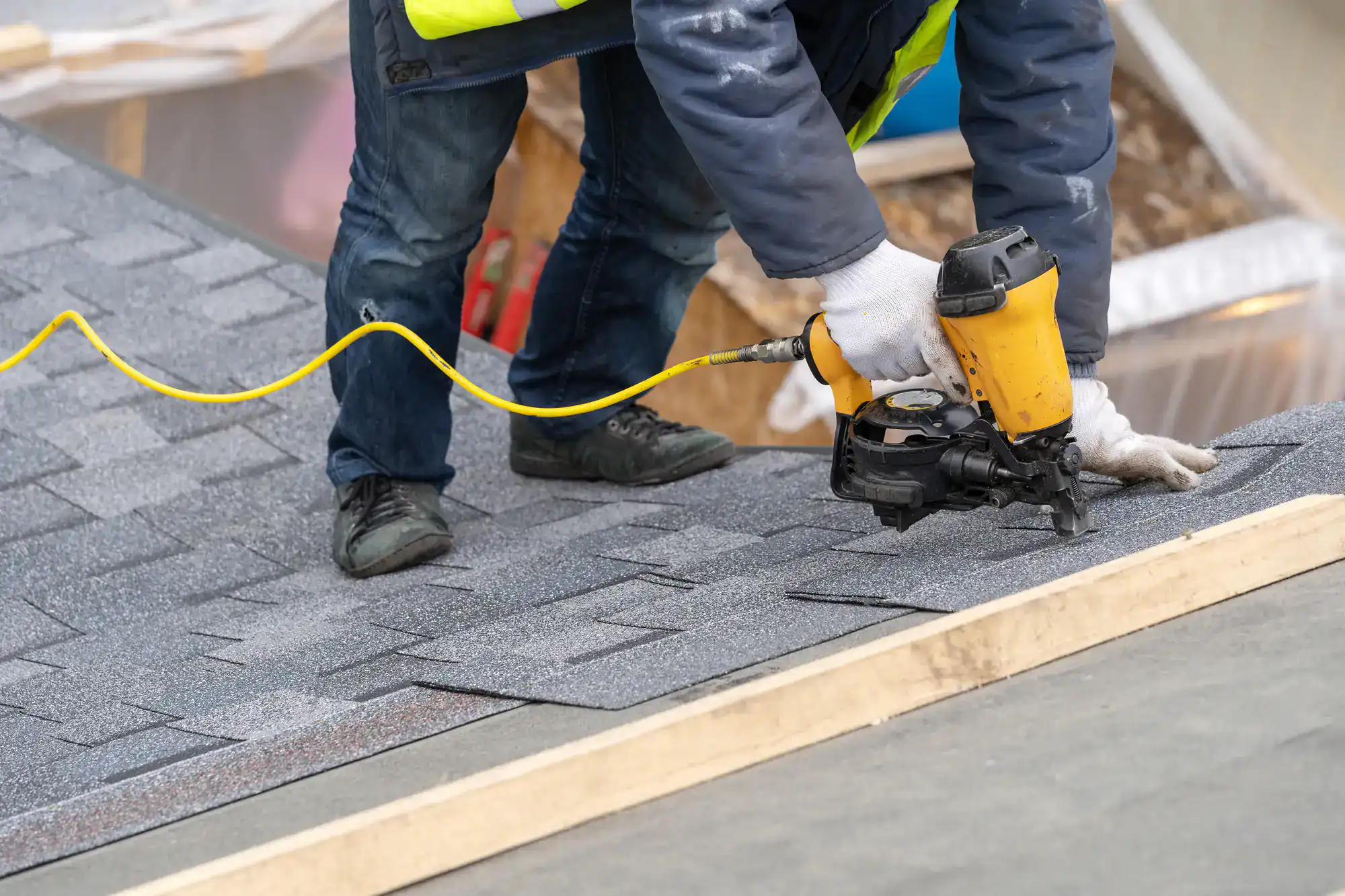
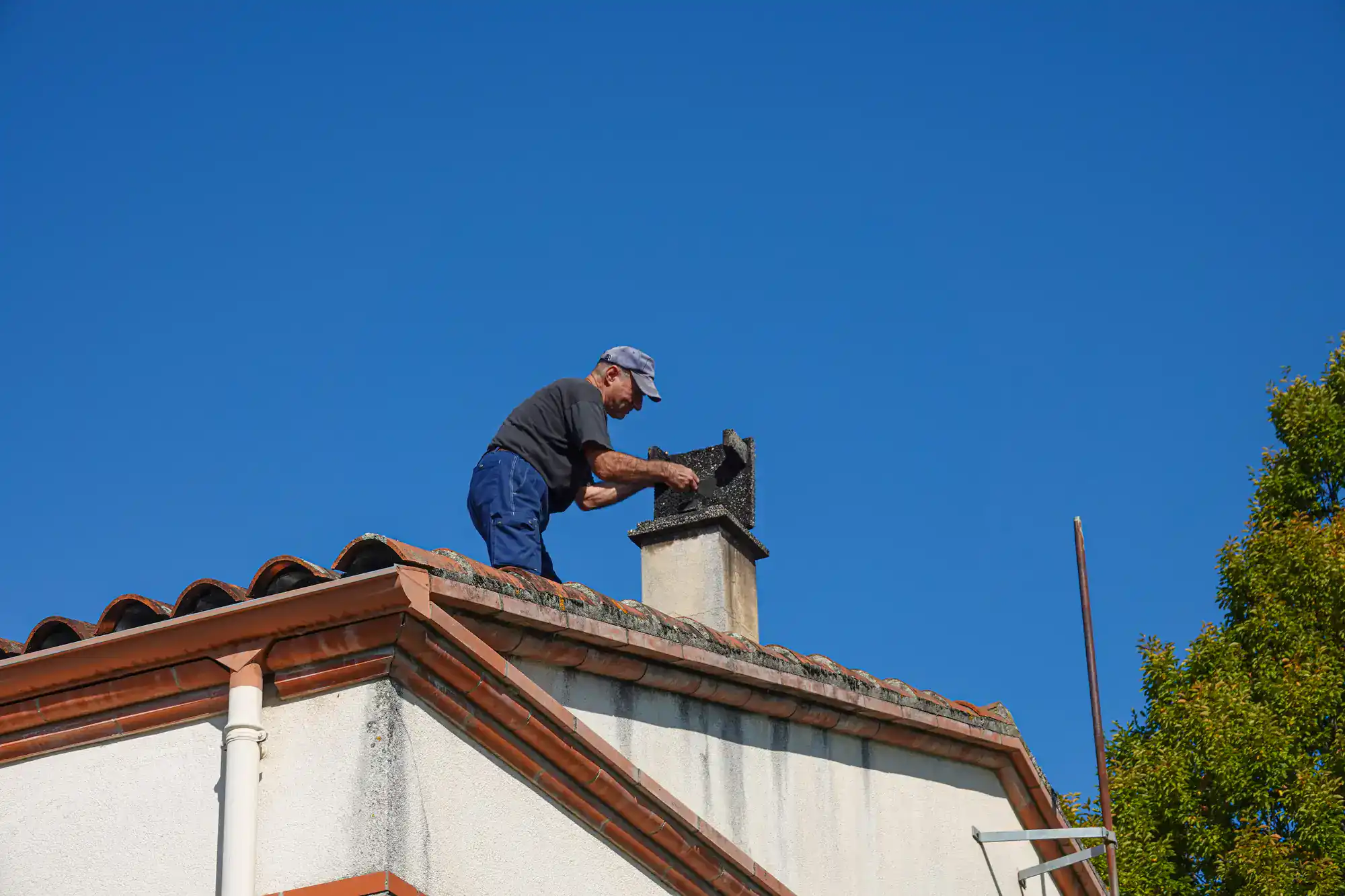
It starts with a free consultation a real one, not a formality before the upsell. Someone from our team comes out, gets on the roof, and looks at what’s actually happening. That means checking the obvious stuff missing shingles, cracked flashing, damaged ridge caps but also the less obvious entry points that tend to get missed: chimney base seals, skylight perimeters, the areas where different roof planes meet. In Parsippany-Troy Hills, where older housing stock often has complex rooflines with dormers and active chimneys, that thoroughness is what separates a repair that lasts from one that doesn’t.
Once we identify the source, you get a clear explanation of what needs to happen and why no jargon, no pressure, no manufactured urgency. If it’s a shingle repair, that’s what gets quoted. If it’s a flat roof section on a commercial property along the Route 10 corridor, the approach changes accordingly. We do the work with the right materials for your specific roof type, and everything is backed by our full warranty before the crew leaves.
One thing worth knowing: re-roofing in Parsippany-Troy Hills does not require a permit, which removes one layer of friction from the process. If roof sheathing replacement is needed as part of the repair, there’s a flat $75 fee through the township straightforward, no surprises. That’s the kind of transparency you should expect from the first conversation to the final invoice.
Ready to get started?
Request a callback

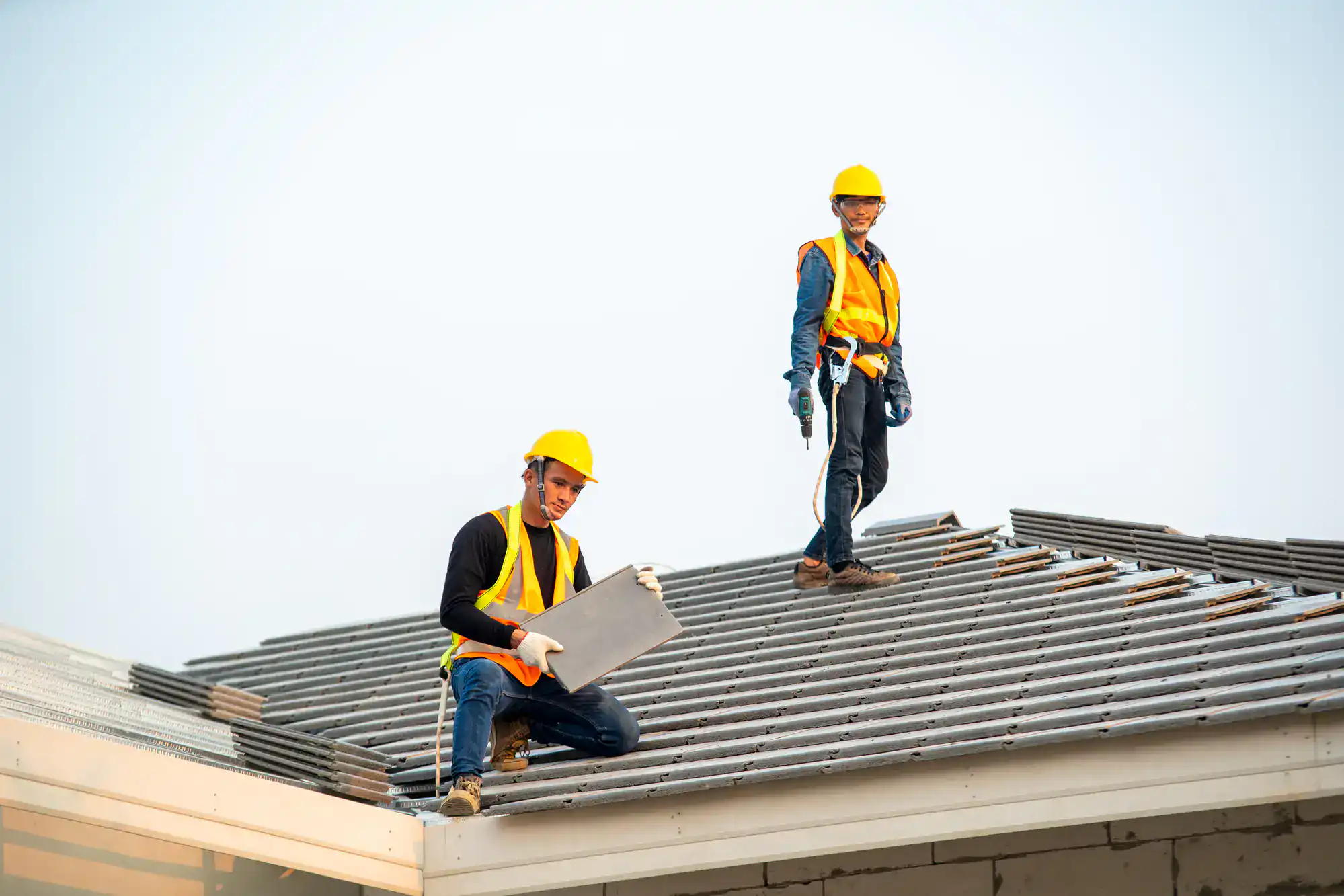
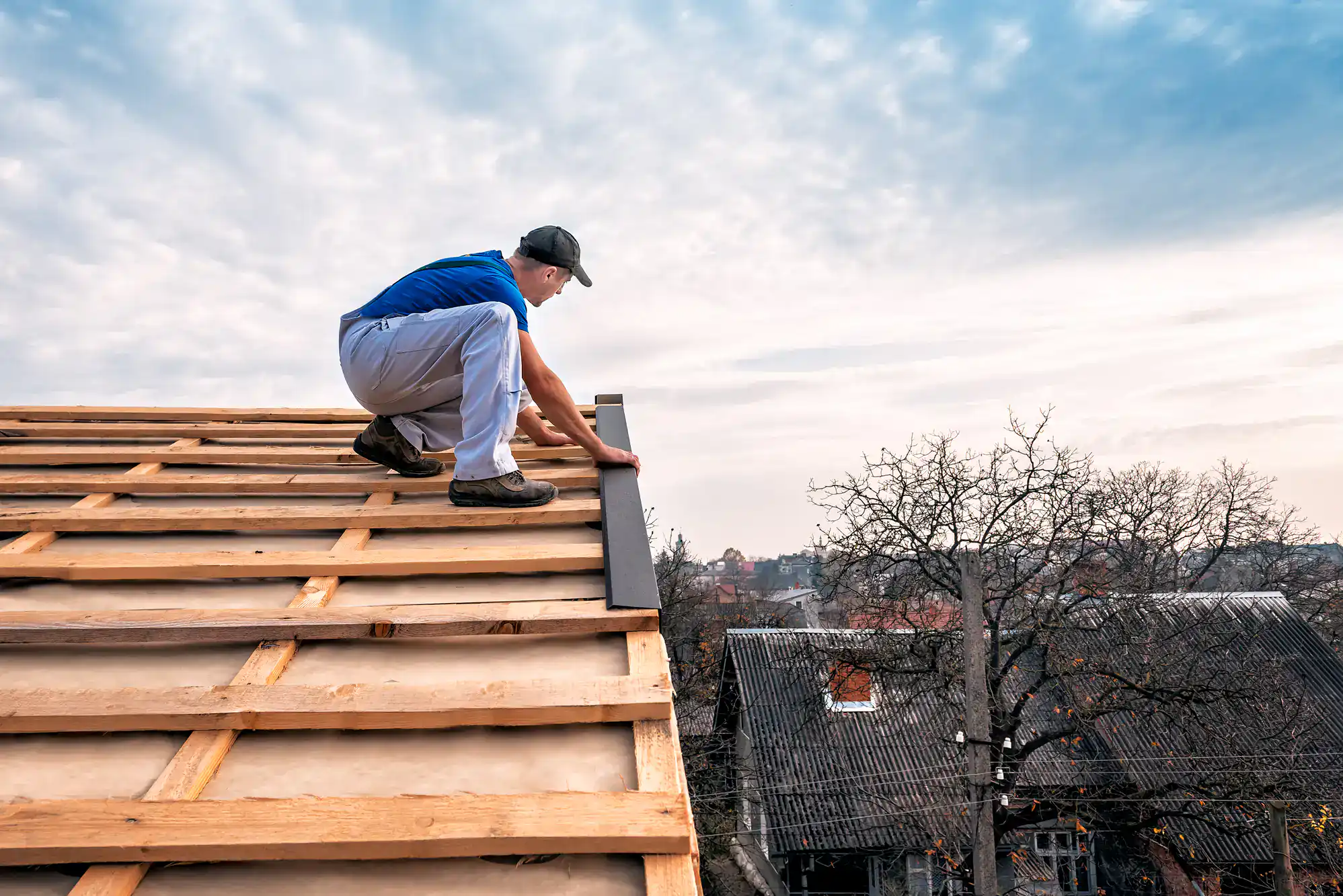
Roof repair in Parsippany-Troy Hills covers a wider range of issues than most homeowners expect going in. Shingle repair and missing shingle replacement are the most common starting point especially after the kind of high-wind storms that move through the I-80 and I-287 corridor and strip granules or lift entire shingle sections. But the work doesn’t stop there.
Roof leak patching addresses active water intrusion at the point of failure, not just the point where it shows up inside. Emergency roof tarping is available when a storm leaves a section of your roof exposed and permanent repairs need to wait for safe conditions a critical service for lakefront properties near Lake Parsippany and Lake Hiawatha, where water intrusion can escalate quickly. Flat roof repair is available for the commercial properties and office buildings throughout the township’s corporate corridors, where membrane and drainage failures require a completely different approach than residential pitched roofing.
Storm damage roof repair comes with documentation support as well useful if you’re navigating an insurance claim after a weather event. We also handle the chimney flashing and gutter-related failures that masquerade as roof leaks on older Parsippany-Troy Hills homes, particularly the mid-century Cape Cods and Victorian-era properties in Mount Tabor. Whatever the entry point, the goal is the same: find what’s actually failing, fix it correctly, and make sure it holds.
This is the right question to ask before anyone starts quoting you numbers. The honest answer is that a lot of roofs in Parsippany-Troy Hills that get sold as “needing replacement” could have gone several more years with targeted repairs and some that homeowners assume are fine are actually past the point where patching makes financial sense. The difference comes down to the extent of the damage, the age of the existing shingles, and the condition of the underlying decking.
Most asphalt shingle roofs have a lifespan of 20 to 30 years. Given that the majority of Parsippany-Troy Hills’ residential neighborhoods were built out between the 1950s and 1980s, a significant number of homes in Lake Hiawatha, Troy Hills, and central Parsippany are either at or past that threshold. If your roof is 15 years old and has localized storm damage, repair is almost always the right call. If it’s 28 years old, showing widespread granule loss, and has multiple failing areas, replacement is probably the more cost-effective long-term decision. A proper inspection not a sales visit gives you the information to make that call clearly.
In the split-levels, colonials, and Cape Cods that make up most of Parsippany-Troy Hills’ residential neighborhoods, the most common leak sources aren’t the shingles themselves they’re the transition points. Chimney flashing is one of the biggest culprits. On homes with active fireplaces and older masonry chimneys, the metal flashing that seals the joint between the chimney and the roof deck deteriorates over time, especially after repeated freeze-thaw cycles. When it fails, water finds its way in along the chimney base and it often travels several feet before it shows up as a stain on an interior ceiling, making the source hard to trace without a proper inspection.
Skylight seals, roof valley flashing, and gutter overflow points are also frequent entry points on older Parsippany-Troy Hills homes. A gutter that’s pulling away from the fascia or backing up during heavy rain can saturate the wood behind it and create leaks that look like roof failures but aren’t. Because we handle roofing, chimney repair, and gutters, these kinds of multi-source problems get diagnosed and fixed in a single visit instead of requiring multiple contractors and multiple trips.
The first priority is stopping additional water from getting in. If a section of your roof is visibly compromised shingles blown off, a tree limb through the surface, flashing pulled back and you can’t get a contractor out for permanent repairs right away, emergency roof tarping is the bridge that protects your home in the meantime. A properly secured tarp over the damaged area prevents water intrusion from continuing while conditions stabilize and repairs are scheduled.
After that, document everything before any cleanup or temporary repairs happen. Photos of the damage both exterior and any interior water intrusion are important if you’re filing a homeowner’s insurance claim. Parsippany-Troy Hills sits in a part of Morris County that sees real storm exposure: nor’easters tracking up the I-80 corridor, summer thunderstorms with high-wind gusts, and hail events that can strip granules and compromise shingle integrity without leaving obvious visible damage. If you’ve had a significant storm pass through and aren’t sure whether your roof was affected, a post-storm inspection is worth doing before the next rain event finds the weak spot for you.
For standard re-roofing including shingle repair and shingle replacement no permit is required in Parsippany-Troy Hills. That removes a meaningful layer of delay and paperwork from the process, and it means a repair can typically be scheduled and completed without waiting on municipal approvals. If the work involves replacing roof sheathing (the decking underneath the shingles), the township charges a flat fee of $75 straightforward and fixed, not a variable cost that changes based on scope.
What does remain consistent regardless of permit requirements is the township’s property maintenance obligation. Parsippany-Troy Hills’ housing and property maintenance code specifically requires that roofs be kept structurally sound and free from defects meaning a deteriorating roof isn’t just a personal inconvenience, it’s a compliance matter. For homeowners in the Mount Tabor historic district, it’s also worth confirming that any replacement materials are compatible with the neighborhood’s historic character before work begins, since older Victorian-era homes sometimes have specific considerations around roofing materials and aesthetics.
Roof repair costs vary significantly depending on what’s actually wrong and how much of the roof is affected. A localized shingle repair replacing a handful of blown-off or cracked shingles after a storm typically runs a few hundred dollars. Roof leak patching that involves flashing repair or more involved work at a chimney or valley can range from a few hundred to over a thousand dollars depending on complexity. Larger repairs involving significant sheathing replacement or flat roof membrane work on a commercial property will be priced differently and should be assessed in person.
What matters more than a ballpark number is getting an accurate assessment of what you’re actually dealing with. Parsippany-Troy Hills homeowners protecting homes with median values around $502,000 and considerably higher in Troy Hills have real financial incentive to get the diagnosis right before committing to a scope of work. Our free consultation is specifically designed for this: you find out what the problem is, what it will take to fix it, and what it will cost before any work begins. No hidden charges, no surprises on the final invoice.
This is where Parsippany-Troy Hills homeowners have to be especially careful. After any significant storm event in Morris County, out-of-state and unregistered contractors move through northern New Jersey neighborhoods quickly knocking on doors, offering fast quotes, and sometimes collecting deposits before disappearing. New Jersey requires all home improvement contractors to be registered with the NJ Division of Consumer Affairs, and that registration number should be something any legitimate contractor can provide on the spot.
Beyond registration, look for credentials that are independently verifiable: BBB Accreditation (searchable at BBB.org), manufacturer certifications like GAF Preferred Contractor status, and a review history with enough volume and specificity to be credible. A contractor with 195 reviews averaging 4.9 stars where reviewers reference the owner by name and describe specific job details is a fundamentally different picture than a company with a handful of generic five-star posts. Parsippany-Troy Hills is a community where homeowners research before they hire, and the contractors worth hiring are the ones who hold up to that scrutiny.
Other Services we provide in Parsippany-Troy Hills