
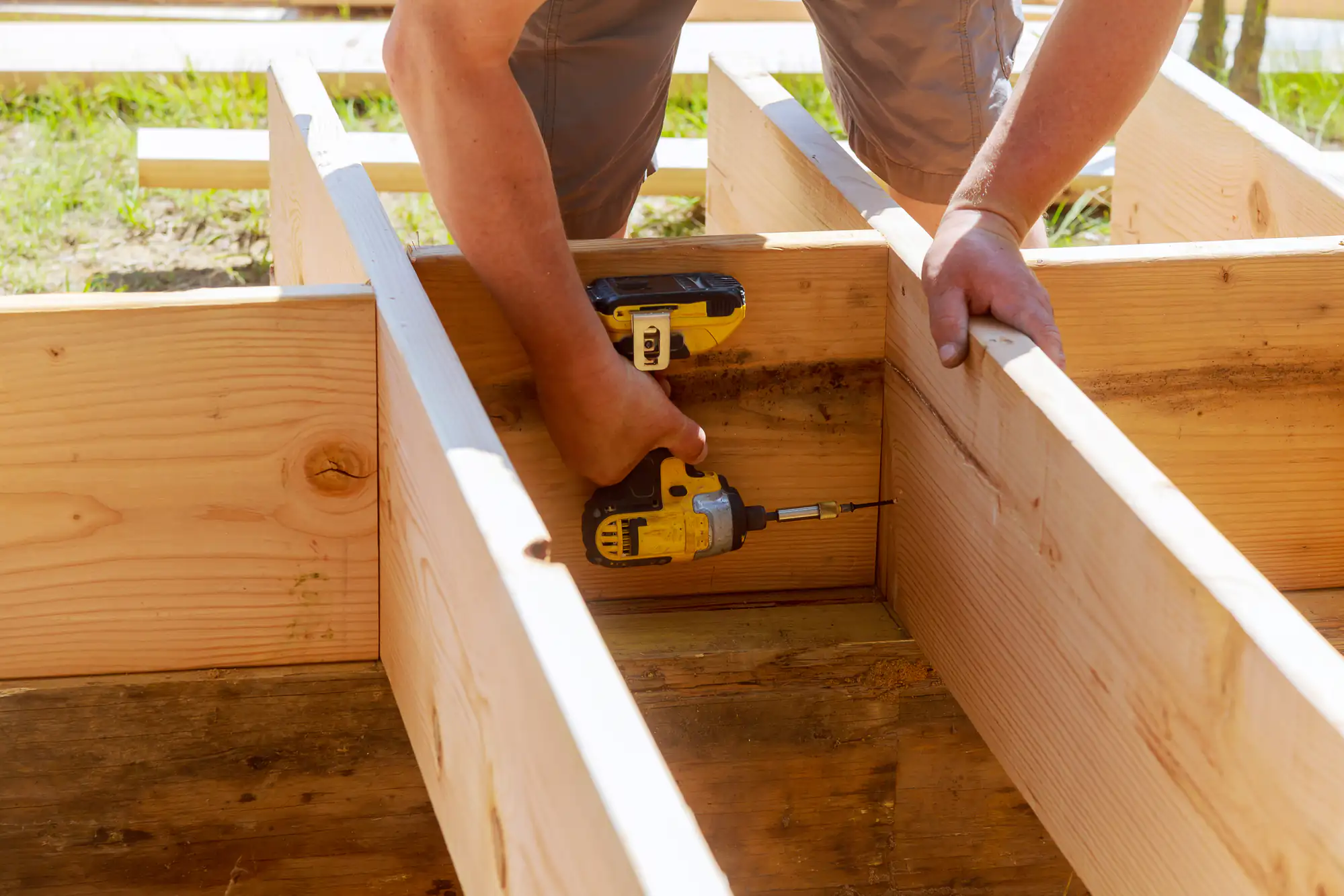
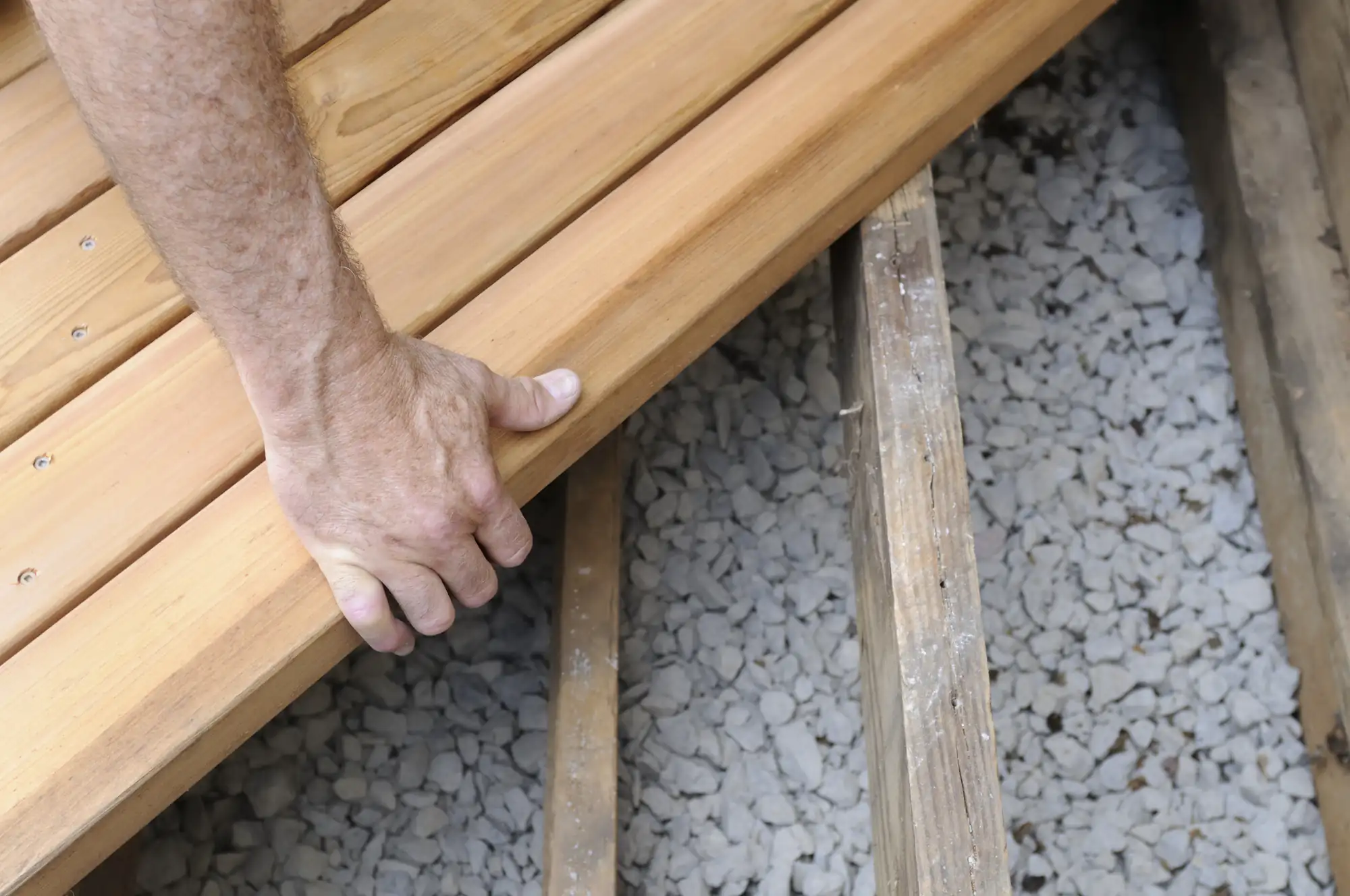
Livingston homeowners aren’t building decks to check a box. They’re creating spaces they’ll actually use and in a town where nearly a third of residents work from home, that outdoor space gets used on Tuesday afternoon just as much as Saturday evening. When the build is done right, your backyard stops being an afterthought and starts being part of how you live.
The homes in Livingston sit on generous lots with real yard space something you don’t find in most of Essex County. That means there’s room to build something worth building. A properly constructed deck with the right footings, the right materials, and the right drainage doesn’t just look good on day one. It stays solid through years of New Jersey winters, where freeze-thaw cycles can destroy a poorly built structure from the ground up.
There’s also the financial reality. Livingston homes regularly trade near or above the $1 million mark, and they move fast around 20 days on market. A permitted, professionally built deck adds measurable resale value and signals to any future buyer that the home was maintained by someone who cared. An unpermitted deck does the opposite. The difference between the two usually comes down to who you hired in the first place.
Proline Construction is a family-owned general contracting company based in northern New Jersey, serving Livingston and Essex County homeowners since 2018. We’re BBB Accredited and a GAF Preferred Contractor third-party verified credentials that most local deck builders simply don’t carry and we back every project with a full written warranty.
What sets us apart in Livingston isn’t just the credentials. It’s that the owner is personally invested in every job. You won’t get a crew that shows up without context and disappears before the punch list is done. You’ll get a contractor who communicates clearly by call, text, or on-site update and keeps the project moving on schedule.
Livingston is a community where homeowners have high standards and long memories. From the neighborhoods near Riker Hill to the streets feeding into South Livingston Avenue, the homes here represent serious investments. We treat them that way.
It starts with a free consultation. We come out, look at your yard, listen to what you want, and give you a detailed written quote not a ballpark number over the phone, but an actual line-by-line breakdown of materials, labor, and scope. If you’ve already gotten quotes from other contractors, bring them. A written quote makes it easy to compare apples to apples.
Once you’re ready to move forward, we handle the permit process. In Livingston, that means navigating a multi-department review Zoning, Engineering, and Building all have to sign off before construction can begin. The township’s own Building Department advises homeowners to apply early because the timeline can stretch. We manage that process from submission through final inspection, so you’re not chasing paperwork or trying to decode permit requirements on your own.
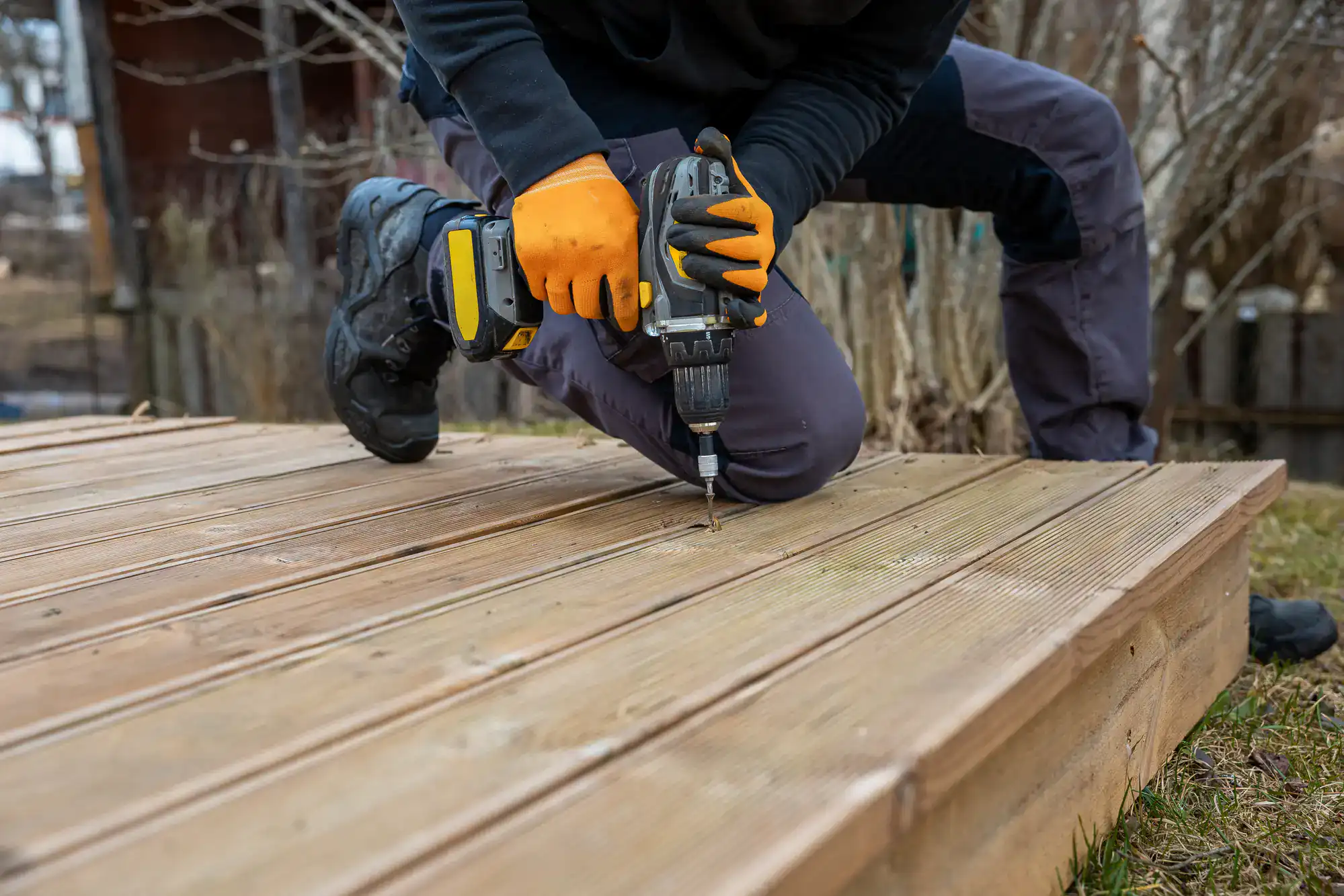
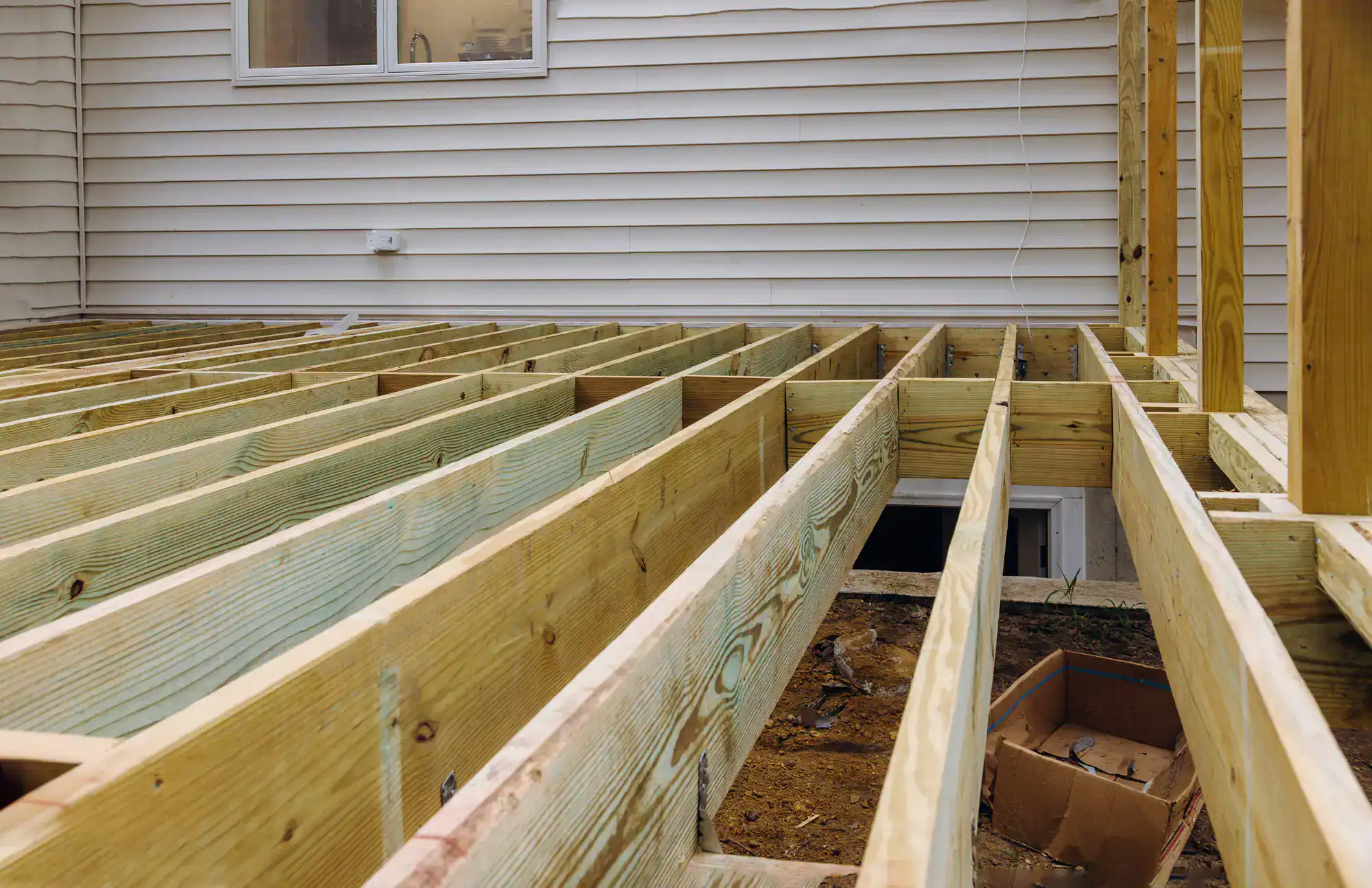
When permits are approved, the build begins. Footings go in first, set below the Essex County frost line roughly 36 inches so the structure won’t shift or heave when the ground freezes. From there, framing, decking, railings, and any additional features are completed according to plan. Livingston’s zoning code caps attached deck railings at 42 inches, and every build we complete meets that and all other applicable code requirements. Final inspection closes it out, and you walk away with a fully permitted, warranted deck.
Ready to get started?
Request a callback

One of the first real decisions in any deck project is material selection, and in northern New Jersey, that choice matters more than it does in a milder climate. Pressure-treated wood is durable, cost-effective, and historically the most common choice it recoupes around 83% of its cost at resale according to Remodeling Magazine’s Cost vs. Value data. Composite decking costs more upfront but handles New Jersey’s freeze-thaw winters better, resists moisture and splinting, and requires almost no annual maintenance. Neither option is universally right. The best choice depends on your budget, how much maintenance you want to deal with, and how long you plan to stay in the home.
We build both. The consultation is where that conversation happens honestly, without steering you toward the more expensive option just because it costs more. If pressure-treated wood makes more sense for your situation, that’s what we recommend. If composite is the better long-term fit, we’ll explain exactly why.
Beyond the decking surface itself, every build we complete in Livingston includes proper ledger board flashing where the deck attaches to the house one of the most commonly skipped steps in residential deck construction and one of the leading causes of water damage and rot in older homes. Livingston’s housing stock skews toward homes built in the 1960s through 1980s, and ledger connections on homes that age deserve careful attention. That’s the kind of detail a general contractor catches. A deck-only builder often doesn’t.
Yes and in Livingston, the permit process involves more than one department. Before construction can begin, your project needs to clear the Zoning Department, the Engineering Department, and the Building Department. Each one reviews the application separately, which means the timeline can be longer than homeowners expect. The township’s own Building Inspector recommends applying as early as possible to avoid delays.
The Zoning Permit alone carries a $75 fee for residential decks, and that’s just one piece of the process. There’s also the construction permit application, plan review, and a final inspection once the work is complete. If your property sits near the western edge of Livingston closer to the Passaic River there may be additional flood hazard area requirements to satisfy. We handle the entire permit process from start to finish, so you’re not navigating three departments on your own while also trying to plan a build.
A standard pressure-treated wood deck in the 12×16 foot range typically runs between $9,000 and $13,000 in the Livingston area. Composite decking at the same size comes in higher generally $15,000 to $20,000 because the material itself costs more. Larger custom builds with multiple features, built-in seating, pergolas, or outdoor kitchen integration can run $25,000 to $35,000 or beyond depending on scope and materials.
What affects the final number most is the complexity of the design, the material you choose, and what the existing site conditions look like. A deck on a flat yard with easy access is a different job than one on a sloped lot with limited staging area. We provide a free, detailed written quote after seeing the site not a range pulled from thin air. That quote breaks down exactly what’s included so you can make a real decision, not a guess.
Northern New Jersey winters are hard on outdoor structures. The freeze-thaw cycle where moisture gets into wood grain, freezes, expands, and thaws repeatedly is one of the primary reasons wood decks warp, crack, and splinter over time. In Essex County, frost depth runs about 36 inches, which is why footings have to be set deep enough to avoid heaving. The surface material faces its own set of challenges above ground.
Composite decking was specifically engineered to resist moisture absorption, which makes it better suited to climates like Livingston’s. It won’t splinter, it holds its color better under UV exposure, and it doesn’t require the annual sealing and staining that pressure-treated wood does. That said, wood is still a strong performer when properly maintained, and it carries a higher resale ROI. The right answer depends on how much maintenance you want to take on and how long you’re planning to stay in the home. That’s a conversation worth having before you commit to either.
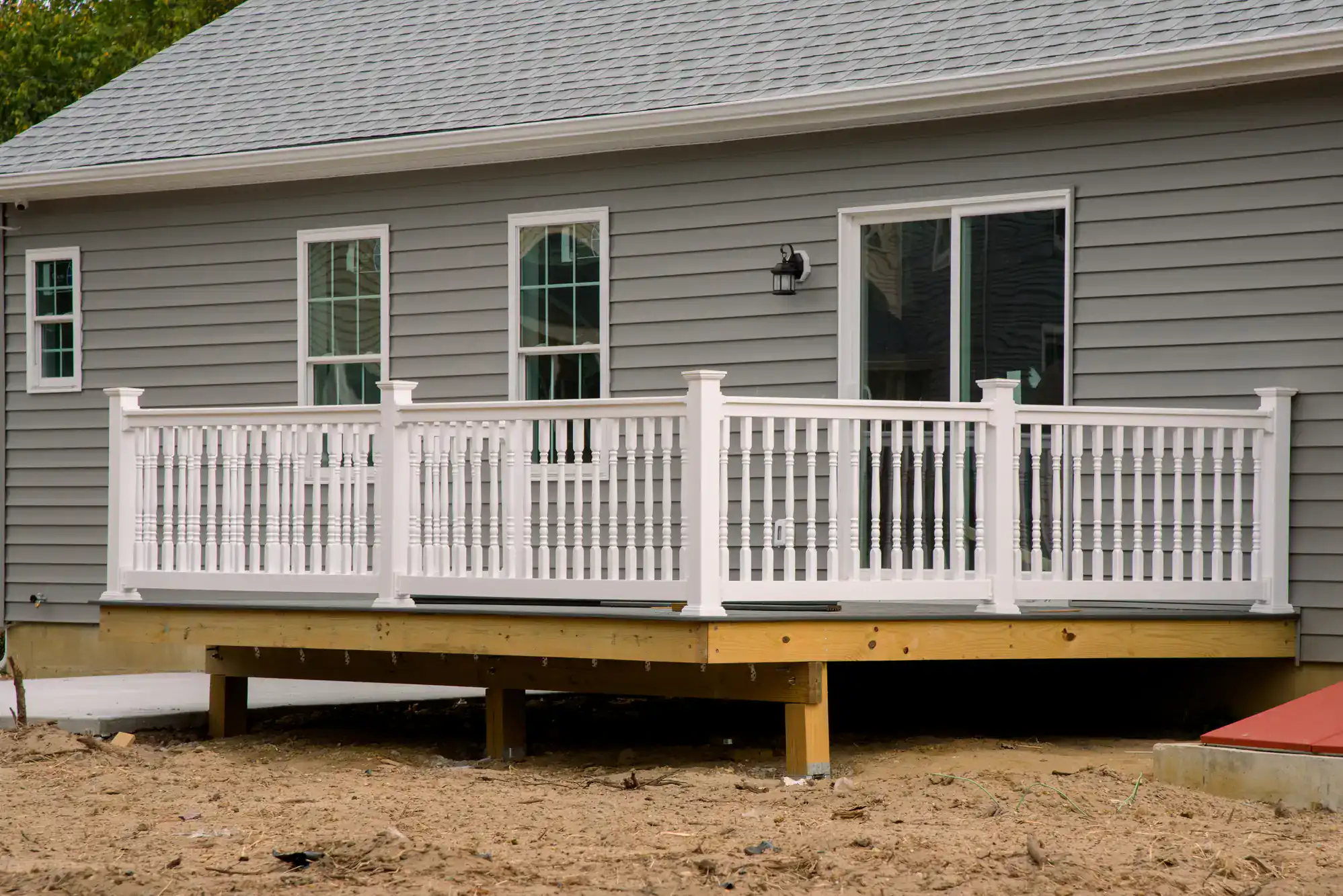
Livingston’s zoning code specifies that protective railings on attached sun decks and patios cannot exceed 42 inches in height as measured from the floor. New Jersey state code also requires guardrails on any deck that sits 30 inches or more above grade so if your deck is elevated, railings aren’t optional. The local 42-inch cap applies specifically to attached deck and patio railing height.
This is one of those details that gets missed when a contractor isn’t familiar with Livingston’s specific code requirements. A railing built to the wrong height can create a problem at final inspection, which delays the project and sometimes requires rework. We build to Livingston’s local zoning standards from the start not to a generic NJ template so there are no surprises when the inspector comes out.
The timeline depends on two main variables: the permit process and the scope of the build. In Livingston, where the permit requires sign-off from multiple departments, the approval phase alone can take several weeks especially during the busy spring season when the Building Department is processing a higher volume of applications. That’s why it’s worth starting the process earlier than you think you need to.
Once permits are approved, the physical construction of a standard deck typically takes one to two weeks depending on size and complexity. Larger custom builds with additional features take longer. The most common reason projects run behind schedule isn’t the construction itself it’s waiting on permits that weren’t submitted early enough. If you’re hoping to have your deck ready for summer, the time to start the conversation is late winter or early spring, not May.
The first thing to verify is that the contractor is licensed in New Jersey and willing to pull permits. An unpermitted deck in Livingston creates real problems at resale, with your homeowner’s insurance, and potentially with code enforcement. Any contractor who suggests skipping the permit process to save time or money is not someone you want building a structure attached to your home.
Beyond licensing, look for a written contract and a written warranty. Verbal agreements don’t protect you when something goes wrong six months later. Third-party credentials like BBB Accreditation give you an additional layer of accountability it means there’s a recognized organization you can contact if a dispute arises. In a town where homes are worth $800,000 or more, the contractor you hire for a $15,000 to $30,000 deck project should be able to demonstrate real credentials, not just a good sales pitch. We carry BBB Accreditation, GAF Preferred Contractor status, and back every deck build with a full written warranty and offer a free written quote so you can evaluate the scope before committing to anything.
Other Services we provide in Livingston