Summary:
You’re not looking for the cheapest roof. You’re looking for a fair price and a straight answer.
When you start getting estimates for roof installation in Essex County, the numbers are all over the place. One contractor says $11,000. Another says $22,000. A third won’t give you a number until they “assess the situation”—which sounds like code for “we’ll figure it out as we go.”
The truth is, roof installation cost depends on measurable factors: your roof size, the material you choose, how much tear-off and disposal is involved, and whether your contractor is upfront about permits, labor, and the work that actually needs to happen. This guide breaks down what you’ll actually pay in New Jersey in 2026, what affects that number, and how to avoid the surprise fees that turn a $14,000 quote into a $19,000 bill.
What Does Roof Installation Cost in New Jersey in 2026
Most homeowners in New Jersey pay between $8,000 and $25,000 for a full roof replacement. That’s a big range, and it reflects real differences in roof size, material choice, and project complexity.
For a typical 2,000 square foot home in Essex County with architectural shingles, expect to pay $12,000 to $18,000. That includes materials, labor, tear-off of the old roof, disposal, and permits. If your roof is smaller or simpler, you might land closer to $10,000. If it’s larger, steeper, or involves structural repairs, you could be looking at $20,000 or more.
The number changes based on what’s actually happening on your roof. A ranch with a straightforward gable design costs less to install than a two-story colonial with multiple valleys, chimneys, and skylights. Material costs have stabilized since the supply chain chaos of 2022 and 2023, but New Jersey labor rates remain higher than the national average—typically $55 to $95 per hour compared to $45 to $70 elsewhere.
How Roof Size and Pitch Affect Installation Cost
Roofing contractors measure in squares, not square feet. One square equals 100 square feet of roof surface. A 2,000 square foot home doesn’t automatically mean a 2,000 square foot roof. Roof pitch—the angle or steepness—adds surface area. A steep 8/12 pitch roof on a 1,800 square foot house might actually be 2,400 square feet of roofing surface.
Pitch also affects labor costs. Steeper roofs require more safety equipment, take longer to install, and demand more skilled labor. A roof with a 4/12 or 6/12 pitch is standard. Anything over 8/12 can add 25% to 50% to labor costs because crews move slower and need additional staging.
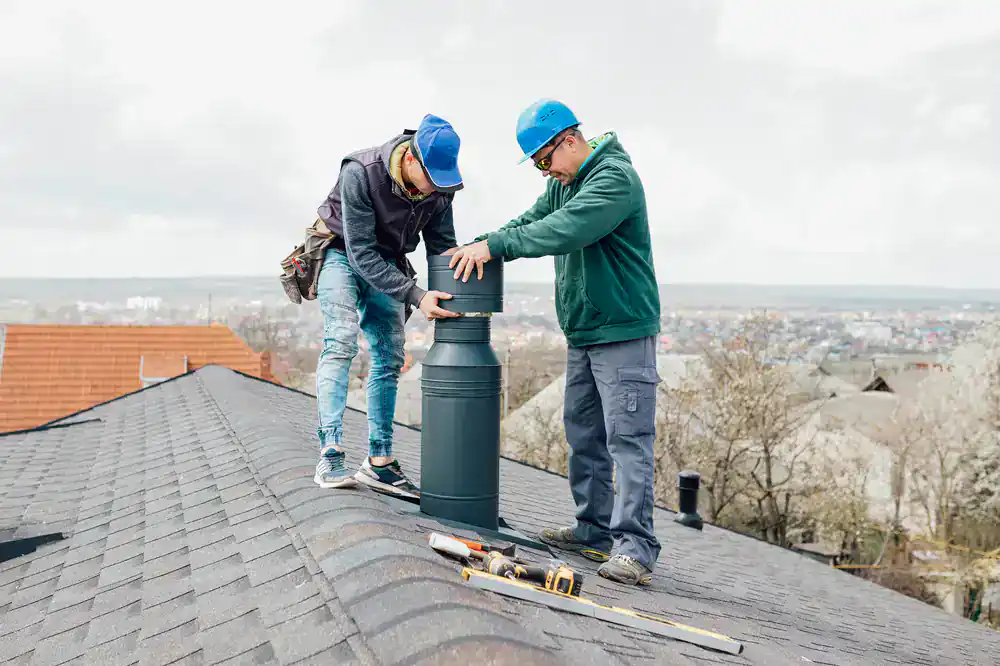
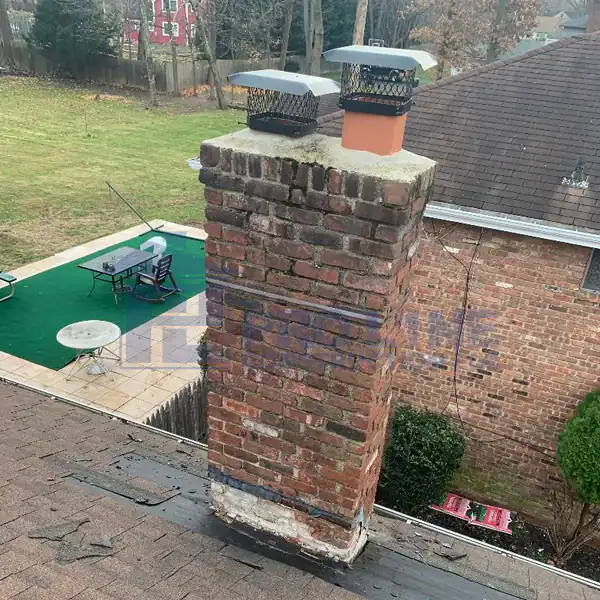
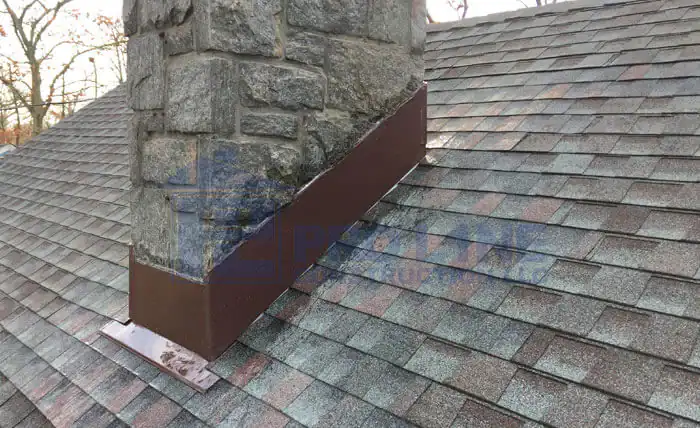
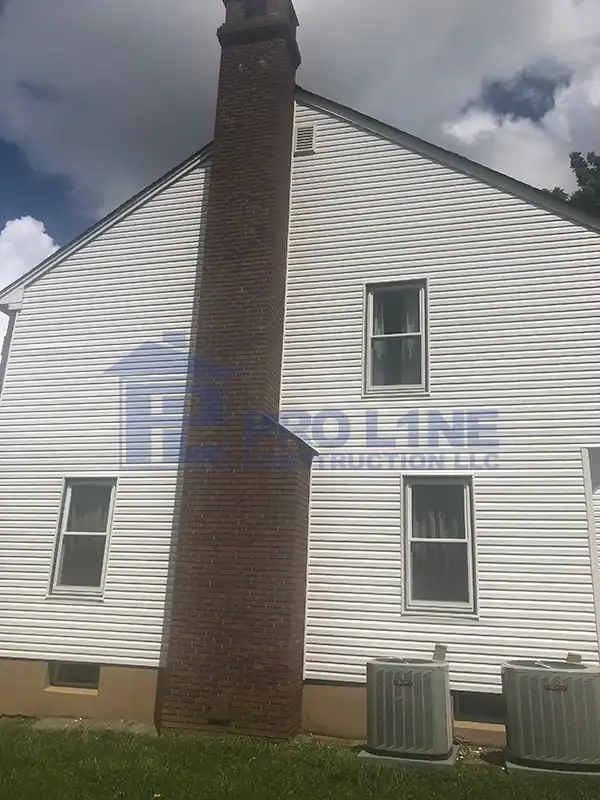
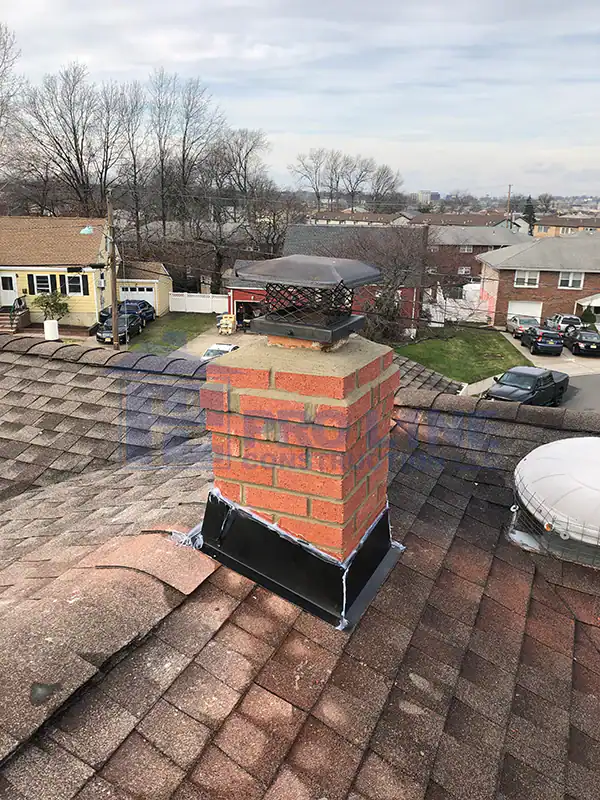
Complexity matters just as much as size. Multiple roof planes, valleys, dormers, chimneys, and skylights all require hand-fitted flashing and careful waterproofing. Each transition point is a potential leak spot, so contractors spend more time getting it right. A simple gable roof on a ranch might take one day to install. A complex hip roof with three chimneys and two skylights might take three days, and that time shows up in your invoice.
Your home’s height also plays a role. A single-story roof is easier to access and safer to work on. A two-story home requires more time to move materials up, and roofers take extra precautions. That adds to the labor total. If your roof is hard to reach or surrounded by landscaping that needs protection, expect contractors to account for that in their pricing.
Material Costs: Asphalt, Metal, and Specialty Options
Your choice of roofing material is the single biggest variable in roof installation cost. Asphalt shingles are the most common choice in Essex County because they balance cost, durability, and performance in New Jersey’s climate. Basic 3-tab shingles run $4.50 to $7.50 per square foot installed and last 15 to 20 years. Architectural shingles—thicker, more durable, and better-looking—cost $6 to $9 per square foot and carry 25 to 30-year warranties.
Most homeowners in northern New Jersey choose architectural shingles. They handle freeze-thaw cycles better than 3-tab, resist high winds, and won’t need replacing again for decades. For a 2,000 square foot roof, the material difference between 3-tab and architectural shingles might be $2,000 to $3,000, but the performance gap is significant.
Metal roofing costs more upfront—$9 to $17 per square foot installed—but lasts 40 to 70 years with minimal maintenance. If you plan to stay in your home long-term, metal delivers the best return on investment. It sheds snow easily, resists ice damming, and reflects heat in summer. The higher initial cost spreads out over decades of performance.
Slate and tile sit at the premium end. Slate runs $15 to $30 per square foot and can last 50 to 200 years, but it’s heavy and requires structural support. Cedar shakes cost $9 to $14 per square foot and offer a natural look, but they demand more maintenance and aren’t ideal for New Jersey’s wet climate. Concrete or clay tile costs $7 to $18 per square foot and performs well, but again, weight is a consideration.
Material choice also affects what else gets included. Some materials require specific underlayment, ventilation setups, or flashing types. A good contractor walks you through what your roof actually needs based on how it’s built, not just what looks good in a brochure.
Want live answers?
Connect with a Proline Construction expert for fast, friendly support.
New Roof Installation Cost Breakdown: What You're Actually Paying For
A roof replacement isn’t just shingles. It’s a system. Labor, materials, tear-off, disposal, permits, and inspections all factor into the final number. Understanding what each piece costs helps you evaluate estimates and spot where contractors might be cutting corners or padding the bill.
Labor typically makes up 60% to 65% of your total roof installation cost. For a $14,000 project, that’s $8,400 to $9,100 going to the crew’s time, expertise, and insurance. Materials—shingles, underlayment, flashing, ventilation components—account for the remaining 35% to 40%. The rest covers permits, disposal, and incidentals.
A transparent estimate breaks this down line by line. You should see costs for tear-off, new underlayment, shingles, flashing, ridge cap, ventilation, drip edge, disposal, and permits listed separately. If an estimate only shows a lump sum with no details, you have no way to know what you’re paying for or what might get skipped.
Labor and Installation Costs in Essex County
New Jersey labor rates run higher than the national average. In Essex County, expect roofing labor to cost $55 to $95 per hour depending on the contractor’s experience, crew size, and project complexity. That’s 20% to 35% above what homeowners pay in other parts of the country, and it reflects the higher cost of living, stricter licensing requirements, and strong demand for skilled roofers in northern New Jersey.
Labor isn’t just about hours. It includes the cost of workers’ compensation insurance, liability coverage, and payroll taxes that licensed contractors are required to carry. Unlicensed crews might quote lower rates, but they don’t carry insurance. If someone gets hurt on your property or the work doesn’t meet code, you’re on the hook.
The scope of work also drives labor costs. A straightforward tear-off and replacement on a simple roof might take one full crew one day. A complex roof with multiple penetrations, steep pitch, and structural repairs might take three days with a larger crew. Contractors calculate labor based on the time required to complete the work properly, not the fastest way to get it done.
Installation quality matters. Proper ice and water shield placement, correct flashing installation, and adequate ventilation all take time. Contractors who rush through jobs to keep labor costs down often skip steps that protect your home. A roof installed correctly the first time costs less over its lifespan than a cheap job that leaks in two years and voids your warranty.
Best Roof Replacement Companies: What to Look for in Your Contractor
The best roof replacement companies don’t necessarily have the biggest ads or the lowest prices. They have licensed contractors, transparent estimates, and a track record you can verify. In Essex County, that means checking for a New Jersey Home Improvement Contractor (HIC) license, proof of insurance, and manufacturer certifications like GAF Preferred Contractor or CertainTeed Select ShingleMaster.
Licensed contractors pull their own permits and handle inspections. They know Essex County building codes, understand ice and water shield requirements, and install roofs that pass final inspection the first time. If a contractor asks you to pull the permit yourself or says permits aren’t necessary, walk away. That’s a red flag for unlicensed work that could void your insurance and create liability issues.
Look for contractors who provide detailed written estimates with line-item breakdowns. You should see exactly what materials they’re using, how much labor costs, what’s included in disposal, and how they handle permits. Vague estimates with only a total price leave too much room for surprise charges and cut corners.
Communication style matters just as much as credentials. The best contractors explain what your roof needs, walk you through material options, and answer questions without pressure tactics. They show up when they say they will, keep you updated during the project, and stand behind their work with real warranties. Family-owned companies with local roots tend to care more about reputation because they’re accountable to the community, not just a corporate office.
Check references and look for patterns in reviews. One bad review might be an outlier. Multiple complaints about surprise fees, poor communication, or shoddy work are warning signs. The best roof replacement companies in New Jersey earn trust through consistency—showing up, doing quality work, and treating your home like it matters.
Budgeting for Your Roof Installation in Essex County
Roof installation cost in New Jersey isn’t one number. It’s a combination of roof size, material choice, labor rates, and the work your specific home requires. Most Essex County homeowners pay $12,000 to $18,000 for a quality roof replacement with architectural shingles, but your number depends on what’s actually happening on your roof.
The smartest way to budget is to get detailed, written estimates from multiple licensed contractors. Look for line-item breakdowns that show materials, labor, tear-off, disposal, permits, and potential contingencies. Ask about ventilation, flashing, and what happens if they find decking damage. Contractors who communicate clearly and price honestly don’t hide fees or spring surprises halfway through the job.
If you’re planning a roof replacement in Morris or Essex County and want transparent pricing with no hidden charges, we provide free consultations and detailed estimates that show exactly what you’re paying for. Reach out and get a clear picture of what your project actually costs—no pressure, no surprises, just straight answers.