Summary:
You’re tired of patching the same leaks after every spring thaw. Maybe you’ve watched ice dams form for the third winter in a row, or you’re simply done gambling with temporary fixes that don’t address the real problem. A standing seam metal roof keeps appearing in your research, but the information ranges from vague marketing promises to overwhelming technical specifications.
What you actually need is clarity. How is the system built? Why does installation quality matter more than the metal itself? What drives cost beyond just materials and square footage? And how do you spot a contractor who actually specializes in metal roofing versus someone who just claims they can handle it?
Let’s start with what makes standing seam fundamentally different.
What Makes Standing Seam Metal Roofing Different
Standing seam uses long metal panels running vertically from ridge to eaves. The panels interlock at raised seams—those vertical ribs running up your roof. The critical difference is what you don’t see: fasteners are hidden underneath, not exposed to weather. A professional roofer will often recommend standing seam systems for homeowners looking for long-lasting protection and a cleaner appearance.
This concealed fastener design eliminates hundreds of potential leak points. Exposed screws back out over time as metal expands and contracts. The rubber washers around them degrade from UV and moisture. With standing seam, none of that hardware faces the elements.
The system also allows natural thermal movement. In Essex County, NJ, temperatures swing from single digits in January to 95 degrees in July. Panels need to expand and contract without stressing attachment points. That flexibility prevents buckling, noise, and premature failure.
Standing Seam Metal Roof Installation Methods: Snap-Lock vs. Mechanical Seam
Standing seam isn’t one product—it’s two distinct installation methods. Snap-lock panels have male and female edges that click together during installation. Clips fasten to your roof deck first. Each panel snaps onto those clips as it’s positioned. Faster installation means lower labor costs. Snap-lock works well on roofs with 3:12 pitch or steeper and handles Essex County weather when installed correctly.
Mechanical seam takes it further. After panels are positioned, a specialized machine crimps the seams together—single-lock or double-lock. More labor-intensive. Requires additional equipment. Costs more. But it delivers tighter seals and better wind uplift ratings. Often specified for low-slope applications (down to 0.5:12 pitch) or when you want maximum weather protection regardless of cost.
For most homes in Essex County, snap-lock provides excellent performance at a more accessible price. Mechanical seaming makes sense for lower pitch roofs, extremely exposed locations with high wind, or when you simply want the highest level of protection available. We evaluate your specific roof geometry and exposure rather than pushing whatever system we happen to install most often.
Panel width typically runs 16 inches. Seam height ranges from 1.5 to 2 inches. Some profiles feature striated (textured) surfaces that minimize the visibility of oil canning—those slight waves that can appear in flat metal. Not a defect, just an inherent characteristic of the material. The right profile choice makes it less noticeable if aesthetics matter to you.
How Standing Seam Performs in New Jersey Weather Conditions
Essex County sees it all. Heavy snow accumulation. Ice formation. Freeze-thaw cycles repeating dozens of times each winter. Summer storms with high winds. Occasional nor’easters that test every building material on your property. Standing seam metal roofs are engineered specifically for these conditions.
Snow and ice management is where you notice the biggest difference. The smooth surface lets snow slide off naturally rather than sitting for weeks. Reduces structural load. More importantly, minimizes conditions that create ice dams—those barriers of ice at your eaves that trap melt water and force it under your roofing material. With proper attic insulation and ventilation, standing seam’s quick-shedding properties give you a major advantage.
Wind resistance matters during severe thunderstorms and coastal storms hitting northern New Jersey. Properly installed systems withstand winds exceeding 120 mph. The concealed fastener design means no exposed screw heads for wind to catch and lift. Panels are secured with clips that allow controlled movement while maintaining grip. In high-wind areas, we reduce clip spacing to 12 inches for even greater uplift resistance.
Freeze-thaw cycles silently destroy traditional roofing. Water gets under shingles, freezes overnight, expands, gradually works deeper into your structure. Standing seam’s concealed fasteners and interlocking seams eliminate most entry points. The system stays weather-tight because fasteners aren’t exposed to moisture and temperature swings that cause degradation. No rubber washers cracking after five years. No screws working loose after a decade of expansion and contraction.
The longevity you hear about—40 to 70+ years—isn’t marketing. It’s what happens when you install a system genuinely built for long-term performance in a climate that tests everything. Steel panels with Kynar 500 finishes carry 30-year paint warranties and can last 50+ years. Aluminum resists corrosion naturally. Premium copper can exceed 100 years. Even entry-level standing seam dramatically outlasts the 20-25 year lifespan of traditional asphalt shingles.
Want live answers?
Connect with a Proline Construction expert for fast, friendly support.
Professional Standing Seam Installation Process
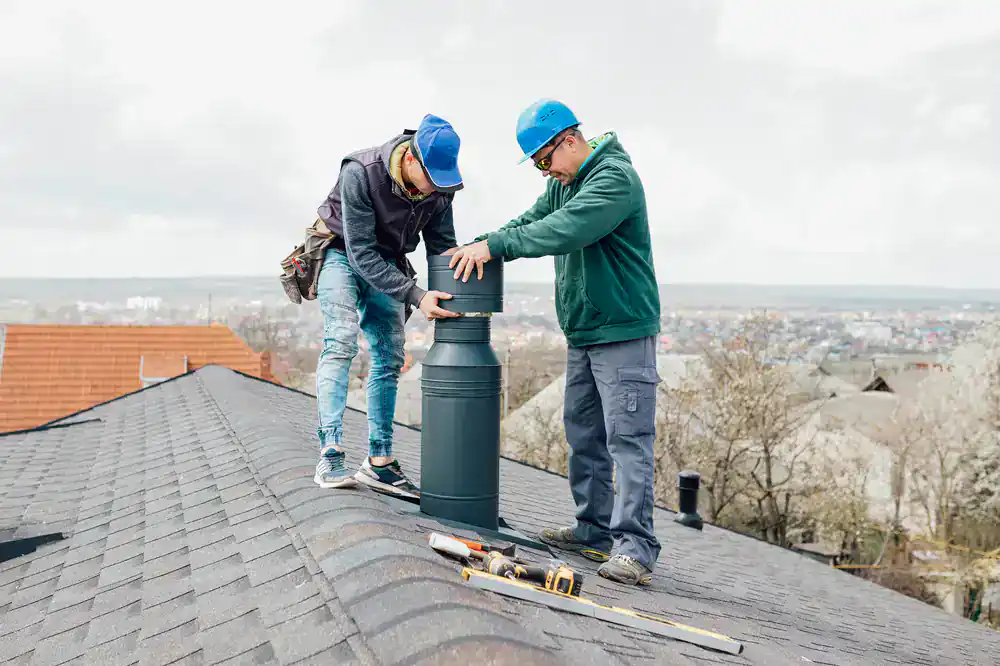
Installation quality determines whether your roof performs as promised or becomes an expensive lesson in cutting corners. The process requires specialized skills, specific tools, and genuine experience. Not something you DIY. Not something you trust to a general roofer who “can figure it out.”
Work starts before any metal touches your roof. Existing roofing comes off down to the decking. That decking gets inspected for damage, rot, weak spots. Compromised areas get replaced. Then comes underlayment—the critical water barrier between deck and panels. High-quality synthetic underlayment is standard. In areas prone to ice dams, self-adhering ice and water shield goes along eaves and in valleys.
Next, trim components: drip edge along eaves to direct water into gutters, lock strips at roof edges to secure first and last panels, flashing around penetrations like vents and chimneys. These details matter enormously. When standing seam roofs do leak, it’s usually at flashing areas—not because of panel failure, but because someone rushed detail work or didn’t understand proper sealing techniques.
Metal Roofing Installation Cost Factors and Pricing
Standing seam costs more upfront than asphalt shingles. That’s the reality. In Essex County, NJ, expect $10-16 per square foot installed for quality work. A typical 2,000 square foot roof runs $20,000-$32,000 depending on material choice, roof complexity, and specific contractor.
Labor represents 50-60% of that total. Essex County sits in one of New Jersey’s highest labor markets—northern counties near New York City command premium rates. Roofers who genuinely specialize in metal installation are in high demand because the skill set is different from shingle work and fewer crews can do it properly.
Material costs vary by metal type and finish. Galvalume steel (zinc-aluminum coated) with standard PVDF paint is most common. Upgrade to aluminum if you’re near the coast—natural corrosion resistance matters in salt air. Premium metals like copper or zinc dramatically increase cost but also lifespan. Panel gauge matters too: 24-gauge costs 25-30% more than 26-gauge but offers better durability and dent resistance.
Roof complexity drives labor time. Simple gable roof with few penetrations? Lower end of the range. Multiple valleys, dormers, skylights, steep pitch, complex geometry? Higher end. Permits in New Jersey run $200-$1,000 depending on municipality. Some Essex County towns require zoning review for metal roofing, especially in historic districts.
The cost looks high compared to $8,000-$12,000 for asphalt shingles on the same roof. But you’re eliminating 2-3 replacement cycles over the next 50 years. You’re reducing maintenance. You’re potentially lowering insurance premiums (5-35% discounts common for Class 4 impact-resistant metal roofs). You’re increasing home value—metal roofing delivers 48-95% cost recovery according to industry data, with East Coast markets seeing the higher end of that range.
Why Professional Installation Matters for Standing Seam Systems
The labor cost might tempt you to consider DIY. Don’t. Standing seam installation requires skills, tools, and knowledge most homeowners don’t have. Mistakes are expensive and sometimes dangerous. This isn’t laminate flooring where you redo a section. Roofing errors mean water in your home, structural damage, voided warranties, potentially tearing off and reinstalling the entire system.
Panel alignment is harder than it looks. If your first panel isn’t perfectly square, that error compounds with every panel. By the time you reach the opposite edge, panels might not line up at all. Gaps or overlaps that can’t be fixed without removing panels and starting over. Professionals use the 3-4-5 triangle method and continuous measurement to maintain alignment.
Flashing and trim work requires understanding water flow, ice dam formation, and weathertight seals at every transition. Valleys need proper width for water volume during heavy rain. Eave details must account for ice and snow buildup. Penetrations need sealing that allows for thermal movement. These aren’t skills from weekend YouTube videos—they come from installing dozens or hundreds of roofs.
Tool requirements go beyond most garages. Panel cutting must be precise to prevent edge corrosion. Mechanical seaming requires specialized machines costing thousands. Even snap-lock benefits from professional-grade tools. Safety equipment for height work—harnesses, staging, proper ladders—is non-negotiable but expensive for one-time use.
Warranty implications are significant. Most manufacturers void material warranties if installation isn’t by a licensed, insured professional. They know improper installation causes most failures, not defective materials. You install it yourself and have problems five years later? You’re on your own. Professional installation includes manufacturer warranties (often 30-40 years on paint, 50+ on substrate) plus contractor workmanship warranties covering installation for 2-10 years.
Standing seam is a specialized trade. You need someone who’s done it many times, knows common pitfalls, has proper tools, stands behind their work. The money you might save attempting DIY isn’t worth the risk.
Choosing the Right Metal Roofing Solution for Essex County, NJ
A standing seam metal roof is a significant investment. For Essex County homeowners dealing with New Jersey’s challenging climate, it’s often the last roof they’ll need to install. The key is understanding what you’re actually getting—not just metal panels, but a complete system depending on proper design, quality materials, and skilled installation.
Cost will be higher than asphalt shingles upfront. Installation requires finding a contractor with specific metal roofing experience, not general roofing knowledge. But you get a roof that sheds snow and ice efficiently, resists wind and weather damage, requires minimal maintenance, and lasts 40-70+ years with proper care. That’s not just marketing—it’s the difference between replacing your roof two or three more times versus being done with major roofing expenses.
If you’re ready to explore whether standing seam makes sense for your home, start with a conversation with someone who specializes in metal roofing installation. We work with homeowners throughout Morris and Essex County, NJ to evaluate roof conditions, explain options clearly, and provide transparent pricing accounting for your specific roof’s complexity. No pressure. No hidden fees. Just straightforward information to help you make the right decision for your home and budget.