Summary:
You know your roof needs checking. Maybe you’ve seen shingles in the yard after last week’s storm, or you’re noticing granules collecting in the gutters. The question isn’t whether to inspect—it’s how thoroughly you need to do it, and whether a quick look from the ground is enough or if you need someone with training and tools to dig deeper. The stakes are higher than most people realize. By the time roof damage becomes obvious to an untrained eye, you’re often past the point where a simple fix would have handled it. Let’s talk about what actually separates a DIY assessment from a professional roofer inspection, and when each one makes sense for your home.
What You Get with a Professional Roofer Inspection
A real roof inspection isn’t someone eyeballing your shingles and calling it done. It’s a systematic review of your entire roofing system—structure, materials, drainage, ventilation, and everything in between.
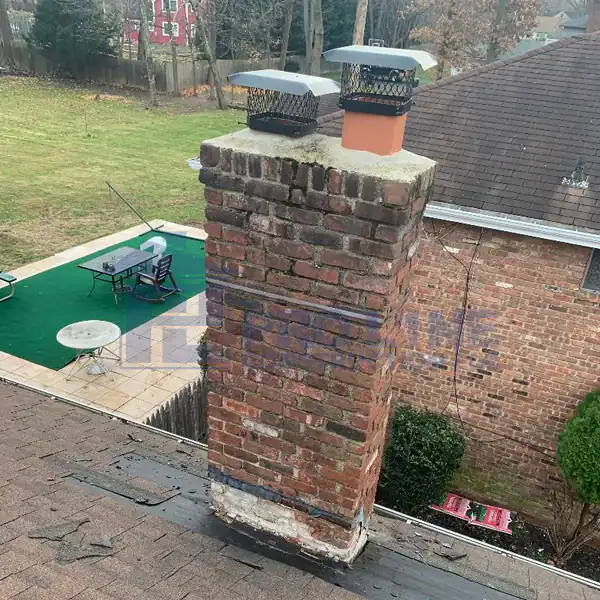
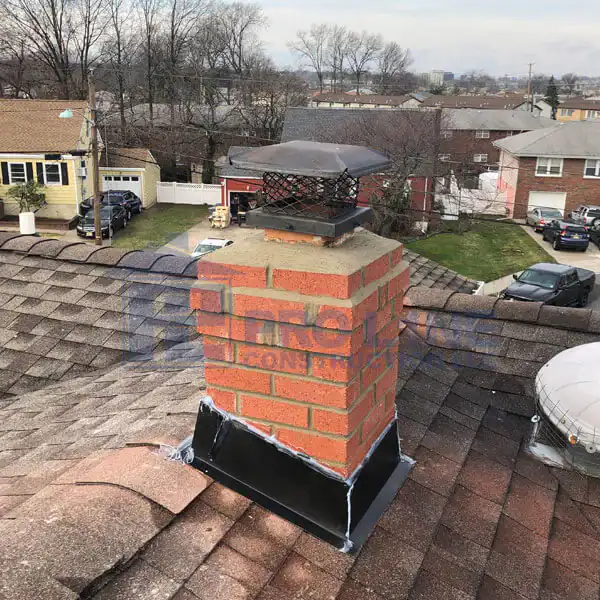
We examine your roof deck for sagging or uneven areas that signal structural problems. We check flashing around chimneys, vents, and skylights where most leaks originate. We assess how water drains off your roof and whether gutters are doing their job. And we don’t stop at the surface—we’ll check your attic for moisture stains, inadequate ventilation, or light penetrating where it shouldn’t.
What separates this from a DIY walk-around is documentation. You get a written report detailing current conditions, photos of problem areas, recommended repairs, and realistic timelines. That’s not just helpful for planning—it’s essential if you ever need to file an insurance claim or prove to a buyer that your roof has been properly maintained.
How Professional Roof Inspectors Find Hidden Damage
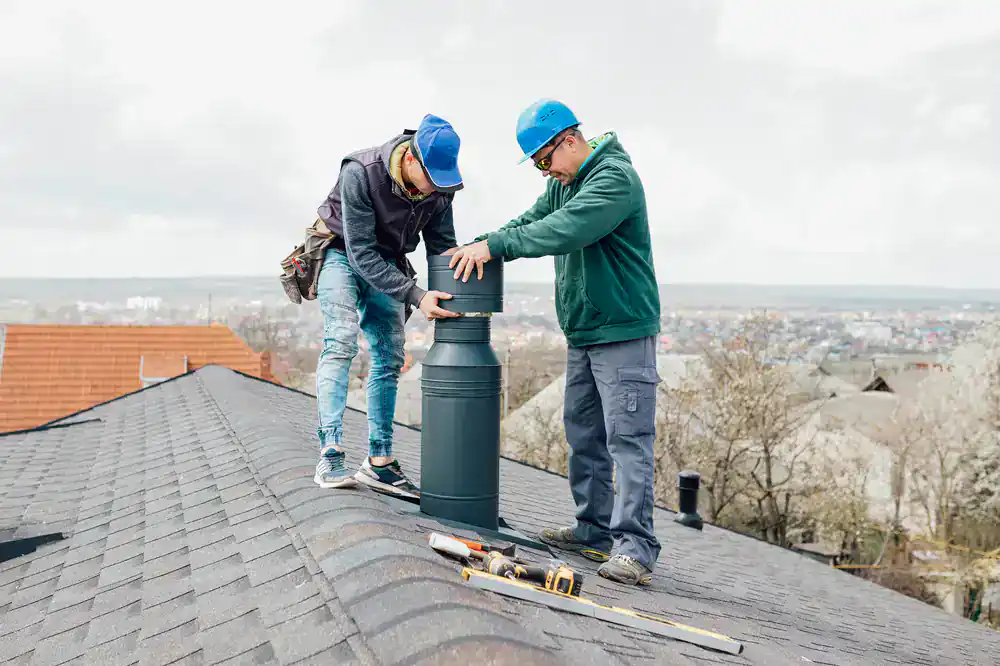
The equipment makes the difference. Infrared cameras reveal temperature variations that indicate trapped moisture or failing insulation—problems you’d never spot with your eyes. Moisture meters confirm water infiltration before rot becomes visible. Drones capture detailed images of steep or high roofs without anyone risking a fall.
On flat roofs, we use core sampling to check all layers of the roofing system for moisture or deterioration beneath the surface. These aren’t DIY tools, and the expertise to interpret results doesn’t come from online tutorials.
Beyond the technology, professional roofers know what subtle signs mean. We recognize early fastener failure, spot drainage issues before ponding becomes chronic, and identify flashing separation in its beginning stages. A thorough inspection takes one to three hours depending on roof size and complexity—not because we’re slow, but because we’re checking everything that matters.
That time investment pays off. Small problems caught early cost hundreds to fix. The same issues ignored until they’re obvious? You’re looking at thousands in emergency repairs, water damage, and structural work that could have been avoided entirely. Professional inspections don’t just find problems—they find them while they’re still manageable.
What Licensed Contractors Catch That Homeowners Don't
Missing shingles are easy to spot. Separated underlayment, micro-cracks in sealant, or early-stage granule loss that signals the end of your roof’s lifespan? Not so much. These are the issues that turn into expensive emergencies when they go unnoticed.
We identify slow drainage and blocked areas that lead to ponding water. We check structural stress in trusses and beams, especially important in northern New Jersey where snow loads and ice dams create real problems. We examine step flashing along walls and valleys where poor installation or deterioration often hides until water is already inside your walls.
One major advantage: we know the difference between normal aging and damage requiring immediate action. Not every worn shingle means you need a new roof, but some problems can’t wait. A qualified inspector tells you which is which, helping you prioritize based on urgency and budget instead of guessing.
There’s also the warranty and insurance angle. Many roof warranties require documented professional inspections at set intervals to stay valid. Skip them, and you’re paying out of pocket for repairs that should have been covered. Insurance claims carry more weight when supported by detailed reports from licensed contractors, complete with photos and professional damage assessment. That documentation matters when you’re trying to get a claim approved or prove a roof’s condition during a home sale.
Want live answers?
Connect with a Proline Construction expert for fast, friendly support.
Roof Maintenance: DIY Checks vs Professional Care
Regular roof maintenance keeps small issues from becoming big problems. The question is how much you can handle yourself and when you need professional help.
DIY checks work for routine monitoring between professional inspections. You can scan your roof from the ground with binoculars, check gutters for debris or granule accumulation, and look for obvious damage after storms. If you’re comfortable on a ladder, you might spot missing shingles, damaged flashing, or areas where moss is starting to grow.
But maintenance goes deeper than what you can see from your yard. Proper roof care includes checking attic ventilation, inspecting sealants around penetrations, verifying that drainage systems are working correctly, and catching deterioration before it compromises your roof’s protective barrier. That’s where professional maintenance programs make sense—scheduled inspections that keep you ahead of problems instead of reacting to failures.
Safety Risks and Limitations of DIY Roof Inspections
Climbing on your roof without training or proper safety equipment is dangerous. Steep pitches, multiple stories, wet or icy conditions—these aren’t things to take lightly. Professional roofers have fall protection, know how to move safely across different roofing materials, and understand the risks. Most homeowners don’t.
Then there’s the damage you might cause. Walking on certain materials—especially older or brittle shingles—can crack them, create new problems, or compromise seals and flashing. You might go up to check for issues and come down having made things worse.
The bigger risk is what you miss. Hidden damage costs money. Subtle cracks in flashing, early signs of deck rot, moisture in insulation, or ventilation problems—these don’t announce themselves during a casual inspection. By the time they’re visible to someone without training, you’re often looking at structural repairs, mold remediation, and bills that could have been prevented with earlier professional assessment.
Liability matters too. If you’re injured inspecting your own roof, you’re covering medical costs yourself. Licensed, insured contractors carry coverage that protects both them and you if something goes wrong. That’s not a minor detail when you’re dealing with heights, power tools, and weather exposure.
Real Costs: Inspection Fees vs Emergency Roof Repairs
Professional roof inspections in Essex County, NJ typically run between $125 and $376, with the national average around $248. Factors like roof size, pitch, accessibility, and whether you need advanced tools like infrared imaging affect the final cost.
Now compare that to what happens when you skip the inspection. Standard roof repairs average $386 to $1,875. Full roof replacement? Around $9,000, and that climbs fast with premium materials or complex roof designs. Emergency repairs start at $875 to $1,750 minimum, before factoring in damage to insulation, ceilings, drywall, or structural components.
Here’s what that looks like in practice: a professional inspection finds flashing that’s starting to separate. Fixing it costs a few hundred dollars. Ignore it, and water gets into your attic, leading to $5,000 or more in mold remediation, insulation replacement, interior repairs, and structural fixes. The inspection fee isn’t an expense—it’s protection against problems that cost ten to twenty times more.
Preventive maintenance beats emergency response every time. Regular inspections let you plan repairs on your schedule, budget for work before it becomes urgent, and avoid the premium pricing and disruption that comes with sudden roof failures. You’re in control instead of scrambling to find a contractor who can fit you in between other emergency calls.
Choosing the Right Roof Inspection Approach for Your Home
Professional roofer inspections aren’t about questioning your ability to spot problems. They’re about recognizing that roofs are complex systems, damage often hides in inaccessible places, and catching issues early protects your investment and your budget.
DIY checks work for basic monitoring and spotting obvious damage. But when you need to truly understand your roof’s condition, plan for necessary repairs, or document everything for insurance or resale purposes, there’s no substitute for a licensed professional with the right training, tools, and credentials.
For homeowners in Essex County, NJ looking for honest, thorough roof assessments without pressure tactics or unnecessary upselling, we provide free consultations backed by GAF preferred contractor status, Better Business Bureau accreditation, and a family-owned approach that treats every property with personal care and clear communication.