
Summary:
That first cold snap is coming. You’ve lived through enough New Jersey winters to know what happens when roofs aren’t ready—ice dams backing water under shingles, ceiling stains appearing out of nowhere, frantic calls to contractors who are already booked three weeks out. Fall is your window to avoid all of that. Not by doing everything, but by handling the specific things that winter will test hardest. Most of it takes a weekend. Some of it you’ll want professional help with. All of it beats dealing with emergency repairs in January when half your street is also calling for help and that small problem you noticed in October has turned into real damage. Here’s what actually protects your roof before winter arrives.
Why Fall Roof Maintenance Protects Your Essex County Home
Essex County roofs face 40 to 60 freeze-thaw cycles every winter. Each cycle tests every seal, every flashing joint, every shingle edge. Water gets in through tiny gaps, freezes, expands, makes the gap bigger, and repeats until you’ve got a leak. Add heavy snow loads that stress your entire roof structure, ice that backs up under shingles when gutters can’t drain, and nor’easter winds hitting 40 to 60 mph with gusts over 80, and you understand why fall maintenance isn’t optional.
Winter gives you zero margin for error. A small flashing gap that’s no big deal in September becomes a ceiling leak in January. Gutters that are just clogged in October create ice dams in February that force water into your house. The problems don’t pause because conditions are bad—they get worse because conditions are bad.
Here’s the math that matters. Catching and fixing minor issues during fall typically costs $200 to $800 depending on what needs attention. Waiting until those same issues cause winter damage? You’re looking at $1,500 to $3,000 in emergency repairs, done during the worst possible weather, by contractors charging premium rates because everyone else also waited too long. Proactive fall maintenance costs about 14 cents per square foot annually. Reactive repairs after problems develop run closer to 25 cents per square foot, and that’s before you factor in the interior damage that leaks cause.
You’re not just maintaining your roof. You’re avoiding the cascade of problems that start with something small and end with insurance claims, damaged ceilings, ruined insulation, and mold remediation. Fall is when you stop that cascade before it starts.
Your Complete Fall Home Checklist for Roof Protection
A real fall home checklist goes beyond hoping your roof looks okay from the driveway. You need to check specific components that winter will test hard.
Start with gutters. If you’ve got trees anywhere near your property—and most of Maplewood, Montclair, West Orange, and South Orange do—your gutters are packed with leaves by mid-October. Clean them after leaves finish falling but before the first hard freeze. Clogged gutters create standing water that freezes, backs up under shingles, and starts ice dams. While you’re up there, make sure gutter hangers are secure and downspouts direct water at least five feet from your foundation. Water dumping next to your house creates foundation issues and basement moisture that show up as expensive problems later.
Inspect your roof surface for damage. Missing shingles are obvious, but look for curling edges, cracked surfaces, and areas where granules have worn off leaving the underlying material exposed. These aren’t cosmetic issues—they’re entry points for water, and freeze-thaw cycles will turn minor damage into major leaks fast. If you’re comfortable with binoculars and a walk around your property, you can spot many of these from the ground. If you’re seeing actual daylight through attic boards or water stains on ceilings, you’ve already got active leaks that need immediate attention.
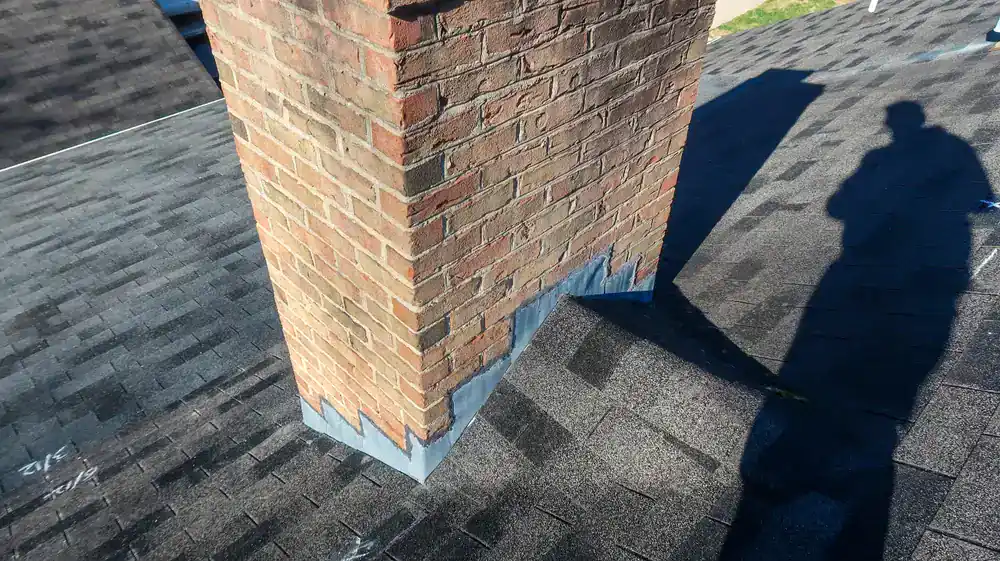
Check flashing around chimneys, skylights, and roof vents. These spots take the most stress during winter and are the most common leak sources in homes over 15 years old. Flashing that’s pulling away from surfaces, cracked, or missing sealant won’t survive ice dam pressure or wind-driven snow. Catching flashing problems in fall means a straightforward repair. Discovering them mid-winter means emergency tarping and interior damage.
Don’t skip your attic inspection. Proper insulation and ventilation prevent the heat loss that creates ice dams. If your attic feels warm when outdoor temperatures are cold, or if you see frost on the underside of your roof deck, you’ve got ventilation problems that winter will turn into ice dam problems. Icicles hanging from your roof edge look nice but signal heat loss and poor ventilation—the exact conditions that cause ice dams and water backup.
Cold Weather Home Preparation: When to Act and What to Prioritize
Cold weather home preparation has a hard deadline, and it’s not the first snowfall—it’s the first sustained period of temperatures below 40 degrees. Once nights consistently drop into the 30s, your window for certain repairs closes. Roofing sealants need warmth to cure properly. Shingles become brittle in cold temperatures and can crack during installation. Even basic repairs take longer, cost more, and carry higher risk of improper installation once winter conditions arrive.
In Essex County and Morris County, that means your fall maintenance should wrap up by early November at the absolute latest. September and October are your ideal months. Temperatures are moderate, materials perform correctly, and contractors still have reasonable availability. You’ve got time to schedule professional inspections, review estimates without rushing, and complete work properly.
Prioritize based on what winter hits hardest. Gutter cleaning comes first because ice dams start with drainage problems. Flashing repairs are next because those joints are your most common leak sources and they fail fast under freeze-thaw stress. Missing or damaged shingles should be replaced before sustained cold makes installation tricky. Attic ventilation improvements can happen slightly later if needed, but don’t push them past Thanksgiving.
If you’re hiring professionals, book in September or early October. Fall is busy season for northern New Jersey roofing contractors because everyone who understands the climate knows this is the window. Waiting until November or the first snow forecast means competing with everyone else who procrastinated. Contractors with solid reputations, proper licensing, and GAF or similar certifications fill their schedules first. The contractors still available in late November often have availability for a reason.
One critical point homeowners miss: fall maintenance determines what your insurance covers later. Storm damage from a nor’easter—wind-lifted shingles, hail impact, ice accumulation—gets covered. Gradual deterioration that you ignored all fall and that finally leaked in January? That’s maintenance neglect, and insurance companies deny those claims. Fall maintenance isn’t just about preventing damage. It’s about making sure any damage that does occur is clearly weather-related and not the result of deferred upkeep you could have addressed.
Want live answers?
Connect with a Proline Construction expert for fast, friendly support.
Fall Home Maintenance Tips: What You Can Handle vs. When to Call Pros
Not every fall maintenance task requires a contractor, but knowing the line between DIY and professional help keeps you safe and prevents mistakes that cost more to fix than the original problem.
You can handle gutter cleaning if you’re comfortable on a ladder, your roof isn’t too steep, and you’ve got proper safety equipment. It’s messy and takes time, but it’s straightforward. Basic debris removal from roof surfaces—clearing leaves, branches, and accumulated dirt—also doesn’t require special skills if you can access your roof safely. Visual inspections from ground level are fair game too. Walk your property with binoculars and look for obvious damage like missing shingles, sagging sections, or flashing that’s visibly pulled away.
Where you absolutely need professionals: anything involving getting on a steep or high roof, any actual repairs to shingles or flashing, leak diagnosis when you can’t pinpoint the source, and structural concerns like sagging or soft spots. Professional roof inspections catch problems invisible from the ground—nail pops, minor sealant failures, early deterioration that looks fine to untrained eyes but will fail under winter stress. Inspections typically cost $300 to $600 in Essex County and give you documentation of your roof’s condition, which matters for insurance purposes and long-term planning.
The safety factor isn’t something to minimize. Roofing work accounts for a disproportionate share of construction fatalities. Even professionals with training and proper equipment face serious risks. If your roof is steep, if it’s more than one story, if conditions are wet or windy, or if you’re not completely confident in your ability to work at height safely, hire someone. The cost of professional work is a fraction of what a fall costs in medical bills, lost wages, and long-term injury.
When Professional Roof Maintenance Makes Sense for Your Home
Call a professional when you’re seeing active problems, when your roof is over 15 years old, when you can’t identify what you’re looking at, or when repair work is involved. Active leaks, water stains, sagging sections, or damaged flashing all need expert assessment. These aren’t issues you troubleshoot with YouTube videos.
Age matters because roofs approaching the end of their typical 20 to 25 year lifespan need professional evaluation even if they look okay to you. A 20-year-old asphalt shingle roof might seem fine from the ground but show clear signs of impending failure to experienced eyes. Granule loss, brittleness, edge curling, and seal degradation are subtle until they’re not, and by then you’re dealing with emergency repairs instead of planned maintenance.
Professional contractors who work regularly in northern New Jersey understand local conditions that matter. Essex County’s freeze-thaw cycles, the mature tree coverage in suburban areas, the wind patterns that hit certain roof slopes hardest, and even the historic preservation requirements in municipalities like Montclair and South Orange. We know which sealants actually hold up to our winters, how to properly flash chimneys on older homes common in the area, and what ventilation solutions work in our climate instead of just sounding good.
When you’re getting estimates, look for contractors who are licensed in New Jersey, carry proper insurance, and can explain what they’re recommending and why. Ask about their experience with homes similar to yours—age, style, roofing material. Good contractors want you to understand your options. We’re not afraid of you getting second opinions. We don’t manufacture false urgency or pressure you to sign immediately.
Red flags include prices that seem too good to be true compared to other estimates, requests for full payment upfront, vague explanations of what work needs to be done, and contractors who can’t provide proof of licensing and insurance. If someone shows up at your door right after a storm offering to inspect your roof for free and happens to find thousands of dollars in damage that needs immediate attention, be skeptical. Legitimate contractors don’t work that way.
Preparing Your Home for Winter: The Full Exterior System
Your roof doesn’t work in isolation. Comprehensive fall preparation addresses the complete exterior system that protects your home.
Inspect siding for cracks, gaps, loose sections, or areas where caulking has failed. Water that gets behind siding during freeze-thaw cycles causes rot, insulation damage, and structural issues that are expensive to repair and often hidden until significant damage has occurred. Check caulk around windows and doors too. Small gaps that barely matter in summer become cold air leaks and moisture entry points once temperatures drop. Resealing takes minimal time and prevents both energy loss and water intrusion.
Foundation drainage deserves attention because problems here show up as basement moisture, foundation cracks, or settling issues. Make sure downspouts extend far enough from your foundation—at least five feet. If you’ve got grading issues where water pools near your foundation, fall is when to fix them before ground freeze makes the work harder and before spring thaw creates flooding problems.
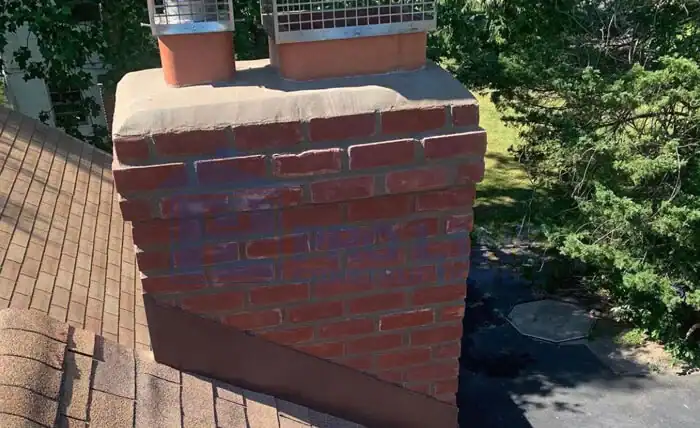
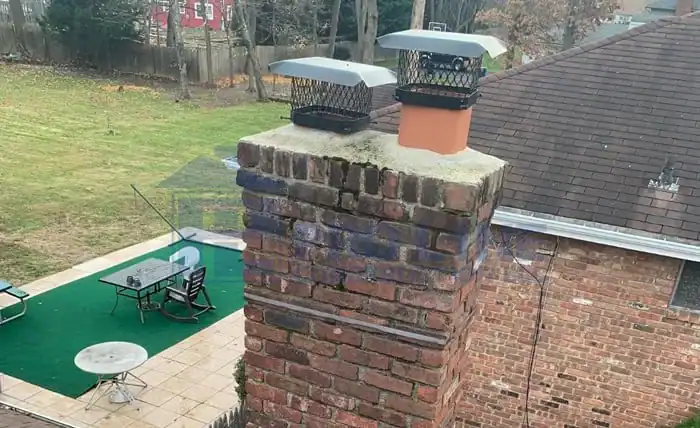
Schedule chimney inspection if you use your fireplace. Creosote buildup creates fire hazards, and damaged chimney caps or deteriorated flashing let water into your home. A chimney that leaks during winter storms causes interior damage that’s expensive to fix and often not obvious until the harm is done. Professional chimney inspection and cleaning should happen annually if you burn wood regularly, and fall is the time to handle it.
Tree maintenance prevents damage instead of reacting to it. Dead branches hanging over your roof are fine until the first ice storm loads them with weight and sends them down onto your shingles. Trimming overhanging branches in fall prevents storm damage and reduces the debris load in your gutters. It’s one of those tasks that seems optional until it’s not, and by then you’re dealing with emergency tree removal, roof repairs, and insurance claims simultaneously.
Round out your fall checklist with heating system inspection, smoke detector and carbon monoxide detector battery replacement, and weatherstripping checks around doors and windows. These aren’t roof-specific, but they’re part of the same approach: handle predictable maintenance in comfortable conditions so you’re not dealing with failures during emergencies. A furnace that quits in October is inconvenient. The same failure in January during a polar vortex is dangerous.
Take Action This Fall to Protect Your Home All Winter
Fall roof maintenance isn’t complicated, but it is time-sensitive. You’ve got a window between when summer ends and winter arrives, and that window closes faster than most homeowners expect. Use it to inspect what matters, clean what’s clogged, and repair what’s failing before winter stress turns small problems into big ones.
The homes that sail through winter without emergency calls and insurance claims aren’t lucky. They’re the ones where someone took a weekend in October to clean gutters, check flashing, replace damaged shingles, and address the small stuff before it became urgent. Small investments of time and money in fall prevent expensive problems in January.
If you’re not sure what you’re looking at or whether something needs attention, that’s when professional assessment makes sense. A thorough inspection tells you what actually needs work versus what can wait, and it gives you a baseline for tracking your roof’s condition over time.
We help homeowners throughout Morris County and Essex County prepare for winter and handle the repairs that fall inspections reveal. If your roof needs professional attention or you want an expert assessment before winter weather arrives, reach out for a free consultation. No pressure, just clear information about what your roof needs and realistic options for addressing it.