Summary:
Water dripping through your ceiling at 2 AM. Shingles scattered across your lawn after last night’s nor’easter. A wet spot spreading across your living room ceiling while rain hammers Essex County.
You’re staring at roof damage and asking yourself the question every homeowner faces at some point: Is this an emergency, or can it wait until morning?
The answer isn’t always obvious. Make the wrong call and you’re either paying emergency rates for something that could have waited, or you’re watching water damage rack up thousands in repair costs while you hesitate. Let’s walk through exactly when you need an emergency roofer right now, when you can breathe and schedule regular service, and what happens when you make that call.
What Actually Counts as a Roofing Emergency
A roofing emergency isn’t just “bad.” It’s a situation where waiting causes immediate, measurable damage to your home or puts people at risk.
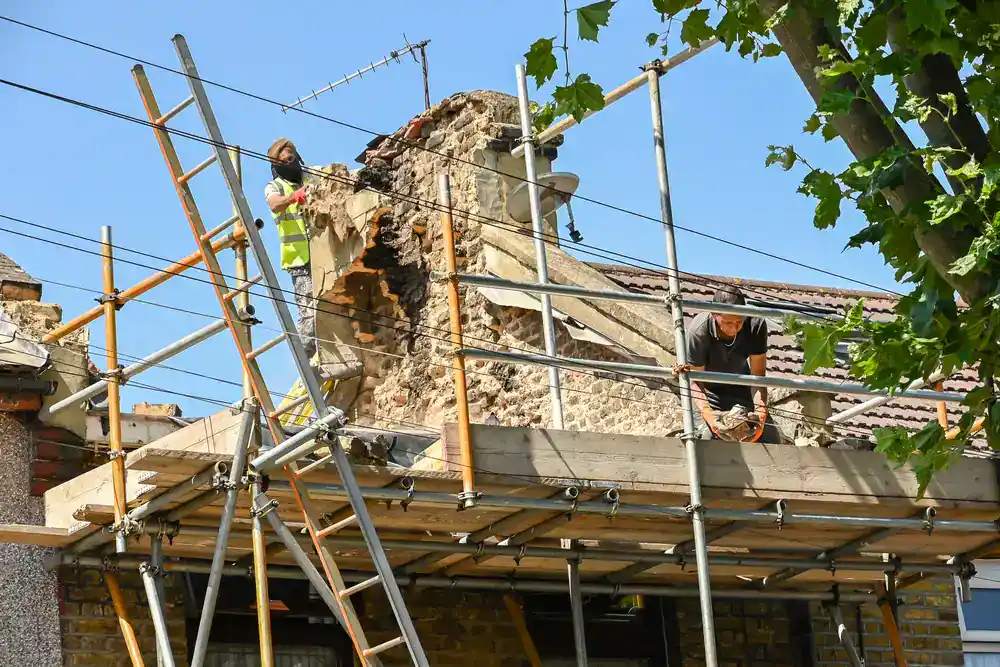
If water is actively pouring into your home, that’s an emergency. Not a slow drip you’re catching in a bucket, but steady water flow soaking ceilings, running down walls, or pooling in living spaces. This kind of intrusion destroys insulation, warps framing, and creates mold within 24 to 48 hours. When a large section of your roof is missing or damaged after a storm rips through Montclair or West Orange, your home is exposed to whatever weather comes next, and that exposure accelerates damage fast.
Roof sagging or visible structural deformation means you need help now. That’s not cosmetic. It’s your roof warning you that it’s under stress it can’t handle. And if water is leaking near electrical wiring or light fixtures, you’ve got immediate fire risk on top of everything else.
Signs You Need to Call Right Now (Not Tomorrow)
Some situations don’t give you the luxury of waiting for business hours. Here’s when you pick up the phone immediately, regardless of what time it is.
Water pouring through your ceiling means active intrusion is happening right now. If you’re emptying buckets every hour or watching water spread across multiple rooms, you’re not managing this with towels. The longer water flows, the more it saturates drywall, insulation, and structural wood. You’re not just dealing with a roof problem anymore. You’re dealing with potential mold, electrical hazards, and thousands in interior repairs that insurance might not cover if you waited too long.
When a tree branch larger than six inches lands on your roof during one of Essex County’s summer storms, call for help even if you don’t see obvious damage from the ground. That weight is stressing your structure. The branch could shift, penetrate further, or the impact may have created cracks you can’t see yet. Those mature oaks and maples in Maplewood and South Orange are beautiful until they’re sitting on your roof deck.
If your roof deck or underlayment is exposed because shingles blew off during high winds, that’s an emergency. You can see tar paper, wood, or insulation from your attic or from the ground. The next rain is going straight into your home with nothing to stop it.
Water near electrical components creates fire risk. If you see dripping near light fixtures, outlets, or your panel, turn off power to that area if it’s safe to do so. Then call us for emergency service and get an electrician out. This isn’t something you monitor to see if it gets worse.
When You Can Actually Wait Until Morning
Not every roof issue requires a 3 AM call. Some problems are real, need attention, and will cost money to fix, but they’re not going to catastrophically worsen overnight.
A small, slow drip that you’re managing with a bucket can usually wait. If the leak isn’t near electrical components, isn’t spreading, and you’ve got it contained, schedule service during regular hours. Just keep watching it. If that slow drip turns into a steady stream, the situation changed.
Missing a few shingles without active water coming in gives you breathing room. If last week’s storm blew off three or four shingles but you’re not seeing leaks and no rain is forecast for the next day or two, you can schedule a regular repair appointment. The key word is “few.” If you’re missing a whole section, that’s different.
Brown spots on your ceiling that aren’t actively wet might indicate an old leak or a small ongoing issue. If the spots are smaller than an orange and you’re not seeing active dripping, you should still call us soon, but it doesn’t have to be emergency service. Anything bigger, or spots that are growing, moves into urgent territory.
Here’s the bottom line: if you’re not sure whether your situation is an emergency, reach out and describe what you’re seeing. We’ll tell you honestly whether you need someone immediately or if you can wait. That honesty is how you know you’re talking to the right company.
Want live answers?
Connect with a Proline Construction expert for fast, friendly support.
Emergency Roofer vs Handyman Roof Repair: Why It Matters
When your roof is leaking and you need help fast, it’s tempting to call whoever can get there quickest. Maybe you’ve got a handyman you trust for other projects, and you figure they can patch it up.
The difference between a licensed emergency roofer and a handyman isn’t just credentials. It’s about whether the repair actually solves your problem or creates new ones you’ll pay to fix later. Handymen often charge 20 to 30 percent less than licensed roofers, which sounds appealing when you’re stressed about costs. But that savings disappears when the repair fails, your warranty gets voided, or the patch causes additional damage.
Studies show that 86 percent of roof failures result from improper installation. When you’re dealing with an emergency, you don’t have time for a repair that’s going to fail. You need it done right the first time, by someone who knows exactly what they’re looking at.

Why Licensed Roofers Finish Emergency Repairs Faster
You might assume a handyman’s lower hourly rate saves money on emergency roof repair. But licensed roofers typically complete the same repair in half the time or less, which often makes the final cost comparable or lower.
Professional roofers receive over 300 hours of specialized training in identifying roofing issues and applying proper techniques. We know how to find the actual source of a leak, which is rarely directly above where you see water inside. Water travels along rafters and through layers before it shows up on your ceiling. A handyman might patch the obvious spot and call it done, leaving the real problem untouched. You paid for a repair, but the leak comes back with the next rain.
Roofing contractors carry specialized equipment and safety gear that handymen don’t have. Commercial-grade materials, proper fall protection, tools designed for repairs that hold up under New Jersey’s freeze-thaw cycles, nor’easters, and summer storms. A handyman using general-purpose supplies might create a temporary fix that fails the next time weather hits.
Here’s what most people don’t think about until it’s too late: hiring an unlicensed handyman for roof repairs can void your manufacturer’s warranty. Most require certified or licensed professionals for warranty protection. If that handyman’s repair fails or causes additional damage, you might find yourself paying for a full roof replacement that would have been covered.
Insurance companies can deny claims for damages from improper repairs made by unqualified people. If a handyman’s patch fails and causes interior water damage, your insurance may refuse coverage because you didn’t use a licensed professional. That’s an expensive lesson to learn after the fact.
What Handymen Can't Handle Safely in Emergency Situations
There are situations where a handyman makes sense for minor roof work. Gutter cleaning, replacing a couple of loose shingles on a low-slope roof in good weather, basic flashing maintenance. A competent handyman can handle those fine.
But emergency roof repair isn’t that situation. When you’re dealing with active leaks, storm damage, structural concerns, or anything requiring diagnosis of the actual problem versus just covering a visible hole, you need specific roofing expertise.
Handymen have broad, generalized knowledge about many parts of a home rather than deep expertise in one area. That works for hanging drywall or replacing a door. But roofing systems are complex. Layers working together, water management, ventilation requirements, code compliance. That requires specialized understanding.
Most handymen also lack the insurance protection you need for emergency roof work. If a handyman falls off your roof or causes additional damage during repair, you could be held liable. Licensed roofing contractors carry comprehensive liability insurance and workers’ compensation that protects you.
The other issue is accountability. If a licensed roofer’s emergency repair fails, you have recourse through their license, insurance, and business reputation. If a handyman’s patch doesn’t hold and they’ve moved on to other jobs, you’re dealing with the consequences alone.
For emergency situations where water is actively damaging your home or your roof’s structural integrity is compromised, the risk of using unqualified help far outweighs any potential savings. You’re not paying for someone to climb up and slap tar on a hole. You’re paying for expertise, proper materials, insurance protection, warranty preservation, and a repair that actually solves the problem instead of postponing it.
Getting Roof Repair Quotes and Understanding Emergency Costs
Emergency roof repairs cost more than scheduled work, and that’s not contractors taking advantage. It’s because emergency services require immediate response, often outside normal hours, and they interrupt scheduled jobs to help you.
In Essex County, minor emergency repairs typically run $150 to $600. Moderate repairs involving multiple areas or underlayment work usually fall between $600 and $1,500. Major emergency repairs addressing structural damage or large sections can run $1,500 to $5,000 or more. Emergency tarping to stop active water intrusion typically costs $200 to $800 when done professionally.
When you’re looking at roof repair quotes, understand what you’re comparing. The average cost of roof repair in New Jersey varies based on damage type, materials, and accessibility. Leak repairs generally run $300 to $1,000 depending on source and severity. Shingle replacement costs $200 to $800. Repairing a small 10-by-10-foot section can run up to $350, assuming the decking underneath is sound.
For a leaking roof fix, you’re often getting two stages: immediate temporary protection followed by permanent repair once conditions allow. Properly installed emergency tarps protect your home for up to 90 days, though most permanent repairs happen much sooner. Roofing cement and tape can seal small leaks temporarily, but those are Band-Aids that buy you time, not substitutes for professional repair.
What you can do while waiting: place buckets under drips, move valuables away from wet areas, run fans to prevent mold, turn off electricity in affected rooms. What you shouldn’t do: climb on your roof during rain or storms, attempt repairs if you’re uncomfortable with heights, or try to fix something you’re not confident about. The cost of emergency service is almost always less than the cost of water damage, mold remediation, and interior repairs that happen when you wait too long.
If you’re in Essex County dealing with roof damage and you’re not sure whether it’s an emergency, we’ll give you an honest assessment. We’ll tell you whether you need someone out immediately or if you can schedule regular service, and we’ll walk you through exactly what to expect. That’s how a family-owned contractor treats your home like our own.