Summary:
Your roof took a hit during last week’s storm. Maybe you noticed missing shingles in the yard, or water stains appeared on your ceiling after that nor’easter rolled through Essex County. Now you’re facing the insurance claim process, and if you’ve never filed one before, you already know it feels more complicated than it should.
The difference between a claim that gets approved for full coverage and one that leaves you paying thousands out of pocket often comes down to documentation, timing, and knowing what adjusters actually look for. You’ll walk away from this guide understanding how the process works, what mistakes cost homeowners money, and how the right support turns a stressful situation into a manageable one.
How insurance claim assistance works for storm damage
Insurance claim assistance means having someone who knows the process walk you through it from start to finish. When storm damage hits your property in Newark, Montclair, or anywhere across Essex County, you’re dealing with documentation, adjuster meetings, repair estimates, and policy language that wasn’t written for normal people to understand. That’s where experience matters.
We handle the technical side while you focus on getting your life back to normal. We document damage in the format insurance companies expect, identify issues that might get missed during a quick inspection, and communicate directly with adjusters using industry terminology that carries weight. The goal isn’t to game the system. It’s to make sure you get what your policy actually covers without leaving money on the table because of missed damage or incomplete paperwork.
Most homeowners don’t realize how much the initial documentation affects their final settlement. Insurance companies work from what’s documented and proven, not assumptions about what might be wrong. Professional assistance means comprehensive damage assessment before the adjuster ever shows up, which is especially important after the severe weather events that regularly impact northern New Jersey. Whether it’s wind damage from summer storms, hail that tears through shingles, or nor’easters that test every weak point in your roof, proper documentation makes the difference between full coverage and fighting for every dollar.
What happens during a storm damage insurance assessment
The assessment process starts with a thorough inspection of all damaged areas. For roof damage, that means checking shingles, flashing, gutters, and underlayment, not just the obvious missing pieces you can see from the ground. Water damage travels, so interior inspection matters too. Attic spaces, ceilings, and walls get checked for moisture intrusion that might not show up until weeks later when mold becomes a bigger problem than the original leak.
Professional documentation includes detailed photos from multiple angles, measurements of affected areas, and written reports that explain what happened and why it qualifies as storm damage rather than normal wear. This matters because insurance companies deny claims when they can argue the damage resulted from age or poor maintenance instead of the recent weather event. Clear documentation with timestamps and weather data removes that argument before it starts.
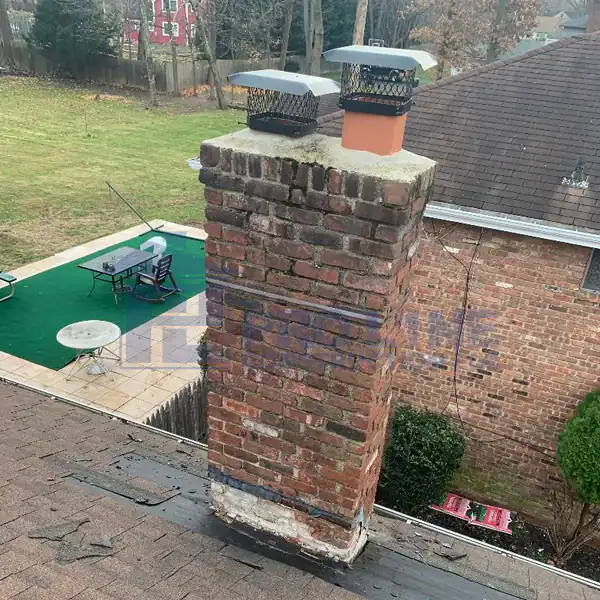
The assessment also identifies related damage that homeowners might not connect to the storm. Wind that rips off shingles can damage flashing around chimneys or vents. Heavy rain through a compromised roof can affect insulation, decking, and even structural framing if water sat long enough. Insurance adjusters sometimes focus on the obvious damage and miss these connected issues. A complete assessment catches everything the first time, which matters because reopening claims later creates complications and delays.
You want this documentation done before your insurance company sends their adjuster. When you have an independent professional report in hand before that meeting, you’re not just accepting whatever the adjuster finds. You’re entering the conversation with evidence that ensures nothing gets overlooked or minimized. That changes the entire dynamic of the claim process in your favor. As a GAF-certified contractor with experience working with major insurance carriers, we understand exactly what documentation holds weight during these evaluations.
Understanding your policy coverage before filing
Not all homeowners insurance policies pay claims the same way, and understanding the difference before you file saves frustration later. Most policies fall into two categories: Replacement Cost Value or Actual Cash Value. RCV policies pay the full cost to replace damaged materials with new ones of similar quality. ACV policies pay what your roof was worth at the time of damage, factoring in depreciation for age and condition. That difference can mean thousands of dollars out of your pocket.
Here’s how it typically works with roof insurance claims in New Jersey. If you have an RCV policy and your roof replacement costs fifteen thousand dollars, the insurance company usually sends an initial payment for the depreciated value, maybe nine thousand after your deductible. Once repairs are complete and you submit final documentation, they release the remaining recoverable depreciation. With an ACV policy, that initial depreciated payment is all you get. You’re covering the gap between what your old roof was worth and what a new one costs.
Your deductible also affects your out-of-pocket costs. Standard deductibles range from five hundred to two thousand dollars, but some Essex County policies have separate wind or hail deductibles that can be percentage-based rather than fixed amounts. On a home insured for three hundred thousand, a two percent wind deductible means you’re paying six thousand before insurance covers anything. You need to know these numbers before deciding whether to file.
Policy exclusions matter just as much as coverage. Most New Jersey homeowners policies cover sudden storm damage from wind, hail, and falling trees. They don’t cover gradual deterioration, maintenance issues, or damage from floods, which require separate flood insurance. If your roof was already in poor condition before the storm, insurers can deny the claim by arguing the damage resulted from neglect rather than weather. This is why regular maintenance documentation helps. When you can prove your roof was in good shape before the storm, that argument falls apart.
Understanding your coverage upfront helps you make informed decisions about filing. Small damage that doesn’t exceed your deductible might not be worth a claim, especially if filing could affect your premiums. But significant storm damage that compromises your roof’s integrity absolutely justifies using the insurance you’ve been paying for. We review your policy to confirm coverage before you invest time in the process, and we offer free consultations to help you understand your options without pressure.
Want live answers?
Connect with a Proline Construction expert for fast, friendly support.
Storm roofing claims: common issues and solutions
Storm roofing claims in Essex County come with specific challenges that homeowners don’t always anticipate. Insurance companies see thousands of claims after major weather events, and they’re looking for reasons to minimize payouts or deny coverage entirely. Understanding the common issues before they become problems puts you in a stronger position from day one.
The biggest mistake homeowners make is waiting too long to file. Most policies require prompt notification, and while New Jersey law gives you time, filing within days or weeks of the storm produces better outcomes than waiting months. Evidence degrades, weather conditions change, and insurance companies look more carefully at delayed claims. Quick action also prevents additional damage that might not be covered if you didn’t take reasonable steps to protect your property.
Documentation quality separates approved claims from denied ones. Insurance adjusters work from evidence, and if you can’t prove storm damage caused the problem, they’ll argue it was pre-existing or maintenance-related. We know exactly what documentation adjusters need and how to present it in language that insurance companies understand. This is where working with a local, established contractor who serves your community makes a difference—we’re available for emergency response when damage occurs and can document everything while evidence is fresh.
Why insurance companies deny storm damage claims
Claim denials typically fall into a few predictable categories, and knowing them helps you avoid those pitfalls. The most common reason is the wear and tear argument. Insurance covers sudden, accidental damage, not gradual deterioration. If your roof was twenty years old and showing signs of age before the storm, adjusters might claim the damage resulted from normal aging rather than weather. This is why documentation of your roof’s pre-storm condition matters. Regular inspection records and maintenance history prove the roof was functional before the event.
Pre-existing damage creates similar problems. If you filed a claim last year and never completed the repairs, insurance won’t pay for the same damage again. They’ll also deny claims if they can show the damage existed before the storm, which is why having professional documentation from immediately after the weather event is crucial. The timing of damage assessment removes any question about when it occurred.
Lack of maintenance gives insurance companies another denial angle. Clogged gutters that caused water backup, missing shingles that were never repaired, or known leaks that weren’t addressed can all be used to argue you didn’t maintain your property. Even if storm damage made things worse, insurers can reduce or deny payouts based on maintenance failures. This doesn’t mean your home needs to be perfect, but it does mean addressing known issues promptly and keeping records of that maintenance work.
Some policies include cosmetic damage exclusions, particularly for metal roofs or certain synthetic materials. If hail dents your metal roof but doesn’t compromise its function, the claim might be denied under these provisions. You need to know if your policy includes this language before filing. Policy exclusions also affect coverage. Standard homeowners insurance doesn’t cover flood damage, earthquakes, or certain other perils unless you’ve added specific coverage. Understanding what your policy actually covers prevents wasted time filing claims that were never going to be approved.
The key to avoiding denials is professional documentation that clearly shows sudden storm damage to a properly maintained roof. When you can prove the damage happened during a specific weather event and wasn’t the result of age or neglect, denial becomes much harder to justify. This is where working with contractors who understand insurance requirements makes a measurable difference in claim outcomes. As a BBB-accredited contractor with an established reputation, we have credibility with insurance companies that helps move claims forward rather than getting stuck in disputes.
Working with insurance adjusters effectively
The insurance adjuster’s inspection represents the most critical phase of your claim. Their assessment determines your settlement amount, so preparation matters. Adjusters work for the insurance company, which means their job includes evaluating damage accurately but also protecting the company’s financial interests. That’s not necessarily adversarial, but it does mean you shouldn’t assume they’ll catch everything without help.
Before the adjuster arrives, organize all your documentation into a clear, accessible format. Photos, inspection reports, repair estimates, and any relevant maintenance records should be ready to share. When you have professional contractor documentation showing comprehensive damage assessment, you’re not relying solely on what the adjuster finds during their visit. You’re presenting evidence that ensures a complete evaluation.
Having us present during the adjuster’s inspection changes the dynamic significantly. We speak the insurance industry’s language and can point out damage that might be missed, explain why certain repairs are necessary, and answer technical questions on the spot. This isn’t about arguing or creating conflict. It’s about ensuring nothing gets overlooked and that the scope of damage is fully understood by everyone involved. Our GAF Preferred status carries additional credibility because insurance companies know we meet higher training and quality standards.
Be present yourself during the inspection, but let us handle technical discussions. Your role is to provide context about when damage occurred, what you noticed after the storm, and any interior issues like leaks or water stains. Answer questions honestly and directly. If you don’t know something, say so rather than guessing. Inconsistencies in your statements can create problems later if the claim gets disputed.
After the inspection, the adjuster prepares a report and estimate. Review it carefully when you receive it, and compare it to our assessment. Discrepancies happen, and they’re not always mistakes. Sometimes adjusters use different pricing or don’t include all necessary repairs. If you find issues, document them clearly and request a supplement or re-inspection. Most insurance companies allow this, and it’s a normal part of the process for complex claims.
Communication matters throughout this phase. Keep records of all conversations with your insurance company, including dates, times, who you spoke with, and what was discussed. Follow up phone conversations with emails summarizing what was agreed to. This creates a paper trail that protects you if disputes arise later. We manage this communication to keep your claim moving forward without unnecessary delays, and we keep you informed through whatever method works best for you—calls, texts, or on-site updates—so you’re never left wondering where things stand.
The goal is a fair settlement that covers all legitimate storm damage. When you’re prepared, well-documented, and have professional support, that outcome becomes much more likely. Insurance adjusters respect contractors who know what they’re doing and can back up their assessments with solid evidence. That credibility helps your claim get approved for the full amount you’re entitled to under your policy.
Getting the insurance claim help you need in Essex County
Storm damage creates enough stress without adding insurance claim complications to the mix. The key takeaways are straightforward: document everything thoroughly, understand your policy before filing, act quickly after damage occurs, and work with professionals who know what insurance companies need to see. Those steps dramatically improve your chances of a fair settlement that covers all legitimate damage.
Professional insurance claim assistance isn’t about gaming the system or inflating damage. It’s about ensuring you receive what your policy actually covers without leaving money on the table because of incomplete documentation or missed issues. When you’ve been paying insurance premiums for years, you deserve full coverage when damage occurs. The right support makes that happen.
If storm damage has affected your Essex County property, we provide the documentation, assessment, and claim support that leads to successful outcomes. As a family-owned company serving Morris and Essex County since 2018, we bring GAF Preferred Contractor status and BBB accreditation that insurance companies respect, while treating your property with the same care we’d give our own. Our free consultations help you understand your options without pressure, and emergency services are available when damage requires immediate attention.