Summary:
Signs Your Chimney is Planning an Exit Strategy
Chimneys rarely just quit on a Tuesday without warning. They are the drama queens of your roofline, giving you plenty of “clues” that they are unhappy. The trick is to play private investigator before the evidence ends up on your lawn.
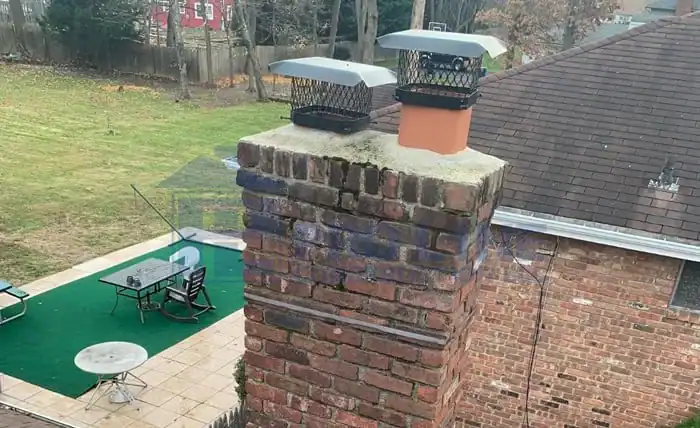
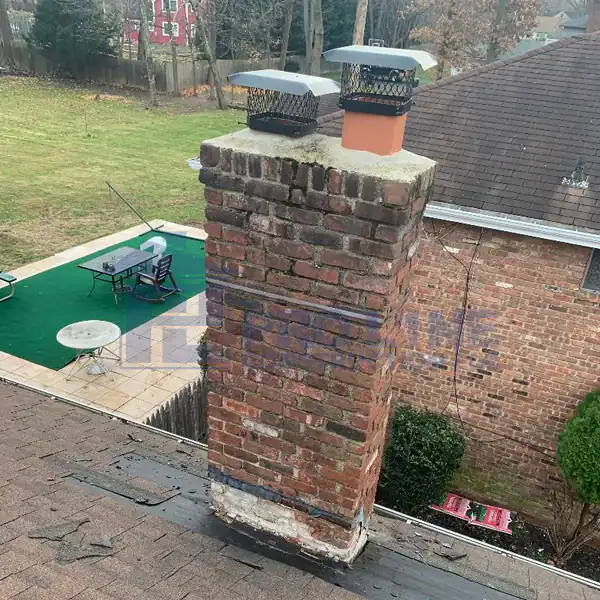
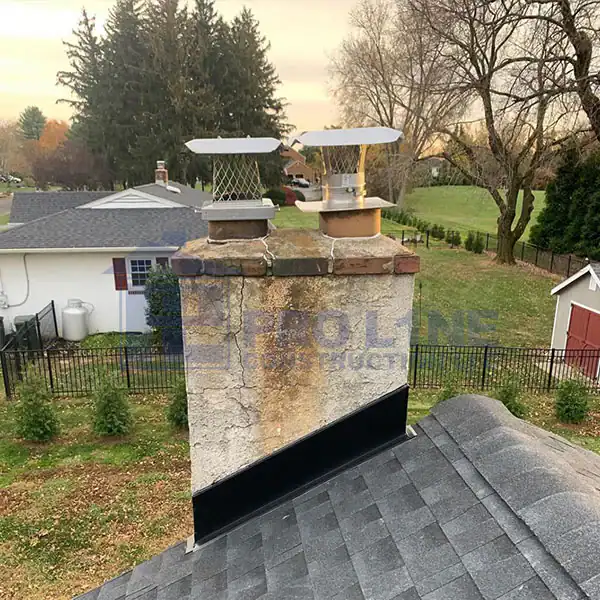
Start with a ground-level stakeout. Grab some binoculars (or just squint really hard) and look for cracks running through the bricks. If you see white, chalky residue—it’s called efflorescence, which is a fancy word for “salt left behind by water”—your chimney is basically sweating. If you find little bits of brick or mortar hanging out at the base like they’re waiting for a bus, that’s a major red flag.
Don’t forget the internal investigation. If you smell something musty or smoky when you haven’t even lit a match, your chimney is likely holding onto moisture or soot it can’t vent. Check the firebox for “chimney dandruff”—little pieces of tile or soot piling up. These aren’t just messy; they’re your chimney’s way of saying, “I’m falling apart from the inside out.”
The "Masonry Meltdown": What Cracked Mortar and Spalling Bricks Mean
Mortar is the unsung hero that holds your chimney together, but it’s also the first thing to give up. It’s supposed to be sacrificial, breaking down so the bricks don’t have to. But when the mortar starts developing gaps, it stops being a protector and starts being a gateway for every raindrop in Morris County.
This leads to “spalling,” which sounds like a sports injury but is actually when your bricks decide to shed their outer layers like a snake. In Essex County, our winters are masonry’s worst nightmare. Water gets into the cracks, freezes, expands like a teenager’s ego, and literally pops the face of the brick off. Do this for a few winters, and your chimney starts looking like a piece of Swiss cheese.
If you’re seeing mortar that crumbles when you touch it or bricks that are chipping and peeling, water has been living rent-free in your masonry for a while. Left alone, this damage accelerates faster than a New Jersey driver when the light turns green. Repointing can save the day if caught early, but once the bricks start failing, you’re in “rebuild territory.”
Water Leaks: The Chimney’s Kryptonite
If you have a puddle in your fireplace, your chimney has officially become a very expensive, vertical rain gauge. There are four usual suspects: the crown, the flashing, the masonry, or the cap. Identifying the right one is the difference between a quick fix and a “why did I buy this house?” moment.
The chimney crown is that concrete “hat” at the top. Its only job is to kick water to the curb, but when it cracks, it becomes a funnel instead. Flashing is the metal skirt where the chimney meets the roof; if that’s pulling away, water will bypass the chimney entirely and head straight for your attic. This is why you sometimes see a ceiling stain three feet away from the fireplace—water is sneaky.
Then there’s the chimney cap—the metal umbrella that keeps the rain (and the occasional confused squirrel) out of your flue. No cap means your chimney is basically a 20-foot straw for rainwater to pour down into your firebox. We check all these entry points because slapping sealant on a brick when the leak is in the flashing is like putting a band-aid on a broken leg.
The Great Debate: Repair vs. Full-Blown Rebuild
Not every chimney problem requires you to bulldoze the thing and start over. Most of the time, a targeted “surgical strike” is all you need to get back to marshmallow-roasting status. The key is knowing when a “patch” is just a temporary bandage on a structural wound.
If you’re dealing with a single leak or some localized mortar rot, repair is your best friend. It’s the difference between replacing a button and buying a new coat. These are routine maintenance tasks that keep your home safe and dry without requiring a second mortgage.
However, if your chimney is starting to look like the Leaning Tower of Pisa or the bricks are crumbling in every direction, it’s time to face the music. Rebuilding isn’t just about aesthetics; it’s about making sure your chimney doesn’t decide to visit your neighbor’s yard during the next Nor’easter.
When You Can Get Away With a "Quick Fix"
A chimney is a great candidate for repair when the problems are “skin-deep.” If the structural core is solid and the damage is localized to one area—like a cracked crown or some missing mortar joints—we can usually work our magic without tearing the whole thing down. It’s the “preventative maintenance” sweet spot that saves you thousands in the long run.
The age of the chimney is a big factor here. If your home was built in the last 20–30 years and you’ve kept up with basic care, a repair is almost always the right call. You’re essentially refreshing the “wear parts” of the chimney so the structure stays protected. Think of it as a 60,000-mile tune-up for your fireplace.
The real trick is finding a contractor who won’t try to sell you a gold-plated rebuild when a simple repointing would do. A trustworthy mason will show you exactly what’s wrong and explain why a repair is sufficient. On the other hand, if they suggest a “cheap patch” for a chimney that’s clearly pulling away from the house, they’re not doing you any favors—they’re just setting you up for a bigger disaster later.
When the Only Answer is "Tear it Down"
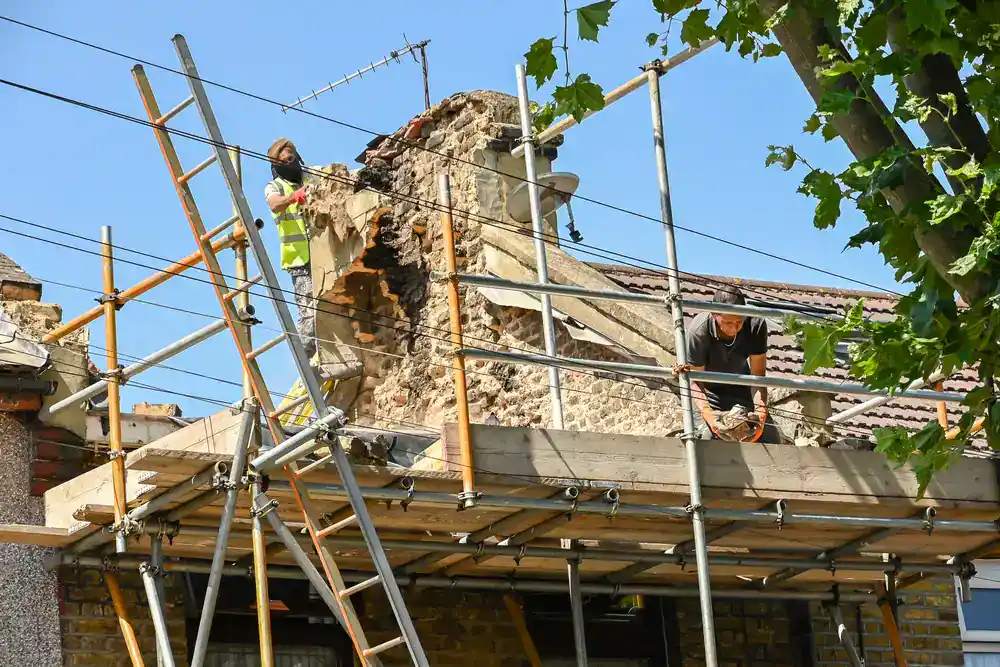
Sometimes, the masonry has simply reached retirement age. If your chimney is leaning, pulling away from the roofline, or has bricks that look like they’ve been through a blender, a rebuild is the only safe move. A tilting chimney is a structural failure, and no amount of mortar is going to act like glue for a 2,000-pound tower of bricks.
Multiple “symptoms” at once are another dead giveaway. If the crown is shot, the mortar is gone, the flashing is leaking, and the bricks are spalling, your chimney is essentially waving a white flag. Patching one spot while the rest is rotting is like trying to save a sinking ship with a thimble. A full rebuild resets the clock, gives you a fresh start, and brings everything up to modern safety codes.
Yes, a rebuild costs more upfront—usually in the $8,000 to $12,000 range in NJ—but it saves you the “nickel and diming” of constant repairs. If you’re looking at $4,000 in patches for a chimney that’s still going to be “old” next year, the math usually favors the fresh start. Plus, you can finally choose that brick color you actually like instead of the “1970s beige” your house came with.
Don't Let Your Chimney Become a Lawn Ornament
If you’re seeing cracks, leaks, or “chimney dandruff,” don’t wait for a sign from above (literally). Chimney problems are like bad relationships: they don’t fix themselves, and they only get more expensive the longer you ignore them. Catching it now means a simple repair; waiting until next year could mean a complete masonry overhaul.
Start with a professional set of eyes. A qualified NJ contractor can tell you exactly what’s happening up there, whether it’s a simple “caulk and walk” or if it’s time to rebuild. Don’t trust the “cheapest guy on Facebook”—trust the pros who know Morris and Essex County masonry and won’t give you the runaround.
If your fireplace is currently crying for help, we’re here to listen. We provide honest assessments and free consultations because we’d rather fix a small crack today than rebuild your living room wall tomorrow. Give us a shout, and let’s keep your fireplace cozy and your roof brick-free.