Summary:
What Causes Chimney Damage and Why It Matters
Chimneys face constant exposure to weather, temperature swings, and the byproducts of combustion. Over time, these forces break down even well-built structures. Water is the primary culprit. Rain, snow, and ice penetrate through cracks in the chimney crown, damaged flashing, or porous masonry, then freeze and expand during winter months. This freeze-thaw cycle cracks mortar joints, splits bricks, and compromises the chimney’s structural integrity.
Beyond water damage, chimneys deal with extreme temperature changes. The heat from your fireplace or heating system causes expansion, while cold weather brings contraction. This constant movement stresses masonry materials and creates cracks over time. Add in creosote buildup from burning wood, and you’ve got a flammable substance coating the inside of a structure that’s already weakened.
The real problem isn’t just the damage itself—it’s how quickly it escalates. A small crack that costs $300 to seal can become a $3,000 water damage problem within just two freeze-thaw cycles. What starts as a minor leak ends up rotting wood framing, staining interior ceilings, and requiring extensive repairs to multiple parts of your home.
How Water Damage From Chimneys Affects Your Home
When water gets into your chimney system, it doesn’t stay there. It travels. Water seeps through cracks in the crown or gaps in the flashing, then works its way down through the masonry. From there, it can reach your roof decking, attic insulation, interior walls, and even your home’s foundation.
The visible signs show up as water stains on ceilings near the chimney, peeling paint or wallpaper, and damp spots that appear after rain. But the hidden damage is worse. Moisture trapped in your chimney and surrounding structures creates perfect conditions for mold and mildew growth. These organisms don’t just damage building materials—they create health risks for your family, especially anyone with respiratory issues or allergies.
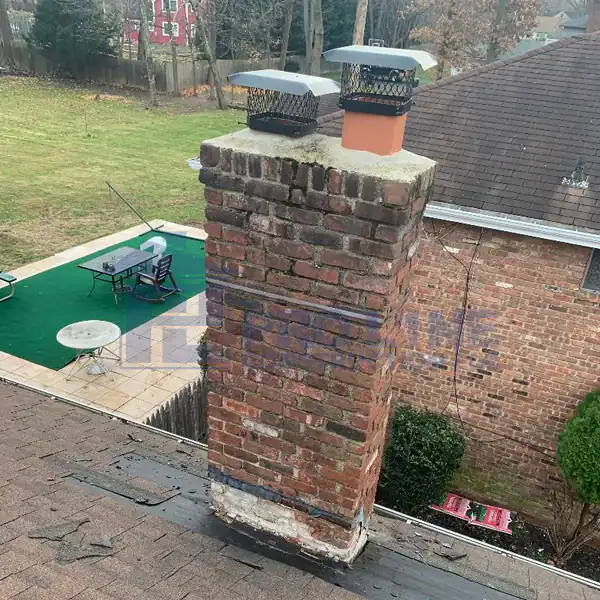
Water also attacks the mortar holding your chimney together. Mortar is porous, and when it absorbs moisture repeatedly, it begins to crumble. This process, called spalling, causes pieces of brick and mortar to flake off. You might notice white staining on the exterior of your chimney, called efflorescence, which indicates water is evaporating from the masonry and leaving mineral deposits behind. These are warning signs that water damage is actively deteriorating your chimney.
The structural consequences get serious fast. As mortar weakens and bricks loosen, your chimney becomes unstable. In severe cases, chimneys can lean, separate from the house, or even partially collapse. This type of catastrophic failure doesn’t just damage the chimney—it can destroy your roof, damage electrical systems or gas lines, and create multiple simultaneous hazards that overwhelm your ability to respond.
Repairing water damage to a chimney isn’t cheap. Depending on the extent of the problem, you’re looking at costs ranging from $500 to $1,500 for leak repairs, $1,000 to $3,000 for crown replacement, and $1,500 to $5,000 for chimney liner replacement. If the damage extends to your roof, walls, or foundation, those costs multiply. Compare that to the $150 to $400 it costs to seal minor cracks or replace a chimney cap before water gets in, and the value of prevention becomes obvious.
Fire Hazards and Carbon Monoxide Risks From Damaged Chimneys
A damaged chimney doesn’t just threaten your home with water—it creates life-threatening fire and carbon monoxide hazards. When chimney liners crack or deteriorate, they can no longer contain the extreme heat and combustible gases produced by your fireplace or heating system. Heat and sparks can escape through those cracks and ignite nearby combustible materials in your walls or attic. This is how chimney fires start in areas you can’t see or reach quickly.
Creosote buildup makes this risk exponentially worse. Creosote is a highly flammable byproduct of burning wood that accumulates on chimney walls. When it ignites, it burns at temperatures around 2,000 degrees Fahrenheit—hot enough to melt mortar, crack flue tiles, and cause chimney liners to collapse. Even if you don’t see flames shooting from your chimney, slow-burning chimney fires can cause extensive structural damage without you realizing it until a later inspection reveals the destruction.
The danger extends beyond fire. Blocked or damaged chimneys can’t properly vent smoke and gases out of your home. When combustion byproducts can’t escape, carbon monoxide backs up into your living spaces. Carbon monoxide is colorless, odorless, and deadly. It causes roughly 500 deaths each year in the United States, with over 200 of those deaths directly linked to heating systems venting improperly into homes.
Cracks in your chimney’s flue liner are particularly dangerous because they allow toxic gases to seep into areas between your chimney and the wooden frame of your house. From there, carbon monoxide can enter your home through small gaps and openings. You might not notice anything wrong until family members start experiencing symptoms like headaches, dizziness, nausea, or confusion—symptoms that can quickly become fatal in high concentrations.
Professional chimney repair addresses these hazards directly. Repairing or replacing damaged flue liners ensures that heat and gases stay contained within the proper pathway. Cleaning removes dangerous creosote buildup. Sealing cracks prevents heat transfer to combustible materials. These repairs aren’t just about protecting your property—they’re about protecting lives.
Homeowners insurance typically covers damage from sudden events like chimney fires, but not damage from neglect or poor maintenance. If a chimney fire occurs because you didn’t address known issues or skipped regular inspections, your insurance company may deny your claim. That means you’re paying out of pocket for fire damage that could have been prevented with a few hundred dollars in routine maintenance.
Common Chimney Problems That Lead to Expensive Repairs
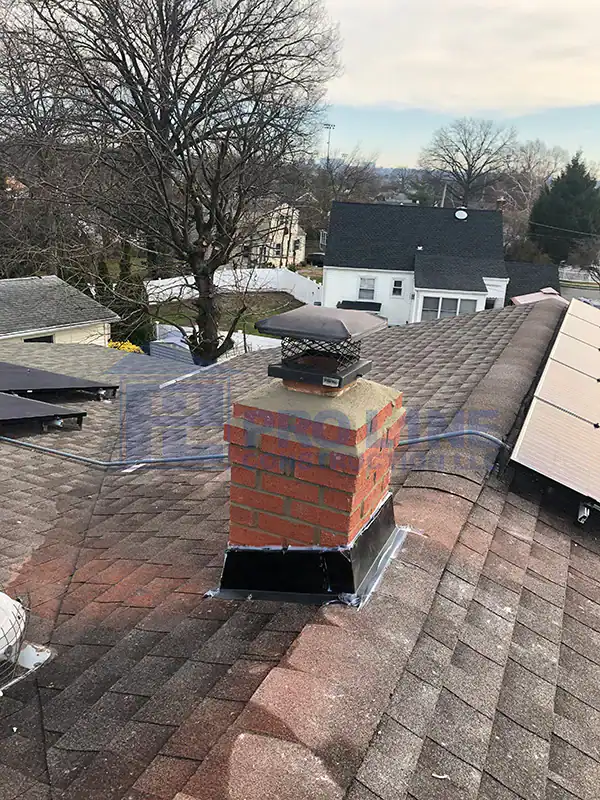
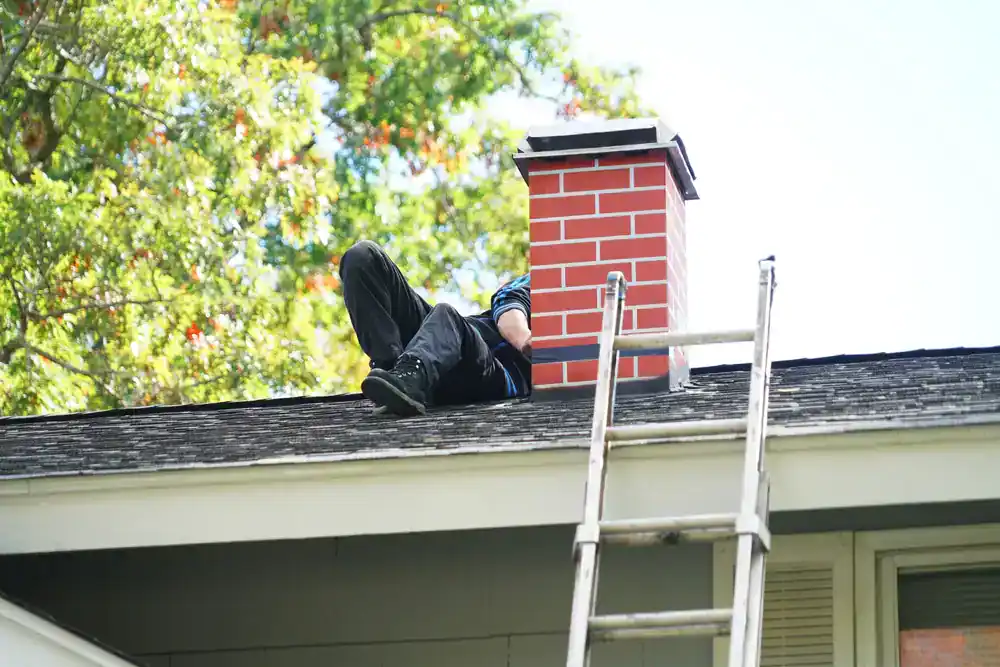
Most chimney damage starts with a handful of common issues. Recognizing these problems early gives you the chance to fix them before they escalate. The most frequent culprit is damaged chimney flashing—the metal material installed where your chimney meets your roof. Flashing creates a watertight seal that directs water away from this vulnerable junction. Over time, flashing can separate from the chimney or roof, develop rust, or become loose due to house settling or storm damage. Once that seal breaks, water pours in.
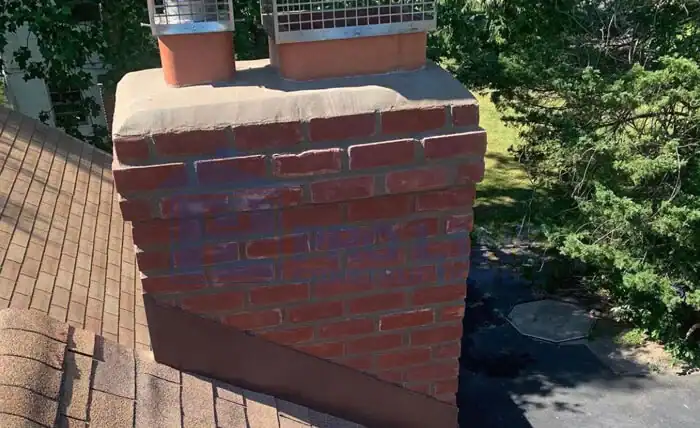
Chimney crowns take a beating too. The crown is the concrete or mortar cap at the top of your chimney that protects the flue from rain and debris. Cracks in the crown allow water to seep into the chimney structure, leading to interior damage. If the crown is severely cracked or deteriorating, water infiltration accelerates, and you’ll need a full crown replacement rather than simple patching.
Deteriorating masonry is another major issue. Bricks and mortar aren’t indestructible. Exposure to weather, freeze-thaw cycles, and time causes mortar joints to crack and crumble. When mortar fails, water gets in, bricks become loose, and the entire structure weakens. This process, called spalling, causes bricks to flake and crumble, especially near the base of the chimney where moisture accumulates.
Chimney Flashing Repair and Why It Can't Wait
Flashing failure is one of the most common sources of roof leaks, yet many homeowners don’t realize their chimney is the problem until water damage becomes visible inside their home. The flashing system consists of step flashing and counter flashing that work together to channel water away from the chimney-roof intersection. When installed correctly and maintained properly, flashing keeps this critical area watertight. When it fails, water finds its way in fast.
Several factors cause flashing to fail. Weather exposure is the primary enemy—rain, snow, UV rays, and temperature fluctuations all degrade the metal over time. In areas like Essex County and Morris County, NJ, where winters bring freezing temperatures and heavy snow, flashing takes a particularly hard beating. Ice dams can form behind chimneys, forcing water backward under the flashing and creating pools that can’t drain properly.
Improper installation is another major cause of flashing problems. Flashing must be installed in layers with proper overlap, sealed correctly, and secured to both the roof and chimney. If a roofer or mason cuts corners during installation, the flashing may look fine initially but fail within a few years. Some contractors use tar as a sealant, which hardens and cracks over time, opening gaps for water to enter.
Signs of flashing failure include water stains on walls or ceilings near the chimney, visible rust or gaps in the metal, and damp spots that appear after rain. If you notice any of these symptoms, addressing the problem immediately prevents extensive water damage. Repairing flashing typically involves resealing gaps with proper roofing-grade sealants like silicone or polyurethane. For severe damage, complete flashing replacement is necessary, which requires removing old flashing, cleaning the area thoroughly, and installing new flashing with a watertight seal.
The cost difference between early intervention and delayed repair is significant. Resealing minor gaps costs $200 to $400. Replacing damaged flashing runs $500 to $1,000. But if you wait until water has damaged your roof decking, attic insulation, or interior walls, you’re looking at several thousand dollars in combined repairs. Water doesn’t stay contained—it spreads, and the longer it goes unaddressed, the more areas of your home it affects.
Why Licensed Chimney Repair Contractors Matter
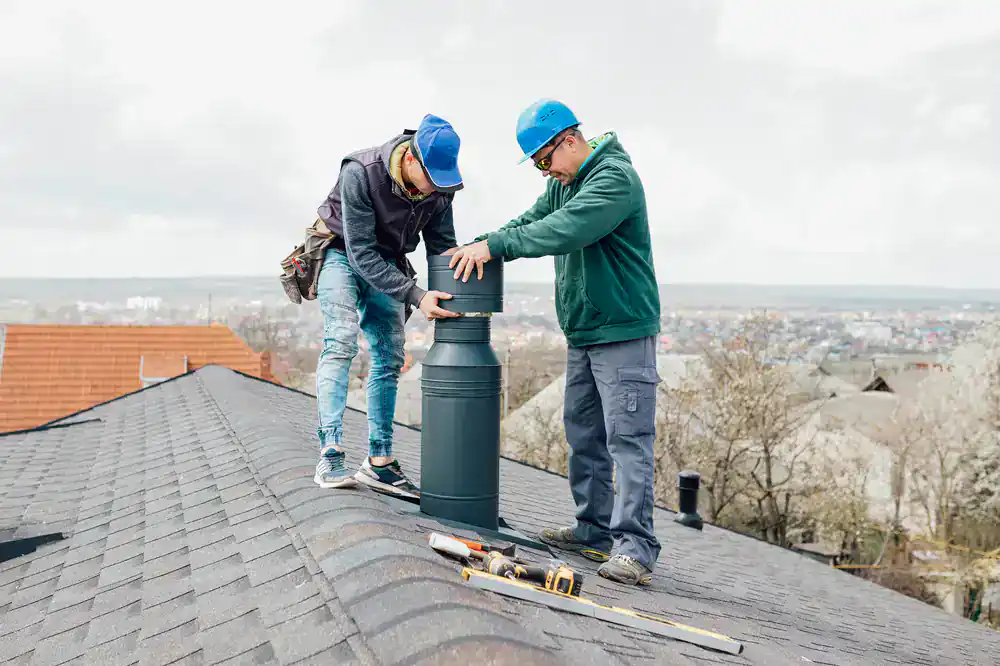
Not all chimney repair services are created equal. Hiring a licensed, insured contractor isn’t just about following rules—it’s about protecting yourself from liability, ensuring quality work, and getting repairs that actually last. Licensed contractors meet local standards and regulations, which means they understand building codes, proper installation techniques, and safety requirements specific to your area.
Insurance and workers’ compensation coverage protect you if something goes wrong during the repair process. If a worker is injured on your property or if the repair causes damage, proper insurance coverage ensures you’re not personally liable for medical bills or property damage. Unlicensed contractors often lack this coverage, leaving you exposed to significant financial risk if an accident occurs.
Experience and expertise make a real difference in chimney repair. Chimneys are complex systems with multiple components that must work together properly. A qualified contractor knows how to identify the root cause of problems, not just treat visible symptoms. They can spot issues like compromised flue liners, hidden water damage, or structural concerns that an inexperienced person might miss. This thoroughness prevents repeat repairs and ensures your chimney functions safely.
Professional contractors also provide warranties on their work. A reputable company stands behind their repairs and offers guarantees that cover issues arising after the job is completed. This gives you peace of mind and recourse if problems develop. Unlicensed or inexperienced contractors rarely offer warranties, and if their work fails, you’re paying for repairs all over again.
Certifications matter too. Organizations like the Chimney Safety Institute of America (CSIA) provide training and certification programs that ensure technicians understand current safety standards, proper inspection techniques, and effective repair methods. CSIA-certified professionals have demonstrated their knowledge and commitment to quality work. When you hire certified technicians, you’re getting someone who stays current with industry best practices and safety protocols.
The cost savings of hiring a professional often surprise homeowners. While DIY repairs or hiring the cheapest unlicensed contractor might seem like a way to save money, improper repairs frequently fail within a short time, requiring you to pay for the work twice. Professional contractors do the job right the first time, using quality materials and proper techniques that ensure repairs last for years. In the long run, this approach costs less and provides better value.
Protecting Your Home With Timely Chimney Repair
Your chimney does critical work protecting your home from water, venting dangerous gases, and supporting your heating system. When damage develops, acting quickly prevents small problems from becoming expensive emergencies. Water leaks, fire hazards, and structural issues don’t fix themselves—they get worse, and the costs multiply the longer you wait.
Professional chimney repair addresses problems at their source, using quality materials and proven techniques that stand up to New Jersey’s weather. Licensed contractors provide the expertise, insurance coverage, and warranties that protect both your home and your investment. Regular inspections catch issues early, when they’re still affordable to fix.
If you’ve noticed water stains, crumbling mortar, or any signs that your chimney isn’t functioning properly, don’t wait for the damage to spread. We provide professional chimney repair services throughout Essex County and Morris County, helping homeowners protect their properties and avoid costly damage. Timely repair saves money, protects your family’s safety, and preserves your home’s value for years to come.