Summary:
What's the Difference Between a Patio and a Deck?
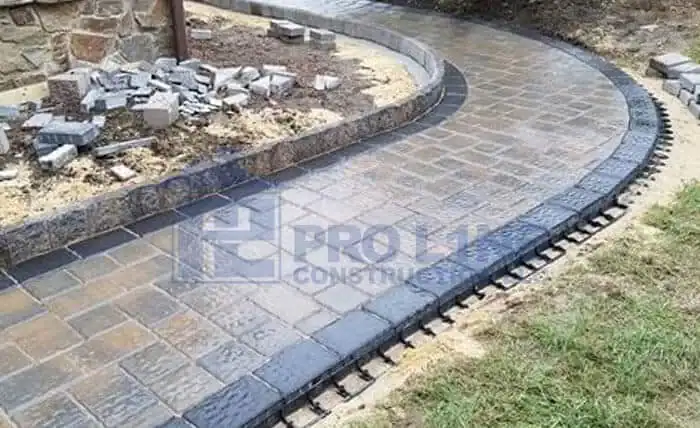
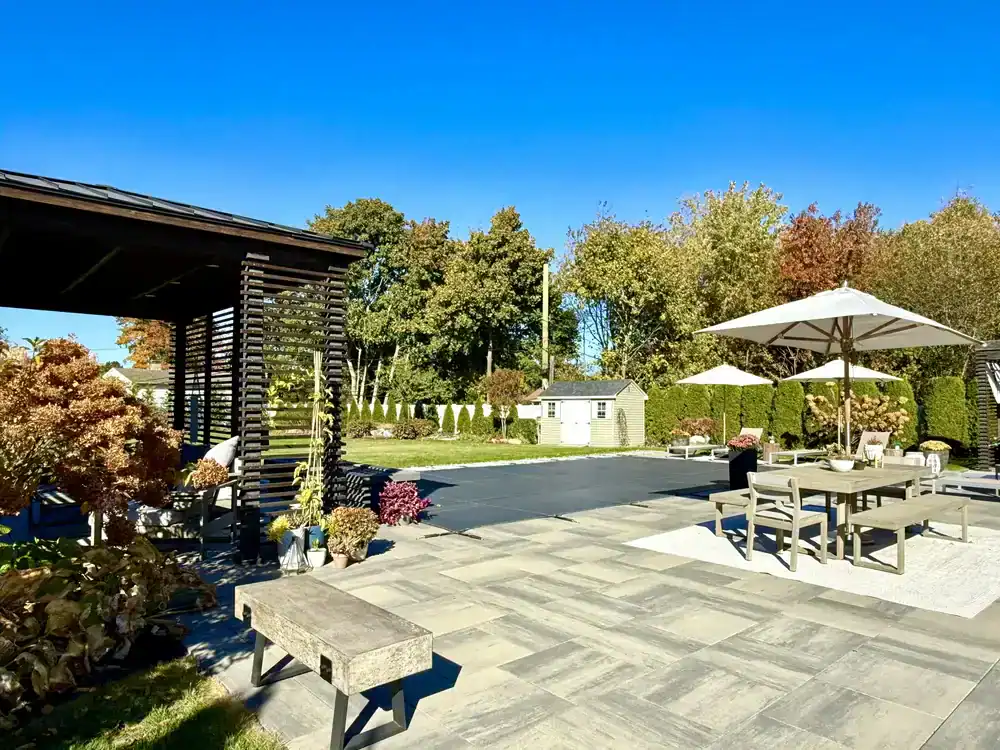
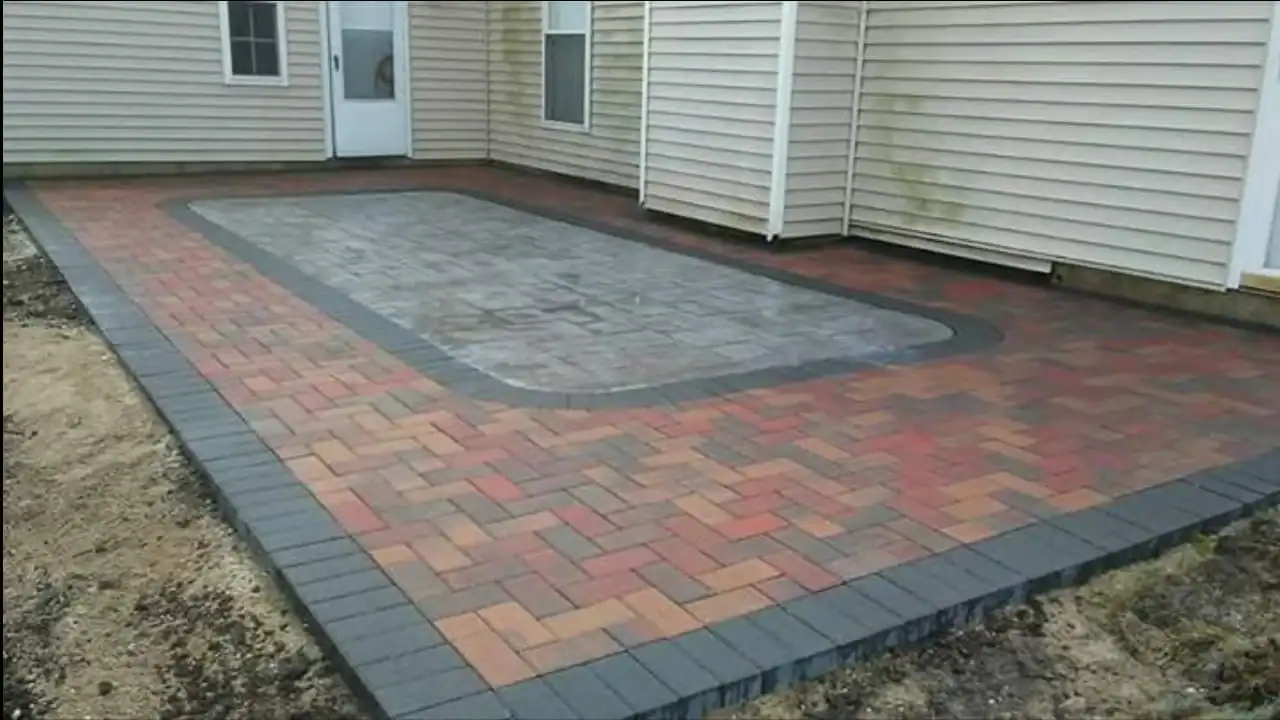
A patio sits directly on the ground. It’s typically built with concrete, pavers, brick, or natural stone, and it creates a flat, stable surface at ground level. Patios work well on relatively flat terrain and blend naturally into your landscaping.
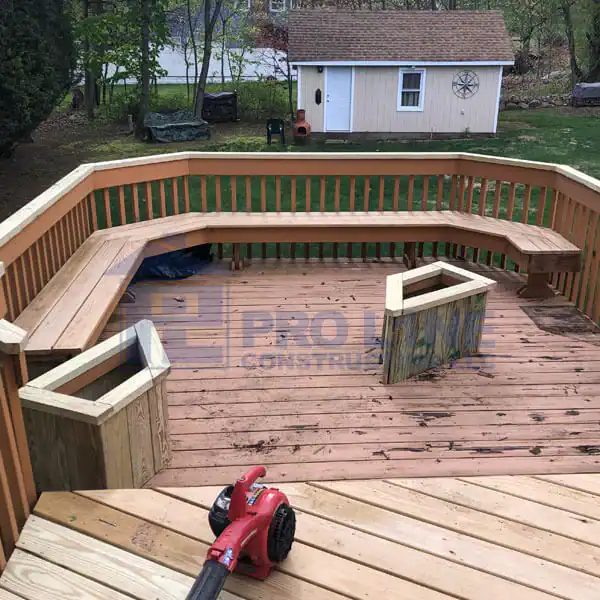
A deck is an elevated platform. It’s built with wood or composite materials and supported by posts and framing. Decks are attached to your house or freestanding, and they’re designed to work on sloped or uneven yards where a ground-level patio wouldn’t make sense.
The difference isn’t just about height. It affects cost, maintenance, how long it lasts, and whether it fits your property. If your backyard slopes toward the woods, a deck gives you a level outdoor space without major grading work. If your yard is flat and you want something that integrates with landscaping and requires less ongoing care, a patio installation might be the smarter move for your backyard remodeling project.
How Much Does a Patio Cost vs. a Deck in NJ?
Cost is usually the first question, and it should be. A patio generally costs less to install than a deck. Paver patios in New Jersey typically run between $10 and $17 per square foot installed, while poured concrete patios can start as low as $5 to $15 per square foot depending on finish and complexity.
Decks cost more. A pressure-treated wood deck averages $25 to $50 per square foot. Composite decking—the low-maintenance option that doesn’t rot, warp, or need staining—runs $30 to $50 per square foot. For a 300-square-foot outdoor space, you’re looking at $3,000 to $5,000 for a patio versus $7,500 to $15,000 for a deck.
But upfront cost isn’t the whole story. Wood decks need regular maintenance—staining, sealing, replacing warped boards. That adds up over time. Composite decks cost more initially but require almost no upkeep. Patios made from pavers or stone are incredibly durable and need little more than occasional sweeping and a rinse. When you factor in what you’ll spend over 10 or 15 years, the gap narrows.
There’s also resale value to consider. Wood decks typically return 65% to 75% of their cost when you sell. Composite decks return around 63% to 68%. Patios vary—some sources show 50% to 69% ROI, but simpler concrete paver patios can return close to 100% in the right market. In Essex County, NJ and Morris County, NJ, where outdoor living space is a selling point, both options add value. The key is choosing what fits your property and not overbuilding for your neighborhood.
Material quality matters too. Cheap pavers can shift and settle. Low-grade wood rots faster. If you’re going to invest in your backyard remodeling, use materials that actually last in New Jersey’s climate—freeze-thaw cycles, humidity, snow, ice. That’s where working with a patio contractor in NJ who understands local conditions makes a difference.
Patio and Deck Maintenance: What You're Actually Signing Up For
Maintenance is where a lot of people get surprised. A wood deck looks great when it’s new, but it doesn’t stay that way without work. You need to clean it, inspect for rot and splinters, and reseal or restain it every two to five years depending on exposure and wear. If you skip it, the wood weathers, cracks, and eventually needs replacing. That’s not a maybe—it’s a when.
Composite decks are a different story. They don’t need staining or sealing. You wash them down occasionally to remove dirt and pollen, and that’s about it. They resist fading, warping, and insect damage. If you want the look of a deck without the ongoing labor, composite is worth the extra cost upfront.
Patios are even simpler. Pavers, stone, and concrete don’t rot. They don’t need sealing unless you want to enhance color or prevent stains, and even then it’s optional. You sweep them, hose them off, maybe pull a weed from a joint here and there. If a paver cracks or shifts, you replace that one piece without tearing up the whole surface.
New Jersey winters are hard on outdoor structures. Freeze-thaw cycles cause water to expand in cracks, which makes those cracks worse. Wood decks are vulnerable if water gets into the grain. Concrete patios can crack if they’re not installed properly with the right base and drainage. Pavers handle freeze-thaw better because each piece moves independently—they flex with the ground instead of fighting it.
The bottom line: if you don’t want to spend weekends maintaining your outdoor space, a patio or composite deck is the smarter choice. If you’re okay with regular upkeep and like the natural look of wood, a traditional deck can work—but go in knowing what you’re committing to.
Which Lasts Longer: Patios or Decks?
Longevity is about materials and installation quality. A properly installed masonry patio can last 25 years or more. Stone and pavers don’t rot, rust, or decompose. Concrete can crack over time, especially if the base wasn’t prepared correctly, but a well-built concrete patio still outlasts most wood decks.
Wood decks have a shorter lifespan—typically 10 to 15 years before they need significant repairs or replacement. Composite decks last longer, often 25 to 30 years, and many come with warranties that transfer to the next homeowner if you sell. That makes composite a better long-term investment if you plan to stay in your home or want to boost resale appeal.
Does a Patio or Deck Work Better on Sloped or Uneven Yards?
Terrain plays a huge role in what makes sense for your property. Patios need relatively flat ground. You can do some grading and use retaining walls to create level areas, but if your yard has a significant slope, building a patio means moving a lot of dirt or building up terraced sections. That adds cost and complexity.
Decks are built to handle slopes. The support posts adjust to uneven ground, so you get a level platform without major excavation. If your backyard drops off toward a wooded area or you’ve got a walkout basement with a slope leading away from the house, a deck installation is often the simpler solution.
That said, combining both can work beautifully. A deck off the back of the house for elevated views and easy access from the kitchen, with a lower patio area for a fire pit or seating closer to the yard. Masonry ties it together—stone steps connecting the levels, a retaining wall defining the patio space, pavers that match the aesthetic. It’s not one or the other if your property and budget allow for both.
Morris County, NJ and Essex County, NJ have varied terrain. Some properties are flat and open. Others have slopes, mature trees, and natural elevation changes. A good contractor looks at your specific lot and tells you what actually makes sense instead of trying to force one solution.
How Masonry Complements Patios and Decks
Masonry isn’t just for patios. It enhances both options and solves problems you didn’t know you had. For patios, masonry is the foundation—pavers, natural stone, brick, or stamped concrete. The material you choose affects durability, style, and how the space feels underfoot. Bluestone and flagstone are popular in New Jersey for their classic look and ability to handle weather. Concrete pavers offer more color and pattern options at a lower price point.
For decks, deck masonry options add function and character. A stone or paver patio at ground level beneath the deck creates a usable space instead of wasted dirt. Masonry retaining walls manage grade changes and prevent erosion. A built-in fire pit or outdoor kitchen made from stone or brick turns a simple deck into an entertainment hub.
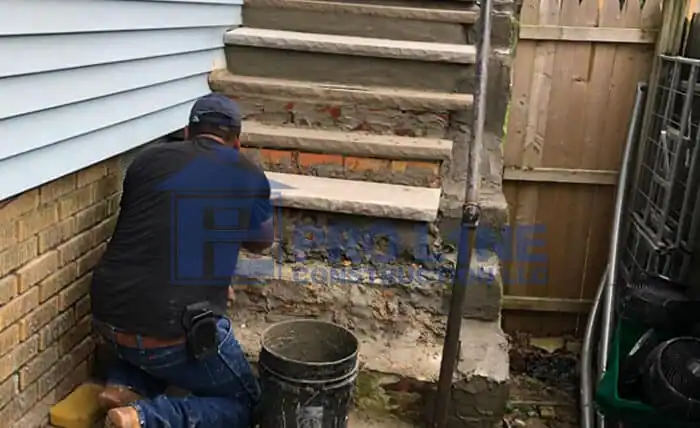
Masonry also handles the details that make outdoor spaces feel finished. Stone steps leading from a deck to the yard. A paver walkway connecting your patio to a garden or side yard. A low seat wall around a patio that provides extra seating without dragging chairs around. These elements tie everything together and make the space feel intentional instead of like an afterthought.
We bring masonry expertise to backyard remodeling projects. Whether you’re building a new patio from scratch, adding stone accents to a deck, or integrating a fire feature into your backyard design, the right masonry work makes the difference between something that looks good for a season and something that lasts decades. New Jersey weather demands materials and installation methods that hold up. Masonry, done right, delivers that.
Choosing What Actually Works for Your Property
There’s no universal answer to patio vs. deck. It depends on your property, your budget, how much maintenance you’re willing to handle, and what you actually want to do in the space. Patios cost less upfront, last longer, and require almost no maintenance. Decks work on slopes, offer elevated views, and create defined outdoor rooms attached to your home.
Both add value. Both give you a place to spend time outside instead of looking at your backyard through a window. The key is choosing materials that survive New Jersey’s climate and working with a contractor who understands what actually holds up in Essex County, NJ and Morris County, NJ.
If you’re ready to move forward with your backyard remodeling project, we can walk you through your options, explain what makes sense for your property, and handle the masonry work that turns a basic patio or deck into something you’ll use for years. Reach out and let’s talk about what works for your backyard.