Summary:
What Do Retaining Walls Actually Do?
A retaining wall holds back soil on slopes and uneven terrain. That’s the basic job. But what it’s really doing is managing the forces working against your property—gravity, water pressure, and soil movement.
Without a wall, sloped areas erode. Soil washes away during storms, plant roots get exposed, and you lose ground every year. On steeper slopes, that erosion can threaten your foundation, driveway, or landscaping. A properly designed retaining wall stops that process by creating a stable barrier that redistributes pressure and controls how water moves through your yard.
Beyond erosion control, retaining walls create usable space. If your yard is mostly hillside, you’re not getting much use out of it. Terracing with retaining walls turns slopes into flat zones for patios, gardens, or play areas. You’re essentially reclaiming square footage that was going to waste.
How Retaining Walls Prevent Soil Erosion and Manage Drainage
Erosion happens when water flows downhill and takes soil with it. Over time, this creates bare spots, gullies, and unstable ground. If your property sits at the bottom of a slope, you’re also dealing with runoff from higher elevations—water that brings sediment, debris, and pressure straight toward your home.
A retaining wall intercepts that flow. Instead of water rushing straight down and carving channels through your yard, the wall diffuses it. Properly installed walls include drainage systems—perforated pipes, gravel backfill, weep holes—that let water pass through without building up behind the structure. That’s critical. Water trapped behind a wall creates hydrostatic pressure, which is the number one reason retaining walls fail.
When water pressure builds, it pushes against the wall. If there’s no outlet, that force can cause the wall to lean, crack, or collapse entirely. That’s why drainage isn’t optional. Every retaining wall project in New Jersey should include a plan for managing water—not just surface runoff, but groundwater too. Clay-heavy soil and rocky terrain in Essex County and Morris County make this even more important. Water doesn’t drain quickly through dense soil, so without proper engineering, you’re setting up for problems down the road.
Good drainage keeps your wall stable and your yard dry. It protects your landscaping from sitting in saturated soil, which leads to root rot and plant disease. And it keeps water moving away from your foundation, where it can cause cracks, settling, and costly structural damage. A retaining wall that manages drainage well isn’t just holding back dirt—it’s protecting your entire property.
Backyard Retaining Wall Ideas: Turning Sloped Yards into Usable Space
If half your yard is on a slope, you’re probably not using it. Mowing is a hassle, planting is difficult, and forget about putting furniture out there. Sloped areas feel like wasted space, and in a lot of ways, they are.
Retaining walls change that. By creating terraces—flat, level sections carved into the slope—you suddenly have room to work with. One tier could be a patio. Another could be a garden bed. A third might be lawn space where kids can actually play without rolling downhill. Each level is held in place by a wall, and each one gives you back square footage you couldn’t use before.
Terracing also makes slopes safer and easier to maintain. Instead of navigating a steep incline every time you need to mow or weed, you’re working on manageable, flat sections. You can add steps between levels, integrate lighting, or build seating directly into the walls. What was once an awkward hillside becomes a multi-level outdoor living area with real functionality.
This approach works especially well in New Jersey, where properties in areas like Parsippany, Montville, and Bloomfield often have natural elevation changes. Instead of fighting the terrain, you’re working with it. And because retaining walls can be built in stages, you don’t have to tackle the whole project at once. Start with the area closest to your house, then expand as budget and time allow. Each wall you add increases the usable space on your property and makes the entire yard more accessible.
The visual impact matters too. Terraced retaining walls add depth and structure to your landscape. They create defined zones, frame views, and give your property a finished, intentional look. It’s not just about function—it’s about making your outdoor space feel cohesive and well-designed.
Retaining Wall Materials: Stone, Block, and Brick
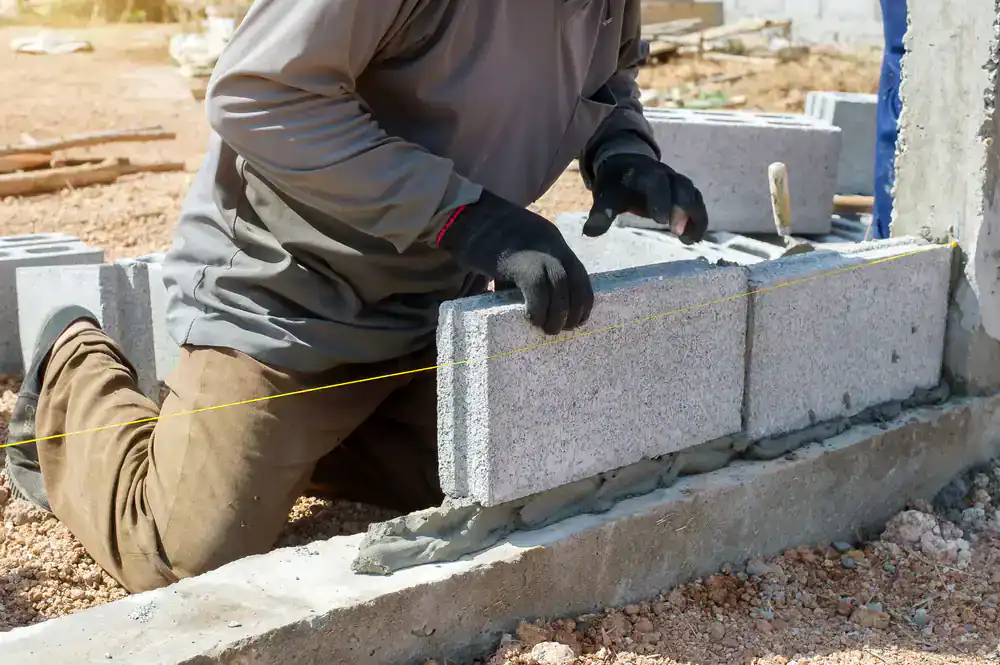
The material you choose affects how your retaining wall looks, how long it lasts, and what it costs. There’s no single “best” option—it depends on your property, your budget, and what you’re trying to achieve. But understanding the differences helps you make a smarter decision.
Stone, block, and brick are the three most common materials for retaining walls in New Jersey. Each has strengths and trade-offs. Stone offers a natural, high-end look but comes with higher labor costs. Block is versatile, affordable, and easy to work with. Brick brings a classic, traditional aesthetic that complements certain home styles. Let’s break down what each one brings to the table.
Stone Retaining Walls: Natural Durability and Timeless Appeal
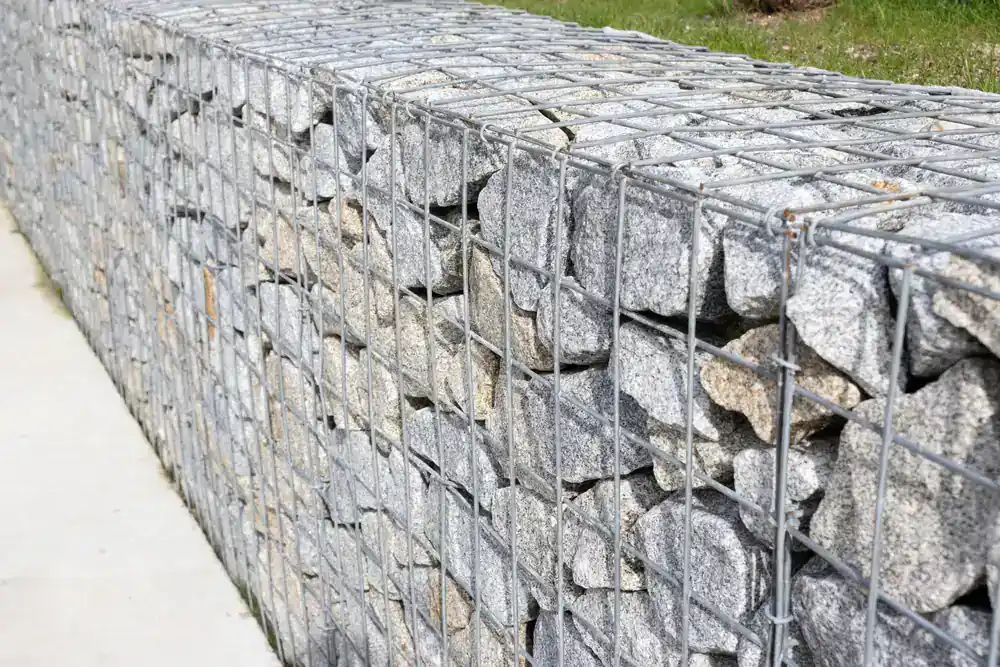
Natural stone is the premium choice. It’s durable, timeless, and blends seamlessly with outdoor environments. Each stone is unique, so no two walls look exactly the same. If you want a retaining wall that feels like it’s always been part of the landscape, stone delivers that effect.
The cost reflects the quality. Natural stone typically runs $25 to $75 per square foot, depending on the type of stone and how it’s installed. Labor costs are higher too, because working with stone requires skilled masons who know how to fit irregular shapes together securely. It’s not a DIY project, and it takes longer to build than block or brick walls.
But the investment pays off in longevity. Stone walls can last for generations with minimal maintenance. They don’t rot, warp, or fade. They handle freeze-thaw cycles without cracking, and they age well—developing a weathered patina that actually adds to their character. If your property already features natural stone elements, using the same material for a retaining wall creates visual consistency.
Stone also works well for shorter walls and garden accents. Dry-stacked stone walls—built without mortar—have a rustic, organic look that’s popular in landscaping. These walls rely on the weight and friction of the stones to stay in place, and they allow water to drain naturally through the gaps. For decorative applications or low-height terracing, dry-stacked stone is a beautiful, functional option.
The main limitation is cost. If you’re working with a tight budget or need a tall wall over a long distance, stone might not be practical. It’s also less suitable for walls that need to be perfectly uniform or geometrically precise. Stone is best for projects where aesthetics and long-term durability are top priorities, and where the higher upfront investment makes sense.
Retaining Wall Blocks: Affordable, Versatile Wall Landscaping Solutions
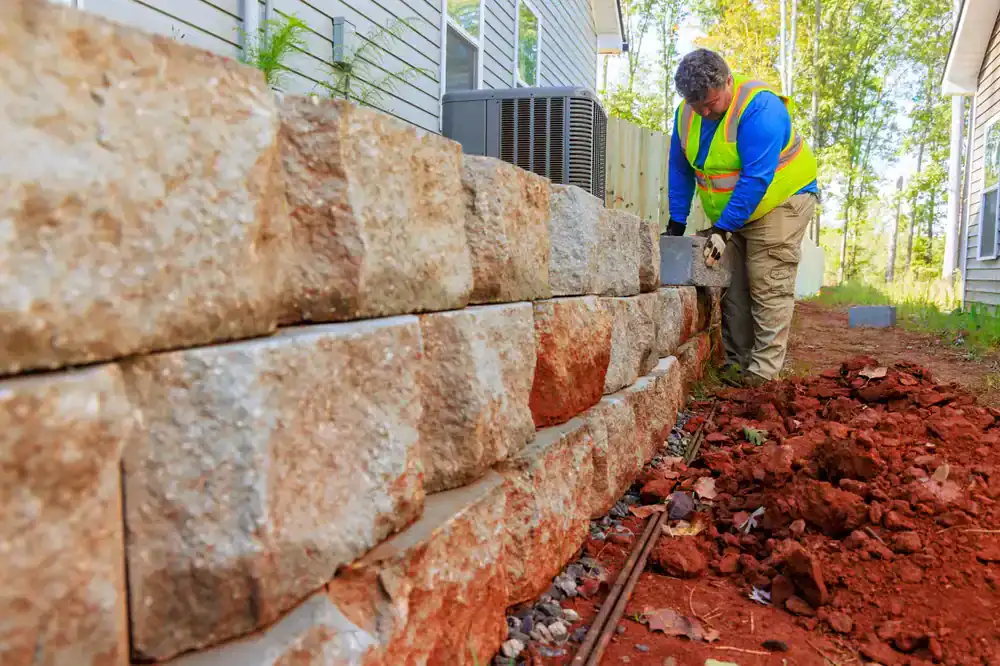
Concrete retaining wall blocks are the workhorse of residential projects. They’re affordable, versatile, and designed for straightforward installation. Interlocking blocks fit together like puzzle pieces, creating a strong, stable wall without the need for mortar. That makes them faster to build and more forgiving if you need to adjust the design as you go.
Cost-wise, blocks are in the mid-range—typically $20 to $40 per square foot. They’re cheaper than natural stone but more expensive than timber. The trade-off is durability. Concrete blocks last decades, resist weather damage, and require very little maintenance. Unlike wood, they won’t rot or need replacing every ten years. And unlike stone, they’re uniform in size and shape, which makes installation more predictable.
Blocks also offer design flexibility. They come in a variety of colors, textures, and finishes, so you can match them to your home’s exterior or landscape style. Some blocks mimic the look of natural stone, giving you a high-end aesthetic at a lower price point. Others have clean, modern lines that work well with contemporary architecture. You can create curves, corners, and tiered walls without specialized tools or advanced masonry skills.
For walls over three feet, blocks are often the best choice. They’re engineered to handle the structural demands of taller installations, and they work well with reinforcement systems like geo-grid, which adds extra stability on steep slopes or in areas with poor soil. Blocks are also ideal for projects where drainage is a concern. The gaps between blocks allow water to escape, and you can easily integrate drainage pipes and gravel backfill into the design.
The downside is that blocks don’t have the same natural, organic look as stone. They’re manufactured, and that’s visible. If you’re going for a rustic or traditional aesthetic, blocks might feel too modern or industrial. But for most residential projects—especially where budget, durability, and ease of installation matter—blocks are hard to beat. They’re the practical choice that still delivers a polished, professional result.
Finding the Right Retaining Wall Contractor in NJ
Retaining walls aren’t just about holding back soil. They’re about protecting your property, creating usable space, and solving problems that won’t go away on their own. Whether you’re dealing with erosion, drainage issues, or a sloped yard that’s going to waste, the right wall makes a real difference.
The key is getting it done right the first time. That means proper drainage, quality materials, and a contractor who understands New Jersey’s terrain. Shortcuts lead to failures—walls that lean, crack, or collapse within a few years. But when a retaining wall is engineered correctly, it lasts for decades and adds real value to your property.
If you’re ready to move forward, start by getting a clear picture of what your property needs. Walk the site, identify problem areas, and think about how you want to use the space once it’s leveled. Then reach out to us at Proline Construction for a consultation. We have the experience, the materials, and the know-how to build retaining walls that hold up in Essex County, Morris County, and across New Jersey.