Summary:
Why Masonry Hardscape Works Better Than Grass in Small Yards
Let’s be honest—maintaining a tiny lawn is more trouble than it’s worth. You’re mowing a space the size of a large rug, dealing with patchy grass that won’t grow in shade, and still not getting any usable outdoor living area out of it.
Masonry hardscape flips that script entirely. Stone patios, pavers, and pathways give you actual square footage you can use for furniture, grills, or just a place to sit. They don’t need mowing, watering, or reseeding. And in New Jersey, where freeze-thaw cycles wreak havoc on anything that’s not built to last, quality masonry materials hold up season after season without cracking or shifting.
Beyond function, hardscaping adds structure and definition. It creates clear boundaries between zones, making small yards feel intentional instead of cluttered. A well-placed stone patio or retaining wall can visually expand your space by creating layers, depth, and focal points that draw the eye through the landscape.
Compact Stone Patios That Maximize Small Backyard Space
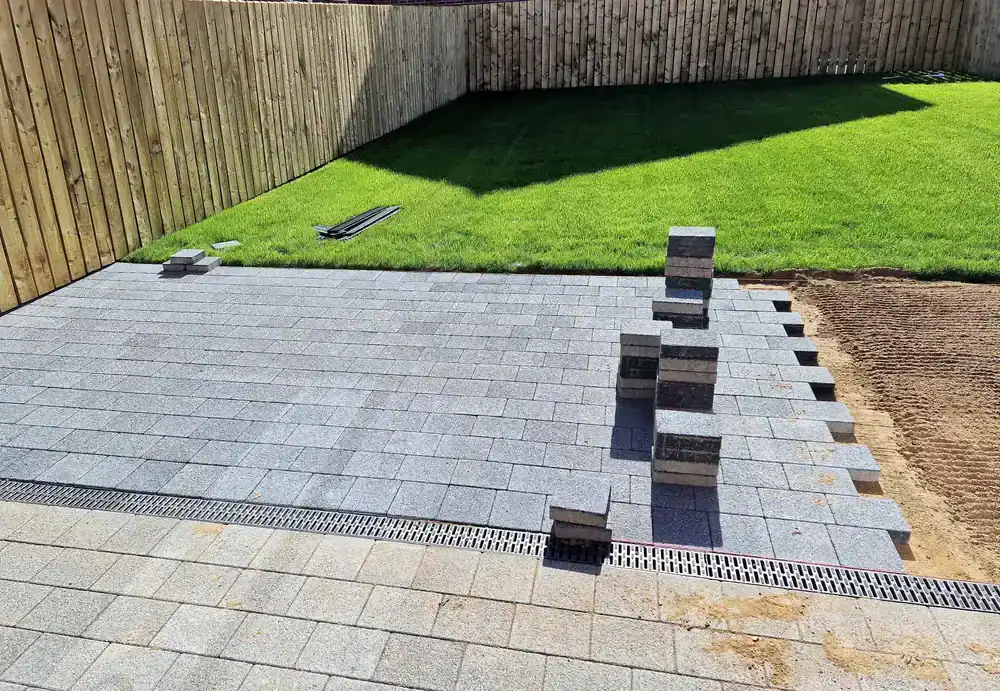
A compact stone patio is one of the most effective ways to reclaim a small backyard. You don’t need a sprawling 400-square-foot space to create an outdoor room—even a 10×10 or 8×12 small yard patio gives you enough room for a bistro table, a couple of chairs, and a place to enjoy your morning coffee or evening glass of wine.
The key is material choice and strategic layout. Bluestone and flagstone offer a natural, elegant look that works with nearly any home style in Essex or Morris County. Concrete pavers come in a range of colors and patterns, giving you flexibility to match your aesthetic while staying within budget. For the tightest spaces, consider irregular flagstone set in gravel or groundcover—it feels less rigid and blends beautifully with surrounding plantings.
Placement matters just as much as size when you’re working with limited space. Tuck your patio into a corner, nestle it against the house, or position it where it catches afternoon sun. If your yard has an awkward shape, a curved or angled patio can actually make the space feel larger by softening hard lines and creating visual flow that guides the eye naturally.
Don’t skip the base prep—this is where most DIY projects fail. New Jersey’s soil conditions and weather extremes demand proper excavation, compacted gravel base, and sand leveling. Cutting corners here leads to settling, drainage issues, and pavers that shift every spring. When it’s done right, your compact patio becomes the foundation of your outdoor living space—literally and figuratively.
Mini Retaining Walls That Transform Sloped Small Yards
Sloped yards are incredibly common in Essex County, NJ and Morris County, NJ, and they’re one of the biggest reasons small backyards go completely unused. A hillside might look fine from the kitchen window, but it’s not functional for anything. You can’t set up furniture, kids can’t play safely, and water runoff often creates muddy messes, erosion, and drainage headaches.
Mini retaining walls change everything in a sloped small yard. Even a low wall—18 to 36 inches tall—can carve out a flat terrace where you actually want to spend time. You gain usable square footage, control drainage and erosion, and add architectural interest all at once.
The beauty of retaining wall design for small yards is that walls don’t have to be massive to make an impact. A single-tier wall can create a raised planting bed that doubles as casual seating. A two-tier design might give you a small patio on the upper level and a garden bed or walkway below. The vertical layering tricks the eye into seeing more space and dimension than you actually have.
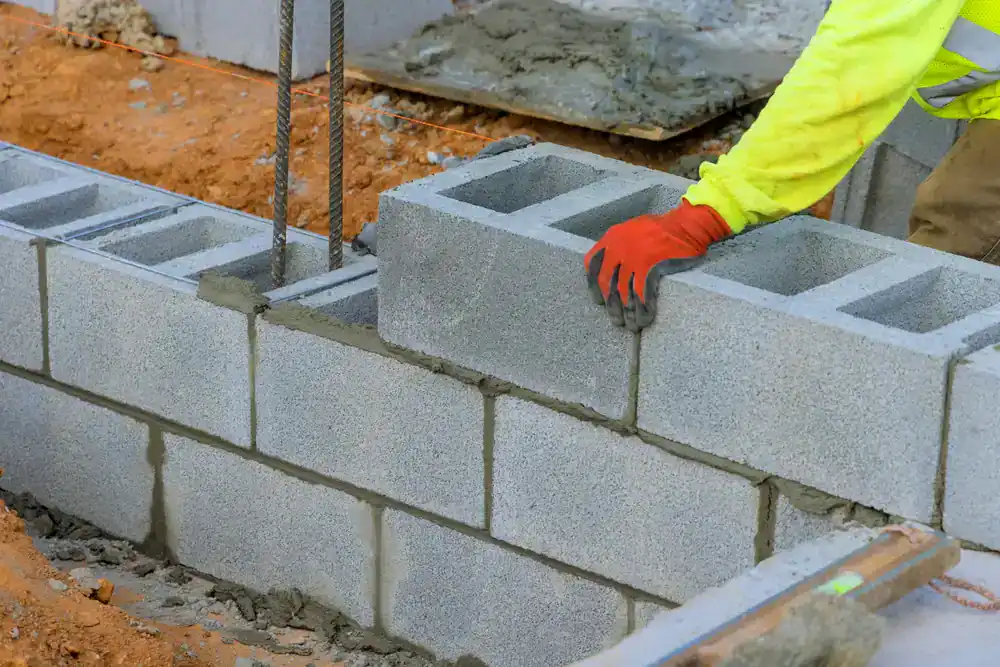
Material options range from natural stone stacked for a rustic, organic look to manufactured block systems that offer clean lines and easier installation. Whichever you choose, proper drainage behind the wall is absolutely non-negotiable. Gravel backfill, drainage pipes, and weep holes prevent water buildup that could cause the wall to shift, bow, or fail over time—especially critical during New Jersey winters when freeze-thaw cycles put tremendous stress on any outdoor structure.
If your slope is particularly steep or your wall will be over four feet tall, you’ll likely need engineered plans and local permits. But for most small-yard applications, a well-built mini retaining wall is a straightforward masonry project that delivers immediate, visible results. You’ll wonder why you didn’t tackle it years ago.
Stone Landscaping Ideas Using Stepping Stones and Pathways
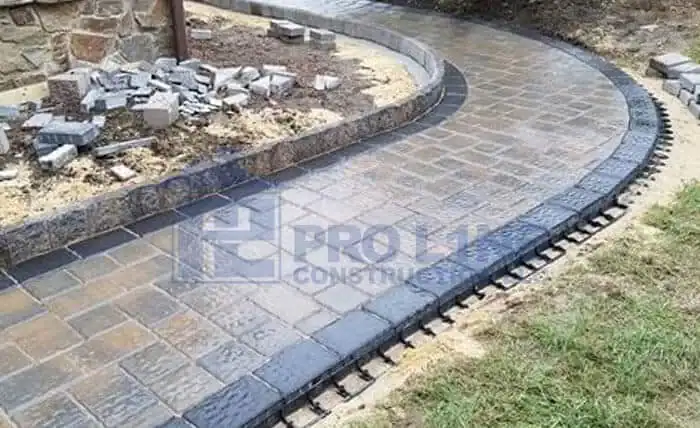
Pathways do more than get you from point A to point B—they guide the eye, create structure, and make small yards feel more spacious and intentional. A well-designed stepping stone path can turn a narrow side yard into a charming garden walk or connect your back door to a seating area without eating up precious square footage.
The trick is choosing a layout that fits your space and how you actually use it. Straight paths work when you have a clear destination and want efficient movement. Curved or meandering paths slow people down and make the journey feel longer, which actually makes small yards seem bigger. Stepping stones spaced with groundcover or gravel in between take up less visual weight than a solid walkway, keeping things light, airy, and less imposing.
Flagstone is a popular choice for its natural texture, color variation, and slip resistance. Pavers offer uniformity and come in shapes that let you create patterns—herringbone, basket weave, or running bond. For a more budget-friendly option, consider mixing materials: larger flagstone steppers set in pea gravel or decomposed granite give you the look of natural stone without the full cost of a complete stone installation.
How Stepping Stones Create Better Flow in Tight Spaces
Stepping stones aren’t just practical—they’re one of the smartest design tools you have in a small yard. They create intentional pathways without the visual bulk of a full walkway, and they let you preserve planting areas or patches of lawn where you want them.
Start by mapping out how you actually move through your yard on a daily basis. Where do you walk most often? Do you cut across the grass to get to the shed or garage? Do you need a path from the driveway to the back gate? Stepping stones should follow these natural traffic patterns, not fight against them or force people into awkward routes.
Spacing is everything when it comes to comfort and usability. For a comfortable walking pace, place stones 18 to 24 inches apart, measuring from center to center. If you want to slow people down—say, through a garden area where you want them to notice plantings—increase the spacing slightly. For kids or high-traffic zones, tighten it up so no one has to stretch, hop awkwardly, or risk tripping.
You can also use stepping stones to define zones in a small yard without building walls or fences. A line of stones might separate a dining area from a play space, or lead from a patio to a fire pit tucked in the corner. The stones act as visual cues that say “this is a path, this is a destination,” which helps a small yard feel organized and purposeful instead of chaotic or random.
Maintenance is refreshingly minimal with stone landscaping ideas like these. Weeds might pop up between stones if you’re using gravel or groundcover, but a quick pull or spot treatment keeps things tidy. Unlike a full paver walkway, stepping stones allow water to permeate naturally into the soil, which is a bonus for drainage and sustainability—important considerations in New Jersey where heavy rain and snowmelt are regular occurrences.
Combining Pathways with Retaining Walls for Multi-Level Design
If your small yard has any kind of slope—even a gentle grade—combining pathways with retaining walls creates a multi-level design that feels intentional, spacious, and thoughtfully planned. Instead of one awkward hillside that’s impossible to use, you get distinct zones: maybe a patio on top, a garden bed in the middle, and a pathway leading down to a fire pit or seating area at the bottom.
The pathway becomes the connector between levels, and the retaining walls provide structure, safety, and visual interest. Stone or paver steps integrated into the path make transitions smooth and accessible. Even a few steps can add drama and architectural character, turning a functional necessity into an actual design feature that elevates your entire backyard.
Material consistency ties everything together and makes the space feel cohesive rather than piecemeal. If your retaining wall is natural stone, echo that in your pathway with flagstone steppers or stone edging. If you’re using pavers for the wall cap, carry that same paver style into the walkway. The repetition creates visual harmony, which makes the space feel larger, more polished, and professionally designed.
This approach also solves drainage issues that plague sloped yards throughout Morris County, NJ and Essex County, NJ. Retaining walls hold soil in place and prevent erosion, while pathways channel foot traffic away from vulnerable areas that could become muddy or compacted. Proper grading and drainage behind the walls ensure water flows where it should—away from your foundation and into designated drainage areas or rain gardens.
The result is a small yard that feels like it has multiple rooms, each with its own distinct purpose and character. You’re not just adding masonry hardscape—you’re creating an outdoor experience that makes the most of every single square foot you have.
Making the Most of Your Small Yard with Smart Masonry Design
Small yards in Essex County, NJ and Morris County, NJ don’t have to sit empty, underused, or frustrating. With the right masonry hardscape ideas—compact stone patios, mini retaining walls, and thoughtful stepping stone pathways—you can transform tight spaces into functional, beautiful outdoor areas that you and your family will actually use and enjoy.
The key is designing with intention and purpose. Every stone, every wall, every step should serve a clear function, whether that’s creating a flat area for outdoor furniture, solving a drainage or erosion problem, or simply making your yard feel more spacious, welcoming, and connected to your home.
If you’re ready to stop looking at wasted potential and start enjoying your outdoor space year-round, we can help you bring these backyard patio solutions to life with quality materials, expert installation, and a clear plan tailored to your yard’s unique challenges and opportunities.