
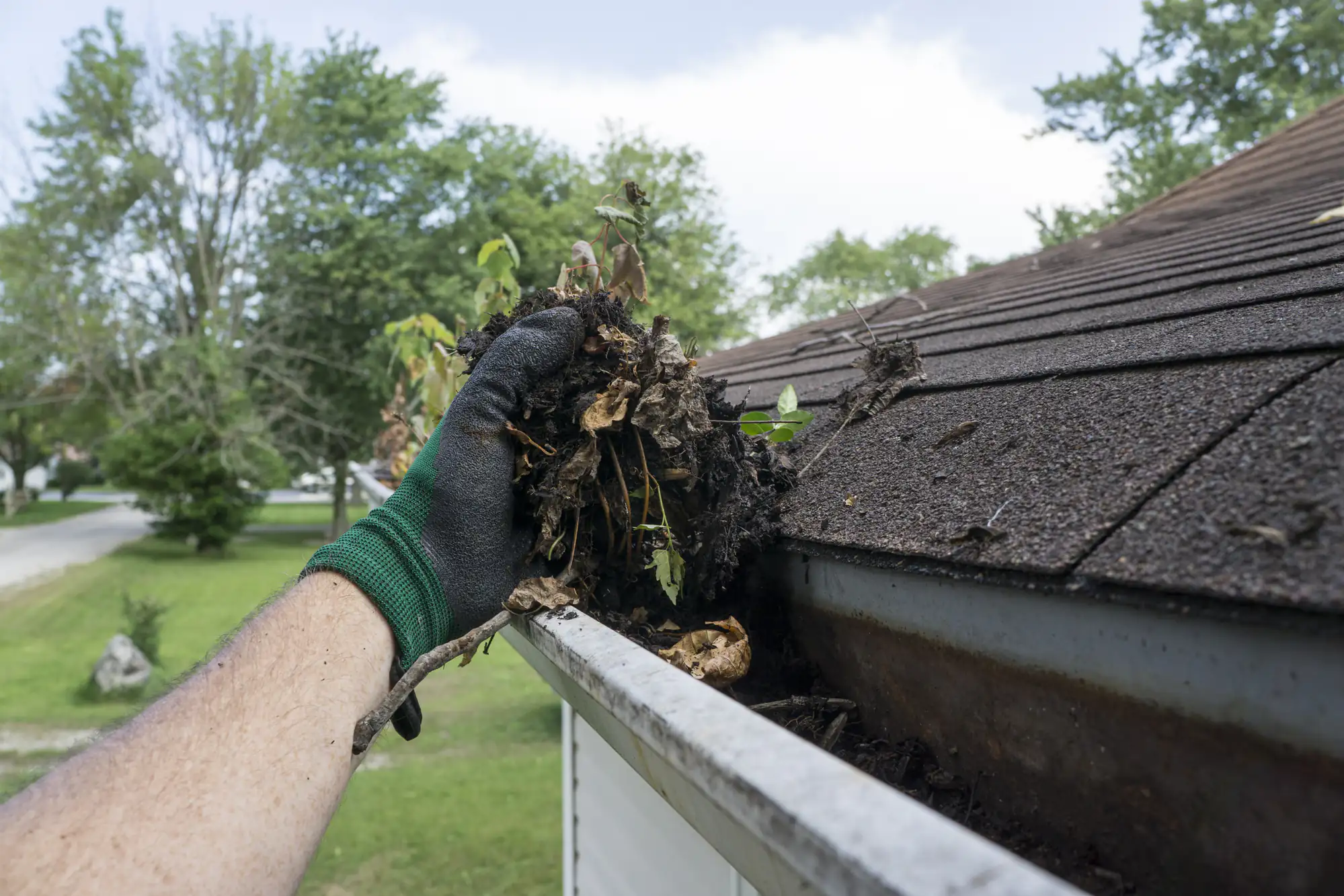
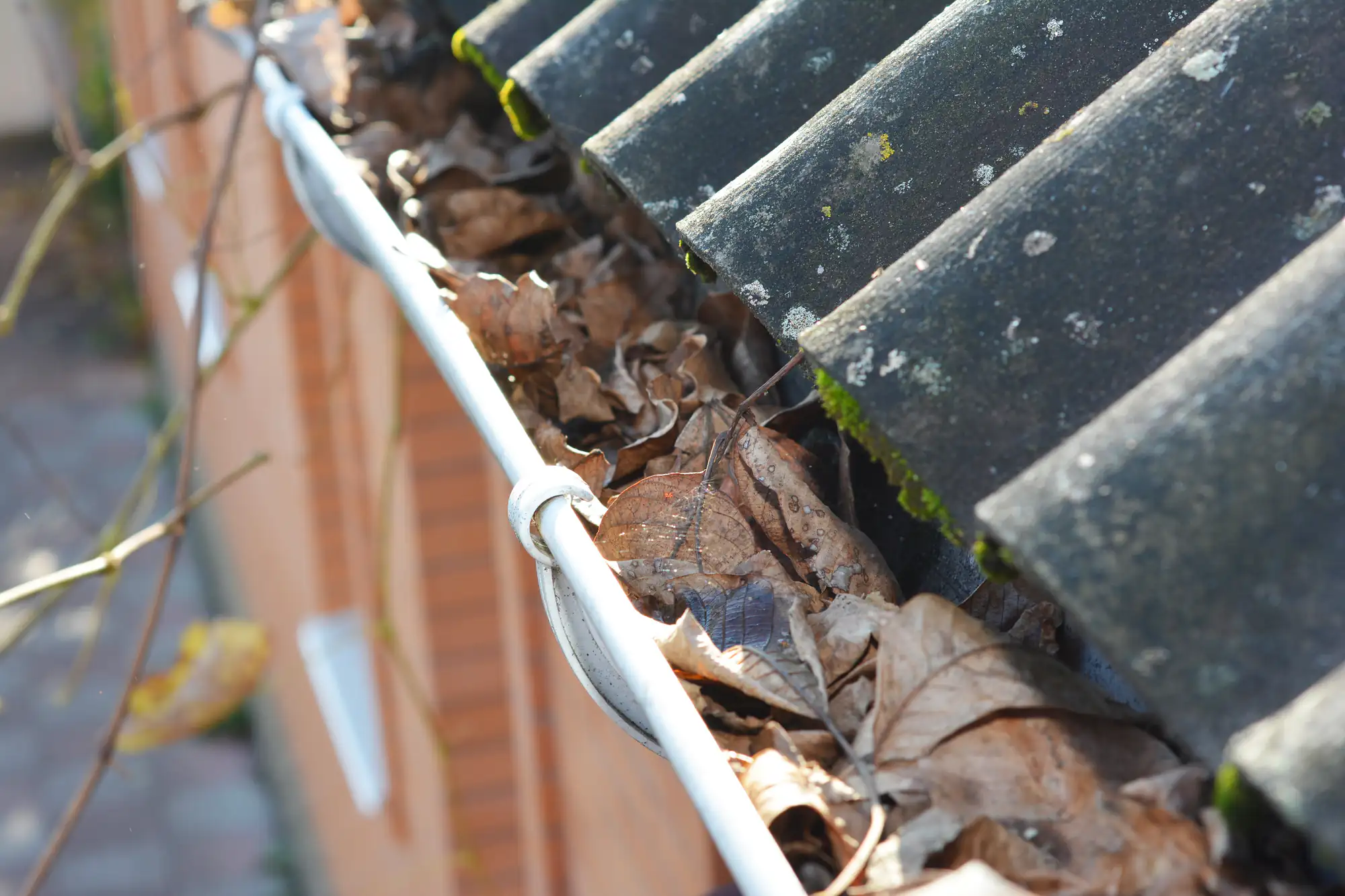
Clogged gutters in Short Hills aren’t just a nuisance they’re a real structural risk. This community sits on genuine hills and uneven terrain, and when a gutter overflows on a sloped lot in Knollwood or Mountaintop, water doesn’t politely pool at the downspout. It runs downhill, saturates the soil, and pushes against your foundation. The damage that follows basement seepage, cracked footings, eroded landscaping is the kind that costs far more to fix than it ever would have cost to prevent.
Short Hills also has more tree coverage than 68% of the United States. The oaks in Old Short Hills Estates, the maples lining Glenwood, the pines near White Oak Ridge each one contributes debris in a different season. When gutters are clear and downspouts are flowing freely, your roof drains the way it’s supposed to, your fascia stays dry, and your foundation stays protected.
After a proper cleaning, you’re not just looking at a cleaner roofline. You’re looking at a home that’s actually defended against the next heavy rain and in a community where Millburn Township runs an active Flood Mitigation Advisory Committee, that’s not a small thing.
We’re a family-owned general contracting company serving northern New Jersey since 2018. We’re BBB accredited and a GAF Preferred Contractor credentials that aren’t handed out, they’re earned. Every job comes with a full warranty, and consultations are free with no pressure attached.
What sets us apart in Short Hills specifically is our full-service capability. Gutter-only companies can scoop debris and leave. What they can’t do is address the rotting fascia board they found behind the bracket, or the loose flashing near the roofline, or the deteriorating soffit that only became visible once the leaves were cleared. We handle roofing, chimney, siding, and masonry so if a cleaning visit surfaces a bigger issue on your Tudor in Short Hills Park or your Colonial in Brookhaven, you’re not stuck tracking down a second contractor.
We show up on time, communicate clearly, and clean up completely when the job is done. For Essex County homeowners who’ve dealt with contractors who disappear after the check clears, that track record means something.
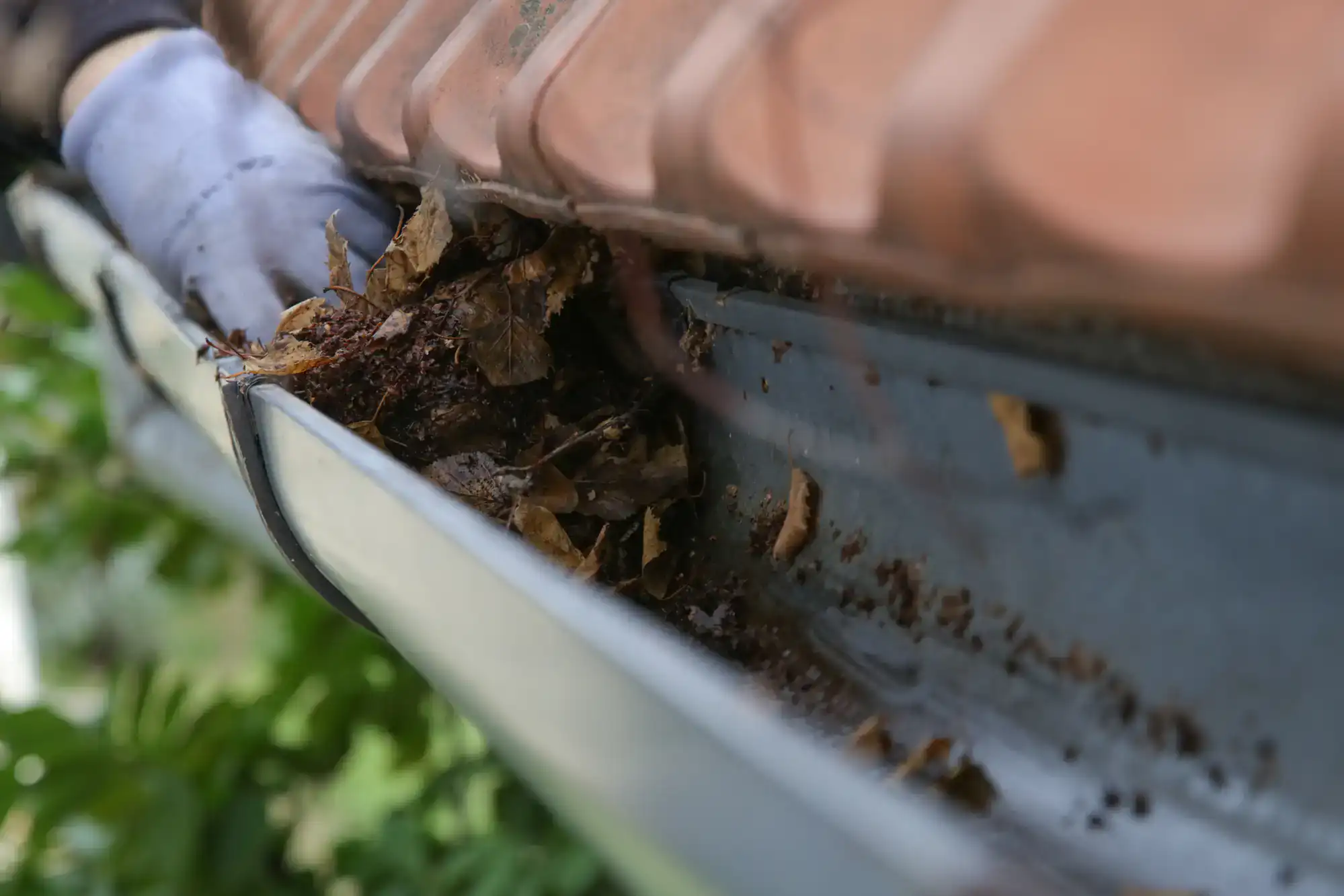
When we arrive at your Short Hills home, the first thing we do is assess the full gutter system not just what’s visible from the ground. On multi-story homes like the Georgians and Tudors common throughout the Short Hills Park and Merrywood areas, that means getting eyes on every run, every corner, and every downspout connection before a single scoop of debris is removed.
From there, all debris is cleared from the gutter troughs leaves, oak tassels, maple helicopters, pine needles, compacted organic matter and every downspout is flushed to confirm water is moving freely from the roofline to the ground. This step matters more in Short Hills than most people realize. A downspout that looks clear can be partially blocked several feet down, and on a sloped lot, that blockage is what turns a rainstorm into a foundation event.
Once the cleaning is complete, we do a walkthrough inspection of the gutter hangers, fascia condition, and any visible roofline concerns. If something needs attention a loose hanger, a section of fascia showing rot, a downspout extension that’s directing water toward the house instead of away from it you’ll hear about it honestly. No manufactured urgency, just a straight assessment. And because any associated repair work in Millburn Township requires a properly licensed contractor under New Jersey’s Home Improvement Contractor framework, you’re already working with someone who can handle it legally and correctly.
Ready to get started?
Request a callback

Most homeowners think of gutter cleaning as a fall job. In Short Hills, that’s only part of the picture. The debris cycle here runs year-round, and each season brings a different problem. Late spring means oak tassels and maple seed pods small, lightweight debris that acts like a sponge once it’s wet, absorbing moisture and accelerating clog formation faster than fallen leaves do. Summer storms can drop significant branch debris and heavy foliage in a single afternoon. Fall brings the densest leaf volume of the year, with drop continuing through January in neighborhoods dominated by oaks. And winter brings freeze-thaw cycles that turn debris-laden gutters into ice dams a serious risk for Short Hills homes where water backing up under shingles can travel a long distance before showing up as an interior leak.
We recommend a minimum of two professional cleanings per year for most Short Hills homes one in late spring after the seed pod season, and one in late fall after the bulk of leaf drop is complete. Homes near pine trees, which shed needles continuously, may benefit from quarterly service. The goal isn’t to sell more visits it’s to match your cleaning schedule to what your property actually needs, given the specific canopy above it.
Every cleaning includes full debris removal, downspout flushing, a hanger and fascia check, and a post-job walkthrough. The site is left clean no debris on the lawn, no gutter grit on the driveway, no mess left behind in your landscaping beds. For Short Hills homeowners who’ve invested significantly in their grounds, that’s not a detail it’s part of what professional service looks like.
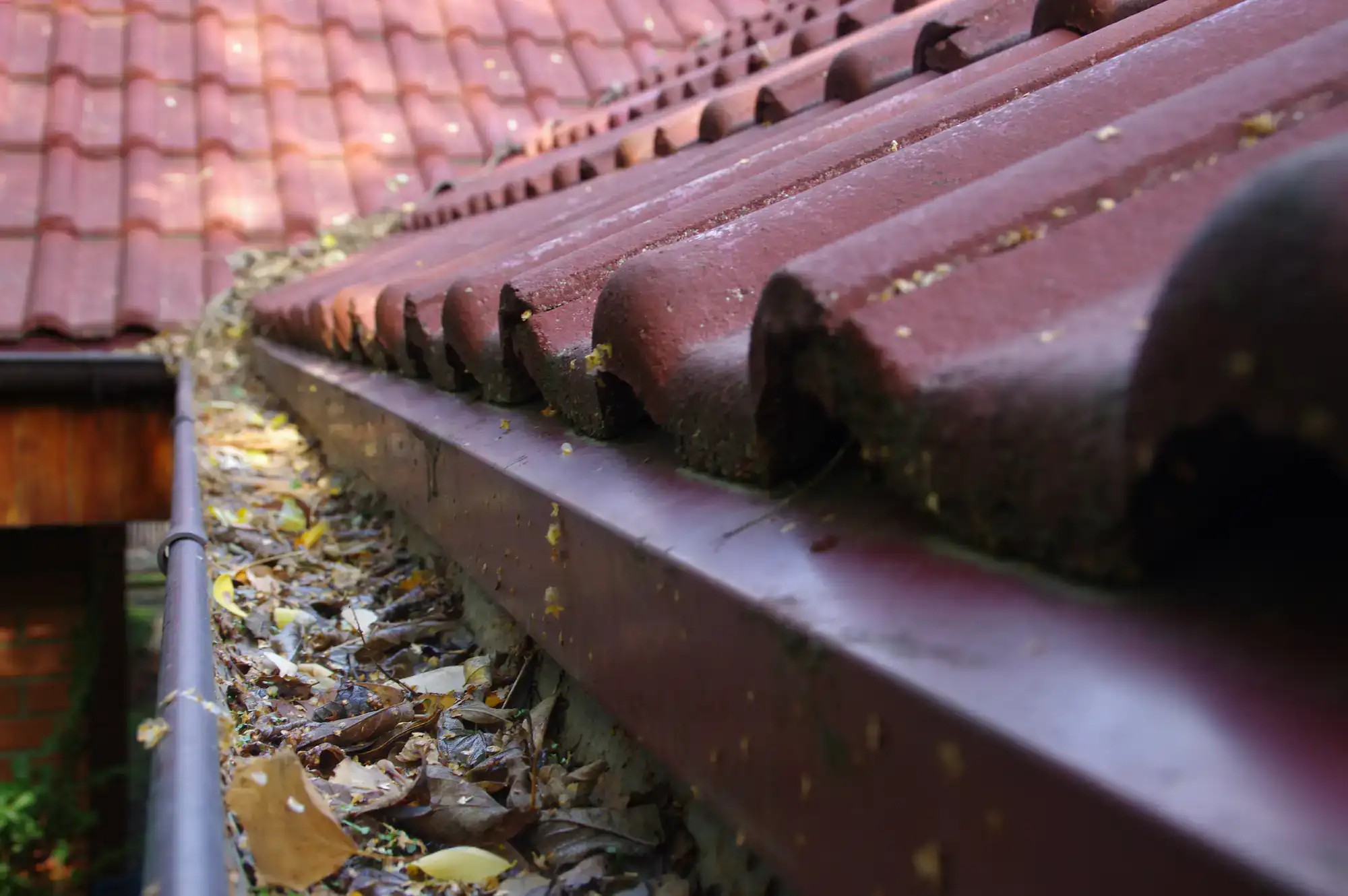
For most Short Hills homes, twice a year is the minimum and that’s not a sales pitch, it’s just the reality of what the canopy here produces. The combination of oaks, maples, and pines that make this community one of the most beautifully wooded in Essex County also means your gutters are collecting debris in every season, not just fall. Oak tassels and maple seed pods arrive in late spring and compact quickly when wet. Heavy leaf drop runs from October through January. Pine needles accumulate year-round.
If your home sits under a significant pine canopy common in neighborhoods like White Oak Ridge and Mountaintop quarterly cleaning is worth considering. And if you’ve had any overflow or foundation moisture issues in the past, that’s a sign your current cleaning frequency isn’t keeping up with what your property actually needs. The right schedule depends on your specific lot, your tree coverage, and your gutter capacity all things we can assess on the first visit.
The most obvious sign is water spilling over the edge of the gutter during rain not trickling, but sheeting over the front lip. If you’ve seen that during a storm, your gutters are already past the point of just needing a quick clear-out. Other signs include water stains on your siding below the gutter line, soil erosion directly beneath the downspout, or plants growing out of the gutter trough (which happens more than you’d think in Short Hills, where organic debris compacts and retains moisture long enough for seeds to germinate).
Inside the home, unexplained basement moisture or water marks near the foundation can sometimes be traced back to gutter overflow that’s been saturating the soil along the foundation line for months. On Short Hills’ sloped lots, that process happens faster than it would on a flat property because the overflow concentrates as it runs downhill. If you’re seeing any of these signs, don’t wait for the next scheduled cleaning get it looked at now before the next heavy rain compounds the issue.
Yes and in Short Hills specifically, the risk is higher than in many other communities because of the terrain. Short Hills is built on genuine topography, and on a sloped lot in Knollwood, Glenwood, or Brookhaven, an overflowing gutter doesn’t just sit at the base of the wall. The water runs downhill, concentrates at the lowest point of the property, and creates hydrostatic pressure against basement walls and foundation footings. Over time or after a single heavy storm that pressure is enough to force water through foundation cracks or floor joints.
Millburn Township runs an active Flood Mitigation Advisory Committee and has ongoing water management infrastructure projects precisely because drainage is a documented, recurring challenge in this area. Your gutters are your home’s first line of defense in that system. When they’re blocked, water that should be directed away from your home via downspouts ends up exactly where you don’t want it. A clean, properly functioning gutter system with downspouts that are fully flushed and extensions pointed away from the foundation is one of the most cost-effective ways to protect against basement water intrusion.
Gutter cleaning itself doesn’t require a permit in Millburn Township. But if the cleaning visit surfaces repair work replacing a section of fascia board, reattaching gutter hangers, installing new downspout extensions, or making any structural repairs at the roofline that work falls under New Jersey’s Home Improvement Contractor licensing requirements. Any contractor performing repair work on a residential property in NJ is required to be properly licensed under the HIC framework.
This matters more than most homeowners realize. If you hire an unlicensed handyman to do the repair work that a cleaning inspection surfaces, you have limited legal recourse if the work fails and in Millburn Township, unpermitted structural work can create complications when you go to sell the home. We’re fully licensed under NJ’s HIC framework and familiar with Millburn Township’s building department requirements, so if a cleaning visit reveals something that needs fixing, you’re already working with someone who can handle it correctly and legally.
The most immediate risk is ice dam formation. When gutters are packed with fall debris and temperatures cycle above and below freezing which is a reliable pattern in Essex County from December through February water backs up in the gutter trough, freezes, and creates a dam that forces water under your shingles. On a Short Hills home with a steep-pitched roof or multiple dormers, that water can travel a significant distance under the roofing material before it shows up as an interior leak or ceiling stain.
Beyond ice dams, the sheer weight of wet, compacted leaves combined with ice can pull gutters away from the fascia a repair that costs considerably more than a cleaning would have. And if the fascia board itself has been holding moisture all fall under a packed gutter, you may be looking at rot by the time spring arrives. The older homes in the Short Hills Park and Wyoming historic districts are particularly vulnerable here, since original wood fascia doesn’t tolerate prolonged moisture exposure the way modern materials do. Scheduling a late-fall cleaning before the first hard freeze is the single most protective thing you can do for your gutter system heading into winter.
A clogged downspout is actually harder to spot than a clogged gutter, which is why it gets missed so often even after a cleaning. The clearest sign is a gutter that fills with standing water during rain but doesn’t overflow at the trough. The water has nowhere to go because the downspout is blocked somewhere below the elbow, often several feet down where it’s not visible from the roof. You might also notice that water is seeping out at a downspout joint or that the ground at the base of the downspout stays dry during rain when it should be wet.
On Short Hills properties with underground downspout extensions which are common on larger estate homes in Country Club and Deerfield-Crossroads blockages can occur well below grade and go completely undetected until water starts backing up into the gutter or pooling at the surface. We flush every downspout on every cleaning visit, not just the ones that look problematic from the outside. That step alone is what separates a thorough cleaning from one that leaves half the problem in place.
Other Services we provide in Short Hills