
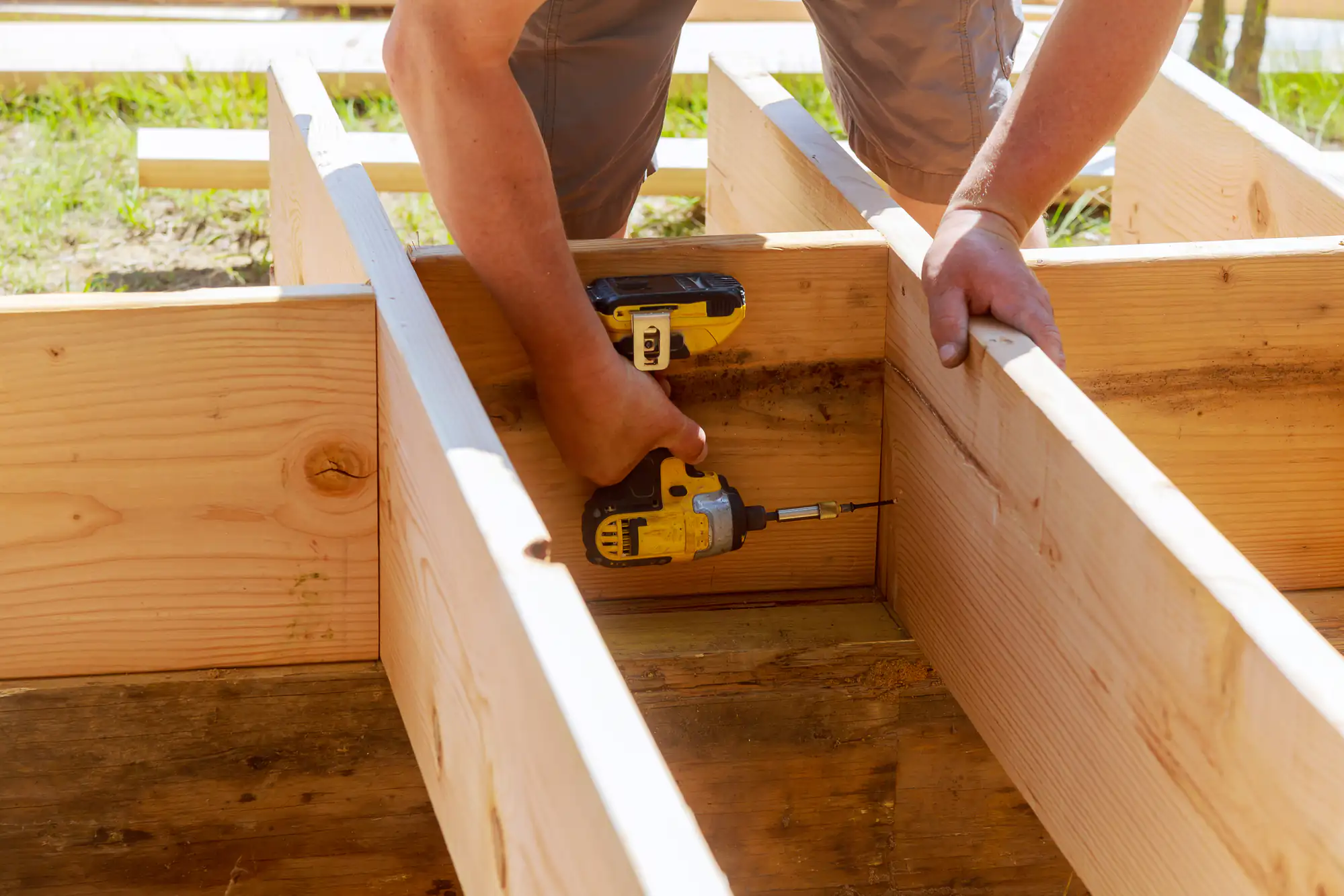
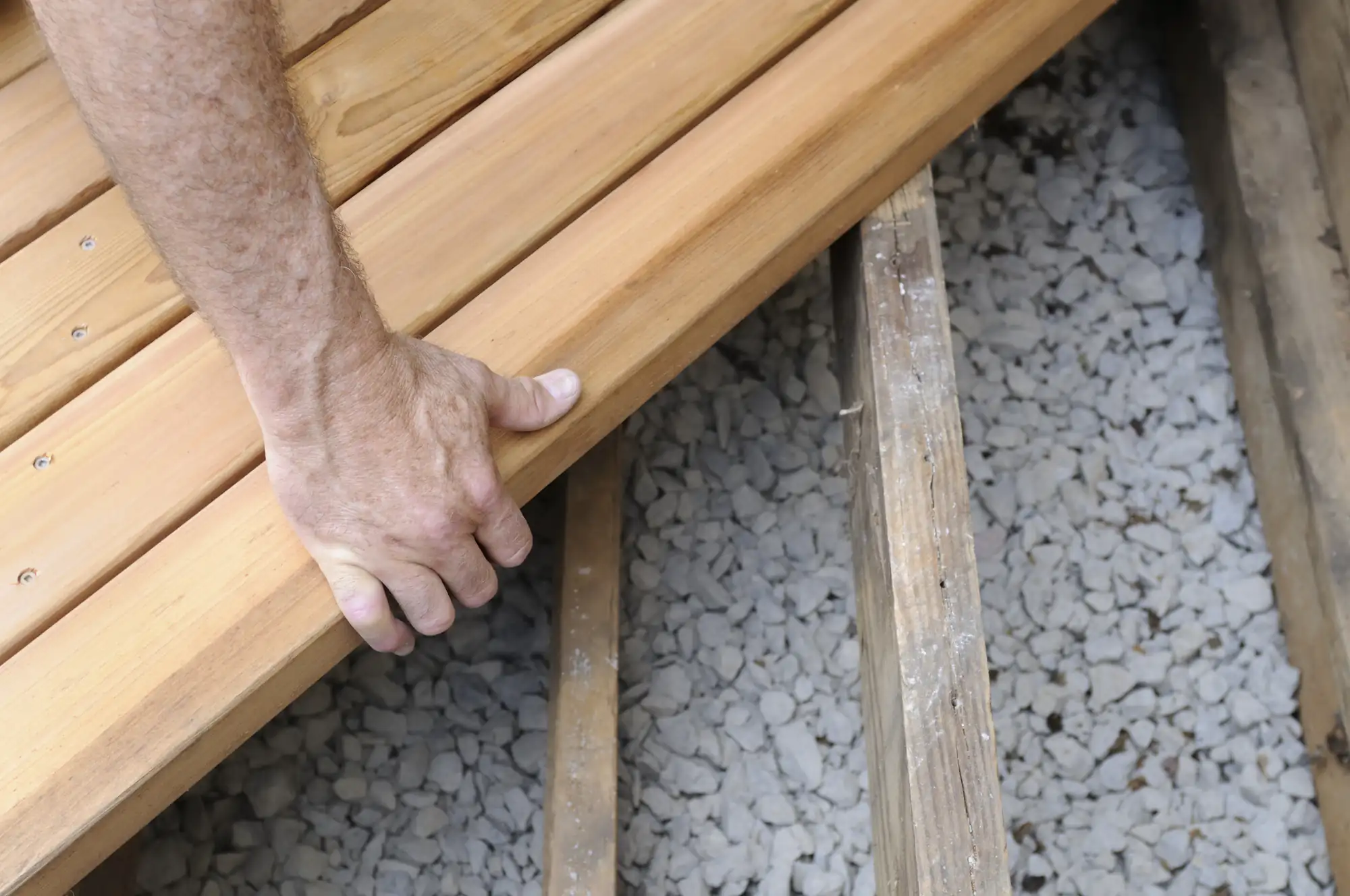
Short Hills isn’t a generic suburb. The homes here whether you’re in Glenwood, Deerfield-Crossroads, or Old Short Hills Estates have real architectural character. A deck that looks like it was pulled from a catalog doesn’t belong on a home that was built with intention. What you want is a structure that feels like it was always part of the property. That’s the difference between a deck that adds value and one that quietly takes it away.
A lot of homes in Short Hills sit on wooded lots, some bordering South Mountain Reservation, where the backyard setting is genuinely worth building toward. The right deck turns that setting into something you actually use a place to unwind after the commute from Penn Station, host family on a Saturday evening, or just sit outside without feeling like you’re in someone else’s yard.
Beyond the aesthetics, there’s the practical side. NJ winters hit Essex County hard. Freeze-thaw cycles, heavy snow loads, and ground movement are real here. A deck built with proper footing depth, exterior-rated hardware, and materials suited to the Northeast climate isn’t a luxury it’s the baseline for anything that’s going to last.
We’re a family-owned general contracting company based in northern New Jersey, serving homeowners across Essex County including Short Hills and Millburn Township. Since 2018, our work has been built around one straightforward idea: show up, do the job right, and stand behind it.
We’re BBB Accredited and a GAF Preferred Contractor credentials that most deck builders in this area simply don’t carry. Every project comes with a full written warranty, not a verbal promise. And because we’re a licensed general contractor, not just a deck-only subcontractor, we bring a broader understanding of how a deck connects to your home’s structure, waterproofing, and exterior systems details that matter on a $2.5 million property in a community like Short Hills.
You get a free consultation, a detailed written quote, and a contractor who communicates clearly throughout by call, text, or on-site update, whatever works for you.
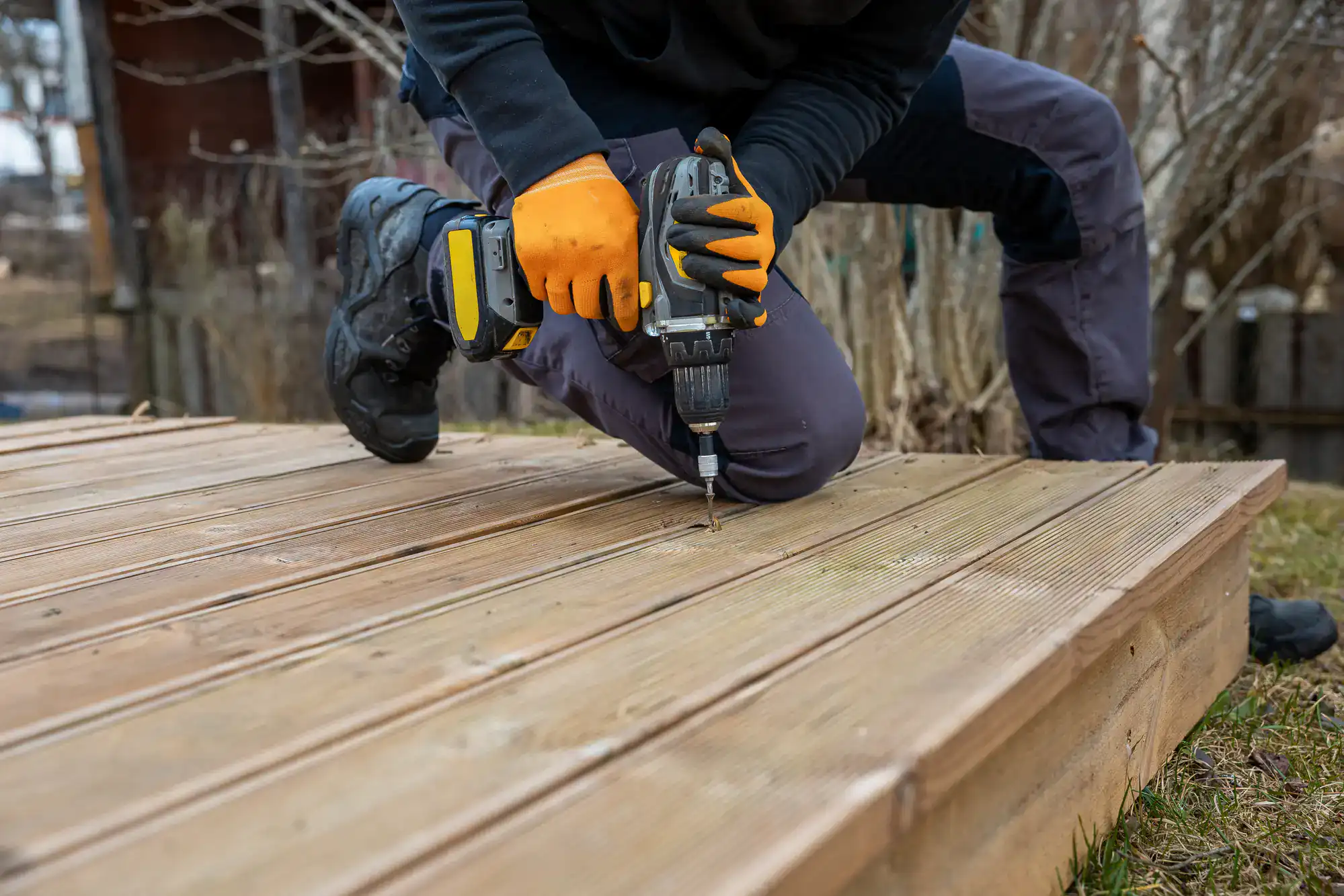
It starts with a free consultation no pressure, no vague ballpark numbers. We walk through your property, listen to what you’re looking for, and give you a detailed written quote that breaks down materials, labor, permit costs, and timeline. You know exactly what you’re paying for before anything moves forward.
From there, we handle the permit process with Millburn Township on your behalf. That’s worth calling out specifically, because Millburn requires two separate approvals before construction can begin a zoning permit from the Township Zoning Official, followed by a building permit from the Building Department. It’s a two-step process that catches a lot of homeowners off guard, especially those working with contractors who skip the zoning step entirely. We manage both, so there are no delays, no fines, and no compliance issues waiting for you at resale.
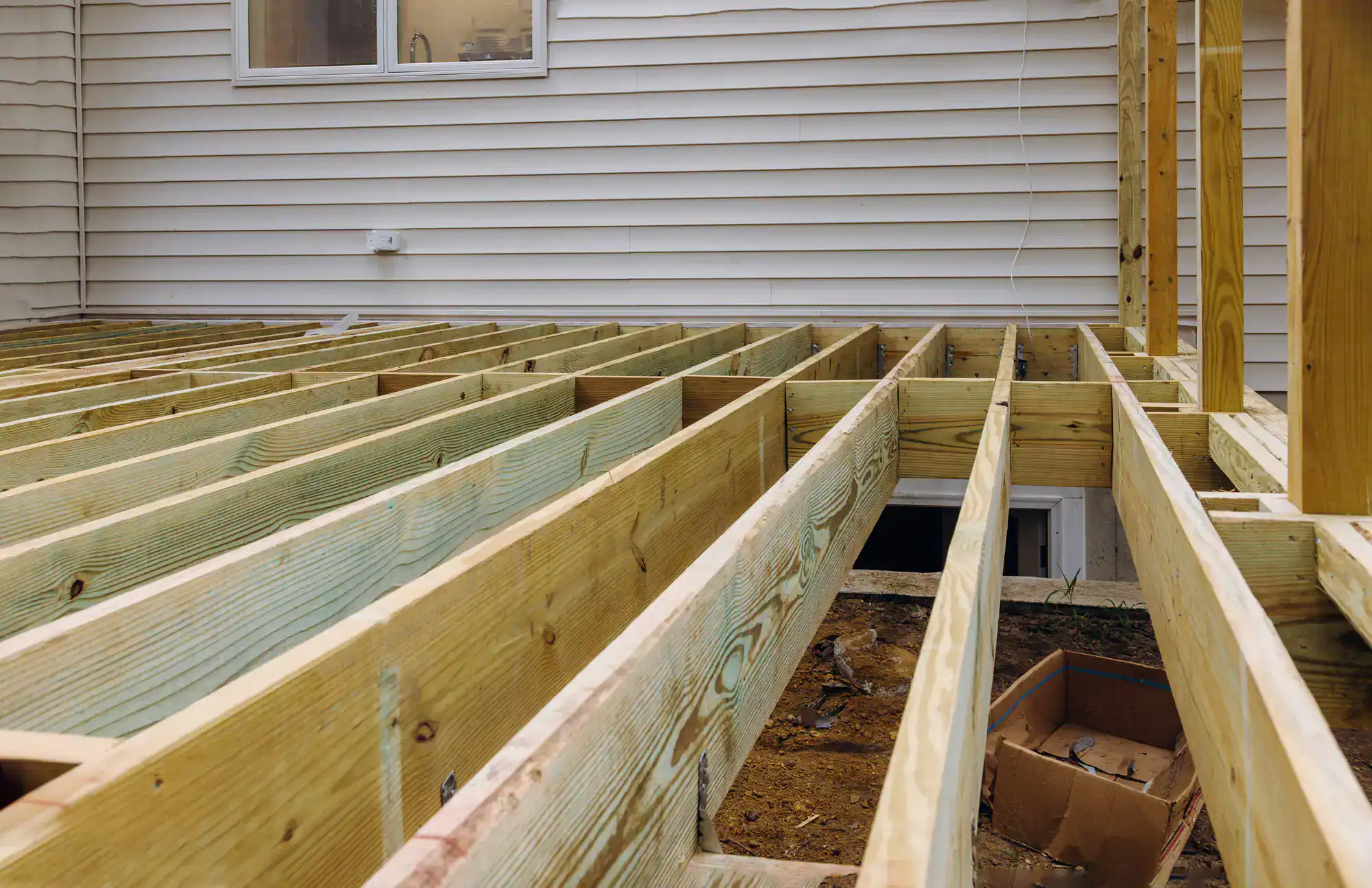
Once approvals are in place, construction begins. Footings are set below Essex County’s frost line approximately 36 inches so the structure doesn’t shift or heave through the freeze-thaw cycles that are routine here every winter. Materials are selected based on your home, your lot, and how you plan to use the space. When the job is done, it gets inspected, it passes, and you get the outdoor space you actually wanted.
Ready to get started?
Request a callback

One of the most common questions Short Hills homeowners ask is whether to go with wood or composite decking. The honest answer is that it depends on your home, your lot, and how much maintenance you’re willing to do. Composite decking from brands like Trex and TimberTech doesn’t warp, splinter, or require annual staining. In a climate like Essex County’s, where summers are humid and winters involve real freeze-thaw stress, composite holds up better over time and keeps its appearance without the upkeep. For a wooded property where moisture and shade are factors, that matters.
Pressure-treated wood is still a strong option for the right project. It costs less upfront, and according to Remodeling Magazine’s 2024 Cost vs. Value Report, a wood deck recoups approximately 83% of its cost at resale slightly higher than composite’s 68%. If you’re weighing the investment against your home’s value in the Short Hills market, we walk you through both scenarios with real numbers, not a sales pitch for whichever option has the better margin.
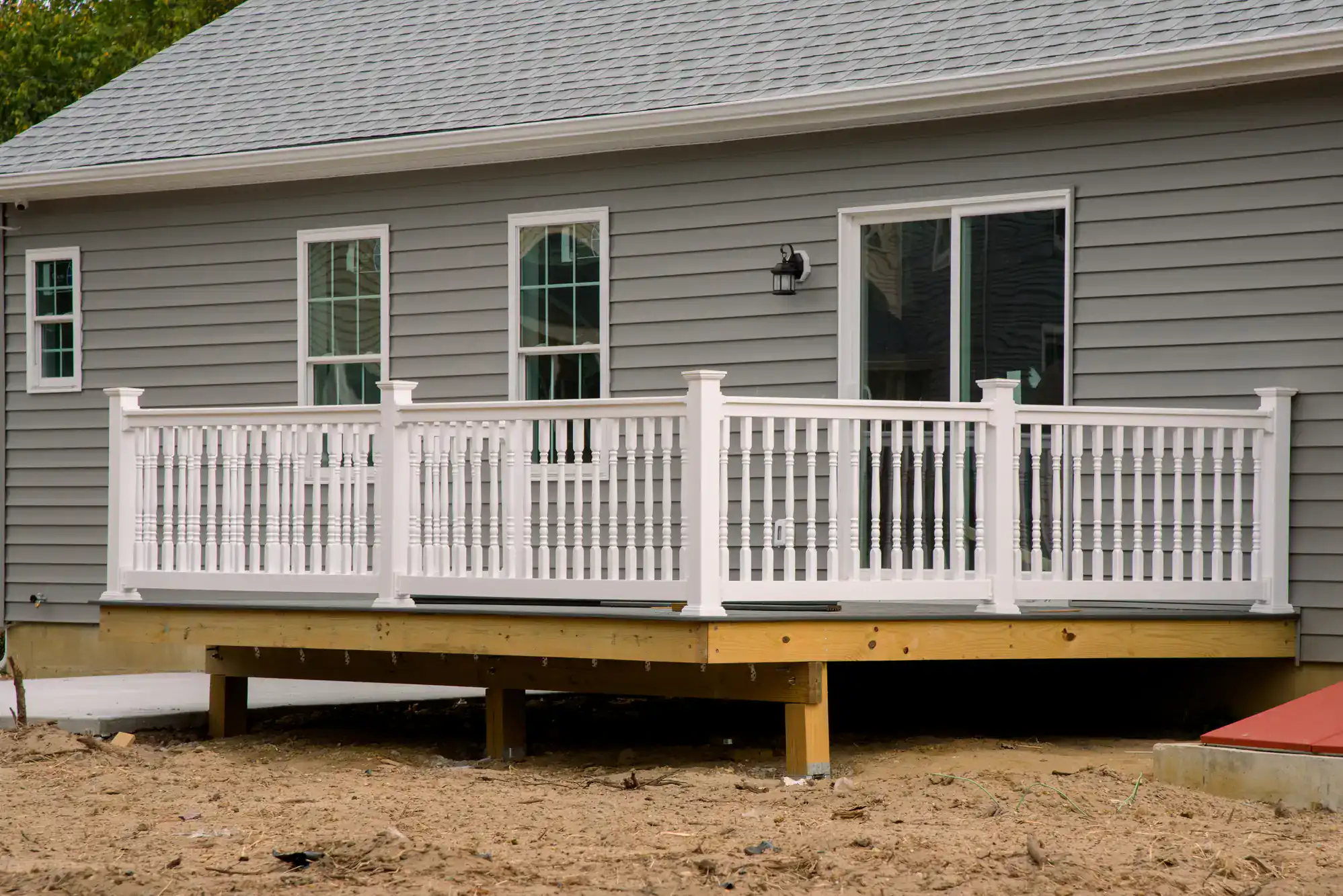
Beyond the decking surface itself, every build we complete includes proper ledger board flashing, exterior-rated hardware throughout, and guardrails on any deck 30 inches or more above grade as required by NJ code. The goal isn’t just a deck that looks good on day one. It’s one that holds up, passes every inspection, and doesn’t create problems when it’s time to sell.
Yes and in Millburn Township, the process involves two separate approvals, not one. Before a building permit is issued, you first need a zoning permit from the Township Zoning Official. That step confirms your deck complies with setback requirements, lot coverage rules, and the Township Zoning Ordinance. Only after zoning approval can a building permit be issued through the Building Department.
This two-step process is confirmed on the Millburn Township official website and applies to all decks and raised patios in Short Hills there’s no square footage threshold below which permits are waived. Skipping the zoning step is one of the most common mistakes homeowners make when working with contractors who aren’t familiar with Millburn’s specific process. It can result in stop-work orders, fines, and forced teardowns. We manage both approvals on your behalf, so the process moves correctly from the start.
Deck costs vary based on size, materials, design complexity, and site conditions but here are real numbers to work from. A standard 12×16 ft pressure-treated wood deck in New Jersey typically runs between $9,000 and $13,000. A composite equivalent in the same footprint runs $15,000 to $20,000. A full custom build with upgraded materials, cable railings, built-in lighting, or multi-level design typically lands between $25,000 and $35,000 or more.
In Short Hills, where homes regularly sell above $2.5 million, a well-built deck represents a proportionate investment not a large one relative to the property. What matters more than finding the lowest number is understanding exactly what you’re getting for the price. We provide a detailed written quote that itemizes everything materials, labor, permit fees, and timeline so there are no surprises in the final bill. That transparency is the baseline, not a selling point.
The physical construction of most residential decks takes anywhere from three to seven days, depending on size and complexity. The longer part of the timeline is usually the permitting process and in Millburn Township, that means accounting for both the zoning approval and the building permit before any work can begin. Depending on submission timing and the Township’s current review queue, that process can add two to four weeks to the overall schedule.
The practical takeaway: if you want your deck ready for summer, spring is the right time to start the conversation not the right time to break ground. We recommend reaching out in late winter or early spring so the permit process can run its course and construction can begin as early in the season as possible. Homeowners who wait until May or June often find themselves behind the curve, especially as contractors book up quickly once the weather turns.
The core difference comes down to maintenance and long-term performance in NJ’s specific climate. Pressure-treated wood is less expensive upfront and recoupes well at resale around 83% of its cost according to the 2024 Cost vs. Value Report but it requires annual or biannual staining, sealing, and inspection to hold up through New Jersey’s humidity, UV exposure, and freeze-thaw cycles. Left unmaintained, wood decks in Essex County can show warping, cracking, and rot within a few years.
Composite decking costs more upfront but eliminates most of that maintenance. It doesn’t absorb moisture, doesn’t splinter, and holds its appearance without staining or sealing. For a wooded Short Hills property especially one with shade, moisture, and proximity to South Mountain Reservation composite tends to perform better over time. We walk you through both options with honest cost comparisons so you can make the call that fits your home and how you plan to use the space.
Yes, and the numbers are meaningful. According to Remodeling Magazine’s 2024 Cost vs. Value Report, wood deck additions recoup approximately 83% of their cost at resale, and composite decks recoup around 68%. On a $30,000 deck, that’s $19,500 to $24,900 in added resale value before accounting for the lifestyle value of a functional outdoor space during the years you’re living there.
In Short Hills specifically, where buyers are sophisticated, home values are among the highest in New Jersey, and outdoor living spaces are expected to match the quality of the interior, a well-built deck is a legitimate selling point. An unpermitted deck, on the other hand, can become a liability at closing buyers’ attorneys and inspectors flag it, and you may be required to bring it into compliance or discount the sale price. A properly permitted, code-compliant deck from a licensed contractor protects your investment on both ends.
New Jersey requires all home improvement contractors to be registered with the NJ Division of Consumer Affairs as a Home Improvement Contractor commonly called an HIC registration. This is a state-level requirement, and Millburn Township’s Building Department will require it before issuing a permit. Any contractor who can’t provide their NJ HIC registration number upfront is a red flag, regardless of how many photos they show you or how low their quote is.
Beyond state registration, it’s worth asking whether the contractor carries general liability insurance and workers’ compensation coverage. In Short Hills, where homes are high-value and projects involve structural attachment to the building, an uninsured contractor working on your property creates real financial exposure. We’re fully licensed, insured, and BBB Accredited and can provide documentation before you sign anything. A written contract is also legally required in New Jersey for any home improvement job over $500, so if a contractor is offering a handshake deal, that’s your answer right there.
Other Services we provide in Short Hills