
Short Hills is one of the most wooded communities in Essex County, and that’s part of what makes it beautiful but it’s also what makes exterior maintenance harder than most homeowners expect. Mature tree canopy means less sun exposure, slower drying, and persistent moisture on siding surfaces. North-facing and shaded elevations are especially vulnerable to algae, mildew, and the kind of slow material breakdown that doesn’t look like a problem until it already is one.
Add in Essex County’s 25 to 30 freeze-thaw cycles every winter, and you’ve got a real compounding issue. Every cycle puts stress on seams, joints, and the areas around windows and doors. Over time, that stress becomes visible warped panels, gaps at corners, water getting behind the surface and into the sheathing. On a home built before 1960, which describes a significant portion of Short Hills’ housing stock, those issues are often already in progress.
New siding, installed correctly with proper moisture barriers and the right material for your home’s age and exposure, stops that cycle. It also changes what your home looks like to buyers, appraisers, and neighbors. In a real estate market rated 85 out of 100 for competitiveness, exterior condition isn’t cosmetic it’s financial. Siding replacement returns an average of 80 to 95 cents on every dollar at resale. For a home in the 07078 zip code, that math is worth taking seriously.
We’re a family-owned general contracting company founded in 2018 and based in northern New Jersey. We serve homeowners across Essex County, including Short Hills, with siding installation, repair, and replacement backed by a full warranty on both materials and workmanship not just one or the other.
We’re BBB accredited, hold GAF Preferred Contractor status, and carry NJ Home Improvement Contractor Business license number 13VH09838700 all of which you can verify yourself in under two minutes. That matters in a community like Short Hills where homeowners are thorough, informed, and appropriately cautious about who they hand a project to. We don’t take that lightly.
What you’ll notice working with us is that communication doesn’t drop off after the estimate. We keep you informed through calls, texts, or on-site updates whatever fits your schedule. From Old Short Hills to the Hartshorn neighborhood, we’ve worked on homes across this community and we understand what the housing stock here actually demands.
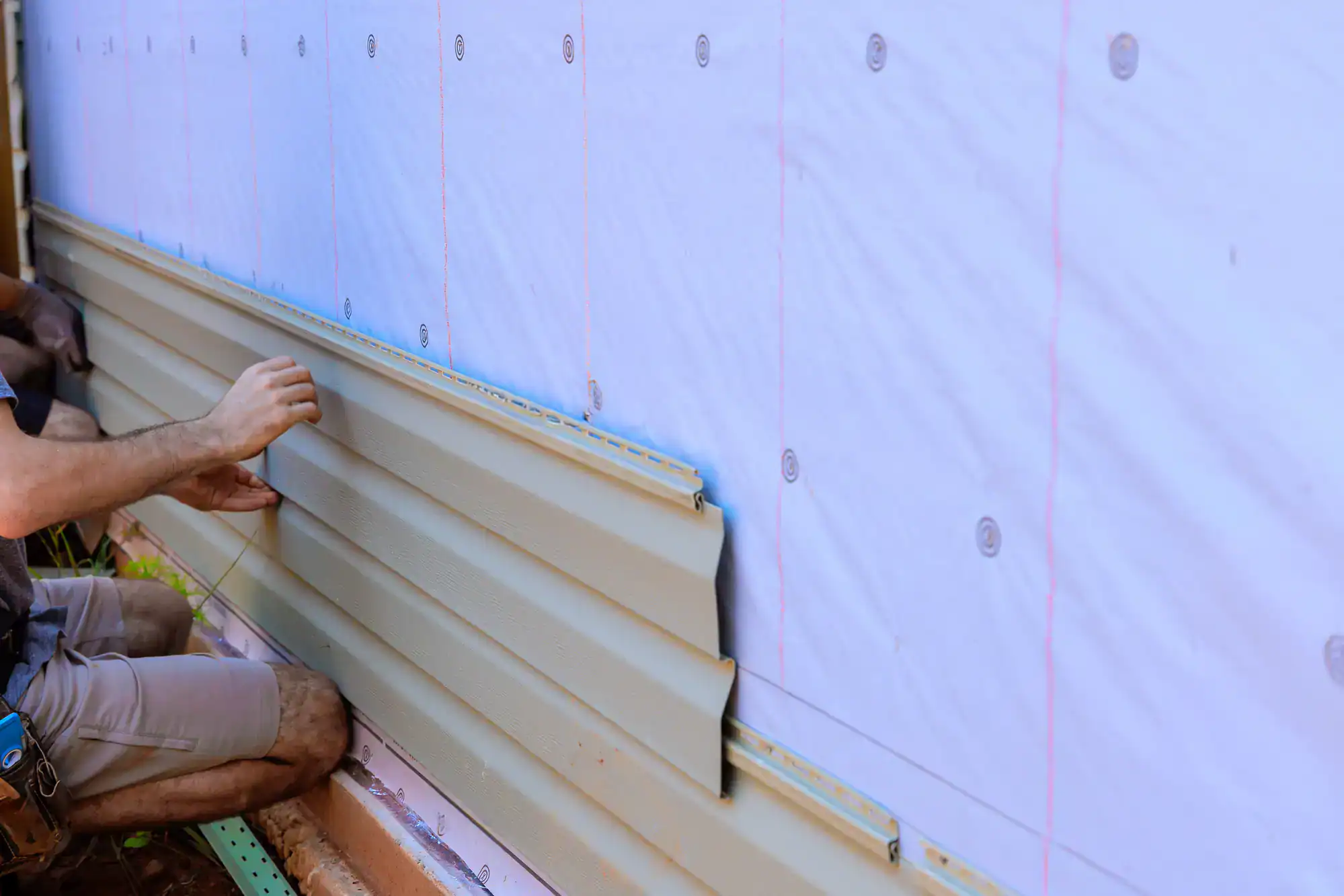
It starts with a free consultation. We come out, look at the full exterior, and give you an honest read on what’s actually going on not just a surface-level quote. On older homes, which make up a large share of Short Hills’ housing inventory, that means checking the substrate, moisture barrier, and sheathing condition before anything else. If there’s hidden damage underneath, you need to know before new siding goes over it.
From there, we handle the permit process. Millburn Township requires zoning approval for all exterior improvements before a building permit is issued and for homes in or near the historic district, there are additional review requirements that affect material selection. We know this process, we handle it correctly, and we make sure your project is fully compliant before work begins. That protects you at inspection and at resale.
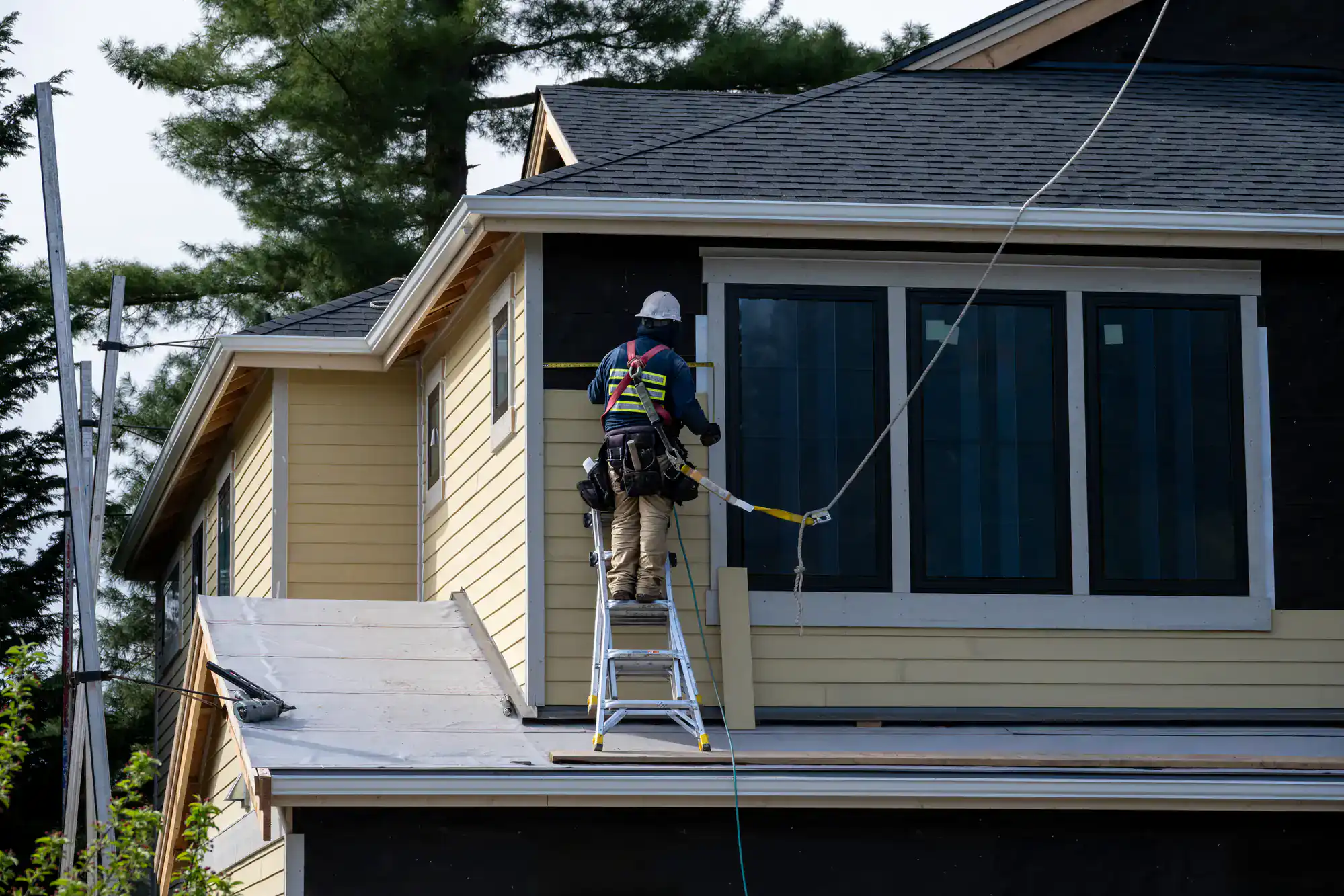
Once permits are in place, installation is scheduled around your timeline and the season. Siding work in Short Hills is best done in spring or fall when temperatures allow materials to acclimate properly vinyl, in particular, becomes brittle below 40 degrees and needs the right conditions to install without risk of cracking. We’ll be upfront about timing and what to expect at every stage, so there’s nothing you’re finding out after the fact.
Ready to get started?
Request a callback

Not every siding material is right for every home, and in Short Hills, that distinction matters more than most places. The architectural character here Tudors, fieldstone Colonials, custom modern builds requires material choices that hold up visually and structurally. Millburn Township has even gone on record restricting certain materials in specific applications, requiring wood or better composite alternatives. That’s not unusual for a community that takes its housing standards seriously.
We install vinyl siding, fiber cement, engineered wood, and composite options depending on what the home calls for. Fiber cement is increasingly the right call for older Short Hills homes it handles moisture exposure well, holds paint longer, and doesn’t warp or crack through freeze-thaw cycles the way lower-grade materials do. It also returns 87.4% of project cost at resale, which is a number that resonates when your home’s value is already well above the state average.
Beyond material selection, every project includes a full substrate inspection, proper moisture barrier installation, and workmanship covered under warranty. We also handle siding repair and storm damage assessment for homeowners dealing with wind-driven rain damage after nor’easters or summer storms common in Essex County and a situation where fast, professional response makes a real difference in preventing deeper structural issues.
Yes and this is one of the more important things to get right before any work starts. Millburn Township, which governs Short Hills, requires zoning approval for all exterior building improvements before a building permit is issued. That applies to siding replacement, not just new construction or additions. Skipping this step doesn’t just create a code violation it can create real problems when you go to sell the home, since unpermitted exterior work shows up during buyer inspections and title searches.
If your home is located in or adjacent to Short Hills’ historic district, there’s an additional layer of review. The township actively evaluates exterior material choices in those areas, and there are documented cases where specific materials including certain composite products were restricted in favor of wood or higher-grade alternatives. We handle the full permit process for every project, including zoning submissions and any required historic review, so you’re not navigating that on your own.
The honest answer is that it depends on what’s happening underneath, not just what you can see from the street. Visible issues like cracking, fading, or a few warped panels don’t always mean you need a full replacement but they can be signs of deeper problems that do. The real question is whether the substrate, moisture barrier, and sheathing beneath the siding are still intact. If water has been getting behind the panels, the damage may already extend beyond what new panels alone can fix.
For Short Hills homes built before 1960 which is a significant portion of the local housing stock the risk of hidden substrate damage is higher. Original wood sheathing, older moisture barriers, and decades of freeze-thaw cycling create conditions where surface-level repairs sometimes mask problems that will resurface within a few years. A proper inspection before any decision is made is the only way to know for certain. Our free consultation includes that assessment, so you’re not guessing.
For most pre-1960s homes in Short Hills, fiber cement is the strongest choice. It handles moisture exposure well which matters given the heavy tree canopy and shade conditions on many lots in this area and it doesn’t warp, crack, or deteriorate through freeze-thaw cycling the way lower-grade vinyl can over time. It also holds paint significantly longer than wood, which reduces long-term maintenance costs on a home that may already have a demanding upkeep list.
Engineered wood is another option worth considering for homes where the original aesthetic is a priority. It offers a more traditional appearance while still outperforming natural wood in moisture resistance and dimensional stability. Premium vinyl remains a solid choice for certain applications, particularly on homes where budget is a factor and the exposure conditions are more moderate. The right answer depends on your home’s specific architecture, age, orientation, and how it sits on the lot all things we assess during the initial consultation before making any recommendation.
For most residential siding replacement projects in Short Hills, the installation itself takes anywhere from two to five days depending on the size of the home, the material being installed, and whether any substrate repairs are needed once the old siding comes off. Larger homes on the estate-sized lots common in neighborhoods like Hartshorn or Old Short Hills may run longer, particularly if multiple elevations have different conditions or if the project involves trim, soffit, and fascia work alongside the siding.
The part that adds time and that homeowners sometimes don’t account for is the permit process. Millburn Township’s zoning approval requirement means there’s a review period before work can begin. That timeline varies depending on the scope of the project and whether historic district review applies. We manage that process from the start, so you’re not waiting on paperwork mid-project. We’ll give you a realistic overall timeline at the consultation, including permit lead time, so you can plan accordingly.
The first thing to do is document everything before any cleanup or temporary repairs happen. Photographs of the damage from multiple angles, including close-ups of affected panels and any areas where the moisture barrier or sheathing is exposed are critical if you’re filing an insurance claim. Essex County nor’easters and summer thunderstorms can cause significant wind-driven damage, and insurance adjusters need clear documentation of the pre-repair condition to process claims accurately.
After documentation, the priority is getting the exposed areas secured as quickly as possible. Wind-driven rain getting behind siding panels and into the sheathing is how a siding problem becomes a structural problem and in a home with older construction, that escalation can happen faster than most people expect. We offer emergency siding services for exactly this situation: rapid assessment, temporary protection where needed, and a clear scope of repair before any permanent work begins. If you’re dealing with storm damage in Short Hills, don’t wait on it.
Our warranty covers both materials and workmanship and that distinction is more important than it might seem. Most manufacturer warranties cover product defects, but the most common siding failures aren’t product defects. They’re installation errors: improper nailing that doesn’t account for thermal expansion, gaps at seams and corners, inadequate moisture barriers, or panels installed over hidden damage that was never addressed. A material-only warranty doesn’t cover any of that.
Our workmanship warranty means that if something goes wrong with how the siding was installed not just what it’s made of we come back and fix it. For Short Hills homeowners investing in a siding project on a home worth well above the state average, that coverage is the difference between a contractor who stands behind their work and one who disappears after the final invoice. We’ll walk you through exactly what’s covered, for how long, and what the process looks like if you ever need to use it before you sign anything.
Other Services we provide in Short Hills