Summary:
What Causes Chimney Damage in New Jersey
Chimneys take a beating. They sit above your roofline, fully exposed to everything the weather throws at them. And if you’ve lived in Essex County or Morris County for more than a season, you already know what that means.
NJ’s climate isn’t kind to masonry. Cold winters, heavy rain, snow, fluctuating temperatures, and strong winds create constant stress on brick and mortar. Over time, even well-built chimneys start to show wear if they’re not maintained. Water is the biggest culprit. It seeps into tiny cracks in the brick and mortar, then winter hits. That moisture freezes, expands, and suddenly those tiny cracks aren’t so small anymore. This freeze-thaw cycle repeats itself every year, slowly breaking down the structure from the inside out.
Age plays a role too. As chimneys get older, mortar joints weaken, allowing more water to seep in and accelerate the degradation process. Add in poor construction or design flaws from decades past, and you’ve got a recipe for structural problems that manifest as visible chimney damage.
How Freeze-Thaw Cycles Damage Brick Chimneys
If you’re not familiar with how freeze-thaw damage works, here’s the short version: water gets into the porous surface of your chimney’s bricks and mortar. When temperatures drop below freezing—which happens constantly in Essex and Morris County from December through March—that water turns to ice and expands. Ice takes up more space than water, which creates internal pressure inside the brick.
When it warms up, the ice melts. Then it freezes again. Then it melts. This cycle happens dozens of times each winter in New Jersey, and each time it happens, the cracks get a little bigger. Eventually, the brick surface starts to flake, peel, or pop off entirely—a condition called spalling.
Mortar is usually the first to show problems because it’s weaker than the bricks themselves. You’ll notice gaps where mortar used to be, or sections that crumble when you touch them. Once the mortar fails, water has an even easier path into the chimney structure, speeding up every other form of damage.
The worst part? This process often starts where you can’t see it—inside the chimney or in areas hidden by the roofline. By the time you notice visible damage on the exterior, the problem has usually been developing for a while. That’s why catching it early matters so much. A simple tuckpointing job to replace deteriorating mortar can prevent the need for extensive brick replacement or even a partial chimney rebuild down the road.
People assume chimneys are built to last forever, and in a way, they are—but only if they’re maintained. Left alone in New Jersey’s climate, even the best masonry will eventually break down. The homes in towns like Montclair, West Orange, Morristown, and Chatham weren’t built yesterday. Many of these chimneys have been standing for 50, 75, even 100 years. That’s impressive, but it also means they’ve been through thousands of freeze-thaw cycles. Without regular maintenance and repair, that wear starts to show.
Why Water Damage Is the Number One Threat to Your Chimney
Water doesn’t just cause freeze-thaw damage. It’s involved in almost every type of chimney deterioration you’ll encounter. Rain and snow love unprotected chimneys. If your chimney cap is missing, the crown is cracked, or the flashing isn’t sealed properly, water gets inside. And once it’s in there, it doesn’t leave quietly.
Water that enters through the top of the chimney can soak into the flue liner, firebox, damper, and surrounding masonry. This leads to rust on metal components, mold growth, staining on interior walls and ceilings, and rot in wooden framing near the chimney. Moisture also creates the perfect environment for efflorescence—that white, chalky residue you sometimes see on brick. While it might look harmless, efflorescence is a warning sign that water is moving through the masonry, which means the structure is being compromised.
Leaks typically occur where the chimney meets the roof, often due to damaged flashing or failed sealants. Flashing is the metal strip that seals the gap between your chimney and roofline, and it’s one of the most common failure points. When flashing deteriorates, water seeps into the space between the chimney and roof deck, causing damage to areas you can’t even see—like the attic, insulation, and ceiling below.
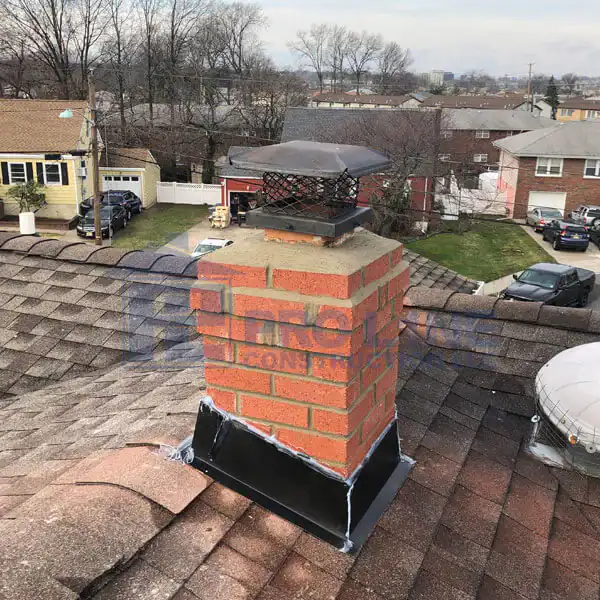
A cracked chimney crown is another major entry point for water. The crown is the concrete or mortar cap at the very top of your chimney, and its job is to direct water away from the flue opening and masonry. When the crown develops cracks, water pours directly into the chimney structure instead of running off the sides. This accelerates every other type of damage and can lead to serious structural issues if not addressed.
The thing about water damage is that it starts small. A small leak, left unaddressed for just one season, can lead to problems that cost thousands to fix. In fact, chimney leak repair in NJ typically runs between $500 and $1,500 depending on the source, but if you wait until the damage spreads to your roof, attic, or interior walls, you’re looking at a much bigger bill. That’s why inspections matter. We can spot early signs of moisture intrusion—like rust, staining, or minor cracks—before they turn into major headaches.
Warning Signs Your Chimney Needs Repair
So how do you know if your chimney actually needs repair, or if you’re just being paranoid? There are specific warning signs that indicate damage is present or developing. Some are obvious. Others require a closer look.
The good news is that most chimney problems give you plenty of warning before they become dangerous or expensive. Cracks, leaks, strange smells, visible deterioration—these are your chimney’s way of telling you it needs attention. The earlier you catch these signs, the easier and more affordable the repair will be. In fact, a $200 repair today can prevent a $2,000 repair tomorrow if moisture damage spreads or structural issues worsen.
Let’s walk through the most common red flags homeowners in Essex County, NJ and Morris County, NJ should watch for.
Cracks in Bricks, Spalling, and Crumbling Mortar Joints
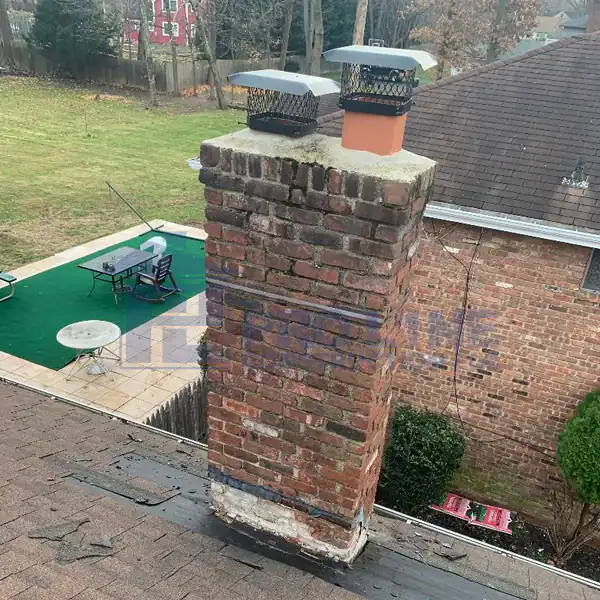
Take a look at the outside of your chimney. Do you see any cracks in the bricks? Sections where the brick surface is flaking or peeling away? Gaps in the mortar joints between bricks? These are some of the most common and visible signs that your chimney needs repair.
Cracks in the masonry might seem cosmetic at first, but they signal deeper structural issues. Even small cracks allow water to penetrate the brick, and as we’ve covered, water leads to freeze-thaw damage, spalling, and accelerated deterioration. Spalling is when the brick surface flakes, chips, or pops off due to moisture trapped inside. It usually shows up in areas exposed to direct pounding by rain, snow, and wind. If you’re finding pieces of brick on the ground near your chimney, that’s spalling in action.
Crumbling mortar is another red flag. Mortar joints are what hold the bricks together and keep the chimney structurally sound. When mortar deteriorates, it creates gaps that let in more moisture, which speeds up every other form of chimney damage. You might notice mortar dust or small chunks falling from the chimney, or you might see visible gaps where mortar used to be.
Damaged mortar joints should be repaired quickly. When the mortar fails, the masonry is exposed to more moisture, which accelerates deterioration of the entire chimney. In freezing weather, added moisture can freeze inside cracks in the masonry, and when moisture thaws and freezes repeatedly in bricks and cement, larger cracks develop. The entire chimney could collapse if the damaged mortar isn’t repaired.
Inside the chimney, damage to the flue liner is even more serious. If you find pieces of tile or debris in your firebox, it could mean your liner is breaking down. A compromised flue can let heat, smoke, and gases like carbon monoxide seep into your home, making it one of the most important issues to catch and repair early. The flue liner plays a critical role in protecting your home from intense heat and harmful gases, and when it starts to crack or break apart, those protections are compromised.
Don’t ignore visible damage, even if it seems minor. What looks like a small cosmetic issue on the surface often indicates a bigger problem underneath. A professional chimney inspection can determine the extent of the damage and recommend the right repair approach—whether that’s tuckpointing, brick replacement, or something more extensive. Brick chimney repair typically costs less when caught early, before water damage spreads to other components or requires a full rebuild.
Water Stains, Rust, Leaks, and Moisture in Your Fireplace
If you notice water stains, a musty smell, or actual puddling in your firebox, it’s a sure sign something’s not right. Water should never be inside your fireplace—period. This kind of moisture often points to an issue at the top of the chimney, like a missing or damaged cap, a cracked crown, or compromised masonry.
Rust is another telltale sign of moisture problems. Spotting rust on your damper, firebox, or other metal parts is never a good sign. Rust means moisture has made its way in, and where there’s rust, there’s usually more damage hiding out of sight. Moisture inside the chimney can corrode critical components, making them less effective or even unsafe. For example, a rusted damper may no longer close properly, allowing cold air and moisture to sneak in when you’re not using your fireplace.
Water damage often affects more than just the chimney. Left unchecked, it can lead to mold growth, rusted components, and crumbling brickwork. In severe cases, moisture can spread into your walls and ceiling, causing rot in wooden framing and creating mold and mildew problems in your attic and interior walls. A leaking chimney can cause enough damage to crumble if left alone long enough.
White, chalky residue on your chimney’s exterior is called efflorescence, and it’s more than just a cosmetic issue. It happens when water soaks into the masonry and then evaporates, leaving behind mineral deposits. While it might look harmless, it’s a warning sign that moisture is getting into the brick. Over time, that can weaken the structure and lead to spalling and other forms of deterioration.
If smoke starts drifting into your living room instead of up the chimney, something’s definitely wrong. This is a clear sign that your chimney isn’t drafting properly. The cause could be as simple as a blockage, like debris or an animal nest, or as serious as a damaged flue or structural issue. Either way, it’s not just a nuisance. Poor drafting can allow gases like carbon monoxide to enter your home, putting your family at risk.
Catching water damage early can help you avoid structural repairs and keep your system safe and dry. The key is not waiting until you see major staining or pooling water. If you notice any signs of moisture—rust, efflorescence, damp smells, or minor staining—get it checked out. We can assess the extent of the damage, repair it, and waterproof your chimney to prevent future issues. Our chimney repair services include waterproofing and proper flashing installation to extend your chimney’s lifespan and protect your home from costly interior damage.
When to Call a Professional Chimney Repair Company
Some chimney issues you can monitor. Others require immediate professional attention. Knowing the difference can save you money, protect your home, and keep your family safe.
If you’re seeing visible cracks, water stains, crumbling mortar, or pieces of brick falling off, it’s time to make the call. These aren’t problems that fix themselves, and waiting only makes them worse and more expensive. A professional chimney inspection can identify the root cause, assess the full extent of the damage, and recommend the right repair approach before the problem spreads.
New Jersey law actually requires annual chimney inspections by qualified professionals, and for good reason. Even if everything looks fine from the outside, issues can be developing inside the flue or in areas you can’t see from the ground. Early detection of chimney damage saves thousands in future repair costs and gives you peace of mind that your system is safe to use. Whether you’re dealing with minor fireplace repair needs, brick chimney repair, or more extensive masonry work, we have the expertise to handle it—from tuckpointing and brick replacement to full chimney rebuilds and everything in between.