Summary:
The storm passed hours ago, but water’s still dripping through your ceiling. Or you’ve spotted shingles in the yard and you’re not sure how bad the damage actually is. Maybe it’s the middle of winter and ice has built up along your roof edge in a way that just doesn’t look right.
Whatever brought you here, you’re probably dealing with some version of the same question: what do I do right now, and who can I trust to fix this without making things worse?
Storm damage roof repair isn’t something most people think about until they need it immediately. When you’re in that moment, you need clear information and a plan that actually works. Let’s start with what happens in the first few hours after a storm—because that’s when the decisions you make matter most.
What to Do Immediately After Storm Damage
The first hour after you notice storm damage sets the tone for everything that follows. Your roof’s job is to shed water, not hold it. When that system gets compromised, time matters.
Start by staying off the roof. Damaged surfaces are unstable, and climbing up there yourself adds risk without giving you much useful information. Instead, grab your phone and document what you can see from the ground. Take photos of missing shingles, debris in the yard, water stains on ceilings, or anything else that shows what the storm did. These images become part of your insurance documentation, and having them taken right after the event matters more than most people realize.
If water’s actively coming into your home, contain it as best you can. Move furniture away from wet areas, put down buckets, and use towels to protect belongings. This isn’t about fixing the roof—it’s about limiting how much damage happens while you’re waiting for professional help. Then make the call to a local roofing contractor who offers emergency services. The sooner someone can assess the damage and provide temporary protection, the less you’ll be dealing with later.
Emergency Roofing Services: What They Actually Include
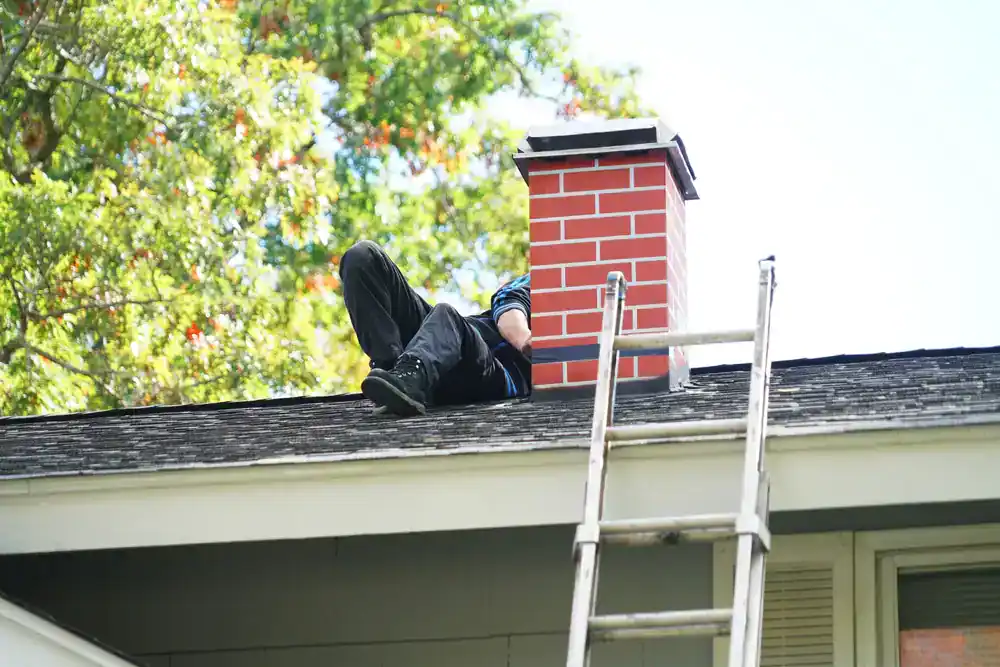
When you call for emergency roofing in Essex County, you’re not getting a full roof replacement at two in the morning. What you’re getting is immediate protection that stops the situation from getting worse while a permanent repair plan gets put together.
Emergency tarping is usually the first step. We secure heavy-duty tarps over the damaged section of your roof, creating a temporary weathertight barrier. This isn’t a repair—it’s a stopgap that keeps rain, snow, and debris out of your home until conditions allow for proper work. Tarping typically costs between $200 and $500 depending on the size of the area, and it buys you time to assess the full scope of damage, work with your insurance company, and schedule repairs without water pouring into your house every time it rains.
Emergency response also includes a thorough damage assessment. We inspect the entire roof, not just the obvious problem spots. Wind doesn’t damage roofs uniformly. One side might be heavily impacted while the other looks fine, and that’s completely normal based on wind direction and exposure. What matters is identifying all the damage—including the stuff you can’t see from the ground—so nothing gets missed when it’s time to file an insurance claim or plan repairs.
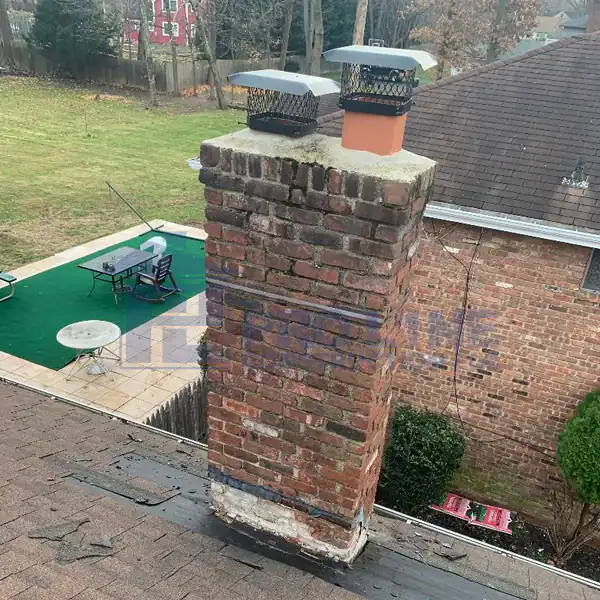
Some damage isn’t visible at all without getting up on the roof. Shingles can be lifted without tearing away completely, breaking the sealant bond that keeps water out. Flashing around chimneys, vents, and roof transitions can be compromised without obvious signs. Underlayment can be exposed in ways that won’t show up until the next heavy rain. A professional inspection catches these issues before they turn into bigger problems, and the documentation from that inspection becomes critical when you’re working with your insurance company.
The other piece of emergency roofing is communication. You need to know what’s happening, what it’s going to cost, and what the timeline looks like. We explain the damage in plain terms, walk you through your options, and give you realistic expectations about what comes next. That clarity matters when you’re making decisions under pressure.
How to Fix Ice Dams on Roof Before They Cause Leaks
Ice dams are a different kind of storm damage, but they’re just as urgent when they start causing problems. If you’re seeing thick ice buildup along your roof edge, large icicles hanging from gutters, or water stains appearing on your ceilings during winter, you’re likely dealing with an ice dam situation.
An ice dam forms when heat escapes from your attic and warms the upper sections of your roof. Snow melts, runs down toward the colder eaves, and refreezes into a ridge of solid ice. As more snow melts, water backs up behind that ice dam and eventually works its way under your shingles. Roofs are designed to shed water by gravity, not to hold standing pools of it. When water gets trapped, it finds its way through shingle laps, into the underlayment, onto the roof deck, and eventually into your attic and living spaces below.
The damage ice dams cause isn’t always immediate. Water can travel along beams and through insulation before showing up as ceiling stains or drips, sometimes days after the dam formed. By the time you notice interior damage, the problem has usually been developing for a while. That’s why catching ice dams early matters.
If you spot an ice dam forming, don’t grab a hammer or ice pick and start chipping away. Breaking ice off manually damages shingles and can void warranties. The safer approach is removing snow from the roof using a long-handled roof rake while standing on the ground. Removing the snow eliminates the source of meltwater, which stops feeding the dam. For ice that’s already built up, steam removal is the only method recognized as warranty-safe by major manufacturers like GAF, CertainTeed, and Owens Corning. Professional ice dam removal typically runs between $400 and $1,500 depending on severity, and it’s significantly cheaper than repairing the interior water damage that happens when dams are left untreated.
The long-term fix for ice dams isn’t about removing ice—it’s about addressing why your roof temperature isn’t uniform in the first place. Ice dams form because heat is escaping into your attic through inadequate insulation, air leaks around fixtures and vents, or poor attic ventilation. Fixing those underlying issues prevents ice dams from forming in future winters. But when you’re dealing with an active ice dam and water is already getting into your house, the immediate priority is stopping the intrusion and protecting your home. The prevention work comes after the crisis is handled.
Want live answers?
Connect with a Proline Construction expert for fast, friendly support.
Wind Damage on Roof: What Insurance Covers and What It Doesn't
Wind is the most common cause of storm damage roof repair in New Jersey. Nor’easters regularly deliver sustained winds of 40 to 60 mph with gusts exceeding 70 mph, and even winds in the 25 to 50 mph range can lift shingles on roofs that are aging or already compromised. When wind strips away roofing material, the question becomes: what does your insurance actually cover, and what are you responsible for?
Standard homeowners insurance in New Jersey typically covers sudden roof damage from wind, hail, falling trees, and other storm-related events. The key word is “sudden.” If a nor’easter tears shingles off your roof, that’s a covered loss. If your 25-year-old roof is gradually deteriorating and finally fails during a storm, coverage gets complicated. Insurance companies draw a line between storm damage and normal wear, and that distinction determines whether your claim gets approved or denied.
Before you file a claim, understand what you’re working with. Most policies require you to report damage within 30 to 60 days of the storm, and filing promptly produces better outcomes than waiting months. Evidence degrades, weather conditions change, and late claims raise questions. The other thing to know is whether your policy provides Actual Cash Value or Replacement Cost Value coverage. ACV policies pay the depreciated value of your roof, which can leave you covering a significant portion of replacement costs out of pocket. RCV policies pay the full cost to replace your roof with similar materials regardless of age. Many New Jersey homeowners carry ACV policies without realizing it until they file a claim.
Insurance Claims Process: Getting Documentation Right
The insurance claims process starts before you call your insurer. That might sound backward, but the sequence matters more than most people realize. Calling your insurance company first means the adjuster arrives before you have any independent record of what the storm actually did. At that point, their assessment becomes the baseline, and disputing it after the fact is significantly harder than presenting a contractor’s written report from the start.
Get your documentation in order first. Take detailed photos of all visible damage—shingles on the ground, granule accumulation in gutters, dented flashing, torn underlayment, interior water stains, everything. Log the date, the type of weather event, and any local news coverage confirming storm conditions in your area. That context matters when insurers try to minimize claim scope.
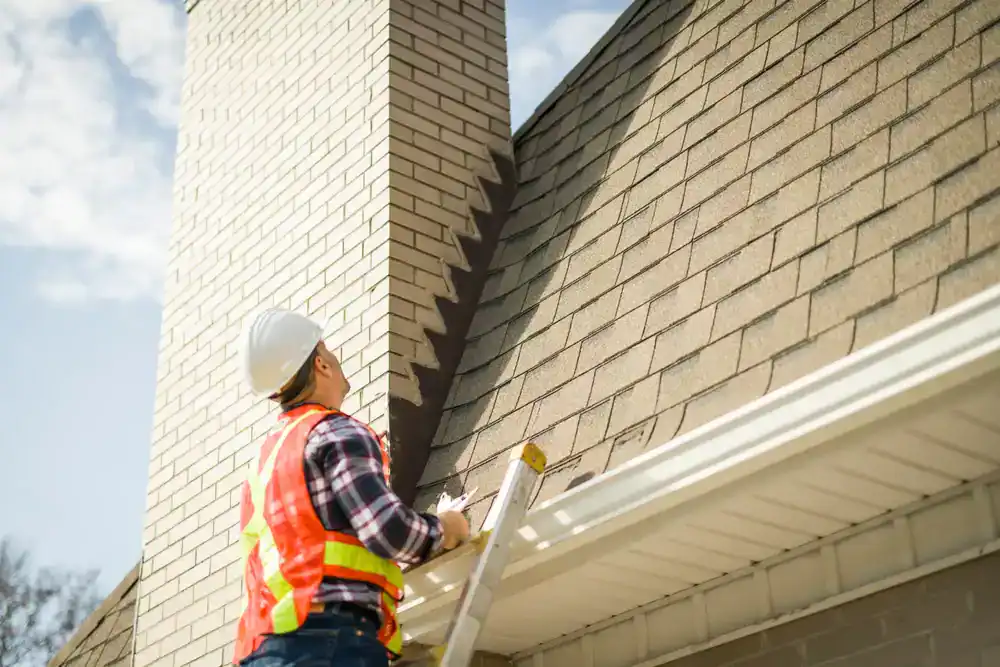
Then schedule a professional inspection from a licensed local roofing contractor before the adjuster visit. A written assessment from someone who knows what to look for documents damage in industry-standard language and identifies functional damage that isn’t visible from the ground. Without that independent evaluation, you’re largely taking the adjuster’s findings at face value. With it, you enter the conversation with evidence and a factual reference point.
When the adjuster does arrive, having your contractor’s report in hand shifts the dynamic from a one-sided assessment to a comparison between two documented findings. If the adjuster misses something your contractor identified and photographed, you have grounds to challenge the scope before the claim closes. We’ll attend the adjuster meeting on your behalf if you want that support, and our presence often results in more thorough evaluations.
The other piece that gets overlooked is understanding what your out-of-pocket costs will actually be. Your deductible is the amount you pay before insurance contributes. If repairs cost $5,000 and your deductible is $1,000, you’re paying $1,000 and the insurer covers $4,000. But if your roof is 15 years old and you have an ACV policy, depreciation might reduce that payout significantly. Knowing these numbers before you commit to repairs prevents surprises when the check arrives.
One more thing: you have the legal right in New Jersey to choose any licensed contractor you want for storm damage repairs, regardless of which companies your insurer recommends. Preferred networks exist, but the decision is yours. Choose a local contractor with a verifiable track record who will still be in business when you need warranty service three years from now.
Avoiding Storm Chasers After Major Weather Events
After every significant storm in New Jersey, out-of-state contractors show up in residential neighborhoods within days. Some are legitimate. Many aren’t. The ones who aren’t operate with a playbook that’s designed to maximize their revenue during the brief window before they move on to the next storm-damaged region, and homeowners who hire them often end up with subpar work, no warranty support, and no recourse when problems develop later.
Storm chasers typically arrive unsolicited, going door-to-door offering free inspections right after major weather events. The tactic itself isn’t necessarily a red flag—plenty of legitimate local contractors do storm damage canvassing—but the combination of aggressive sales pressure, out-of-state plates, and promises that sound too good to be true should make you pause.
Red flags include contractors who push you to sign immediately, offer to waive your insurance deductible (which is insurance fraud), ask for large upfront payments before work begins, or can’t provide a local business address and references you can verify. Legitimate contractors carry New Jersey licenses, maintain local offices, provide written estimates, and have customer reviews you can check. They also have a vested interest in doing quality work because their reputation in the community depends on it.
The other issue with storm chasers is timeline. They’re working multiple jobs across a wide geographic area, often with subcontractors they’ve never worked with before. That leads to delays, communication breakdowns, and work quality that doesn’t hold up. When your roof starts leaking six months later and you try to reach the contractor who did the work, you’ll find a disconnected number and no local presence to hold accountable.
Stick with local contractors who’ve been serving your area for years. Check their Better Business Bureau rating, verify their license with the state, read recent reviews, and ask for references from jobs completed in your town. A contractor who’s been operating in Morris and Essex County for a decade isn’t going anywhere, and that longevity matters when you’re trusting someone with one of the most important systems protecting your home.
Getting the Storm Damage Help You Need in Essex County
Storm damage doesn’t wait for convenient timing, and the decisions you make in the first few hours and days after severe weather can determine whether you’re dealing with a manageable repair or a prolonged, expensive problem. Document everything, get professional assessment before filing insurance claims, and work with local contractors who understand both the technical restoration work and the insurance process.
Whether you’re dealing with wind damage on your roof from a nor’easter, ice dams forming during a harsh winter, or hail that’s compromised your shingles, the priority is stopping further damage and protecting your home. Emergency roofing services provide that immediate protection while you work through the insurance process and plan permanent repairs.
If you’re in Essex County and need storm damage roof repair, reach out to us for a free consultation. As a family-owned company serving Morris and Essex County, we provide emergency response, honest assessments, and the kind of clear communication that matters when you’re making decisions under pressure.