Summary:
Your roof takes a beating in northern New Jersey. Freeze-thaw cycles, ice dams, summer heat, nor’easters—it all adds up. If you’re tired of replacing asphalt shingles every 15 years or watching your cooling bills climb every summer, metal roofing might be the answer you’ve been looking for.
Metal roofs last 40 to 70 years with minimal maintenance. They shed snow and ice, reflect heat, and hold up against everything our climate throws at them. But not all metal roofing systems are the same, and installation quality makes all the difference between a roof that performs for decades and one that leaks in year three.
This guide walks through the metal roofing systems available, what they actually cost in Essex County, how installation works, and what to look for in metal roofers who’ll do it right the first time.
Standing Seam Metal Roof Installation
Standing seam is what most people picture when they think of metal roofing. Long vertical panels run from ridge to eave with raised seams connecting each panel. The seams stand up above the roof surface, which is where the name comes from.
The key advantage is the concealed fastener system. Instead of screws going through the panels where water can get in, the panels attach to the roof deck using hidden clips. The screws never penetrate the metal surface. That eliminates thousands of potential leak points that exposed fastener systems deal with over time.
For Essex County’s climate, that matters. Our freeze-thaw cycles stress every part of a roof. Exposed fasteners expand and contract with temperature changes, and eventually those washers crack or the holes get bigger. Standing seam systems avoid that problem entirely because the metal can move naturally without stressing the attachment points.
Metal Roofs for Homes: Standing Seam vs Corrugated
Corrugated steel roofing costs less upfront than standing seam. The panels are simpler to manufacture and faster to install. You’ll see corrugated metal on agricultural buildings, garages, and some residential applications where budget is the primary concern.
The tradeoff is the exposed fastener system. Screws go directly through the face of the panels into the roof deck. Each screw has a rubber washer that’s supposed to seal out water. That works fine initially, but those washers degrade over time from UV exposure and temperature swings. Around year 15 to 20, you’ll likely need a contractor to inspect and replace fasteners that have loosened or where washers have failed.
Standing seam eliminates that maintenance cycle. The panels interlock at the seams, and clips underneath allow the metal to expand and contract without stressing the fasteners. You’re paying more upfront for a system that requires virtually no maintenance for its entire lifespan. For a heated living space where a leak means interior damage, that peace of mind is worth the investment.
Climate also plays a role. Essex County sees significant daily temperature swings, especially in spring and fall. Dark-colored metal expands more than light colors. Corrugated systems experience more stress at those fastener points during expansion cycles. Standing seam’s movement accommodation provides real performance benefits in our climate.
The quality spectrum matters too. Entry-level corrugated with thin gauge metal and minimal coating performs accordingly. Premium corrugated with heavy-gauge steel and quality Kynar coating systems performs much closer to standing seam but costs more than basic corrugated. If you’re comparing options, make sure you’re looking at similar quality levels.
Metal Roofing Installation Cost in Essex County
Standing seam metal roofs cost $10 to $18 per square foot installed in Essex County. For a typical 2,000 square foot home, that works out to $20,000 to $36,000. The range depends on roof complexity, material choice, and labor rates.
Northern New Jersey labor rates run higher than national averages. Essex County sits in one of the highest-cost labor markets on the East Coast due to proximity to New York City. You’re looking at $55 to $95 per hour for qualified roofing labor compared to $45 to $70 nationally. That’s not price gouging—it reflects higher cost of living, stricter building codes requiring more inspection time, and higher workers’ compensation insurance costs in New Jersey.
Material costs account for the other half. Basic Galvalume steel panels run $3 to $6 per square foot for materials alone. Painted steel with Kynar coating adds $1 to $2 per square foot. Aluminum costs slightly more but makes sense in coastal areas where salt air is a concern. Copper pushes into premium territory at $15+ per square foot for materials, but it lasts 100+ years and develops that distinctive green patina.
Permits add $200 to $1,000 depending on your municipality. New Jersey requires building permits for roof replacement under the Uniform Construction Code. Some Essex County towns also require zoning review for metal roofing, particularly in historic districts. We pull all necessary permits—you should never let an installer ask you to handle that yourself.
Tear-off and disposal add $1 to $2 per square foot. New Jersey code allows a maximum of two roof layers, so if you already have two layers of shingles, tear-off is mandatory. Disposal fees at NJ transfer stations currently run $90 to $130 per ton, and a typical tear-off generates 2.5 to 3.5 pounds per square foot.
The honest answer for most Essex County homeowners: budget $20,000 to $30,000 for a quality standing seam metal roof on a typical home. Complex roofs with multiple valleys, dormers, and skylights push toward the higher end. Simple gable roofs with minimal penetrations come in lower.
Want live answers?
Connect with a Proline Construction expert for fast, friendly support.
Copper Metal Roof and Premium Material Options
Copper roofing represents the premium end of metal roofing. It costs significantly more than steel or aluminum—often $15 to $25+ per square foot for materials alone. But copper brings unique benefits that make it worth considering for certain applications.
Copper naturally resists corrosion. It doesn’t need protective coatings like steel does. Over time, copper develops a protective patina that actually prevents further corrosion while creating that distinctive green or brown appearance you see on historic buildings. Churches, universities, and landmark buildings often choose copper specifically for that architectural character.
Lifespan exceeds 100 years with proper installation. You’re essentially installing a permanent roof. For historic homes in Montclair, Glen Ridge, or Maplewood where architectural authenticity matters, copper often makes sense despite the higher cost.
Steel Roof Installation: Galvalume vs Painted Options
Most residential metal roofs in Essex County use steel as the base material. The question is what coating system protects that steel from corrosion.
Galvalume is steel coated with an aluminum-zinc alloy. It provides excellent corrosion resistance and comes with a mill finish that has a silvery appearance. Galvalume performs well in most environments and costs less than painted options. The tradeoff is aesthetic—that bare metal look doesn’t work for every home style.
Painted steel adds a Kynar or similar coating system over the Galvalume base. You get all the corrosion protection of Galvalume plus your choice of colors. Kynar coatings resist fading and chalking from UV exposure. Quality paint systems come with 30 to 40-year warranties covering color fade beyond a specified level.
For homes more than 15 miles from the ocean, painted steel delivers the same performance as aluminum at $2 to $3 less per square foot in materials. That’s $4,000 to $6,000 in savings on a 2,000 square foot roof. Aluminum only makes sense where salt air corrosion is a real concern.
Gauge matters too. Most residential standing seam uses 24-gauge steel, which provides good strength without excessive weight. Thicker 22-gauge costs more but adds rigidity that can reduce oil canning—that visible waviness that sometimes appears in flat areas of metal panels. For most applications, 24-gauge strikes the right balance.
The coating on the underside of panels matters as much as the top. If the underside isn’t properly coated, moisture can get trapped between the metal and underlayment, leading to corrosion from the inside out. Quality manufacturers coat both sides. That’s one reason to work with metal roofers who source from reputable suppliers and understand these details.
New Metal Roof: What Installation Actually Involves
Professional metal roof installation starts with thorough roof assessment. We examine structural integrity, check for rot or damage in the decking, and identify areas that need repair before new roofing goes on. Trying to install metal over compromised decking leads to problems down the road.
Next comes proper underlayment. This isn’t optional. High-quality synthetic underlayment provides a secondary water barrier and helps with sound dampening. Some homeowners worry about noise from rain on metal roofs—proper underlayment and insulation eliminate that concern. You shouldn’t hear rain any more than you would with asphalt shingles.
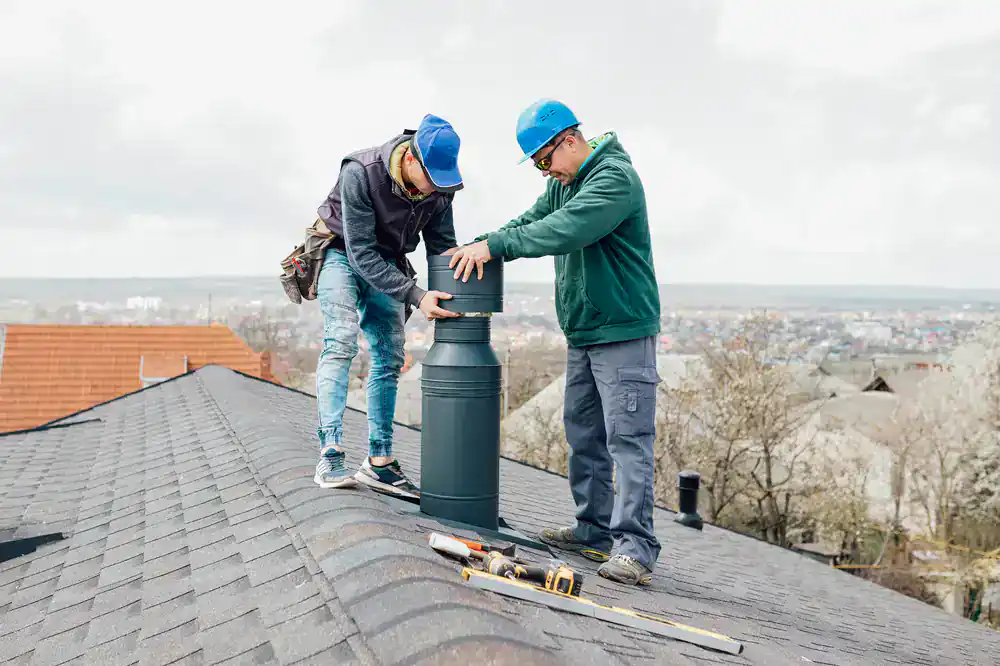
The metal panels get installed starting from one edge and working across. Each panel interlocks with the previous one at the seam. Clips attached to the roof deck hold the panels in place while allowing them to move with thermal expansion. This is where contractor experience matters. Panels need proper alignment, and the clips need correct spacing and attachment. Rushed or improper installation shows up as leaks or panel movement within a few years.
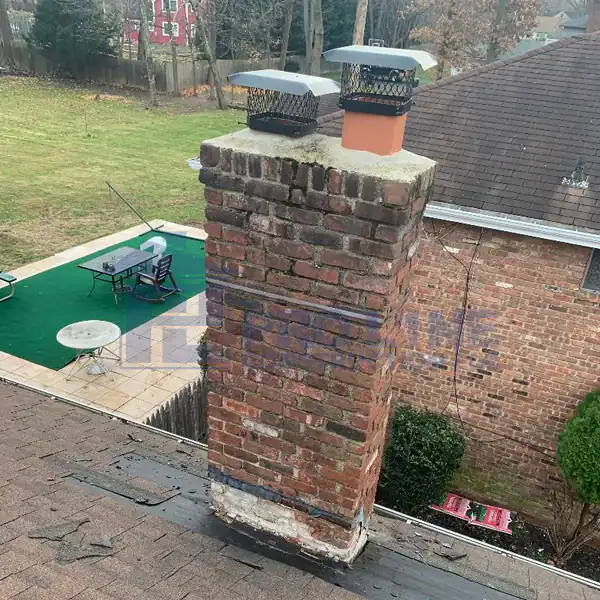
Flashing details make or break a metal roof. Valleys, chimneys, vent pipes, skylights—every penetration needs proper flashing that’s compatible with the metal roofing material. Mixing incompatible metals can cause galvanic corrosion where one metal corrodes faster due to contact with another. Experienced metal roofers know which materials work together and which combinations to avoid.
Ridge caps, eave trim, and gable trim complete the installation. These aren’t just cosmetic—they’re critical for weather protection. The ridge cap, for example, needs proper ventilation while keeping water out. Eave trim directs water into gutters and protects the fascia.
Most residential metal roof installations take one to three days depending on size and complexity. Weather can extend that timeline—you can’t install metal roofing in heavy rain or high winds. We protect your home with tarps if weather interrupts the project.
Choosing Quality Metal Roofing Contractors
The difference between a metal roof that performs for 50+ years and one that leaks in year five comes down to installation quality. Metal roofing isn’t a DIY project. It requires specialized tools, knowledge of thermal movement, proper flashing techniques, and understanding of which materials work together.
Look for contractors with manufacturer certifications. GAF certification, for example, requires proper licensing, insurance, ongoing training, and a track record of quality work. Certified contractors can offer enhanced warranties that cover both materials and workmanship. Those warranties matter when you’re investing $20,000 to $30,000 in a roof.
Local experience counts too. Essex County’s climate, building codes, and permit requirements differ from other regions. A contractor who’s worked in northern New Jersey understands ice dam prevention, knows local permit processes, and has relationships with building inspectors.
If you’re ready to explore metal roofing for your home, start with a consultation that covers your specific situation. The right system depends on your home’s architecture, your budget, how long you plan to stay in the home, and what matters most to you—whether that’s energy savings, minimal maintenance, or a specific aesthetic.
We serve Morris and Essex County with honest roofing guidance and quality installation. As a family-owned company and GAF preferred contractor, we treat every project like it’s our own home—with clear communication, transparent pricing, and work that stands behind our warranty.